

 Download PDF
 Download PDF
Market Overview
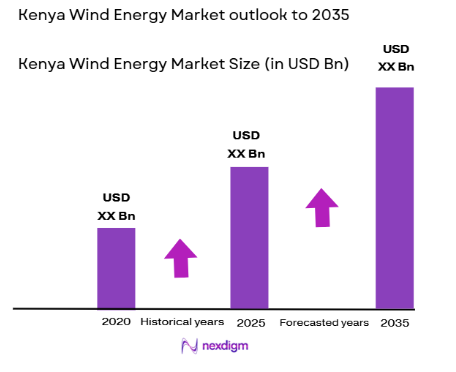
The Kenya Wind Energy market size is projected to reach approximately USD ~ billion by the end of a recent historical assessment. This growth is primarily driven by increasing government initiatives to diversify energy sources, especially renewable energy, and its substantial contribution to the national energy grid. The Kenyan government’s commitment to renewable energy, coupled with advancements in wind turbine technology, has further stimulated the sector. The demand for clean energy solutions and the need to meet international climate commitments continue to fuel market expansion.
The dominance of certain cities and regions in Kenya’s wind energy sector is attributed to favorable wind conditions and proximity to infrastructure. Areas such as the Turkana region, with its vast open spaces and consistent wind patterns, have become hubs for wind energy projects. Additionally, the government’s push for renewable energy projects in these regions, alongside improved infrastructure like grid connectivity and road networks, has contributed to their leadership in the sector. These factors make Kenya a strategic location for wind energy development.
Market Segmentation
By Product Type:
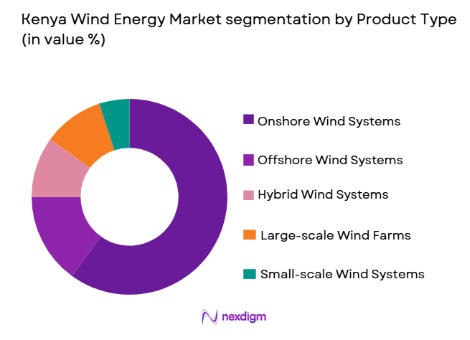
Kenya Wind Energy market is segmented by product type into onshore wind systems, offshore wind systems, hybrid wind systems, large-scale wind farms, and small-scale wind systems. Recently, onshore wind systems have a dominant market share due to factors such as demand patterns, brand presence, infrastructure availability, and consumer preference. Onshore systems, being more cost-effective and easier to install compared to offshore alternatives, have driven their widespread adoption. Additionally, Kenya’s favorable wind conditions in regions like Turkana and Ngong Hills have further boosted the adoption of onshore wind energy solutions, leading to a significant market share for these systems. The growing interest in clean energy from both the public and private sectors, along with government incentives, has also accelerated their deployment.
By Platform Type:
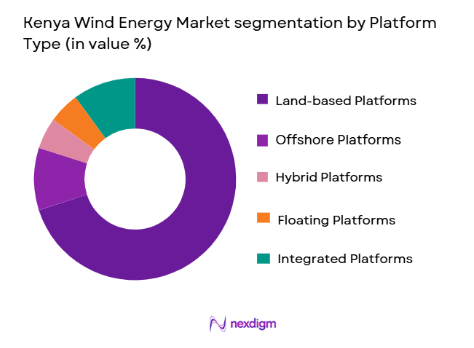
Kenya Wind Energy market is segmented by platform type into land-based platforms, offshore platforms, hybrid platforms, floating platforms, and integrated platforms. Recently, land-based platforms have dominated the market share due to their cost-effectiveness and suitability for Kenya’s topography. Land-based wind energy projects, especially those located in regions with optimal wind conditions, have been the primary focus of investment. The country’s relatively flat terrain and vast open spaces make land-based platforms ideal for large-scale wind farms. Moreover, the availability of land for these projects and the government’s focus on expanding renewable energy infrastructure have encouraged greater adoption of land-based wind systems.
Competitive Landscape
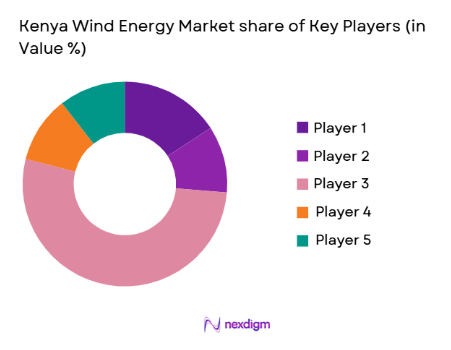
The competitive landscape of the Kenya Wind Energy market is characterized by increasing investments in both onshore and offshore wind projects. Major players in the market continue to expand their operations, supported by favorable government policies and growing demand for clean energy. The market is consolidating, with both local and international companies forming partnerships to capitalize on the country’s renewable energy potential. Furthermore, technological innovations in wind turbine efficiency and performance are helping companies strengthen their competitive position in the market.
| Company Name | Establishment Year | Headquarters | Technology Focus | Market Reach | Key Products | Revenue (USD) |
| Vestas | 1945 | Denmark | ~ | ~ | ~ | ~ |
| Siemens Gamesa | 1976 | Spain | ~ | ~ | ~ | ~ |
| General Electric | 1892 | USA | ~ | ~ | ~ | ~ |
| Nordex | 1985 | Germany | ~ | ~ | ~ | ~ |
| Suzlon Energy | 1995 | India | ~ | ~ | ~ | ~ |
Kenya Wind Energy Market Analysis
Growth Drivers
Government Support for Renewable Energy:
Government initiatives to diversify Kenya’s energy mix have significantly boosted the wind energy sector. Policies supporting renewable energy adoption, such as feed-in tariffs and tax incentives for wind energy projects, have helped create a favorable environment for investors and developers. The government’s Vision 2030 blueprint, which emphasizes the importance of clean energy, has led to large-scale infrastructure projects, contributing to the steady growth of the market. In addition to the policy framework, Kenya’s commitment to international climate agreements, such as the Paris Agreement, has further motivated the government to pursue renewable energy projects, with wind energy being a key focus.
Technological Advancements in Wind Turbine Systems:
The technological advancements in wind turbine systems have played a crucial role in the growth of the Kenya Wind Energy market. Innovations in turbine design, materials, and efficiency have lowered the cost of wind energy production and improved overall system performance. Wind turbines are becoming more reliable, with higher energy yield per turbine, even in areas with lower wind speeds. The development of more efficient turbines has also allowed for smaller-scale installations, making wind energy more accessible to a broader range of consumers, from large utility providers to small businesses and even residential users.
Market Challenges
High Initial Investment Costs:
One of the major challenges faced by the Kenya Wind Energy market is the high capital investment required to establish wind energy projects. While the operational costs of wind energy are relatively low, the upfront costs of turbine installation, infrastructure development, and grid connectivity can be a barrier to entry for many developers. This challenge is further compounded by the lack of financing options for smaller players, as well as the long payback periods for large-scale projects. Despite government incentives, these financial hurdles can delay project initiation and slow market growth.
Intermittent Nature of Wind Energy:
Another significant challenge facing the Kenya Wind Energy market is the intermittent nature of wind energy. Wind power generation is highly dependent on wind speed and consistency, which can vary seasonally and by location. This intermittency requires the development of energy storage systems or backup generation capacity to ensure a stable and continuous energy supply. Without efficient energy storage solutions or grid management, the potential of wind energy to meet Kenya’s growing energy demand remains limited, hindering its widespread adoption.
Opportunities
Expansion of Offshore Wind Energy:
Offshore wind energy presents a promising opportunity for growth in Kenya’s wind energy market. The country’s long coastline and favorable offshore wind conditions offer significant potential for offshore wind farms. While the market for offshore wind is currently in its nascent stages, technological advancements and increasing investments in offshore turbine technology are expected to drive the growth of this segment. The expansion of offshore wind farms would diversify Kenya’s renewable energy sources and contribute significantly to the country’s energy security. Furthermore, the government’s interest in tapping into offshore wind resources presents an opportunity for both local and international developers to participate in this emerging market.
Investment in Energy Storage Solutions:
The development of energy storage systems presents a key opportunity for the Kenya Wind Energy market to address the issue of intermittent power generation. As the country continues to scale up its wind energy projects, the need for advanced storage solutions to ensure grid stability will increase. The growing demand for energy storage systems, including both battery storage and pumped hydro storage, provides opportunities for innovation and investment. Energy storage would allow for the seamless integration of wind power into the national grid, mitigating the challenges posed by intermittency and supporting the country’s renewable energy goals.
Future Outlook
The Kenya Wind Energy market is expected to continue its growth trajectory over the next five years, driven by favorable government policies, advancements in technology, and increasing investments in renewable energy. The integration of wind power into the national energy mix is likely to increase, with significant projects already underway in regions such as Turkana and Ngong Hills. Technological innovations in turbine design, along with the growth of offshore wind energy, will enhance the efficiency of wind energy generation. With growing demand for clean energy, Kenya is poised to strengthen its position as a leader in wind energy development in Africa.
Major Players
- Vestas
- Siemens Gamesa
- General Electric
- Nordex
- Suzlon Energy
- GE Renewable Energy
- Siemens Gamesa Renewable Energy
- Goldwind
- Acciona Energia
- Sinovel Wind Group
- Suzlon Energy
- Senvion
- Gamesa
- Nordex
- Iberdrola
Key Target Audience
- Investments and venture capitalist firms
- Government and regulatory bodies
- Energy developers and contractors
- Energy utilities and distributors
- Environmental and renewable energy organizations
- Renewable energy technology providers
- Industrial energy consumers
- Private sector companies seeking sustainable energy solutions
Research Methodology
Step 1: Identification of Key Variables
This step involves determining the main factors influencing the market, including technology trends, government policies, and market demand.
Step 2: Market Analysis and Construction
This step includes segmenting the market based on various factors such as product type, platform type, and consumer behavior to build a comprehensive view of the market.
Step 3: Hypothesis Validation and Expert Consultation
We validate assumptions made during the analysis by consulting experts in the field and reviewing recent market data to ensure the model’s accuracy.
Step 4: Research Synthesis and Final Output
In this final step, all gathered data is synthesized into a cohesive market report, ensuring that all findings are presented in a clear, actionable format.

- Executive Summary
- Research Methodology (Definitions, Scope, Industry Assumptions, Market Sizing Approach, Primary & Secondary Research Framework, Data Collection & Verification Protocol, Analytic Models & Forecast Methodology, Limitations & Research Validity Checks)

- Market Definition and Scope
- Value Chain & Stakeholder Ecosystem
- Regulatory / Certification Landscape
- Sector Dynamics Affecting Demand
- Strategic Initiatives & Infrastructure Growth

- Growth Drivers
Increased Government Support for Renewable Energy
Rising Demand for Clean Energy
Technological Advancements in Wind Energy Systems
Government Incentives and Subsidies
Growing Awareness of Environmental Impact - Market Challenges
High Capital Investment in Wind Energy Projects
Intermittent Nature of Wind Energy
Limited Grid Infrastructure in Rural Areas
Policy and Regulatory Barriers
Lack of Skilled Workforce in Renewable Energy - Market Opportunities
Development of Offshore Wind Farms
Expansion of Wind Energy in Rural Areas
Investment in Energy Storage Solutions - Trends
Increasing Use of Hybrid Wind Systems
Growing Interest in Floating Wind Farms
Technological Innovations in Wind Turbines
Focus on Energy Storage and Grid Integration
Adoption of AI and IoT in Wind Energy Operations - Government Regulations & Defense Policy
Energy Policy Reforms in Kenya
Grid Integration and Interconnection Standards
Renewable Energy Subsidies and Tax Incentives - SWOT Analysis
- Stakeholder and Ecosystem Analysis
- Porter’s Five Forces Analysis
- Competition Intensity and Ecosystem Mapping

- By Market Value, 2020-2025
- By Installed Units, 2020-2025
- By Average System Price, 2020-2025
- By System Complexity Tier, 2020-2025

- By System Type (In Value%)
Onshore Wind Systems
Offshore Wind Systems
Hybrid Wind Systems
Large-scale Wind Farms
Small-scale Wind Systems - By Platform Type (In Value%)
Land-based Platforms
Offshore Platforms
Hybrid Platforms
Floating Platforms
Integrated Platforms - By Fitment Type (In Value%)
On-grid Solutions
Off-grid Solutions
Hybrid Solutions
Modular Solutions
Integrated Solutions - By EndUser Segment (In Value%)
Utility Companies
Government & Regulatory Bodies
Industrial Users
Private Sector / Corporations
Energy Storage Providers - By Procurement Channel (In Value%)
Direct Procurement
Government Tenders
Private Sector Procurement
Online Bidding Platforms
Third-party Distributors - By Material / Technology (in Value%)
Wind Turbine Blades
Tower Materials
Nacelle Technology
Gearbox Systems
Control & Monitoring Systems

- Market structure and competitive positioning
- Market share snapshot of major players
- CrossComparison Parameters (System Type, Platform Type, Procurement Channel, EndUser Segment, Fitment Type, Material/Technology, Market Share, Installed Units, Regional Penetration, Competitive Strategies)
- SWOT Analysis of Key Players
- Pricing & Procurement Analysis
- Key Players
Vestas
Siemens Gamesa
General Electric
Nordex
Suzlon Energy
Kenya Electricity Generating Company
Lekela Power
Windlab
Enel Green Power
Goldwind
Suzlon Energy
Mingyang Smart Energy
Acciona Energia
Ingeteam
Juventas Energy

- Government Agencies’ Role in Policy Development
- Utility Companies’ Push for Clean Energy Transition
- Industrial Users Seeking Cost-effective Power Solutions
- Private Sector’s Focus on Sustainable Development

- Forecast Market Value, 2026-2035
- Forecast Installed Units, 2026-2035
- Price Forecast by System Tier, 2026-2035
- Future Demand by Platform, 2026-2035


 Request a Sample
 Ask for Customization
 Get a Quote
 Enquire Now