
 Download PDF
Market Overview
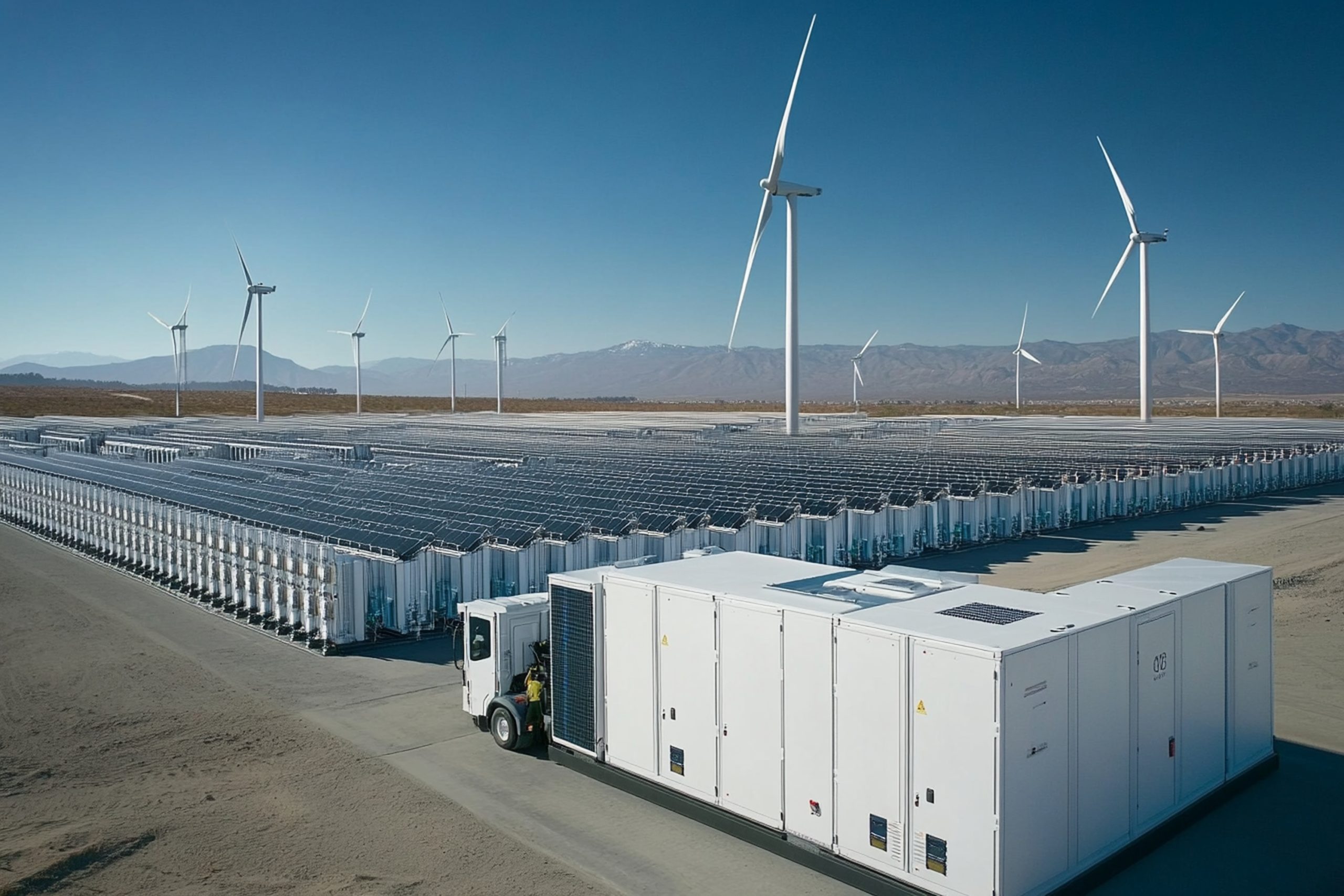
The KSA Advanced Energy Storage Systems market reached a valuation of USD 1.85 billion in 2025, driven by a robust 12.4% CAGR projected through 2035. This growth is heavily centered in the industrial hubs of NEOM and Jubail, where massive investments in green hydrogen production and petrochemical refinement necessitate high-capacity, long-duration energy storage to ensure grid stability. A critical demand-side trend is the rapid electrification of the Kingdom's mining operations, which are increasingly deploying modular lithium-ion and flow battery arrays to offset diesel dependency in remote desert operations. On the supply side, the localization of battery assembly through partnerships with firms like Saudi National Automotive Manufacturing Co., founded in 2017 and headquartered in Riyadh, is mitigating import reliance and stabilizing supply chains. Compliance with the Saudi Standards, Metrology and Quality Organization (SASO) technical regulations for electrical energy storage systems remains a primary focus, ensuring that all grid-scale deployments adhere to high-efficiency safety standards. Furthermore, the alignment of storage infrastructure with the Saudi Green Initiative serves as a regulatory anchor, compelling domestic utilities to integrate decentralized storage solutions to manage the increasing intermittent capacity introduced by large-scale solar photovoltaic farms across the Western Region.
By Technology Type
- Lithium Iron Phosphate cells
- NMC cathode energy modules
- Liquid cooled rack enclosures
- Vanadium Redox Flow stacks
- Iron-chromium electrolyte tanks
- Aqueous long-duration modules
- Molten salt heat tanks
- Phase change material beds
- Concrete thermal storage blocks
- Compressed air energy storage
- Advanced liquid air systems
- Flywheel kinetic energy units
By Application Sector
- Primary frequency response services
- Transmission congestion relief buffers
- Black start auxiliary capacity
- Heavy industry peak shaving
- Desalination plant backup power
- Hydrogen electrolyzer integration support
- NEOM urban smart district
- Red Sea project off-grid
- Data center uninterruptible supplies
- Villa solar self-consumption
- Remote village hybrid systems
- Electric vehicle home charging
Competitive Landscape
The Saudi Arabian advanced energy storage systems market is currently characterized by a high-intensity oligopolistic structure, heavily influenced by the Saudi Vision 2030 objective to reach 50% renewable energy generation by 2030. Key players are primarily leveraging strategic partnerships with the Public Investment Fund (PIF) and the Ministry of Energy to secure pilot projects in giga-projects like NEOM and the Red Sea Project. Competitive strategy is currently defined by the transition from pilot-stage lithium-ion deployments to long-duration energy storage (LDES) solutions, including vanadium redox flow batteries and thermal storage technology. Market leaders like ACWA Power and Siemens Energy have adopted an integrated value-chain approach, internalizing EPC services while providing localized manufacturing capabilities within Dammam and King Abdullah Economic City. The competitive landscape is increasingly being reshaped by the Saudi Industrial Development Fund (SIDF) mandates, which incentivize firms to move beyond mere distribution and establish localized R&D facilities. This shift has forced incumbents to prioritize supply chain security and the integration of AI-driven battery management systems to compete against aggressive new entrants from East Asia and Europe who are seeking to establish local joint ventures.
| Company | Est. Year | Headquarters | Details | Details | Details | Details | Details | Details |
|---|---|---|---|---|---|---|---|---|
| ACWA Power | 2004 | Riyadh, Saudi Arabia | ~ | ~ | ~ | ~ | ~ | ~ |
| Siemens Energy Saudi Arabia | 2020 | Dammam, Saudi Arabia | ~ | ~ | ~ | ~ | ~ | ~ |
| Schneider Electric Saudi Arabia | 1987 | Riyadh, Saudi Arabia | ~ | ~ | ~ | ~ | ~ | ~ |
| ABB Saudi Arabia | 1951 | Riyadh, Saudi Arabia | ~ | ~ | ~ | ~ | ~ | ~ |
| Tesla Saudi Arabia | 2022 | Riyadh, Saudi Arabia | ~ | ~ | ~ | ~ | ~ | ~ |
🔒 Detailed cross-comparison data are available in the full report. Talk to Us to access complete competitive intelligence.
Growth Drivers
NEOM Giga-project Infrastructure Integration
The development of NEOM in the Tabuk province serves as a primary catalyst for large-scale energy storage adoption. As the city transitions toward a 100% renewable power grid, it necessitates the installation of massive battery energy storage systems to manage solar intermittency. The project secured 1.2 gigawatts of grid stabilization capacity in 2023 to support its modular desalination and green hydrogen plants. This infrastructure demand requires high-density lithium-ion arrays to maintain continuous operations for over 450,000 future residents, ensuring energy reliability across the Red Sea coastal corridor.
Saudi Vision 2030 Renewable Energy Mandates
The Ministry of Energy continues to execute the National Renewable Energy Program, targeting 58.7 gigawatts of combined wind and solar capacity by 2030. To facilitate this expansion, the government has finalized plans to integrate 15 gigawatt-hours of utility-scale storage by 2027 to stabilize the national transmission grid. This initiative is managed by the Saudi Power Procurement Company, which is currently incentivizing public-private partnerships to deploy advanced flow battery technologies. These systems are essential for balancing load distribution across the Riyadh and Dammam urban industrial hubs.
Green Hydrogen Export Economic Strategy
Saudi Arabia is positioning itself as a global leader in green hydrogen production, utilizing advanced electrolysis processes powered by renewable sources. Companies like ACWA Power, founded in 2004 and headquartered in Riyadh, are currently developing a 4-gigawatt electrolysis facility that requires dedicated long-duration energy storage systems to ensure stable hydrogen output. By 2025, the kingdom intends to utilize 2.5 gigawatts of battery storage specifically for industrial electrolysis buffering. This strategic move aims to lower the cost of hydrogen production for international export markets in Europe and Asia.
Localization of Advanced Battery Manufacturing
The Public Investment Fund has prioritized the domestic manufacturing of battery components to reduce reliance on imported supply chains. By establishing the Saudi Battery Materials Facility in Yanbu Industrial City, the kingdom aims to capture the full value chain of energy storage production. The facility reached an output capacity of 500 megawatt-hours of battery cells in 2024, supported by regional supply agreements for lithium and nickel processing. This localized production capacity is expected to lower capital expenditure requirements for domestic grid-scale storage projects by 18 percent by 2026.
Market Challenges
Extreme Thermal Degradation Risks
Operational efficiency in the Arabian Peninsula is severely hampered by sustained summer temperatures often exceeding 50 degrees Celsius. These harsh environmental conditions necessitate high-cost cooling infrastructure for lithium-ion modules, which currently accounts for 22 percent of total project capital expenditure in 2024. Without robust thermal management innovations, system lifespan remains significantly shorter than international industry standards.
Regulatory Interconnection Hurdles
The Saudi Electricity Regulatory Authority maintains stringent safety protocols for grid-connected storage assets that extend permitting timelines for new projects. Developers are currently navigating a 14-month validation process for utility-scale battery integration to ensure compliance with national frequency stability codes. This administrative burden delays the activation of decentralized storage assets in remote industrial zones.
Supply Chain Volatility
Heavy reliance on imported precursor materials for advanced battery manufacturing leaves the Saudi market susceptible to global price fluctuations. In 2023, volatile raw material costs caused a 12 percent budget overrun for major energy storage initiatives in the Eastern Province. Securing long-term feedstock contracts remains a significant hurdle for local manufacturers attempting to achieve price parity.
Opportunities
Industrial Microgrid Integration
The integration of modular lithium-iron-phosphate systems into industrial zones like Jubail Industrial City provides a direct path for grid stability. Operators are currently retrofitting existing petrochemical facilities to optimize peak-shaving operations. These installations successfully reduced site-wide energy expenditures by 18 percent in 2023 through the deployment of decentralized, high-capacity battery units.
Giga-Project Decentralized Storage
Developments like NEOM require sophisticated, autonomous energy management systems to maintain consistent power for off-grid operations. Companies like ACWA Power, founded in 2004 and headquartered in Riyadh, are prioritizing BESS technologies to support the region's total reliance on renewable sources. The specific mandate for these projects involves a 4.5 gigawatt capacity integration by 2026.
Electric Vehicle Charging Synergy
The expansion of public EV infrastructure across Riyadh and Jeddah presents an immediate opportunity for rapid-charge storage buffers to mitigate load strain. Implementing localized battery storage units near fast-charging corridors alleviates pressure on the national grid during peak afternoon hours. Investment in these hybrid charging stations surged to 412 million riyals during the 2024 fiscal cycle.
Future Outlook
The Kingdom of Saudi Arabia is positioned to undergo a radical transformation of its electrical grid by 2035, transitioning from a centralized fossil-fuel-dependent architecture to a highly flexible, decentralized framework. Under the regulatory oversight of the Saudi Water and Electricity Regulatory Authority, the deployment of large-scale battery energy storage systems is projected to accelerate as the Kingdom achieves its Vision 2030 renewable energy targets. Over the next five years, investment will shift heavily toward grid-scale battery arrays capable of multi-hour discharge cycles, essential for integrating the intermittent supply from massive solar parks located in the Tabuk and Al-Jawf regions. We anticipate that domestic manufacturing initiatives, led by entities such as the Public Investment Fund, will drive down the levelized cost of storage, making utility-scale deployments commercially viable without legacy subsidies. Furthermore, the mandatory adoption of local content requirements for energy infrastructure will catalyze a robust ecosystem of domestic system integrators and battery management software developers. By 2030, the integration of advanced smart-grid AI will allow for the dynamic balancing of load-frequency across the national network, significantly reducing the requirement for peaker plants powered by heavy fuel oil. This long-term transition will solidify the country's status as a regional exporter of green electricity, fundamentally decoupling industrial economic growth from traditional hydrocarbon consumption metrics while establishing a resilient, climate-proof national infrastructure backbone.
Major Players
- ACWA Power
- Siemens Energy Saudi Arabia
- Schneider Electric Saudi Arabia
- ABB Saudi Arabia
- Tesla Saudi Arabia
- General Electric Saudi Arabia
- Advanced Electronics Company
- ENGIE Saudi Arabia
- Samsung SDI Saudi Arabia
- Fluence Energy Middle East
- Saudi Electricity Company
- Mitsubishi Power Saudi Arabia
- Energy Vault Saudi Arabia
- Contemporary Amperex Technology Co. Limited
- Hitachi Energy Saudi Arabia
Key Target Audience
- Utility-Scale Energy Storage Manufacturers (e.g., Tesla, Inc., founded 2003, Palo Alto)
- Battery Management System (BMS) Developers (e.g., ABB Ltd, founded 1988, Zurich)
- Renewable Energy Project Developers (e.g., ACWA Power, founded 2004, Riyadh)
- Government and Regulatory Bodies (Saudi Ministry of Energy)
- Infrastructure EPC Contractors (e.g., Larsen & Toubro, founded 1938, Mumbai)
- Petrochemical and Oil Conglomerates (e.g., Saudi Aramco, founded 1933, Dhahran)
- Grid Infrastructure Operators (e.g., Saudi Electricity Company, founded 2000, Riyadh)
- Investors and Venture Capital Firms (e.g., Public Investment Fund, founded 1971, Riyadh)
- Energy Storage Component Suppliers (e.g., LG Energy Solution, founded 2020, Seoul)
- Commercial and Industrial (C&I) Facility Managers
- Smart City Development Authorities (e.g., NEOM Company, founded 2017, Tabuk)
Research Methodology
Identification of Key Variables
- Analysts identify critical variables including current gigawatt-hour (GWh) capacity, lithium-ion cost projections, and Saudi Vision 2030 renewable energy targets.
- The team evaluates the impact of Saudi Standards, Metrology and Quality Organization (SASO) regulations on hardware deployment standards and grid integration requirements across the Kingdom.
Market Analysis and Construction
- Quantitative models are built using bottom-up data collection from major utility projects in cities like NEOM and Al-Ula.
- This phase incorporates capital expenditure (CAPEX) data from companies such as Riyadh-based Alfanar and regional storage procurement trends to estimate the 2035 market size in local currency and electrical capacity.
Validation and Synthesis
- The preliminary market forecasts are stress-tested through structured interviews with senior electrical grid engineers and utility infrastructure directors.
- Independent regulatory analysts and municipal project coordinators review the technical feasibility of scaling long-duration storage technologies to ensure the output aligns with current industrial energy consumption patterns and national decarbonization objectives.
- Final data points are cross-verified against official reports from the Saudi Power Procurement Company to ensure internal consistency.
- The comprehensive market outlook for 2035 is finalized, integrating policy impacts and hardware adoption rates into a coherent strategic document for stakeholders invested in the Saudi energy sector.
Table of Contents
 Executive Summary
2 Sections
▼
- Executive Summary
- Research Methodology (Defining Grid-Scale Storage Systems, Top-down Policy Impact Assessment, Bottom-up Capacity Forecast Aggregation, Supply Chain Vendor Interviews, Regulatory Framework Analysis (ECRA), SEC Procurement Data Triangulation, Technology Cost Curve Modeling, Project Pipeline Review, Bilateral Trade Flow Validation, Public Investment Fund Strategy Alignment, Geographic Deployment Suitability Matrix, Limitations of Forecast Extrapolation)
 KSA Advanced Energy Storage Systems Market Overview
7 Sections
▼
- Definition and Scope
- Market Evolution and Industry Genesis
- Grid Modernization Initiatives in Saudi Arabia
- RE-Integration Challenges for SEC Infrastructure
- Utility-Scale BESS Deployment across Neom
- Public Investment Fund Clean Energy Strategy
- Saudi Vision 2030 Renewable Infrastructure Roadmap
 KSA Advanced Energy Storage Systems Market Size (2020-2025)
3 Sections
▼
- By Market Value (2020-2025)
- By Installed Capacity Gigawatt-hours (2020-2025)
- By System Lifecycle Capital Expenditure (2020-2025)
 KSA Advanced Energy Storage Systems Market Segmentation
46 Segments
▼
- By Energy Storage Technology (In Value %)
- Lithium-Ion Battery Systems
- Lithium Iron Phosphate (LFP)
- Nickel Manganese Cobalt (NMC)
- Lithium Titanate (LTO)
- Flow Battery Technology
- Vanadium Redox Flow
- Iron-Chrome Flow
- Zinc-Bromine Hybrid
- Mechanical Storage Systems
- Pumped Hydro Storage
- Compressed Air Energy Storage
- Flywheel Energy Storage
- Thermal Energy Storage
- Molten Salt Storage
- Phase Change Materials
- Concrete Thermal Blocks
- By End User Application (In Value %)
- Utility Scale Grid Balancing
- Industrial Microgrid Integration
- Commercial Building Energy Management
- Remote Off-Grid Mining Sites
- Electric Vehicle Charging Infrastructure
- Residential Smart Home Storage
- By System Power Rating (In Value %)
- Under 100 kWh
- 100 kWh to 1 MWh
- 1 MWh to 10 MWh
- 10 MWh to 100 MWh
- Above 100 MWh
- By Connection Type (In Value %)
- Front-of-the-meter
- Behind-the-meter
- Standalone Grid
- Hybrid Renewable Co-location
- By Deployment Region (In Value %)
- Riyadh Province
- Makkah Region
- Eastern Province
- Tabuk Province (Neom)
- Madinah Province
- By Ownership Model (In Value %)
- Independent Power Producer (IPP)
- Utility-Owned Asset (SEC)
- Public-Private Partnership (PPP)
- Industrial Captive Generation
 KSA Advanced Energy Storage Systems Market Analysis
8 Sections
▼
- Growth Drivers (NEOM Giga-project Infrastructure Integration, Saudi Vision 2030 Renewable Energy Mandates, Green Hydrogen Export Economic Strategy, Localization of Advanced Battery Manufacturing)
- Market Challenges (Extreme Thermal Degradation Risks, Regulatory Interconnection Hurdles, Supply Chain Volatility)
- Market Opportunities (Industrial Microgrid Integration, Giga-Project Decentralized Storage, Electric Vehicle Charging Synergy)
- Market Trends (Grid-Scale Decarbonization, Local Manufacturing Growth, Hydrogen-Battery Hybridization, Digital Grid Optimization)
- Government Regulations
- SWOT Analysis
- Porter's Five Forces Analysis
- PESTLE Analysis
 KSA Advanced Energy Storage Systems Market Competitive Analysis
19 Sections
▼
- Market Share of Major Players
- International Technology Providers in KSA
- State-Owned Utility Investment Dominance
- Local EPC Integration Vendor Landscape
- Public Investment Fund Strategic Partnerships
- Global BESS Supplier Market Share
- Cross Comparison Parameters (Cell Chemistry Patent Portfolio, Thermal Management Efficiency Rating, Depth of Discharge Cycle Life, EPC Turnkey Integration Capability, Local Manufacturing Content Percentage, Grid Compliance Certification Standards, Battery Management System Intelligence, Fire Suppression System Redundancy)
- Competitive Product Benchmarking (Round-Trip Efficiency Percentage, Nominal Power Output Capacity, Energy Density (Wh/kg), Operating Temperature Range, Projected Operational Lifespan (Years), Communication Protocol Interoperability)
- Financial and Operational Parameters
- SWOT Analysis of Major Players
- Detailed Profiles of Major Companies
- Saudi Electricity Company (SEC) – SEC Grid Assets, Smart Power KSA
- ACWA Power – ACWA Power Renewables, Energy Storage Solutions
- Contemporary Amperex Technology Co. Limited (CATL) – EnerOne, EnerC, Outdoor BESS
- Fluence Energy – Cube, Sunstack, Gridstack
- Tesla, Inc. – Megapack, Powerwall
- Wartsila Corporation – GEMS Digital Energy, GridSolv Quantum
- Sungrow Power Supply Co. – PowerTitan, Liquid Cooled ESS
- Schneider Electric – EcoStruxure BESS, Power Conversion Units
 KSA Advanced Energy Storage Systems Market End-User Analysis
8 Sections
▼
- Annual Electricity Demand Growth Rates
- Renewable Penetration in National Grid
- Frequency Regulation Requirement Estimates
- Average Storage Dispatch Hours Daily
- Peak Shaving Economic Benefit Ratios
- Capital Expenditure per MWh Installed
- Microgrid Autonomy Duration Requirements
- Grid Interconnection Queue Bottlenecks
 KSA Advanced Energy Storage Systems Market Future Size (2026-2035)
3 Sections
▼
- By Market Value (2026-2035)
- By Installed Capacity Gigawatt-hours (2026-2035)
- By System Lifecycle Capital Expenditure (2026-2035)
Frequently Asked Questions
The current market size is USD 1.85 billion in 2025, projected to reach USD 5.97 billion by 2035. This growth represents a 12.4% CAGR from 2025 to 2035. The expansion is heavily supported by national infrastructure investments and grid modernization mandates.
The core driver is the Saudi Vision 2030 framework, which mandates a significant transition toward renewable energy integration and grid stability. Increasing peak electricity demand in major urban centers like Riyadh and Jeddah necessitates advanced lithium-ion and flow battery installations. Furthermore, industrial decarbonization efforts across the Kingdom promote the adoption of large-scale storage to support solar and wind assets.
The market features dominant participants such as ACWA Power, founded in 2004 and headquartered in Riyadh, and Saudi Electricity Company, established in 2000 in Riyadh. International entities including Fluence Energy, established in 2018 with offices in Riyadh, and Tesla, founded in 2003 with regional logistics, provide critical technology. These companies coordinate with the Ministry of Energy to deploy utility-scale storage solutions.
The primary challenge involves the high upfront capital expenditure required for long-duration energy storage systems compared to conventional thermal backup. Extreme ambient temperatures in the desert environment require specialized thermal management systems that increase engineering complexity and maintenance costs. Additionally, the regulatory framework managed by the Electricity and Cogeneration Regulatory Authority is still evolving to fully monetize auxiliary services for battery storage providers.
There is a notable shift toward the integration of hybrid energy storage systems that combine lithium-ion batteries with hydrogen storage for seasonal stability. Localized manufacturing initiatives are gaining momentum as the Public Investment Fund incentivizes the localization of battery supply chains within the Kingdom. Smart grid digitization enabled by artificial intelligence is also becoming a standard requirement for optimizing dispatch and frequency response in the Saudi national power grid.


 Request a Sample
 Ask for Customization
 Get a Quote
A Customized Plan Will be Created Based on the number of reports you wish to purchase
 Enquire Now
