

 Download PDF
 Download PDF
Market Overview
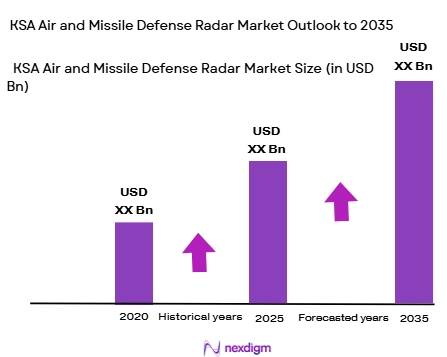
The KSA air and missile defense radar market is valued at approximately USD ~billion in 2024. This market is driven by the Kingdom of Saudi Arabia’s substantial investments in national defense and security systems. KSA is investing heavily in missile defense infrastructure due to growing regional security concerns, particularly with neighboring countries. The demand for advanced radar systems is supported by the country’s defense priorities and technological advancements in radar detection systems that ensure the detection of various aerial threats, such as drones, missiles, and aircraft.
KSA’s defense industry is dominated by Riyadh and Dhahran, which are central hubs for the country’s military infrastructure and defense procurement. Riyadh, as the capital, is home to many defense and government agencies that oversee military strategies, while Dhahran houses military facilities and large defense contractors. These cities are strategic for both military operations and technological innovation, contributing significantly to the demand for air and missile defense radar systems.
Market Segmentation
By System Type (In Value%)
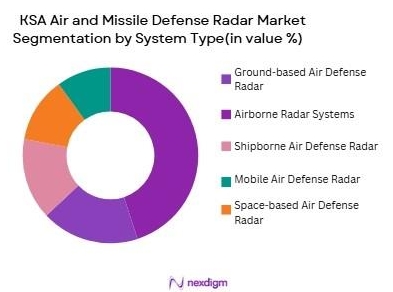
The KSA air and missile defense radar market is segmented by system type into ground-based air defense radar, airborne radar systems, shipborne air defense radar, mobile air defense radar, and space-based radar systems. Ground-based air defense radar dominates the market due to its versatility and widespread application in both defensive and monitoring roles. These systems are installed across military bases, critical infrastructure sites, and defense facilities in KSA. Their ability to provide wide-area coverage and detect a broad spectrum of threats, including missiles and drones, makes them a cornerstone of the country’s defense strategy.
By Platform Type (In Value%)
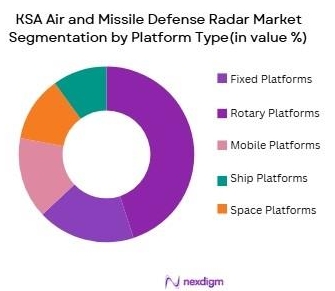
The platform type segment is divided into fixed platforms, rotary platforms, mobile platforms, ship platforms, and space platforms. Fixed platforms are dominant in the KSA air and missile defense radar market. These platforms are preferred for their ability to offer persistent surveillance and early warning capabilities. Fixed radar platforms are commonly deployed at military bases, borders, and key infrastructure sites to protect vital assets from aerial threats. Their stability, accuracy, and long-range detection capabilities make them the most suitable choice for continuous monitoring.
Competitive Landscape
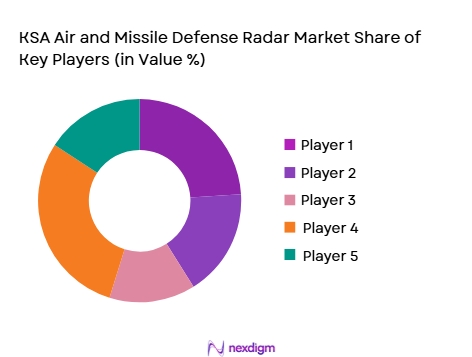
The KSA air and missile defense radar market is dominated by major defense companies, including local and global players like Elbit Systems, Raytheon Technologies, Lockheed Martin, and Saab Group. These players benefit from long-standing relationships with the Saudi Arabian government, which has consistently prioritized defense spending. The market is highly consolidated, with a few key players leading the development and deployment of advanced radar and missile defense systems in the region. Their technological expertise and strong local presence contribute to their dominance in the market.
| Company Name | Year of Establishment | Headquarters | Radar System Expertise | Key Defense Systems | Geographical | Key Partnerships |
| Elbit Systems | 1966 | Haifa, Israel | ~ | ~ | ~ | ~ |
| Raytheon Technologies | 1922 | Waltham, US | ~ | ~ | ~ | ~ |
| Lockheed Martin | 1912 | Bethesda, US | ~ | ~ | ~ | ~ |
| Saab Group | 1989 | Stockholm, Sweden | ~ | ~ | ~ | ~ |
| Israel Aerospace |
1953 | Lod, Israel | ~ | ~ | ~ | ~ |
KSA Air and Missile Defense Radar Market Analysis
Growth Drivers
Urbanization
Indonesia’s rapid urbanization has been a significant growth driver for the air quality monitoring system market. The urban population in Indonesia reached over ~ million in 2024, with cities like Jakarta, Surabaya, and Bandung experiencing high population growth rates. This expansion increases air pollution due to rising vehicular emissions, industrialization, and construction. Urban areas face challenges related to air quality, making it essential to implement monitoring systems. In response, the Indonesian government and private sectors have invested in advanced monitoring systems to safeguard public health.
Industrialization
The industrial sector in Indonesia has grown substantially, accounting for nearly 20% of the country’s GDP in 2024. This growth, especially in manufacturing, energy production, and mining, has led to higher emissions of pollutants, contributing to poor air quality in industrial regions. Cities such as Batam and Surabaya, with high industrial activity, face significant pollution challenges. The need for efficient air quality monitoring systems to manage emissions from industries and meet environmental regulations is increasing, fueling demand for these systems.
Restraints
High Initial Costs
The high initial costs of air quality monitoring systems remain a major restraint to their widespread adoption in Indonesia. Advanced monitoring equipment, including sensors and data management systems, can be prohibitively expensive for small businesses and local governments, especially in rural areas. While the government has initiated funding programs to support such systems, the financial burden remains a barrier for many municipalities and industries. Additionally, the maintenance and operational costs further increase the total cost, hindering broader adoption.
Technical Challenges
The deployment and effective operation of air quality monitoring systems face several technical challenges in Indonesia. Many remote areas still lack the necessary infrastructure to support continuous data transmission, and there are concerns regarding the accuracy of readings due to unreliable calibration methods. Moreover, technical expertise is needed for system setup and maintenance, which is scarce in some areas. The lack of standardized data protocols across the country also limits the consistency and comparability of air quality data, further complicating implementation.
Opportunities
Technological Advancements
Technological advancements in air quality monitoring systems present significant opportunities for growth in Indonesia. In 2024, IoT-based sensors are increasingly used for real-time, cost-effective air quality monitoring in both urban and rural areas. These advancements make it easier to install sensors in previously underserved locations, significantly improving air quality data collection across the country. Moreover, the integration of AI and machine learning into monitoring systems enables more accurate data analysis, enhancing the effectiveness of pollution management strategies.
International Collaborations
International collaborations offer a significant opportunity for the expansion of air quality monitoring systems in Indonesia. In 2024, Indonesia has partnered with global organizations, such as the World Health Organization (WHO) and the United Nations Environment Programmed (UNEP), to improve air quality management. These collaborations bring in financial support, advanced technologies, and expertise that can help Indonesia scale up its monitoring systems and improve air quality across the country, especially in highly polluted areas.
Future Outlook
Over the next decade, the KSA air and missile defense radar market is expected to experience substantial growth, driven by the need for more sophisticated defense systems in the face of regional instability. Saudi Arabia’s continuous investment in military technology, particularly in the realm of air and missile defense, will support the development of next-generation radar systems. The country’s strategic location in the Middle East and its focus on improving its defense capabilities will contribute to a growing demand for these radar systems, particularly as threats such as drones and ballistic missiles continue to rise.
Major Players
- Elbit Systems
- Raytheon Technologies
- Lockheed Martin
- Saab Group
- Israel Aerospace Industries (IAI)
- Northrop Grumman
- Thales Group
- Boeing
- Leonardo
Key Target Audience
- Investments and venture capitalist firms
- Government and regulatory bodies
- Defense contractors and system integrators
- Aerospace manufacturers
- Research and development agencies
- International defense organizations
- Military agencies from countries with defense collaborations with KSA
- Homeland security and defense technology companies
Research Methodology
Step 1: Identification of Key Variables
This step involves identifying key drivers influencing the KSA air and missile defense radar market, such as regional security concerns, defense budgets, and technological advancements. Secondary research will be conducted, including analysis of defense reports and government publications, to understand the key market variables.
Step 2: Market Analysis and Construction
In this phase, we will analyze the historical market data, including previous radar system installations, demand for air and missile defense, and technological developments. Data on procurement patterns, defense budgets, and military strategies will also be evaluated to build a market model that incorporates current and future trends.
Step 3: Hypothesis Validation and Expert Consultation
Hypotheses will be validated through consultations with defense experts, government defense officials, and military representatives. Insights gathered from interviews will help refine the data analysis and ensure the accuracy of market predictions, particularly regarding radar system developments and procurement strategies.
Step 4: Research Synthesis and Final Output
The final step involves synthesizing data from secondary research, expert consultations, and market trends. This will result in a comprehensive report detailing current market dynamics, future growth projections, and insights into the competitive landscape. The final output will be used to inform stakeholders about emerging opportunities in the KSA air and missile defense radar market.

- Executive Summary
- Research Methodology(Definitions, Scope, Industry Assumptions, Market Sizing Approach, Primary & Secondary Research Framework, Data Collection & Verification Protocol, Analytic Models & Forecast Methodology, Limitations & Research Validity Checks)

- Market Definition and Scope
- Value Chain & Stakeholder Ecosystem
- Regulatory / Certification Landscape
- Sector Dynamics Affecting Demand
- Strategic Initiatives & Infrastructure Growth

- Growth Drivers
Technological advancements in radar and missile defense systems
Rising geopolitical tensions and security concerns
Increased defense budgets and investments in national security - Market Challenges
High development and operational costs
Regulatory constraints and export restrictions
Dependence on specialized personnel and skilled workforce - Market Opportunities
Collaborations with international defense organizations
Advancements in radar miniaturization and system integration
Emerging markets in Asia-Pacific and the Middle East - Trends
Development of multi-functional radar systems for air and missile defense
Adoption of artificial intelligence and machine learning for radar system efficiency
Integration of radar systems with next-generation missile defense technologies
Government regulations
International regulations on radar technology export
Defense procurement regulations in Saudi Arabia
Environmental impact regulations for radar system installations - SWOT analysis
Strength: Saudi Arabia’s strong defense capabilities and technological expertise
Weakness: High reliance on international defense contracts
Opportunity: Expansion into new markets with advanced radar technology
Threat: Escalating global tensions leading to unpredictable demand - Porters 5 forces
Threat of new entrants: Low
Bargaining power of suppliers: High
Bargaining power of buyers: Moderate
Threat of substitute products: Low
Industry rivalry: High

- By Market Value ,2020-2025
- By Installed Units ,2020-2025
- By Average System Price ,2020-2025
- By System Complexity Tier ,2020-2025

- By System Type (In Value%)
Ground-based Air and Missile Defense Radar
Airborne Radar Systems
Shipborne Air and Missile Defense Radar
Mobile Air and Missile Defense Radar
Space-based Air and Missile Defense Radar - By Platform Type (In Value%)
Fixed Platforms
Rotary Platforms
Mobile Platforms
Ship Platforms
Space Platforms - By Fitment Type (In Value%)
Standalone Radar Systems
Integrated Radar Systems
Upgraded Radar Systems
Modular Radar Systems
Compact Radar Systems - By EndUser Segment (In Value%)
Government Defense
Commercial Defense Contractors
Private Sector Defense
International Defense Organizations
Research and Development Agencies - By Procurement Channel (In Value%)
Direct Procurement from Manufacturers
Government Procurement
Private Sector Procurement
International Defense Procurement
Leasing and Third-party Procurement

- CrossComparison Parameters(Market Share, Service Type, Technology Adoption, Geographic Presence, Customer Base)
- SWOT Analysis of Key Competitors
- Pricing & Procurement Analysis
- Key Players
Elbit Systems
Rafael Advanced Defense Systems
Israel Aerospace Industries (IAI)
Lockheed Martin
Thales Group
Northrop Grumman
Raytheon Technologies
BAE Systems
Leonardo
Saab Group
Boeing
General Dynamics
L3 Technologies
Harris Corporation
Kongsberg Gruppen

- Government defense agencies expanding missile defense systems
- Private defense contractors involved in radar system integration
- International defense organizations enhancing global radar coverage
- Research and development agencies investing in advanced radar technologies

- Forecast Market Value ,2026-2035
- Forecast Installed Units ,2026-2035
- Price Forecast by System Tier, 2026-2035
- Future Demand by Platform ,2026-2035


 Request a Sample
 Ask for Customization
 Get a Quote
 Enquire Now