
 Download PDF
Market Overview
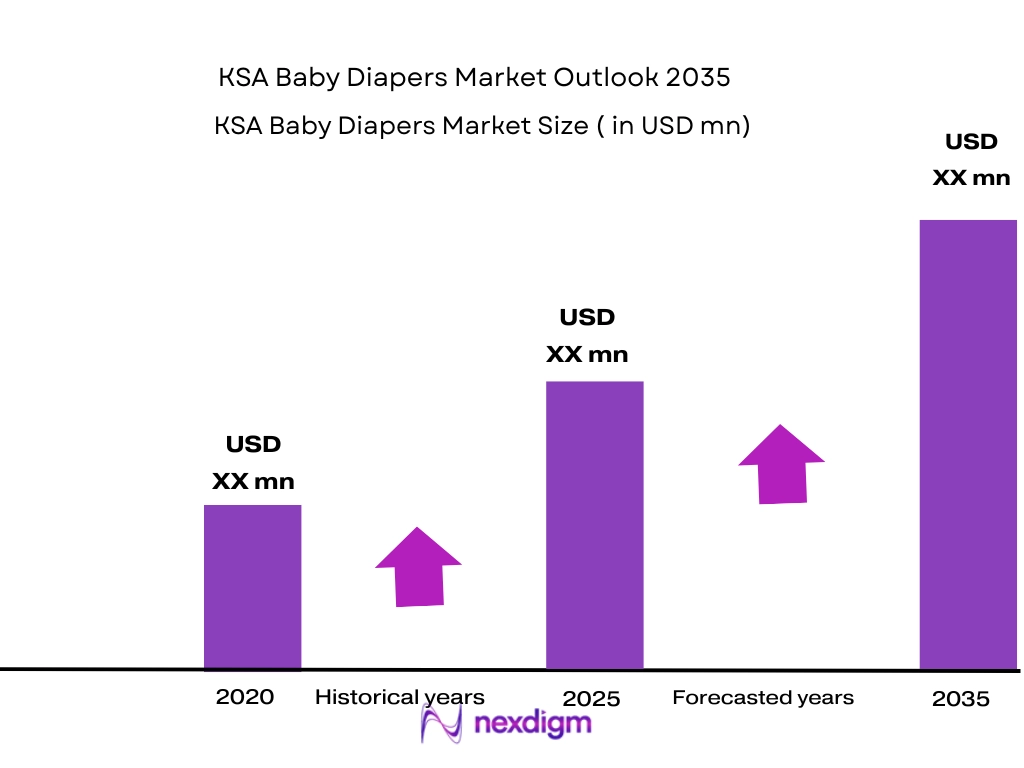
The KSA baby diapers market is valued at USD ~ million, with a steady growth trajectory supported by increasing birth rates, rising disposable incomes, and growing awareness of hygiene. The growing preference for disposable baby diapers is a key driver, as they offer convenience, hygiene, and comfort. This market’s growth is also boosted by the expansion of retail and e-commerce channels, which make baby diapers more accessible to consumers across the country.
Saudi Arabia, particularly cities like Riyadh and Jeddah, dominate the KSA baby diapers market due to their high population density, economic activity, and higher purchasing power. These urban centers account for a significant share of overall demand, driven by factors such as higher disposable income, a large middle-class population, and a concentration of retail and e-commerce outlets. The rapid urbanization and the increasing number of working parents in these cities further accelerate the demand for baby diapers.
Market Segmentation
By Product Type
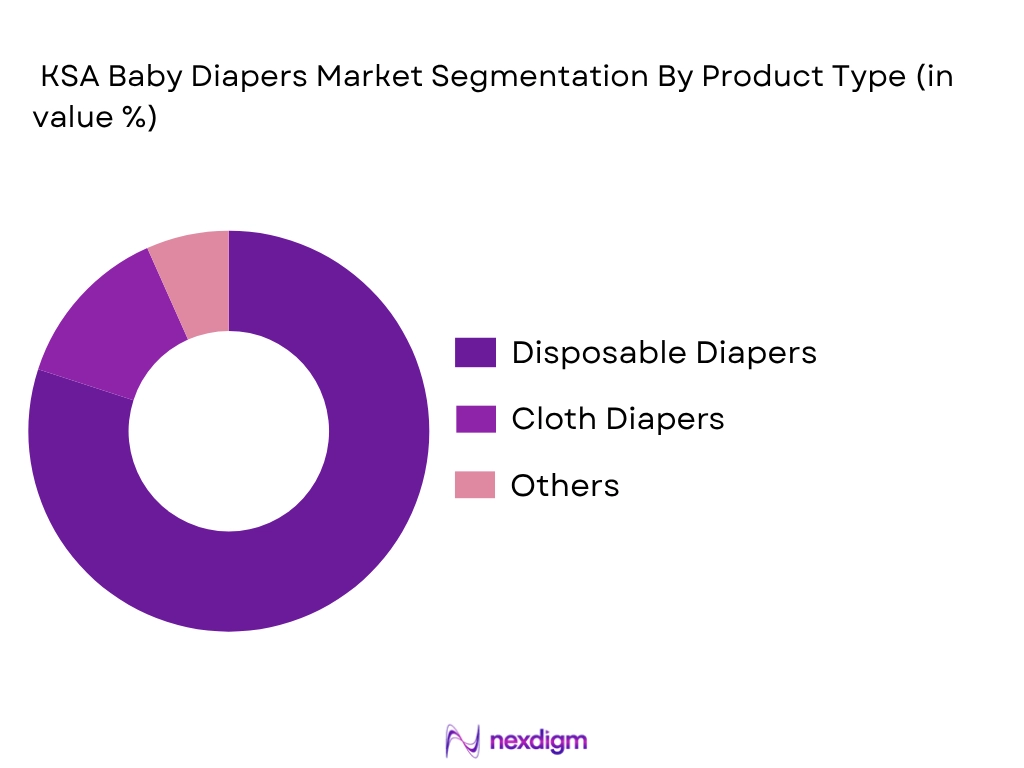
The KSA baby diapers market is segmented by product type into disposable diapers, cloth diapers, and others. Among these, disposable baby diapers hold the dominant market share. The increasing demand for convenience, hygiene, and comfort has led to a consistent rise in the adoption of disposable diapers. Brands such as Pampers and Huggies have established a strong presence, offering advanced features like wetness indicators and breathable materials, further boosting consumer preference. Disposable diapers offer superior comfort, ease of use, and hygiene, making them highly popular among working parents. The ease of availability across retail and online platforms has also contributed to their dominance.
By Size Type
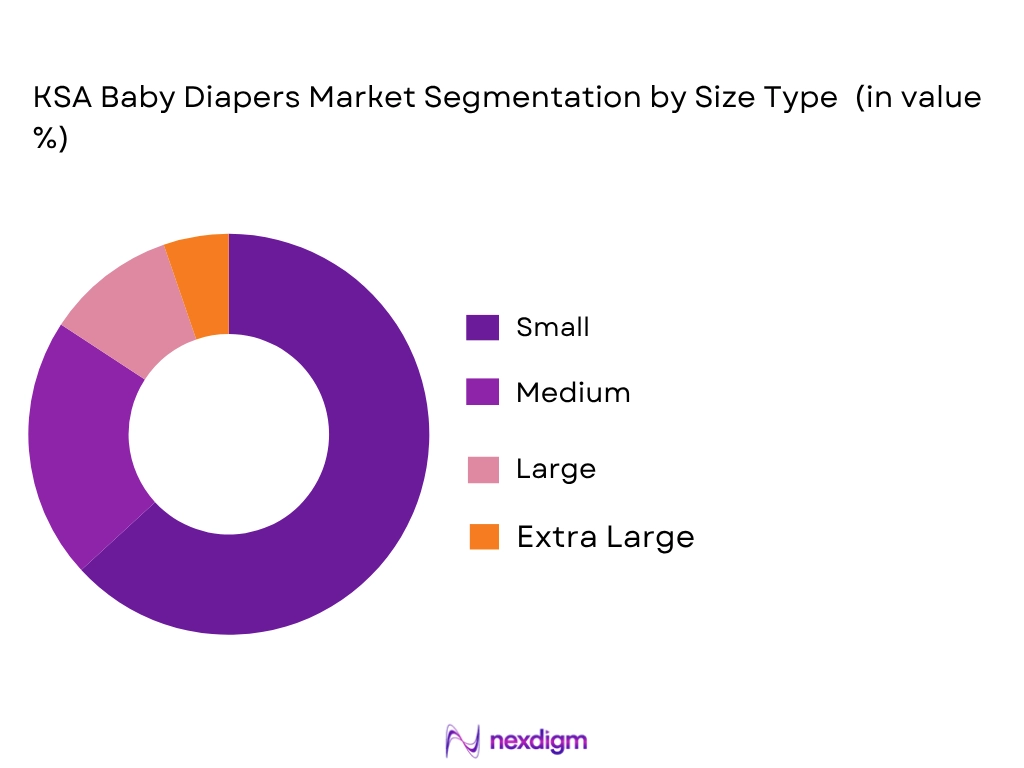
The KSA baby diapers market is segmented by size type into small, medium, large, and extra-large. The medium-sized diapers are expected to have the dominant market share, driven by their suitability for infants and toddlers, which constitute a large portion of the target demographic. As babies grow, their diaper size requirements change, and medium diapers are typically the most used size. Furthermore, the medium-sized segment benefits from the high volume of product offerings and is available in a wide variety of brands and features. This segmentation reflects the needs of the growing population of infants and toddlers in Saudi Arabia.
Competitive Landscape
The KSA baby diapers market is dominated by a few major players, including global giants such as Procter & Gamble, Kimberly-Clark, and Unicharm. These companies have established a strong market presence through extensive distribution networks, brand loyalty, and constant product innovation. In addition, local players also contribute significantly to the market dynamics by providing affordable options for consumers in Saudi Arabia. The competitive environment is characterized by continuous product development, especially with the growing trend of environmentally friendly diapers, which presents opportunities for market differentiation.
| Company | Establishment Year | Headquarters | Revenue (USD) | Product Portfolio | Distribution Channels | Brand Presence | Capacity |
| Procter & Gamble | 1837 | Cincinnati, USA | ~ | ~ | ~ | ~ | ~ |
| Kimberly-Clark | 1872 | Irving, USA | ~ | ~ | ~ | ~ | ~ |
| Unicharm | 1961 | Tokyo, Japan | ~ | ~ | ~ | ~ | ~ |
| Ontex | 1979 | Aalst, Belgium | ~ | ~ | ~ | ~ | ~ |
| SCA Hygiene | 1929 | Stockholm, Sweden | ~ | ~ | ~ | ~ | ~ |
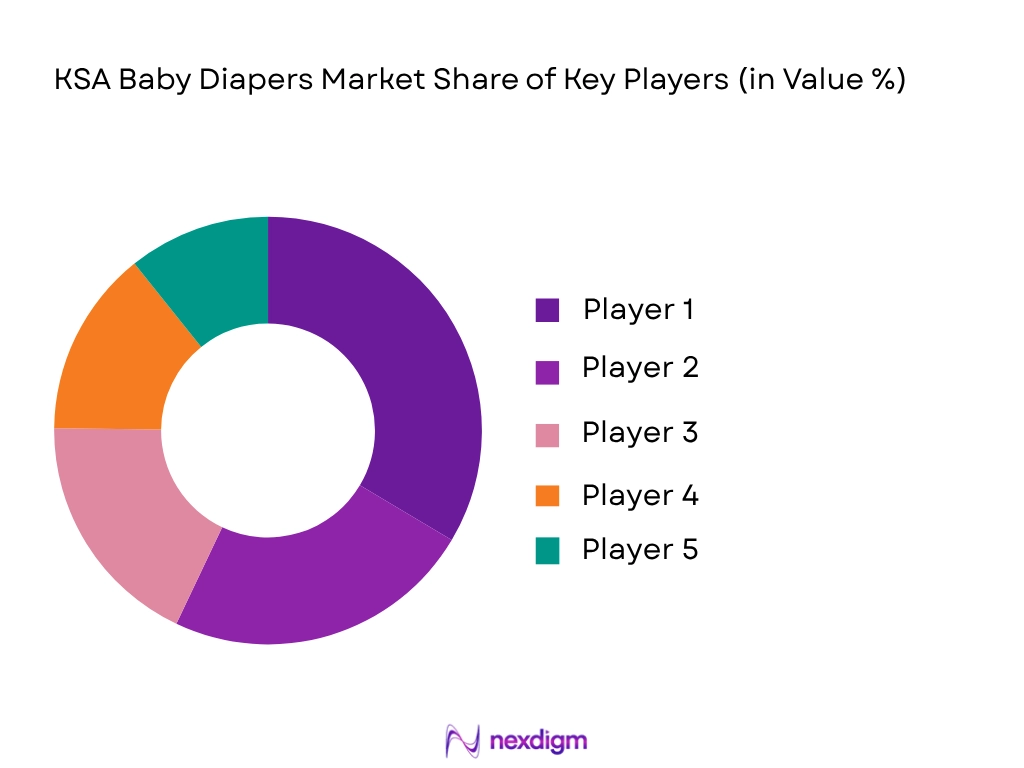
KSA Baby Diapers Market Analysis
Growth Drivers
Increasing Birth Rate
The birth rate in Saudi Arabia has been steadily rising, leading to an increase in demand for baby care products, particularly diapers. With a growing young population, the need for diapers continues to expand, creating a significant market opportunity. As families grow, parents are more likely to invest in high-quality baby diapers, fueling the demand for various types of diapers, including disposable and eco-friendly options. This trend is further supported by the country’s strong healthcare infrastructure, which encourages better health practices for infants, directly contributing to the growing demand for hygiene products like baby diapers.
Rising Awareness About Baby Hygiene
As awareness of hygiene increases, especially among first-time parents, there is greater emphasis on using premium products to ensure the comfort and health of babies. Health and safety concerns regarding diaper rashes, infections, and skin conditions have led to a rise in demand for high-quality diapers. Parents are increasingly opting for products that offer better absorbency, comfort, and skin protection. Additionally, the growing influence of social media and parenting forums plays a role in educating consumers about the importance of baby hygiene, thereby accelerating market growth.
Market Challenges
Fluctuations in Raw Material Prices
The cost of raw materials used in diaper manufacturing, such as fluff pulp and petroleum-based products, is volatile. These fluctuations pose a challenge for diaper manufacturers in Saudi Arabia, as they can significantly affect production costs and profit margins. As a result, companies may face difficulties in maintaining competitive prices, especially in a market that is highly price-sensitive. Increased raw material costs could also lead to price hikes, which may impact consumer purchasing decisions and affect overall market demand.
Competition and Price Sensitivity
The Saudi baby diaper market is highly competitive, with both international and local players fighting for market share. Consumers are becoming more price-sensitive, with many seeking affordable options without compromising on quality. This price sensitivity forces companies to continuously innovate and offer discounts, promotions, and cost-effective products to maintain customer loyalty. The intense competition and pressure to offer value-for-money products challenge the profitability and long-term growth of diaper brands in the region.
Opportunities
Growing Demand for Eco-friendly and Biodegradable Diapers
As consumers become more environmentally conscious, there is a growing demand for eco-friendly and biodegradable baby diapers. This trend aligns with global sustainability movements, and Saudi consumers are increasingly seeking products that reduce their environmental footprint. Manufacturers who invest in developing sustainable diaper solutions can tap into this emerging market. Biodegradable diapers that use plant-based materials and eco-friendly packaging are gaining popularity, offering a significant growth opportunity for brands looking to appeal to environmentally conscious parents.
Expansion of Distribution Channels and Online Retail
The expansion of online retail channels presents a significant opportunity for growth in the Saudi baby diapers market. E-commerce platforms make it easier for consumers to purchase diapers at their convenience, offering a wider range of products compared to traditional retail outlets. Additionally, with increasing internet penetration and smartphone usage in Saudi Arabia, more consumers are turning to online shopping for baby products. Companies that enhance their digital presence and develop robust distribution networks can tap into this growing trend, reaching a broader audience and improving sales performance.
Future Outlook
Over the next 5 years, the KSA baby diapers market is expected to experience steady growth, driven by increasing urbanization, higher disposable incomes, and the evolving preferences of parents. Factors such as rising awareness of baby hygiene, the growing number of working parents, and the expanding retail and e-commerce platforms will continue to fuel demand. Moreover, the market will likely witness innovations in product formulations, with eco-friendly and biodegradable diapers gaining popularity. The ongoing shift toward premium, sustainable products and the rise of subscription-based services will further contribute to the market’s growth.
Major Players
- Procter & Gamble
- Kimberly-Clark
- Unicharm
- Ontex
- SCA Hygiene
- Hengan International
- Johnson & Johnson
- Molfix
- Domtar
- First Quality Enterprises
- Hayat Kimya
- Kao Corporation
- Johnson’s Baby
- Drylock Technologies
- Medline Industries
Key Target Audience
- Investments and Venture Capitalist Firms
- Government and Regulatory Bodies
- Baby Diaper Manufacturers
- Retail Chains and Supermarket Chains
- E-commerce Platforms
- Baby Product Distributors
- Healthcare Providers (Pediatricians, Hospitals)
- Supply Chain and Logistics Companies
Research Methodology
Step 1: Identification of Key Variables
In this phase, we identify key market drivers and constraints, such as consumer behavior, regulatory frameworks, and product innovation. This is achieved by utilizing secondary research and proprietary data sources to establish the foundational factors influencing the KSA baby diapers market.
Step 2: Market Analysis and Construction
We analyze historical market data, focusing on key factors such as revenue, growth rate, and consumer adoption patterns. By reviewing sales performance and identifying product trends, we evaluate the overall dynamics of the market, highlighting growth areas and challenges.
Step 3: Hypothesis Validation and Expert Consultation
Expert consultations are conducted with industry practitioners, including manufacturers, retailers, and market analysts. These interviews offer insights into consumer behavior, emerging trends, and challenges faced by the market players. This validation process ensures the accuracy of market forecasts and hypotheses.
Step 4: Research Synthesis and Final Output
The final phase combines primary data from industry experts with secondary research to synthesize a comprehensive analysis. We refine market segmentation, identify key competitors, and assess future growth potential to produce an actionable and validated report on the KSA baby diapers market.

- Executive Summary
- Research Methodology (Market Definitions and Assumptions, Abbreviations, Market Sizing Approach, Consolidated Research Approach, Understanding Market Potential Through In-Depth Industry Interviews, Primary Research Approach, Limitations and Future Conclusions)

- Definition and Scope
- Market Dynamics Overview
- Market Genesis
- Major Players and Market Timeline
- Business Cycle and Trends
- Supply Chain and Value Chain Analysis

- Growth Drivers
Increasing Birth Rate
Rising Awareness About Baby Hygiene
Increase in Disposable Income
Higher Adoption of Disposable Diapers
Growing Demand for Eco-friendly Baby Diapers - Market Challenges
Fluctuations in Raw Material Prices
Competition and Price Sensitivity
Regulatory Compliance and Quality Assurance
Consumer Preference for Affordable Products - Opportunities
Growing Demand for Eco-friendly and Biodegradable Diapers
Expansion of Distribution Channels and Online Retail
Innovative Product Offerings and Sustainable Packaging
Increasing Focus on Comfort and Skin Care - Key Trends
Shift Toward Premium and Organic Baby Diapers
Increasing Preference for Bio-based and Sustainable Materials
Rising Demand for Diapers with Added Features (e.g., Wetness Indicators, Extra Absorbency)
Growing Popularity of Subscription Services for Baby Products - Government Regulations
- SWOT Analysis
- Porter’s Five Forces

- By Value, 2020–2025
- By Volume, 2020–2025
- By Average Price, 2020–2025

- By Product Type (In Value %)
Disposable Baby Diapers
Cloth Baby Diapers
Others - By Size Type (In Value %)
Small
Medium
Large
Extra Large - By Age Group (In Value %)
Newborn
Infant
Toddler
Preschool - By Distribution Channel (In Value %)
Direct Sales
Retail Pharmacies
Supermarkets and Hypermarkets
Online Channels
Convenience Stores - By Region (In Value %)
Riyadh
Jeddah
Eastern Province
Western Region
Other Regions

- Market Share of Major Players by Value/Volume
- Market Share of Major Players by Product Type
- Cross Comparison Parameters(Company Overview, Business Strategies, Recent Developments, Strengths, Weaknesses, Organizational Structure, Revenues, Revenues by Product Type, Number of Touchpoints, Distribution Channels, Number of Dealers and Distributors, Margins, Production Plants, Capacity, Unique Value Offering, and Others)
- SWOT Analysis of Major Players
- Pricing Analysis Based on Product Categories for Major Players
- Detailed Profiles of Major Companies
Procter & Gamble (Pampers)
Kimberly-Clark (Huggies)
Unicharm Corporation
Johnson & Johnson (Merries)
Henkel AG & Co.
Domtar Corporation
Ontex Group NV
The Honest Company
Chicco (Artsana SpA)
SCA Hygiene Products
Kao Corporation (Merries)
Essity AB (Libero)
Hengan International Group
First Quality Enterprises
Drylock Technologie

- Market Demand and Utilization
- Purchasing Power and Budget Allocations
- Regulatory and Compliance Requirements
- Needs, Desires, and Pain Point Analysis
- Decision-Making Process

- By Value, 2026–2035
- By Volume, 2026–2035
- By Average Price, 2026–2035


 Request a Sample
 Ask for Customization
 Get a Quote
 Enquire Now