
 Download PDF
Market Overview
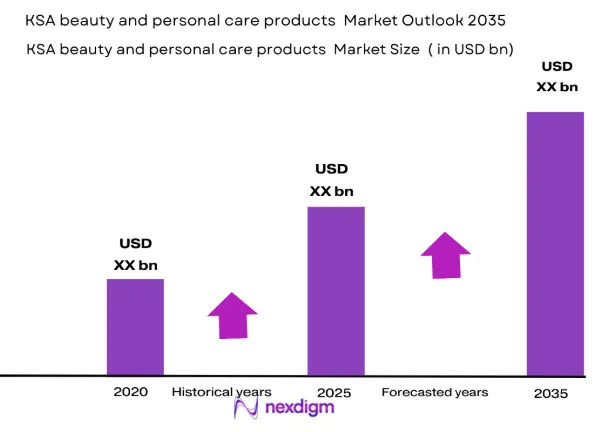
The KSA Beauty and Personal Care Products market is valued at approximately USD ~ billion, based on industry data reported by Statista and Saudi Food and Drug Authority. The market reached around USD 5.4 billion previously, reflecting strong expansion driven by high per capita spending on grooming and cosmetics. Growth is supported by rising disposable income, increased participation of women in the workforce, and strong demand for premium skincare and fragrances, particularly in urban populations with evolving lifestyle preferences.
Major urban centers such as Riyadh, Jeddah, and Dammam dominate the market due to higher purchasing power, modern retail infrastructure, and greater exposure to international brands. Additionally, Saudi Arabia stands as the leading country within the GCC beauty market due to its large youth population and strong cultural emphasis on personal grooming, especially in fragrances and skincare products, which remain deeply embedded in consumer habits.
Market Segmentation
By Product Type
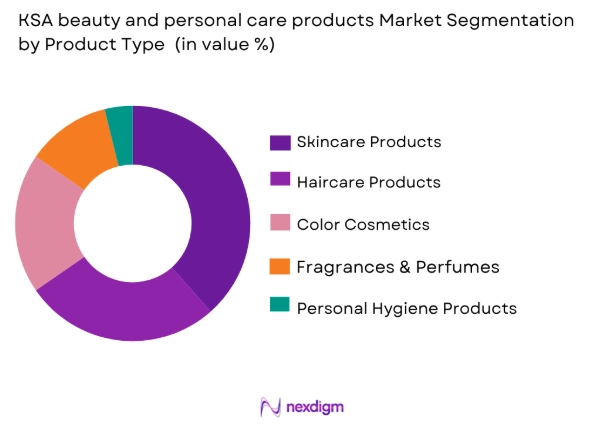
The KSA Beauty & Personal Care Products market is segmented into skincare products, haircare products, color cosmetics, fragrances & perfumes, personal hygiene products, and men’s grooming products. Skincare products dominate the market due to increasing consumer awareness about skin health, rising demand for anti-aging solutions, and the growing popularity of dermatologically tested products. The harsh climatic conditions in Saudi Arabia, including high temperatures and dry environments, further drive the need for hydration and protection-based skincare. Additionally, premium skincare brands have expanded significantly through both physical retail and online platforms, enhancing accessibility and consumer trust, thereby reinforcing the dominance of this segment.
By Gender Type
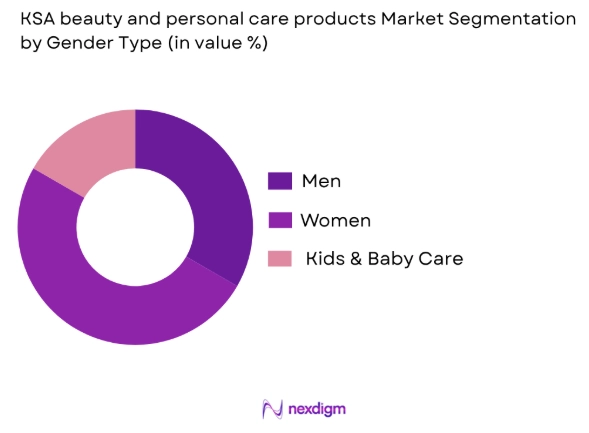
The KSA Beauty & Personal Care Products market is segmented into women, men, and kids & baby care. The women segment dominates due to higher product usage across skincare, cosmetics, and fragrances, driven by strong grooming awareness and lifestyle preferences. Men’s grooming is witnessing steady growth as awareness around personal care increases, supported by expanding product offerings. The kids & baby care segment is driven by rising demand for safe, dermatologically tested products. Premiumization trends are influencing all segments, particularly among women. Increasing household income levels continue to support spending across categories.
Competitive Landscape
The KSA Beauty & Personal Care Products market is moderately consolidated, with strong competition between global conglomerates and regional fragrance specialists. Companies such as L’Oréal Group, Unilever, and Procter & Gamble maintain significant influence due to their extensive product portfolios and distribution networks. Meanwhile, regional players such as Arabian Oud and Ajmal Perfumes dominate the fragrance segment, reflecting strong cultural preferences.
| Company | Establishment Year | Headquarters | Product Portfolio | Distribution Strength | Brand Positioning | Innovation Focus | Regional Presence | Digital Strategy |
| L’Oréal Group | 1909 | France | ~ | ~ | ~ | ~ | ~ | ~ |
| Unilever | 1929 | UK | ~ | ~ | ~ | ~ | ~ | ~ |
| Procter & Gamble | 1837 | USA | ~ | ~ | ~ | ~ | ~ | ~ |
| Estée Lauder Companies | 1946 | USA | ~ | ~ | ~ | ~ | ~ | ~ |
| Arabian Oud | 1982 | Saudi Arabia | ~ | ~ | ~ | ~ | ~ | ~ |
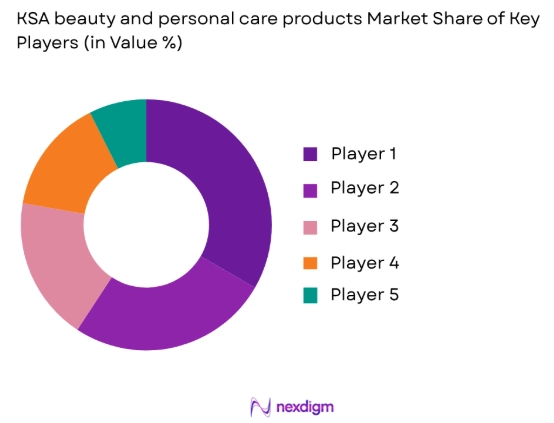
KSA Beauty & Personal Care Products Market Analysis
Growth Drivers
Increasing Disposable Income and Urbanization
Rising disposable income levels in Saudi Arabia have significantly enhanced consumer spending on discretionary categories such as beauty and personal care. Urbanization has led to lifestyle shifts, with a growing population residing in cities like Riyadh and Jeddah, where exposure to global beauty trends is higher. Consumers in urban centers prioritize grooming and wellness, leading to increased purchases of skincare, cosmetics, and fragrances. Additionally, the expansion of modern retail infrastructure, including malls and specialty stores, has improved product accessibility. The increasing participation of women in the workforce further contributes to higher spending on personal care products, reinforcing consistent demand growth across multiple product categories in the market.
Rising Demand for Premium and Luxury Beauty Products
The demand for premium and luxury beauty products in Saudi Arabia is growing due to evolving consumer preferences and higher purchasing power. Consumers are increasingly inclined toward high-quality, branded products that offer advanced formulations and visible results. International brands such as L’Oréal Group and Estée Lauder Companies have expanded their premium product portfolios in the region to cater to this demand. Additionally, the cultural importance of fragrances, especially oud-based perfumes, drives the luxury segment significantly. Consumers are also influenced by product exclusivity, packaging aesthetics, and brand reputation, leading to increased spending on high-end skincare and cosmetics, particularly among affluent urban populations seeking personalized and premium beauty experiences.
Market Challenges
Stringent Regulatory and Import Policies
The KSA beauty and personal care market operates under strict regulatory frameworks governed by authorities such as the Saudi Food and Drug Authority. These regulations require detailed product registration, ingredient disclosures, and compliance with safety standards, which can delay product launches and increase operational costs for companies. Import restrictions and mandatory certification processes create additional barriers for international brands entering the market. Companies must also ensure adherence to halal standards and labeling requirements, adding complexity to supply chain management. These regulatory challenges can limit market entry for smaller players and increase compliance costs, ultimately affecting product pricing and availability within the domestic market.
High Competition from Global Brands
The KSA beauty and personal care market is highly competitive, with strong presence from global players such as Unilever and Procter & Gamble. These companies have established brand recognition, extensive distribution networks, and large marketing budgets, making it difficult for new entrants to gain traction. Local and regional brands also compete aggressively, particularly in the fragrance segment. Continuous product innovation, frequent product launches, and promotional campaigns intensify competition. As a result, companies must invest heavily in branding, digital marketing, and customer engagement strategies to maintain market share, which can reduce profit margins and increase operational pressure across the industry.
Market Opportunities
Expansion of Halal and Organic Beauty Products
The growing demand for halal-certified and organic beauty products presents a significant opportunity in the Saudi market. Consumers are increasingly seeking products that align with cultural and religious values, as well as those that are free from harmful chemicals. Brands that obtain halal certification and promote natural ingredients can gain a competitive advantage. Regulatory support and consumer trust further strengthen this segment. Companies are investing in research and development to create innovative formulations using plant-based ingredients, catering to health-conscious consumers. This trend is expected to drive product differentiation and encourage both local and international brands to expand their halal and organic product portfolios in the market.
Growth of E-commerce and Digital Retail Channels
The rapid growth of e-commerce platforms in Saudi Arabia is transforming the distribution landscape of beauty and personal care products. Online channels provide consumers with convenience, wider product selection, and access to international brands. Platforms such as Amazon and Noon have expanded their beauty product offerings significantly. Digital marketing, influencer collaborations, and targeted advertising further enhance product visibility and consumer engagement. The increasing use of smartphones and internet penetration supports online shopping behavior. As a result, brands are investing in omnichannel strategies to integrate physical and digital retail, improving customer experience and driving sales growth across the market.
Future Outlook
The KSA Beauty & Personal Care Products market is expected to demonstrate steady expansion over the forecast period, supported by evolving consumer preferences and increasing digital adoption. Rising awareness regarding skincare routines and wellness will continue to drive demand across premium segments. Additionally, the integration of technology such as AI-based skin analysis and personalized product recommendations is expected to reshape the retail landscape.
Major Players
- L’Oréal Group
- Unilever
- Procter & Gamble
- Estée Lauder Companies
- Beiersdorf AG
- Coty Inc.
- Shiseido Company
- Johnson & Johnson
- Amorepacific Corporation
- Chanel
- Dior Beauty
- Arabian Oud
- Ajmal Perfumes
- Abdul Samad Al Qurashi
- Natura &Co
Key Target Audience
- Beauty and personal care product manufacturers
- Retail chains and distributors
- E-commerce platform operators
- Investments and venture capitalist firms
- Government and regulatory bodies
- Luxury and premium brand owners
- Fragrance and cosmetics importers
- Digital marketing and influencer agencies
Research Methodology
Step 1: Identification of Key Variables
The initial phase involves constructing an ecosystem map encompassing all major stakeholders within the KSA Beauty & Personal Care Products Market. Extensive desk research is conducted using industry databases, company reports, and regulatory publications to identify critical variables influencing demand, supply, and pricing dynamics across segments.
Step 2: Market Analysis and Construction
This phase includes compiling historical market data, analyzing consumption patterns, and evaluating revenue generation across product categories. Market penetration levels, distribution networks, and pricing strategies are assessed to ensure accuracy in estimating total market size and segmentation.
Step 3: Hypothesis Validation and Expert Consultation
Market assumptions are validated through interviews with industry professionals, including manufacturers, distributors, and retail experts. These consultations provide insights into operational challenges, consumer behavior, and future growth prospects, helping refine the data model.
Step 4: Research Synthesis and Final Output
The final stage integrates findings from both primary and secondary research. Data triangulation techniques are applied to ensure consistency and reliability. The output delivers a comprehensive and validated analysis of the KSA Beauty & Personal Care Products market.

- Executive Summary
- Research Methodology (Definitions, Scope, Industry Assumptions, Market Sizing Approach, Primary & Secondary Research Framework, Data Collection & Verification Protocol, Analytic Models & Forecast Methodology, Limitations & Research Validity Checks)

- Market Definition and Scope
- Value Chain & Stakeholder Ecosystem
- Regulatory / Certification Landscape (SFDA, Halal Compliance, Import Regulations)
- Sector Dynamics Affecting Demand

- Growth Drivers
Increasing Disposable Income and Urbanization
Growing Awareness of Skincare and Grooming
Rising Demand for Premium and Luxury Beauty Products
Influence of Social Media and Beauty Influencers - Market Challenges
Stringent Regulatory and Import Policies
High Competition from Global Brands
Price Sensitivity in Mass Segment
Counterfeit Products in the Market - Market Opportunities
Expansion of Halal and Organic Beauty Products
Growth of E-commerce and Digital Retail Channels
Increasing Demand for Men’s Grooming Products
Innovation in Personalized Beauty Solutions - Trends
Rising Popularity of Clean Beauty and Sustainability
Growth in Fragrance and Oud-Based Products
Increasing Demand for Anti-Aging and Dermatological Skincare
Adoption of AI and AR in Beauty Retail
- Government Regulations
Saudi Food & Drug Authority (SFDA) Guidelines
Import and Labeling Regulations
Halal Certification Requirements
Product Safety and Compliance Standards - SWOT Analysis
- Porter’s Five Forces Analysis

- By Market Value, 2020–2025
- By Volume Consumption, 2020–2025
- By Average Product Price, 2020–2025
- By Product Premiumization Trends, 2020–2025

- By Product Type (In Value%)
Skincare Products
Haircare Products
Color Cosmetics
Fragrances & Perfumes
Personal Hygiene Products
- By Gender (In Value%)
Women
Men
Kids & Baby Care - By Category (In Value%)
Premium Products
Mass Products
Organic / Natural Products
Halal-Certified Products - By Distribution Channel (In Value%)
Supermarkets & Hypermarkets
Specialty Beauty Stores
Pharmacies
Online Retail / E-commerce
Direct Selling

- Market Share Analysis
- Cross Comparison Parameters (Product Innovation, Pricing Strategy, Distribution Network, Brand Positioning, Digital Presence, Product Portfolio, Halal Certification, Sustainability Practices, Customer Loyalty Programs, Packaging Innovation, Retail Expansion, Influencer Marketing, Omnichannel Strategy)
- SWOT Analysis of Key Competitors
- Pricing & Procurement Analysis
- Key Players
L’Oréal Group
Unilever
Procter & Gamble
Estée Lauder Companies
Beiersdorf AG
Coty Inc.
Shiseido Company
Johnson & Johnson
Amorepacific Corporation
Chanel
Dior Beauty
Arabian Oud
Ajmal Perfumes
Abdul Samad Al Qurashi

- Growing Demand from Female Consumers
- Rising Adoption of Grooming Products Among Men
- Increasing Demand for Baby and Child Care Products
- Changing Consumer Preferences Toward Premium and Organic Products

- By Market Value, 2026–2035
- By Volume Consumption, 2026–2035
- By Average Product Price, 2026–205
- By Product Premiumization Trends, 2026–2035


 Request a Sample
 Ask for Customization
 Get a Quote
 Enquire Now