
 Download PDF
Market overview
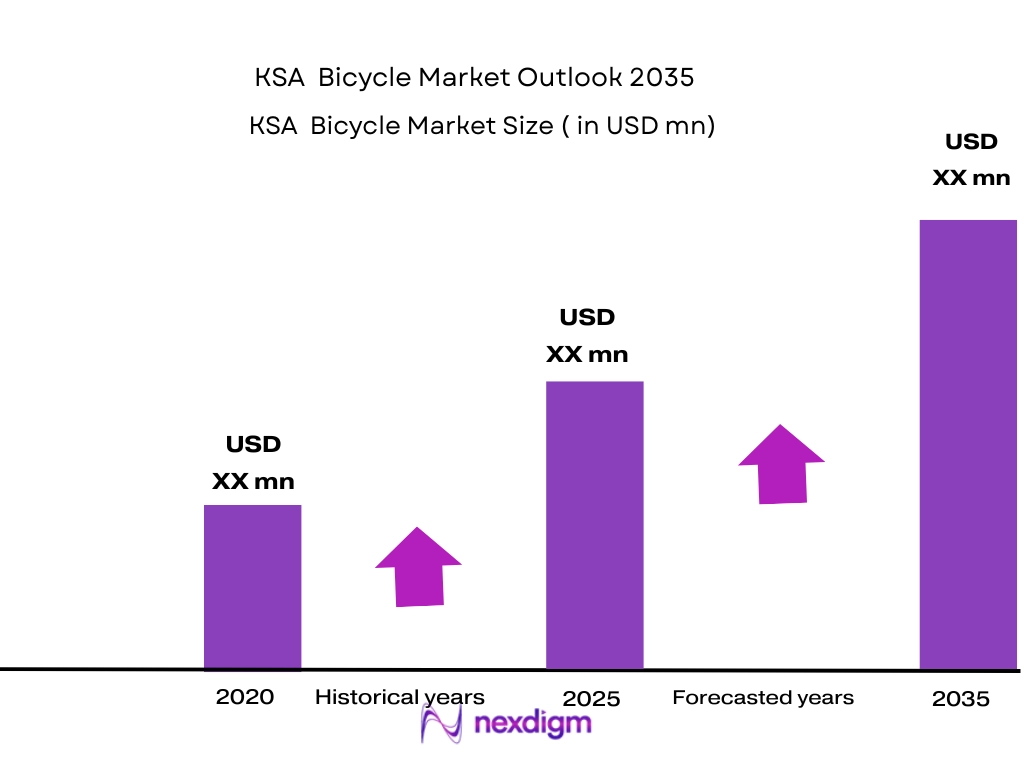
The KSA Bicycle Market is witnessing significant growth, driven by a surge in demand for eco-friendly transportation, urban mobility solutions, and health-conscious lifestyles. Based on a recent historical assessment, the market size for 2024 is expected to reach approximately USD ~ million. This growth is supported by government initiatives promoting cycling as a sustainable alternative to traditional transport, the rising popularity of fitness activities, and the expanding availability of cycling infrastructure across major cities in the kingdom. The market’s expansion is further fueled by technological innovations in electric bicycles and smart cycling solutions.
Key cities such as Riyadh, Jeddah, and Dammam are leading the market due to their large urban populations and increasing investments in cycling infrastructure. These cities are capitalizing on government initiatives aimed at transforming them into more sustainable and cyclist-friendly environments. Additionally, the growing emphasis on health and wellness, as well as the push towards reducing carbon emissions, has created favorable conditions for the market to thrive. Urban mobility plans are increasingly focused on improving public spaces for cycling, making these cities pivotal in the expansion of the bicycle market.
Market Segmentation
By Bicycle Type
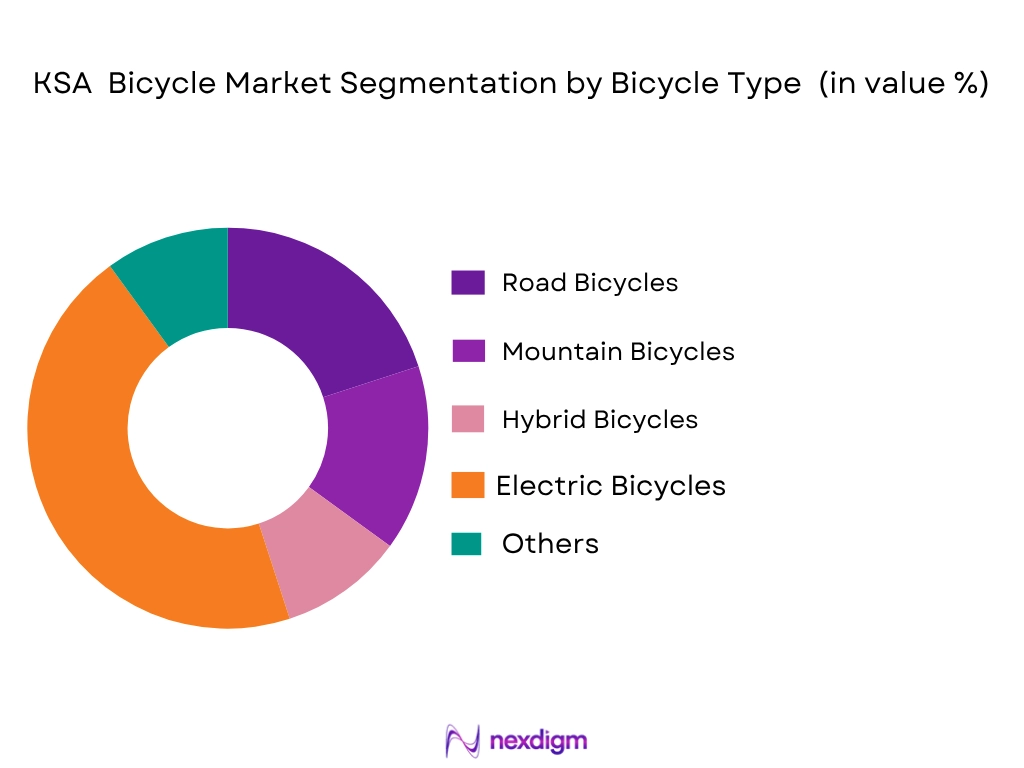
The KSA Bicycle Market is segmented by product type into road bicycles, mountain bicycles, hybrid bicycles, electric bicycles, and others. Recently, electric bicycles have garnered a dominant market share due to factors such as the increasing focus on sustainable transportation and the rising demand for eco-friendly commuting options. The convenience and ease of use of e-bikes, along with growing awareness of their environmental benefits, have significantly contributed to their adoption. As cities enhance their cycling infrastructure and encourage green mobility, e-bikes have become a preferred choice among urban commuters and recreational riders alike.
By Distribution Channel
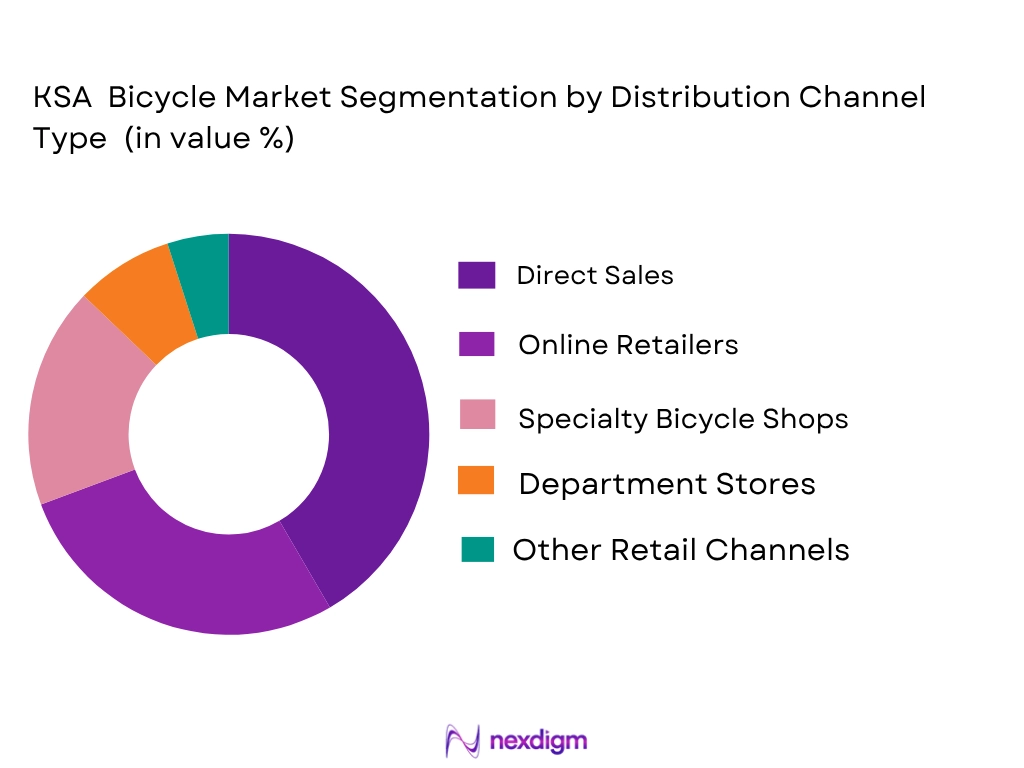
The market is segmented by distribution channels into direct sales, online retailers, specialty bicycle shops, department stores, and other retail channels. Recently, online retail platforms have captured a dominant market share, largely driven by the convenience of purchasing bicycles and accessories from home. E-commerce has become increasingly popular due to its competitive pricing, wider selection, and easy access to customer reviews. This channel’s dominance is further bolstered by the growing trend of digitalization in retail and the rise of home delivery services, which have made purchasing bicycles more accessible to a broader audience.
Competitive Landscape
The KSA Bicycle Market is characterized by a competitive landscape marked by the presence of both international and local players, leading to consolidation and strategic partnerships. Major brands and manufacturers continue to drive the market’s growth through the introduction of advanced products such as electric bikes and smart cycling technologies. The market also sees the emergence of smaller, niche players offering tailored bicycle solutions, particularly in urban mobility. The influence of key players is critical in shaping the product offerings and expanding the market reach, contributing to a competitive yet collaborative environment.
| Company Name | Establishment Year | Headquarters | Technology Focus | Market Reach | Key Products | Revenue | Market-specific Parameter |
| Trek Bicycle Corporation | 1976 | USA | ~ | ~ | ~ | ~ | ~ |
| Giant Bicycles | 1972 | Taiwan | ~ | ~ | ~ | ~ | ~ |
| Specialized Bicycle Components | 1974 | USA | ~ | ~ | ~ | ~ | ~ |
| Merida Industry Co. Ltd. | 1972 | Taiwan | ~ | ~ | ~ | ~ | ~ |
| Shimano Inc. | 1921 | Japan | ~ | ~ | ~ | ~ | ~ |

KSA Bicycle Market Analysis
Growth Drivers
Urban Mobility Transformation
The urban mobility transformation is a key growth driver for the KSA Bicycle Market. With Saudi Arabia’s push towards sustainable cities, cycling has become an integral part of the urban transportation ecosystem. The government has been actively investing in infrastructure projects to make cities more bicycle-friendly, such as dedicated bike lanes, parking stations, and cycling events. These initiatives align with the broader goals of reducing carbon emissions, alleviating traffic congestion, and improving public health. This government support for cycling infrastructure has significantly boosted the adoption of bicycles in cities like Riyadh, Jeddah, and Dammam. Moreover, the cultural shift towards eco-friendly and health-conscious lifestyles has further increased demand for bicycles as an alternative mode of transport. As a result, urban mobility transformation is expected to continue driving growth in the bicycle market.
Rising Health and Fitness Awareness
The growing awareness of health and fitness is another significant driver of the KSA Bicycle Market. As more individuals seek to incorporate physical activity into their daily routines, cycling has emerged as an accessible and effective form of exercise. The increasing focus on wellness, particularly among younger generations, has contributed to the popularity of bicycles as a fitness tool. Additionally, the rise of cycling events, such as races and marathons, has further fueled the demand for both recreational and professional-grade bicycles. With a greater emphasis on maintaining an active lifestyle, individuals in Saudi Arabia are increasingly turning to bicycles for fitness, contributing to the market’s growth.
Market Challenges
High Import Dependence
One of the primary challenges facing the KSA Bicycle Market is the high dependency on imports for bicycle manufacturing and components. Despite the growing demand for bicycles in the region, the local manufacturing capacity for bicycles and bicycle parts is limited. This reliance on imports has led to higher production costs and longer lead times, making bicycles more expensive for consumers. Moreover, fluctuations in global trade policies, tariffs, and transportation costs can disrupt the supply chain and impact the market. To reduce dependence on imports, Saudi Arabia would need to invest in local manufacturing and develop a robust bicycle production ecosystem. Until then, this challenge will remain a significant hurdle to market expansion.
Regulatory Compliance and Safety Standards
Regulatory compliance and safety standards pose another challenge for the KSA Bicycle Market. The absence of unified regulations regarding bicycle safety and quality standards can result in inconsistent product offerings. Bicycle manufacturers must adhere to global safety standards, but the lack of stringent local guidelines complicates the regulatory landscape. Additionally, manufacturers must also navigate evolving environmental regulations concerning the disposal and recycling of bicycles and bicycle components. As demand for bicycles grows, ensuring that products meet safety and sustainability requirements while maintaining affordability remains a challenge for both local and international players.
Opportunities
Expansion of Electric Bicycle Market
One of the key opportunities in the KSA Bicycle Market is the rapid growth of the electric bicycle (e-bike) segment. As urban areas continue to expand, the demand for efficient, eco-friendly transportation solutions is on the rise. E-bikes offer an attractive solution for commuters who wish to reduce their carbon footprint while benefiting from the convenience and speed of electric-powered bicycles. Government incentives, along with the development of bike-sharing programs and charging infrastructure, are expected to further fuel the adoption of e-bikes. As technology advances, e-bikes are becoming more affordable and efficient, opening up new opportunities for both manufacturers and consumers.
Cycling Infrastructure Development
The ongoing development of cycling infrastructure presents a significant opportunity for the KSA Bicycle Market. With the government’s commitment to enhancing urban mobility, significant investments are being made in building dedicated cycling lanes, bike-sharing systems, and public bicycle parking areas. These investments will not only make cycling safer and more accessible but also create an environment conducive to cycling as a primary mode of transport. As cycling infrastructure improves, the market is expected to see increased adoption, particularly in major cities like Riyadh and Jeddah, where traffic congestion and air pollution are pressing issues. The expansion of cycling infrastructure represents a promising opportunity for both established players and new entrants in the market.
Future Outlook
The future outlook of the KSA Bicycle Market remains positive, with expected growth driven by government initiatives, technological advancements, and increasing demand for eco-friendly transportation. Over the next five years, the market will benefit from continued investments in cycling infrastructure, such as dedicated bike lanes and public bike-sharing programs. Technological developments in electric bicycles and smart cycling solutions will also play a crucial role in shaping the market’s future. As urban mobility trends continue to evolve, the bicycle market in Saudi Arabia is poised to expand rapidly, with more individuals turning to cycling as a viable and sustainable alternative for both commuting and recreation.
Major Players
- Trek Bicycle Corporation
- Giant Bicycles
- Specialized Bicycle Components
- Merida Industry Co. Ltd.
- Shimano Inc.
- Cannondale Bicycle Corporation
- Bianchi
- Fuji Bikes
- Raleigh Bicycle Company
- Schwinn Bikes
- Canyon Bicycles
- Scott Sports
- Bulls Bikes
- Orbea
- GT Bicycles
Key Target Audience
- Investments and venture capitalist firms
- Government and regulatory bodies
- Bicycle manufacturers and suppliers
- Retailers and e-commerce platforms
- Urban planning authorities
- Fitness and wellness organizations
- Cycling event organizers
- Environmental organizations
Research Methodology
Step 1: Identification of Key Variables
Key market variables, including product types, distribution channels, and technological trends, were identified based on primary and secondary research sources.
Step 2: Market Analysis and Construction
Market size, segmentation, and growth projections were analyzed using data from industry reports, expert consultations, and market surveys.
Step 3: Hypothesis Validation and Expert Consultation
The initial market model and hypotheses were validated through consultations with industry experts, manufacturers, and distributors.
Step 4: Research Synthesis and Final Output
The final report synthesizes findings from research, including key drivers, challenges, and opportunities, to provide actionable insights for stakeholders.

- Executive Summary
- Research Methodology (Market Definitions and Assumptions, Abbreviations, Market Sizing Approach, Consolidated Research Approach, Understanding Market Potential Through In-Depth Industry Interviews, Primary Research Approach Limitations and Future Conclusions)

- Definition and Scope
- Market Dynamics Overview
- Market Genesis
- Major Players and Market Timeline
- Business Cycle and Trends
- Supply Chain and Value Chain Analysis

- Growth Drivers
Urban Mobility Transformation:
Government Initiatives to Promote Cycling
Rising Popularity of Cycling as an Eco-Friendly Transport Option
Expansion of Cycling Infrastructure in Cities
Growth in E-Bike Adoption - Market Challenges
High Import Dependence
Rising Health and Fitness Awareness
Limited Availability of Cycling Infrastructure
Competition from Other Modes of Transportation
Urban Mobility Transformation - Opportunities
High Import Dependence
Regulatory Compliance and Safety Standards
Expansion of Bicycle Sharing Programs
Increasing Investment in Bicycle Infrastructure - Trends
Expansion of Electric Bicycle Market
Cycling Infrastructure Development
Increasing Focus on Bicycle Safety and Protection
Expansion of Online and Direct-to-Consumer Sales Models
Adoption of Smart Cycling Technology - Government Regulations
Import and Product Quality Regulations
Bicycle Safety Standards and Guidelines
Transport and Mobility Policies
Environmental Regulations
Health and Fitness Promotion Policies - SWOT Analysis
- Porter’s Five Forces Analysis

- By Value, 2020-2025
- By Volume, 2020-2025
- By Average Price, 2020-2025

- By Bicycle Type (In Value %)
Road Bicycles
Mountain Bicycles
Hybrid Bicycles
Electric Bicycles
Others - By Usage Type (In Value %)
Sports and Fitness
Commuting and Urban Mobility
Leisure and Recreation - By Distribution Channel (In Value %)
Direct Sales
Online Retailers
Specialty Bicycle Shops
Department Stores
Other Retail Channels - By Price Tier (In Value %)
Economy / Entry-Level
Mid-Tier
Premium / High-End

- Market Share of Major Players by Value/Volume
- Market Share of Major Players by Bicycle Type
- Market Share of Major Players by Distribution Channel
- Cross Comparison Parameters(Company Overview, Business Strategies, Recent Developments, Strengths, Weaknesses, Organizational Structure, Revenues, Revenues by Bicycle Type, Number of Retail Outlets, Distribution Channels, Margins, Production Capabilities, Unique Value Offering)
- SWOT Analysis of Major Players
- Pricing Analysis Based on Bicycle Categories for Major Players
- Detailed Profiles of Major Companies
Trek Bicycle Corporation
Giant Bicycles
Specialized Bicycle Components
Shimano Inc.
Merida Industry Co., Ltd.
Cannondale Bicycle Corporation
Bianchi
Fuji Bikes
Raleigh Bicycle Company
Schwinn Bikes
Others

- Market Demand and Utilization
- Purchasing Power and Budget Allocations
- Regulatory and Compliance Requirements
- Needs, Desires, and Pain Point Analysis
- Decision-Making Process

- By Value, 2026-2035
- By Volume, 2026-2035
- By Average Price, 2026-2035


 Request a Sample
 Ask for Customization
 Get a Quote
 Enquire Now