
 Download PDF
Market Overview
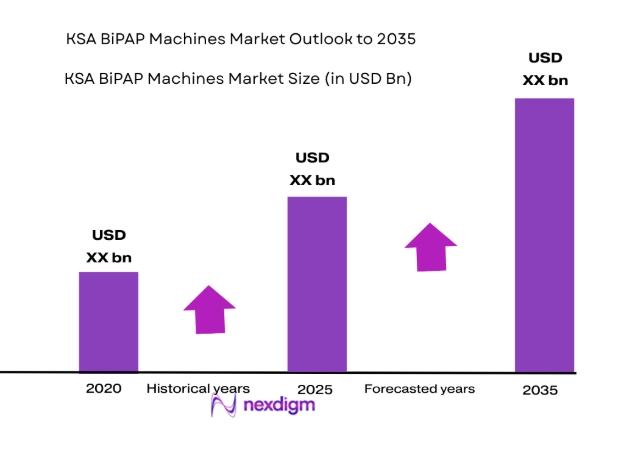
The KSA BiPAP Machines market has seen significant growth in recent years, valued at approximately USD ~ billion, driven by the increasing prevalence of respiratory disorders such as sleep apnea and COPD. Rising healthcare awareness, technological advancements in BiPAP devices, and growing healthcare infrastructure have fueled the demand for BiPAP machines in the region. In addition, government initiatives and increased spending on healthcare have boosted market growth, offering a promising future for manufacturers and healthcare providers in Saudi Arabia.
Dominant cities in Saudi Arabia, such as Riyadh, Jeddah, and Dammam, lead the BiPAP machines market due to their robust healthcare infrastructure and concentration of hospitals and clinics. These cities benefit from the expansion of both private and public healthcare sectors, along with improved access to advanced medical equipment. Riyadh, as the capital, houses many of the largest healthcare institutions, making it a key driver of demand. Additionally, the government’s investment in healthcare initiatives supports the adoption of advanced technologies like BiPAP machines.
Market Segmentation
By Product Type
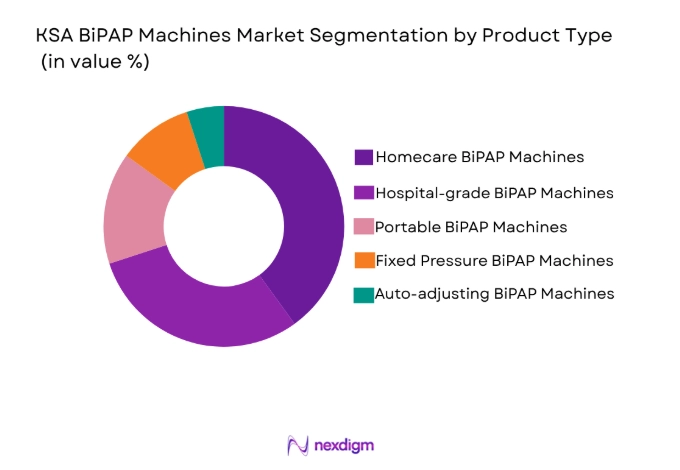
The KSA BiPAP Machines market is segmented by product type into homecare BiPAP machines, hospital-grade BiPAP machines, portable BiPAP machines, fixed pressure BiPAP machines, and auto-adjusting BiPAP machines. Recently, homecare BiPAP machines have dominated the market share due to increasing demand for at-home respiratory treatment, the growing geriatric population, and consumer preference for more accessible and user-friendly devices. This trend is driven by rising healthcare costs and the convenience of using BiPAP machines in the comfort of one’s home, along with improved affordability and government initiatives in the healthcare sector.
By Platform Type
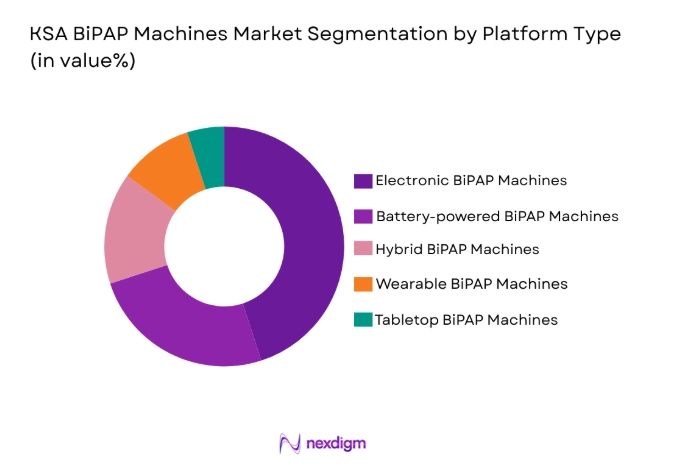
The market is segmented by platform type into electronic BiPAP machines, battery-powered BiPAP machines, hybrid BiPAP machines, wearable BiPAP machines, and tabletop BiPAP machines. The electronic BiPAP machines dominate the market due to their higher efficiency, superior technology, and widespread availability across both homecare and hospital settings. This dominance is supported by the advanced features these machines offer, such as adjustable pressure settings and integration with remote monitoring systems, which appeal to both healthcare providers and patients seeking optimal care.
Competitive Landscape
The competitive landscape of the KSA BiPAP machines market is characterized by a mix of global medical device manufacturers and specialized respiratory care companies that compete on technology, product breadth, and geographic reach. Large diversified medical technology firms leverage extensive distribution networks and established reputations to secure placements in hospitals and homecare channels, while niche respiratory device specialists focus on innovation and product differentiation. Market dynamics are influenced by consolidation among major players, strategic partnerships with healthcare providers, regulatory compliance, and ongoing advancements in BiPAP technology that enhance patient comfort and device efficiency. Competitive pressure from well‑established companies drives continuous improvement, pricing strategies, and expanded after‑sales service offerings to maintain market positions and drive adoption in both institutional and consumer segments.
| Company Name | Establishment Year | Headquarters | Technology Focus | Market Reach | Key Products | Revenue (Approx.) | BiPAP‑Specific Parameter |
| ResMed Inc. | 1989 | San Diego, California, US | ~ | ~ | ~ | ~ | ~ |
| Medtronic plc | 1949 | Dublin, Ireland / Minneapolis | ~ | ~ | ~ | ~ | ~ |
| Koninklijke Philips | 1891 | Amsterdam, Netherlands | ~ | ~ | ~ | ~ | ~ |
| Fisher & Paykel Healthcare | 1934 | Auckland, New Zealand | ~ | ~ | ~ | ~ | ~ |
| Drive DeVilbiss Healthcare | 1881 | Port Washington, Wisconsin, US | ~ | ~ | ~ | ~ | ~ |
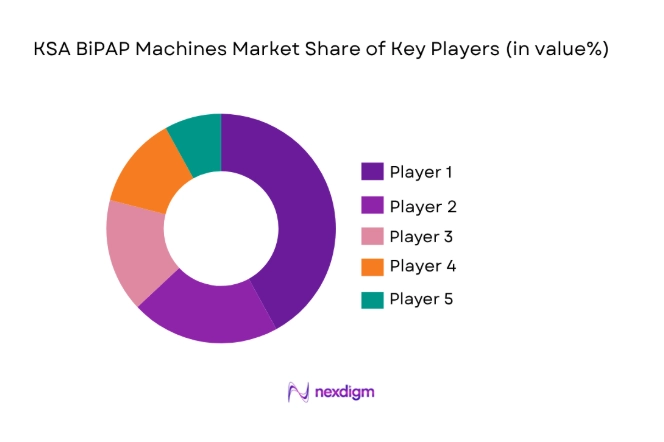
KSA BiPAP Machines Market Analysis
Growth Drivers
Rising Prevalence of Respiratory Disorders
The rising prevalence of respiratory conditions such as sleep apnea, COPD, and other chronic obstructive diseases is a key driver of the BiPAP machines market. These disorders are becoming increasingly common due to lifestyle factors such as smoking, poor air quality, and the aging population. BiPAP machines, being an essential tool in managing these conditions, have seen a surge in demand, especially in regions with high rates of these diseases. The availability of advanced BiPAP devices, which offer improved comfort and effectiveness, has further accelerated their adoption across both hospital and homecare settings. As healthcare awareness increases, patients are more likely to seek treatment options, driving the need for BiPAP machines in both clinical and domestic environments. Additionally, healthcare systems are increasingly prioritizing the provision of these devices, facilitating wider access to BiPAP machines for those in need of respiratory support.
Technological Advancements in BiPAP Machines
Technological advancements in BiPAP machines have also contributed significantly to market growth. Innovations such as automatic pressure adjustments, improved comfort features, and integration with remote monitoring systems have made BiPAP machines more user-friendly and efficient. These developments enhance the patient experience by providing more accurate and personalized respiratory support, which, in turn, increases their adoption. Additionally, advancements in battery life and portability have made these devices more accessible for homecare use, leading to increased demand among patients seeking more convenient solutions for managing their respiratory conditions. As manufacturers continue to develop smarter and more effective devices, the market is expected to grow at a steady pace.
Market Challenges
High Cost of BiPAP Machines
The high cost of BiPAP machines is a significant challenge in the market, particularly in the homecare segment. Despite advancements in technology, the initial cost of these machines remains a barrier for many patients, especially in lower-income segments. While BiPAP machines are considered essential for treating severe respiratory conditions, the price can often lead to delayed or limited access to treatment, especially in regions with limited healthcare insurance coverage. Although government subsidies and healthcare initiatives are working to mitigate these costs, the expense of purchasing BiPAP devices remains a substantial challenge for many individuals, particularly those in remote areas.
Limited Availability of Skilled Healthcare Providers
Another challenge faced by the BiPAP machines market is the limited availability of skilled healthcare providers to operate and maintain these devices, particularly in rural and underserved regions. While BiPAP machines are effective tools for managing respiratory diseases, they require proper calibration, maintenance, and monitoring, tasks which should ideally be handled by trained professionals. However, the shortage of skilled healthcare workers in many parts of Saudi Arabia hampers the adoption and effective use of these machines. This issue is further exacerbated by the growing demand for respiratory support due to an aging population and increased awareness of respiratory disorders.
Opportunities
Expansion of Homecare Services
One of the significant opportunities for the KSA BiPAP machines market is the expansion of homecare services. With an increasing number of patients preferring to manage their respiratory conditions at home rather than in hospitals, there is a growing demand for homecare BiPAP machines. The rise in healthcare costs and the need for more accessible, affordable care are driving this trend. Homecare services are gaining popularity, as they offer convenience, cost savings, and a more comfortable environment for patients. As more healthcare providers invest in homecare solutions, the market for BiPAP machines, especially portable and adjustable models, is expected to grow significantly. This shift towards homecare presents a lucrative opportunity for manufacturers to expand their product offerings and reach new customer segments.
Government Healthcare Initiatives
Government initiatives focused on improving healthcare infrastructure and expanding access to medical devices offer significant opportunities for the BiPAP machines market. Saudi Arabia’s Vision 2030 plan emphasizes healthcare improvements, including the development of new healthcare facilities, better training for healthcare professionals, and increasing patient access to advanced medical devices. As the government invests in enhancing the healthcare sector, demand for BiPAP machines is expected to rise, especially in hospitals and clinics. Furthermore, public health programs targeting respiratory diseases and the prevention of sleep apnea are likely to drive the adoption of BiPAP machines in both clinical and homecare settings.
Future Outlook
The KSA BiPAP machines market is expected to experience steady growth in the coming years. Advancements in technology, such as artificial intelligence and improved patient monitoring, will continue to enhance the functionality and appeal of BiPAP machines. Regulatory support and government initiatives aimed at expanding healthcare access are likely to drive demand, especially in underserved areas. Additionally, rising healthcare awareness and increasing investments in homecare services are expected to boost market growth, offering promising prospects for the future.
Major Players
- Philips Healthcare
- ResMed
- Fisher & Paykel Healthcare
- Medtronic
- Breas Medical
- Drive DeVilbiss Healthcare
- DeVilbiss Healthcare
- Invacare
- SleepMed
- SoClean
- Nidek Medical
- CareFusion
- Hamilton Medical
- GE Healthcare
- Mindray
Key Target Audience
- Investments and venture capitalist firms
- Government and regulatory bodies
- Hospitals and healthcare providers
- Homecare service providers
- BiPAP machine distributors
- Respiratory equipment retailers
- Health insurance companies
Research Methodology
Step 1: Identification of Key Variables
In this step, critical factors influencing the market, such as product types, end users, and technological trends, are identified to create a structured framework for market analysis.
Step 2: Market Analysis and Construction
This step involves detailed data collection, both primary and secondary, to analyze historical trends, current market size, and competitive dynamics within the BiPAP machines market.
Step 3: Hypothesis Validation and Expert Consultation
Key findings from initial analysis are validated through consultations with industry experts, healthcare professionals, and manufacturers to ensure accuracy and reliability of the data.
Step 4: Research Synthesis and Final Output
The final step synthesizes all data, insights, and expert feedback into a comprehensive market report, providing a clear understanding of current and future market dynamics.

- Executive Summary
- Research Methodology (Definitions, Scope, Industry Assumptions, Market Sizing Approach, Primary & Secondary Research Framework, Data Collection & Verification Protocol, Analytic Models & Forecast Methodology, Limitations & Research Validity Checks)

Market Definition and Scope
Value Chain & Stakeholder Ecosystem
Regulatory / Certification Landscape
Sector Dynamics Affecting Demand
Strategic Initiatives & Infrastructure Growth

- Growth Drivers
Increasing Prevalence of Respiratory Disorders
Advancements in BiPAP Technology
Rising Healthcare Infrastructure in Saudi Arabia - Market Challenges
High Cost of BiPAP Machines
Lack of Awareness in Remote Areas
Limited Availability of Skilled Healthcare Providers - Market Opportunities
Expansion of Homecare Services
Government Healthcare Initiatives
Integration of AI and IoT in BiPAP Machines - Trends
Shift Towards Homecare and Remote Monitoring
Increased Focus on Patient Comfort and Ease of Use - Government Regulations
- SWOT Analysis
- Porter’s Five Forces

- By Market Value, 2020-2025
- By Installed Units, 2020-2025
- By Average System Price, 2020-2025
- By System Complexity Tier, 2020-2025

- By System Type (In Value%)
Homecare BiPAP Machines
Hospital-grade BiPAP Machines
Portable BiPAP Machines
Fixed Pressure BiPAP Machines
Auto-adjusting BiPAP Machines - By Platform Type (In Value%)
Electronic BiPAP Machines
Battery-powered BiPAP Machines
Hybrid BiPAP Machines
Wearable BiPAP Machines
Tabletop BiPAP Machines - By Fitment Type (In Value%)
Fixed Fitment BiPAP Machines
Adjustable Fitment BiPAP Machines
Portable Fitment BiPAP Machines
Stationary Fitment BiPAP Machines - By End User Segment (In Value%)
Hospitals
Homecare
Clinics

- Market Share Analysis
- Cross Comparison Parameters (Product Type, Price Range, System Features, End-User Preferences, Geographical Reach, Distribution Channels, Technological Advancements)
- SWOT Analysis of Key Competitors
- Pricing & Procurement Analysis
- Key Players
Philips Healthcare
ResMed
Fisher & Paykel Healthcare
Medtronic
Breas Medical
Drive DeVilbiss Healthcare
DeVilbiss Healthcare
Invacare
SleepMed
SoClean
Nidek Medical
CareFusion
Hamilton Medical
GE Healthcare
Mindray

- Hospitals as Major Users
- Homecare Adoption Trends
- Clinic-Based Usage Growth
- Emerging Demand from Remote Areas

- Forecast Market Value, 2026-2035
- Forecast Installed Units, 2026-2035
- Price Forecast by System Tier, 2026-2035
- Future Demand by Platform, 2026-2035


 Request a Sample
 Ask for Customization
 Get a Quote
 Enquire Now