
 Download PDF
Market Overview
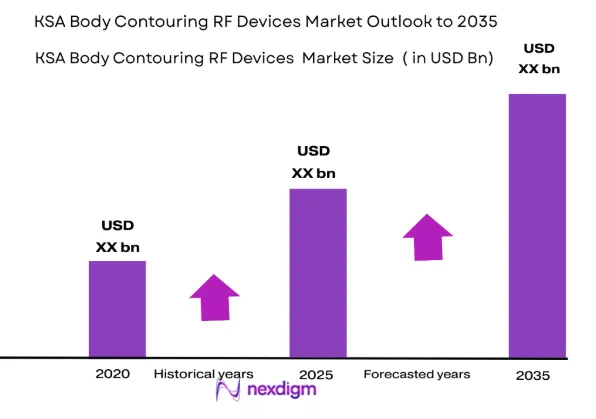
The KSA Body Contouring RF Devices Market is valued at USD ~ billion, based on data from credible sources such as industry reports and sales analytics. The market is primarily driven by growing demand for non-invasive aesthetic treatments, coupled with the increasing adoption of RF-based body contouring devices. RF technology provides a non-invasive method for fat reduction, skin tightening, and cellulite reduction, which is gaining popularity due to its effectiveness and minimal downtime. Additionally, the market is supported by the government’s Vision 2030 initiative, which is focused on enhancing healthcare infrastructure and accessibility to advanced technologies, leading to higher investments in medical aesthetics.
The Kingdom of Saudi Arabia’s major urban centers such as Riyadh, Jeddah, and Dhahran dominate the RF body contouring market. Riyadh, being the capital, is the hub for both medical advancements and high-income clientele seeking aesthetic treatments. Jeddah, with its significant tourism and expatriate population, further drives demand. These cities’ dominance is due to a higher concentration of medical spas, clinics, and luxury health services. Additionally, the country’s rapidly expanding medical tourism sector attracts patients from neighboring Gulf Cooperation Council (GCC) countries, contributing to the overall growth of RF body contouring devices in Saudi Arabia.
Market Segmentation
By Technology Type
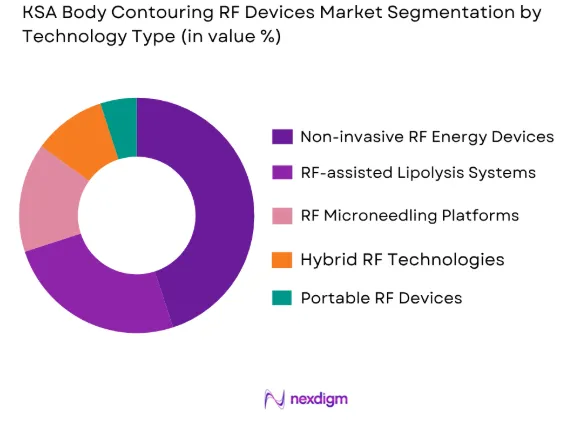
The market is segmented into non-invasive RF energy devices, RF-assisted lipolysis systems, RF microneedling platforms, hybrid RF technologies, and portable RF devices. Non-invasive RF devices are the dominant technology segment, owing to their effectiveness in delivering fat reduction and skin tightening results with minimal recovery time. The popularity of these devices continues to rise in medical spas and aesthetic clinics due to their user-friendly nature and high patient satisfaction.
By End User Type
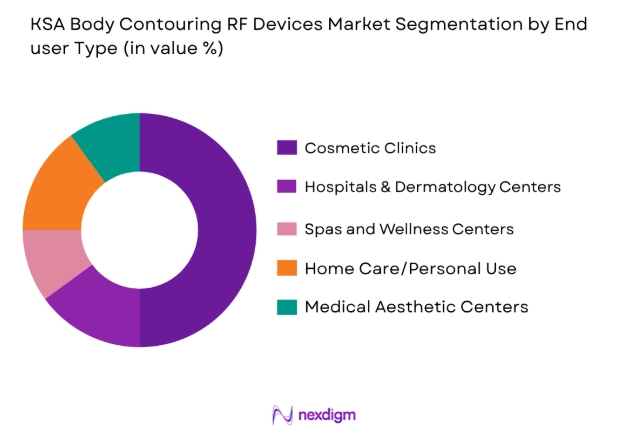
The market is segmented based on the types of end users, including hospitals and surgical centers, medical spas and wellness centers, dermatology and plastic surgery practices, multi-specialty clinics, and home/consumer RF categories. Medical spas and wellness centers hold the largest share in the market, driven by the increasing popularity of non-surgical aesthetic treatments in a relaxed environment. These centers offer accessible, minimally invasive procedures such as RF body contouring, appealing to a wide demographic of consumers looking for body shaping and rejuvenation without the need for surgery. Their growth is fueled by consumer demand for affordable, quick, and effective treatments with minimal recovery time.
Competitive Landscape
The RF body contouring market in Saudi Arabia is concentrated with a few global and local players dominating the landscape. Key companies include global brands like Cutera, BTL Aesthetics, and Venus Concept, along with regional players such as Alma Lasers and InMode. These companies are continuously innovating and expanding their product portfolios to meet the growing demand for non-invasive aesthetic treatments. The consolidation of the market by these major players highlights their significant influence, which is further bolstered by their strong clinical evidence, extensive distribution networks, and technological advancements.
| Company Name | Establishment Year | Headquarters | Technology Focus | Market Reach | Key Products | Revenue (USD) | Additional Market Parameter |
| Lumenis | 1966 | USA | ~ | ~ | ~ | ~ | ~ |
| Cynosure | 1991 | USA | ~ | ~ | ~ | ~ | ~ |
| Alma Lasers | 2005 | Israel | ~ | ~ | ~ | ~ | ~ |
| Syneron Candela | 2000 | Israel | ~ | ~ | ~ | ~ | ~ |
| Cutera | 1998 | USA | ~ | ~ | ~ | ~ | ~ |
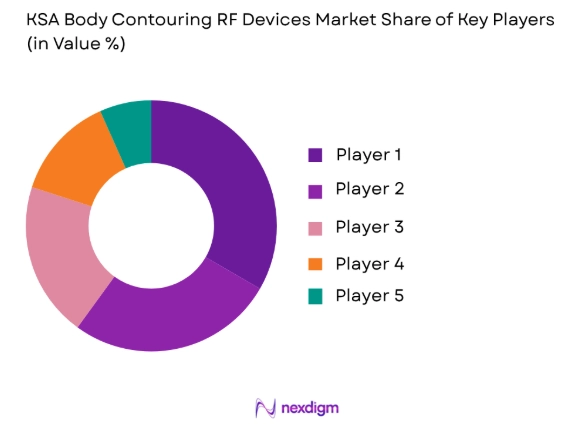
KSA Body Contouring RF Devices Market Analysis
Growth Drivers
Increasing Demand for Non-Invasive Aesthetic Treatments
Non-invasive aesthetic treatments are seeing an uptick in popularity as consumers increasingly seek less risky and more accessible alternatives to traditional surgery. In 2023, the global medical aesthetic market, which includes non-invasive procedures, reached a value of USD 13.3 billion, and this trend is mirrored in Saudi Arabia. The demand for minimally invasive body contouring treatments is expected to keep rising, particularly as the population ages and consumer awareness of these treatments grows. Saudi Arabia’s healthcare sector has also expanded rapidly, with more medical spas and wellness centers incorporating RF technology to meet this demand. The market growth is supported by the increasing acceptance of these treatments, driven by cultural shifts towards self-care and body image awareness. According to the Saudi Ministry of Health, aesthetic procedures are becoming increasingly mainstream, contributing to the growth of non-invasive procedures in the country.
Rising Disposable Incomes and Health Consciousness
Saudi Arabia has witnessed an increase in disposable incomes, especially in urban areas. The World Bank reported a significant rise in per capita income, which reached USD 25,700 in 2022, with growth expected to continue. As the country’s income levels rise, so does the willingness to spend on personal care and wellness, including aesthetic treatments. This upward trend in disposable income, coupled with growing health consciousness, has led to a boom in the demand for non-invasive body contouring solutions. As more individuals have the financial capacity to seek these treatments, there is an increasing shift towards maintaining a youthful appearance and improved body image. Moreover, rising obesity rates, alongside a growing awareness of health and fitness, are propelling individuals to explore treatments like RF body contouring to achieve their desired body shapes without invasive surgery.
Market Challenges
High Initial Investment and Cost of Devices
The adoption of RF body contouring devices requires a substantial upfront investment, particularly for medical spas, clinics, and wellness centers. According to the Saudi Ministry of Commerce, the cost of high-end RF devices can range from SAR 150,000 to SAR 500,000 (USD 40,000 to USD 130,000). This significant financial commitment presents a challenge for smaller or new establishments, limiting their ability to adopt such technologies. Furthermore, the cost of training staff and maintaining these devices adds another layer of expense. As a result, many smaller clinics are deterred from offering RF treatments, and larger medical institutions dominate the market, creating an entry barrier for new players. These costs are compounded by the need for continuous technological updates to keep pace with the latest advancements in RF body contouring.
Regulatory and Compliance Challenges
The regulatory landscape for RF body contouring devices in Saudi Arabia presents significant hurdles for both local and international manufacturers. The Saudi Food and Drug Authority (SFDA) has stringent regulations regarding the approval and registration of medical devices, which can delay the market entry of new technologies. In 2022, the SFDA reported a backlog in the approval process for non-invasive medical devices, with processing times for new product registrations extending beyond 12 months. These delays can affect the speed at which new RF devices are introduced to the market, limiting access to the latest technological innovations. Additionally, ensuring compliance with safety standards and maintaining product certifications add further complexity to the process. For local clinics and spas, navigating this regulatory environment can be cumbersome and expensive, which may deter investment in RF body contouring technologies.
Market Opportunities
Rising Demand for Cosmetic Procedures in the Female Population
The growing demand for cosmetic procedures among Saudi women has created a significant opportunity for the RF body contouring market. In 2022, approximately 60% of all aesthetic procedures performed in Saudi Arabia were for female patients, driven by an increasing cultural shift towards body image enhancement. This trend is further supported by a growing disposable income among women in urban centers, allowing them greater access to non-invasive aesthetic treatments. Women are increasingly seeking alternatives to traditional surgeries, favoring RF treatments for their effectiveness, minimal downtime, and natural results. This growing demand among Saudi women for body contouring, particularly for areas such as the abdomen, thighs, and face, is fueling the expansion of RF technology. The Saudi government’s ongoing focus on empowering women and their participation in the workforce is expected to continue supporting this trend in the coming years.
Expanding Medical Tourism Market
Saudi Arabia’s growing medical tourism sector provides a promising opportunity for RF body contouring services. The Saudi Ministry of Tourism has reported a steady increase in medical tourists, with more than 200,000 international patients visiting the country in 2022 for aesthetic and healthcare procedures. As the country continues to enhance its healthcare infrastructure and attract global visitors, there is increasing demand for non-invasive body contouring treatments such as RF therapy. Medical tourists, particularly from neighboring GCC countries, are seeking advanced cosmetic treatments that combine high-quality care with competitive pricing. Additionally, the Saudi government’s efforts to diversify its economy and promote tourism under the Vision 2030 initiative are likely to boost the demand for medical tourism, driving further growth in the RF body contouring market.
Future Outlook
Over the next 5 years, the KSA Body Contouring RF Devices market is expected to witness steady growth driven by continuous technological advancements, increasing consumer demand for non-invasive aesthetic treatments, and government initiatives promoting healthcare infrastructure. Innovations such as AI-assisted treatment protocols and the rise of portable RF devices are likely to further fuel market expansion. Additionally, increasing awareness about body image and rising obesity rates are set to increase the adoption of RF body contouring devices in the country.
Major Players
- Cutera
- BTL Aesthetics
- Venus Concept
- Alma Lasers
- InMode
- Syneron Medical
- Lumenis
- EndyMed
- Sciton
- ZWave
- Fotona
- Viora
- Cartessa
- VelaShape
- Solta Medical
Key Target Audience
- Medical Aesthetic Clinics
- Hospitals and Surgical Centers
- Dermatology and Plastic Surgery Practices
- Medical Spas and Wellness Centers
- Investment and Venture Capitalist Firms
- Government and Regulatory Bodies
- Healthcare Equipment Distributors
- Cosmetic Device Manufacturers
Research Methodology
Step 1: Identification of Key Variables
The initial phase involves mapping out all the major stakeholders within the KSA Body Contouring RF Devices market. This process includes desk research, utilizing secondary data sources, and proprietary databases to collect industry-specific information. The objective is to identify and define the key market variables that drive demand and adoption in the region.
Step 2: Market Analysis and Construction
In this phase, we analyze historical data relating to RF device installations, adoption rates, and clinical application trends in Saudi Arabia. This includes evaluating the penetration of different technologies, product performance, and regional differences in the adoption of RF body contouring solutions.
Step 3: Hypothesis Validation and Expert Consultation
Market hypotheses are validated through consultations with experts, including device manufacturers, clinical practitioners, and technology developers. Expert interviews provide insights into the operational realities of RF devices in body contouring, offering critical feedback on market trends and technological innovations.
Step 4: Research Synthesis and Final Output
The final phase involves synthesizing all gathered data, including primary research insights and secondary data, to provide a comprehensive, accurate market analysis. This is complemented by direct engagement with leading RF device manufacturers to validate and supplement the findings with up-to-date market performance data.

- Executive Summary
- Research Methodology (Market Definitions and RF Technology Classification, Technical and Clinical Segmentation Rationale, Abbreviations, RF Device Adoption Index Methodology, Saudi Food & Drug Authority Compliance Mapping, Primary and Secondary Research Protocols, Data Quality Assurance, Limitations and Assumptions)

- Market Definitions and Scope
- Historical Market Genesis and Adoption Trajectory
- Industry Life Cycle and Maturity Assessment
- RF Technology Value Chain and Clinical Pathway Analysis

- Growth Drivers
Increasing Demand for Non-Invasive Aesthetic Treatments
Rising Disposable Incomes and Health Consciousness
Government Initiatives and Healthcare Infrastructure Development
Increasing Obesity Rates and Weight Management Trends
Technological Advancements and Enhanced Clinical Efficacy - Market Challenges
High Initial Investment and Cost of Devices
Regulatory and Compliance Challenges
Limited Reimbursement for Aesthetic Procedures
Resistance from Traditional Cosmetic Surgery Practitioners
Potential Side Effects and Risks - Market Opportunities
Rising Demand for Cosmetic Procedures in the Female Population
Expanding Medical Tourism Market
Technological Integration with Other Devices
Growing Acceptance of Male Cosmetic Procedures
Expansion of Medical Spa Market - Trends
Personalized Treatment Protocols Using AI and Machine Learning
Portable and Home Use RF Devices
Increased Focus on Sustainable and Eco-Friendly Device Production
Incorporation of Social Media and Influencer Marketing
Integration with Post-Operative Care Solutions - Regulatory and Standardization Framework
- SWOT Analysis
- Porter’s Five Forces

- By Value, 2020-2025
- By Volume, 2020-2025
- By Weighted RF Applicator Counts, 2020-2025

- By RF Device Technology (In Value %)
Non‑Invasive RF Energy Devices
RF Assisted Lipolysis Systems
RF Microneedling Platforms
Hybrid RF + Other Modalities
Portable RF Devices - By Application (In Value %)
Fat Reduction / Lipolysis
Skin Tightening / Elastogenesis
Cellulite Reduction
Body Shape Remodeling
Post‑Bariatric Contouring - By End User (In Value %)
Hospitals & Dermatology Centers
Cosmetic Clinics
Spas and Wellness Centers
Medical Aesthetic centers
Home Care/ Personal Use - By Revenue Channel (In Value %)
Capital Equipment Sales
Service Contracts & Maintenance
Consumable Applicators / Cartridges
Training & Clinical Support - By Geography (In Value %)
Riyadh & Central Region
Jeddah & Western Region
Eastern Province
Southern & Northern Regions

- Market Share by Revenue and Installed Base
- Competitive Benchmarking Metrics
- Cross Comparison Parameters (Market Presence Strength Score, Product Portfolio Breadth, Clinical Evidence Base, Installation Growth YoY, Service Penetration, Regulatory Approvals, Average Selling Price Tier, Clinical Training Footprint)
- Detailed Profiles of Major Companies
Cutera Inc.
BTL Aesthetics
Cynosure (Hologic)
Alma Lasers / Sisram Medical
Venus Concept Ltd.
Syneron Medical Ltd.
Lumenis Ltd.
InMode Ltd.
Zimmer MedizinSysteme
Thermage (Solta Medical)
EndyMed Medical Ltd.
Cartessa Aesthetic & Surgical (RF segment)
Viora Ltd.
Sciton Inc.
BT‑RF (regional OEM or distributor)

- Clinical Adoption Patterns
- Provider Budget Allocation Profiles
- Patient Demographic Demand Drivers
- Clinical Decision Drivers

- By Value, 2026-2035
- By Volume, 2026-2035
- By Weighted RF Applicator Counts, 2026-2035


 Request a Sample
 Ask for Customization
 Get a Quote
 Enquire Now