
 Download PDF
Market Overview
The KSA CO₂ Lasers Equipment market demonstrates steady industrial expansion, with the total market size reaching USD ~ billion based on a recent historical assessment. Growth is driven by rising demand for precision manufacturing, particularly in automotive, metal fabrication, and packaging industries. Increased healthcare adoption for dermatological and surgical applications further strengthens demand. Government-backed industrial diversification initiatives and investments in advanced manufacturing technologies are accelerating equipment deployment across sectors requiring high-precision cutting, engraving, and marking solutions.
Key urban and industrial hubs such as Riyadh, Jeddah, and Dammam dominate the KSA CO₂ Lasers Equipment market due to concentrated manufacturing clusters and infrastructure investments. These cities benefit from strong logistics networks, industrial zones, and proximity to export channels. The Eastern Province plays a critical role due to its oil and gas-linked industrial base, which drives demand for fabrication technologies. Additionally, government-led smart manufacturing programs and industrial cities such as NEOM are fostering broader adoption of laser-based technologies across emerging sectors.

Market Segmentation
By Product Type:
KSA CO₂ Lasers Equipment market is segmented by product type into low power systems, medium power systems, high power cutting systems, medical grade systems, and marking and engraving systems. Recently, high power cutting systems have a dominant market share due to increasing demand in heavy industries such as metal fabrication, construction, and automotive manufacturing. These systems provide superior precision, efficiency, and scalability for large-scale operations. Industrial expansion and infrastructure projects across Saudi Arabia further contribute to their dominance. The ability of high power systems to process thicker materials at faster speeds also enhances productivity, making them essential for large enterprises. Additionally, integration with CNC systems and automation platforms strengthens their adoption across technologically advanced production facilities.

By End User:
KSA CO₂ Lasers Equipment market is segmented by end user industry into automotive manufacturing, healthcare, electronics, packaging, and construction and metal fabrication. Recently, construction and metal fabrication has a dominant market share due to the rapid pace of infrastructure development and industrial projects across the country. Large-scale construction initiatives require precision cutting and welding solutions, making CO₂ laser equipment essential. Additionally, the oil and gas sector supports fabrication demand, particularly for pipelines and heavy equipment. The versatility of laser systems in handling diverse materials further enhances their use in fabrication environments. Increasing investments in industrial cities and manufacturing hubs also contribute to sustained demand from this segment.

Competitive Landscape
The KSA CO₂ Lasers Equipment market is moderately consolidated, with a mix of global technology providers and regional distributors shaping competition. Leading international players dominate through advanced product portfolios and strong technological capabilities, while regional firms focus on distribution, service, and customization. Strategic partnerships, local manufacturing initiatives, and after-sales service networks play a critical role in maintaining competitive advantage in this market.
| Company Name | Establishment Year | Headquarters | Technology Focus | Market Reach | Key Products | Revenue | Local Presence Strength |
| Trumpf Group | 1923 | Germany | ~ | ~ | ~ | ~ | ~ |
| Han’s Laser Technology | 1996 | China | ~ | ~ | ~ | ~ | ~ |
| Coherent Corp | 1966 | USA | ~ | ~ | ~ | ~ | ~ |
| IPG Photonics | 1990 | USA | ~ | ~ | ~ | ~ | ~ |
| Bystronic Laser AG | 1964 | Switzerland | ~ | ~ | ~ | ~ | ~ |

KSA CO₂ Lasers Equipment Market Analysis
Growth Drivers
Industrial Diversification Under Vision 2030 Initiatives:
The KSA CO₂ Lasers Equipment market is significantly driven by the country’s strategic push toward industrial diversification under Vision 2030, which aims to reduce dependence on oil revenues and expand manufacturing capabilities. Government-backed investments in industrial zones, smart cities, and manufacturing clusters are creating strong demand for advanced production technologies, including laser equipment. The expansion of sectors such as automotive assembly, aerospace components, and construction materials has increased the need for precision cutting and engraving tools. CO₂ laser systems offer high accuracy and efficiency, making them suitable for modern manufacturing processes. Additionally, favorable policies supporting local production and technology transfer are encouraging companies to adopt advanced laser systems. The development of mega projects such as NEOM and the Red Sea Project further amplifies industrial demand. Infrastructure expansion also requires high-performance fabrication technologies. Increased foreign direct investment is bringing advanced manufacturing practices into the region. This transformation is positioning CO₂ laser equipment as a critical component of industrial modernization.
Rising Adoption in Healthcare and Medical Applications:
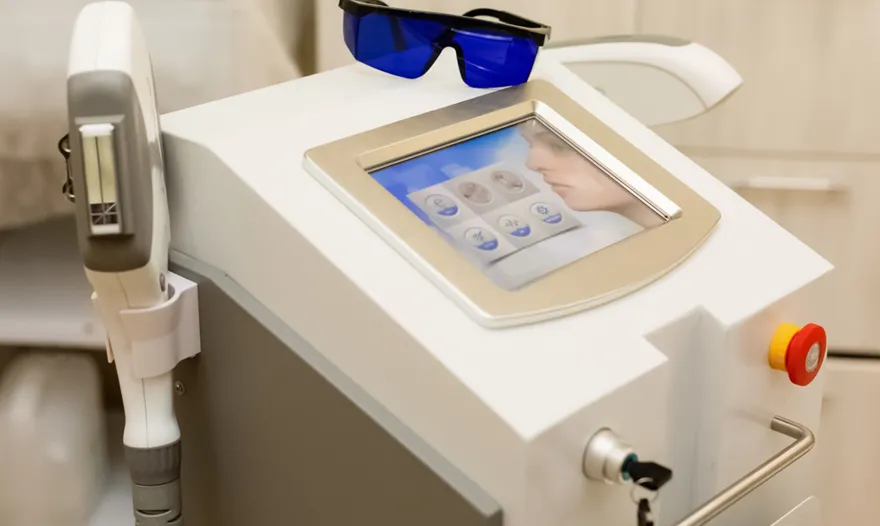
The healthcare sector in Saudi Arabia is experiencing rapid growth, contributing to increased adoption of CO₂ laser equipment in medical applications such as dermatology, surgery, and cosmetic procedures. These lasers are widely used for skin resurfacing, scar treatment, and minimally invasive surgeries due to their precision and reduced recovery time. The expansion of private healthcare facilities and specialized clinics is driving demand for advanced medical technologies. Government initiatives to improve healthcare infrastructure are further supporting this trend. Additionally, increasing awareness of aesthetic treatments among consumers is boosting demand for laser-based cosmetic procedures. Hospitals and clinics are investing in high-quality laser equipment to enhance service offerings. The reliability and efficiency of CO₂ lasers make them suitable for various medical applications. Technological advancements are improving safety and performance, encouraging wider adoption. This growing healthcare demand is significantly contributing to overall market growth.
Market Challenges
Competition from Fiber Laser Technology in Industrial Applications:
The increasing adoption of fiber laser technology presents a major challenge to the KSA CO₂ Lasers Equipment market, as fiber lasers offer higher efficiency, lower maintenance, and better performance in certain applications. Industrial users are gradually shifting toward fiber lasers for metal cutting due to their ability to handle reflective materials and deliver faster processing speeds. This shift is reducing the demand for traditional CO₂ laser systems in some segments. Additionally, fiber lasers require less energy consumption, making them more cost-effective over time. The technological advancements in fiber laser systems are further strengthening their competitive position. Manufacturers are facing pressure to innovate and enhance CO₂ laser capabilities to remain competitive. The availability of hybrid systems is also influencing purchasing decisions. Cost-sensitive industries are particularly inclined toward alternative technologies. This competition is limiting the growth potential of CO₂ lasers in specific industrial applications.
High Capital Investment and Operational Costs:
The high initial investment required for CO₂ laser equipment poses a significant barrier to adoption, particularly for small and medium enterprises in Saudi Arabia. These systems involve substantial costs related to procurement, installation, and maintenance. Additionally, operational expenses such as energy consumption and regular servicing can be considerable. Businesses with limited budgets may opt for lower-cost alternatives or delay investments in advanced technologies. The need for skilled operators and technicians further increases operational costs. Training and workforce development are essential for efficient system utilization. Economic fluctuations can also impact capital expenditure decisions. Financing options and leasing models are not always accessible to all businesses. This financial burden restricts market penetration, especially among smaller enterprises.
Opportunities
Localization of Manufacturing and Technology Transfer Initiatives:
The growing emphasis on local manufacturing in Saudi Arabia presents a significant opportunity for the KSA CO₂ Lasers Equipment market. Government policies are encouraging companies to establish local production facilities and transfer advanced technologies to the region. This initiative aims to build a sustainable industrial ecosystem and reduce reliance on imports. Local manufacturing of laser equipment components can lower costs and improve supply chain efficiency. Additionally, partnerships between international players and local firms are facilitating knowledge exchange and technological advancement. The development of industrial clusters is further supporting this trend. Companies can benefit from incentives such as tax advantages and funding support. This localization strategy enhances market accessibility and competitiveness. It also creates opportunities for innovation and customization tailored to regional needs. The expansion of local manufacturing capabilities is expected to drive long-term growth.
Integration of Smart Manufacturing and Industry 4.0 Technologies:
The adoption of Industry 4.0 technologies in Saudi Arabia is creating new opportunities for CO₂ laser equipment integration within smart manufacturing systems. Advanced technologies such as automation, artificial intelligence, and IoT are transforming production processes. CO₂ laser systems can be integrated into automated workflows to enhance precision and efficiency. Real-time monitoring and predictive maintenance capabilities improve operational performance. Manufacturers are increasingly investing in digital transformation to remain competitive. The compatibility of laser systems with smart manufacturing platforms is driving adoption. This integration enables better quality control and reduced production downtime. Technological advancements are making systems more user-friendly and efficient. The shift toward digitalized manufacturing environments is expected to create substantial growth opportunities for the market.
Future Outlook
The KSA CO₂ Lasers Equipment market is expected to witness steady growth over the next five years driven by industrial expansion and technological advancements. Increasing adoption of automation and smart manufacturing will enhance system integration. Government initiatives supporting local manufacturing and infrastructure development will further boost demand. The healthcare sector will continue to contribute to growth through advanced medical applications. Overall, the market is positioned for sustained expansion with evolving technological capabilities.
Major Players
- Trumpf Group
- Han’s Laser Technology Industry Group
- Coherent Corp
- IPG Photonics Corporation
- Bystronic Laser AG
- Amada Holdings Co Ltd
- Mazak Optonics Corporation
- Prima Industrie SpA
- Lumentum Holdings Inc
- Universal Laser Systems Inc
- Epilog Laser
- Trotec Laser GmbH
- Kern Laser Systems
- Gravotech Group
- LaserStar Technologies Corporation
Key Target Audience
- Industrial manufacturing companies
- Healthcare providers and hospital groups
- Automotive OEMs
- Construction and infrastructure firms
- Electronics manufacturers
- Defense and aerospace contractors
- Investments and venture capitalist firms
- Government and regulatory bodies
Research Methodology
Step 1: Identification of Key Variables
The research begins by identifying critical variables influencing the KSA CO₂ Lasers Equipment market, including demand drivers, technological trends, regulatory factors, and end-user adoption patterns across industries.
Step 2: Market Analysis and Construction
Comprehensive analysis is conducted using primary and secondary data sources to construct market models, estimate size, and evaluate segmentation across product types and industries.
Step 3: Hypothesis Validation and Expert Consultation
Findings are validated through consultations with industry experts, manufacturers, and stakeholders to ensure accuracy, relevance, and alignment with current market dynamics.
Step 4: Research Synthesis and Final Output
All insights are synthesized into a structured report, integrating quantitative and qualitative data to provide a comprehensive view of market trends, opportunities, and competitive landscape.

- Executive Summary
- Research Methodology (Definitions, Scope, Industry Assumptions, Market Sizing Approach, Primary & Secondary Research Framework, Data Collection & Verification Protocol, Analytic Models & Forecast Methodology, Limitations & Research Validity Checks)

- Market Definition and Scope
- Value Chain & Stakeholder Ecosystem
- Regulatory / Certification Landscape
- Sector Dynamics Affecting Demand
- Strategic Initiatives & Infrastructure Growth

- Growth Drivers
Rising industrial automation across manufacturing sectors in Saudi Arabia
Increasing demand for precision cutting and engraving in metal fabrication
Expansion of healthcare infrastructure requiring advanced surgical lasers
Government-backed Vision 2030 initiatives boosting industrial diversification
Growth in packaging and labeling industries requiring laser marking solutions - Market Challenges
High initial capital investment for advanced CO₂ laser systems
Limited availability of skilled technicians for system operation and maintenance
Competition from fiber laser technologies in industrial applications
Operational inefficiencies due to harsh environmental conditions
Dependence on imported components and systems - Market Opportunities
Localization of manufacturing under Saudi Vision 2030
Adoption of smart factories and Industry 4.0 integration
Expansion in medical aesthetics and dermatology applications - Trends
Shift toward energy-efficient and compact CO₂ laser systems
Integration of AI-based control systems for precision operations
Increasing adoption of hybrid laser technologies
Growing demand for customized laser solutions across industries
Expansion of leasing models for capital equipment acquisition - Government Regulations & Defense Policy
Compliance with Saudi Standards Metrology and Quality Organization certifications
Regulations supporting local manufacturing and technology transfer
Policies encouraging industrial automation and advanced manufacturing - SWOT Analysis
- Stakeholder and Ecosystem Analysis
- Porter’s Five Forces Analysis
- Competition Intensity and Ecosystem Mapping

- By Market Value, 2020-2025
- By Installed Units, 2020-2025
- By Average System Price, 2020-2025
- By System Complexity Tier, 2020-2025

- By System Type (In Value%)
Low Power CO₂ Laser Systems
Medium Power Industrial CO₂ Laser Systems
High Power Cutting CO₂ Laser Systems
Medical Grade CO₂ Laser Systems
Marking and Engraving CO₂ Laser Systems - By Platform Type (In Value%)
Standalone Laser Machines
Integrated CNC Laser Platforms
Portable CO₂ Laser Units
Robotic Laser Processing Systems
Desktop Laser Systems - By Fitment Type (In Value%)
Fixed Industrial Installations
Modular Retrofit Systems
OEM Integrated Laser Modules
Custom-Built Configurations
Portable Deployment Systems - By EndUser Segment (In Value%)
Automotive Manufacturing
Healthcare and Medical Devices
Electronics and Semiconductor Fabrication
Packaging and Printing Industry
Construction and Metal Fabrication - By Procurement Channel (In Value%)
Direct OEM Sales
Authorized Distributors
Online Industrial Equipment Platforms
Government Tender Procurement
Leasing and Equipment Financing Providers - By Material / Technology (in Value %)
Gas Flow CO₂ Laser Technology
Sealed CO₂ Laser Systems
RF Excited CO₂ Lasers
Hybrid CO₂ Laser Systems
Ultrafast Pulsed CO₂ Lasers

- Market structure and competitive positioning
- Market share snapshot of major players
- CrossComparison Parameters (Product Portfolio Breadth, Laser Power Range, Pricing Strategy, After Sales Support, Local Presence, Technology Innovation Level, Customization Capability, Distribution Network Strength, EndUser Industry Focus, Service Response Time)
- SWOT Analysis of Key Players
- Pricing & Procurement Analysis
- Key Players
Trumpf Group
Han’s Laser Technology Industry Group
Coherent Corp
IPG Photonics Corporation
Bystronic Laser AG
Amada Holdings Co Ltd
Mazak Optonics Corporation
Prima Industrie SpA
Lumentum Holdings Inc
Universal Laser Systems Inc
Epilog Laser
Trotec Laser GmbH
Kern Laser Systems
Gravotech Group
LaserStar Technologies Corporation

- Industrial manufacturers prioritize high-power systems for large-scale production
- Healthcare providers increasingly adopt CO₂ lasers for surgical and cosmetic procedures
- SMEs show preference for portable and cost-efficient laser solutions
- Government and defense sectors invest in precision laser technologies for specialized applications

- Forecast Market Value, 2026-2035
- Forecast Installed Units, 2026-2035
- Price Forecast by System Tier, 2026-2035
- Future Demand by Platform, 2026-2035


 Request a Sample
 Ask for Customization
 Get a Quote
 Enquire Now