
 Download PDF
Market Overview
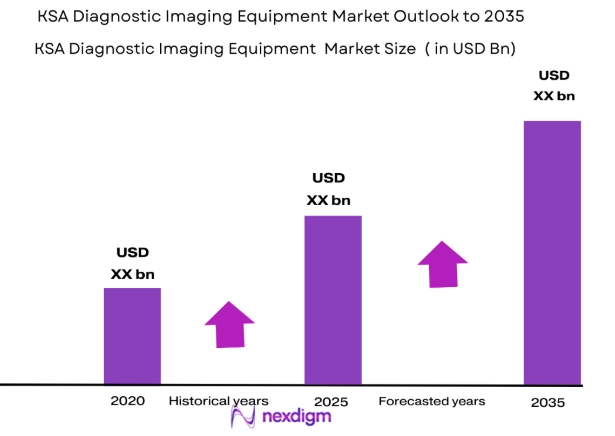
The KSA Diagnostic Imaging Equipment market is valued at approximately USD ~ billion, based on a recent historical assessment. The growth is largely driven by the increasing demand for advanced imaging solutions such as MRI, CT, X-ray, and Ultrasound. Technological advancements, such as the integration of artificial intelligence (AI) for better diagnostic accuracy, have further fueled market growth. Additionally, increasing government initiatives and healthcare reforms are enhancing healthcare infrastructure and driving demand for modern diagnostic imaging solutions in the country.
Dominant cities such as Riyadh, Jeddah, and Dammam play a critical role in the market due to their advanced healthcare facilities and growing number of hospitals and diagnostic centers. The major drivers for dominance in these cities include strong government investments in healthcare infrastructure, high population density, and the presence of both public and private healthcare providers. These regions continue to lead the market, owing to the strategic focus on improving healthcare outcomes and expanding diagnostic capabilities.
Market Segmentation
By Product Type
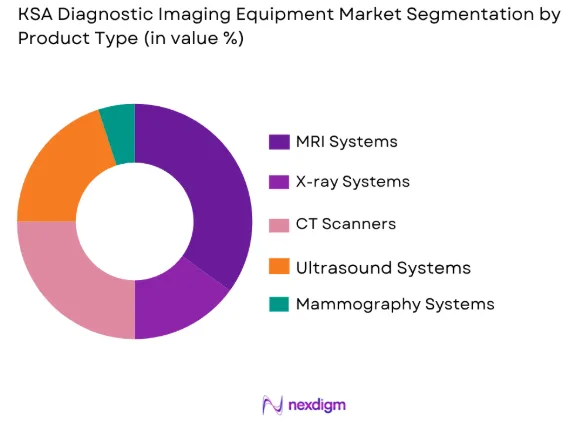
KSA Diagnostic Imaging Equipment market is segmented by product type into MRI Systems, CT Scanners, X-ray Systems, Ultrasound Systems, and Mammography Systems. Recently, MRI systems have dominated the market share due to their widespread adoption in diagnosing complex conditions such as neurological and musculoskeletal diseases. The demand for MRI systems is driven by factors such as the availability of advanced MRI technologies, increasing awareness of early diagnosis, and rising healthcare investments in the region. The versatility and higher diagnostic accuracy offered by MRI systems make them a preferred choice for healthcare providers.
By Platform Type
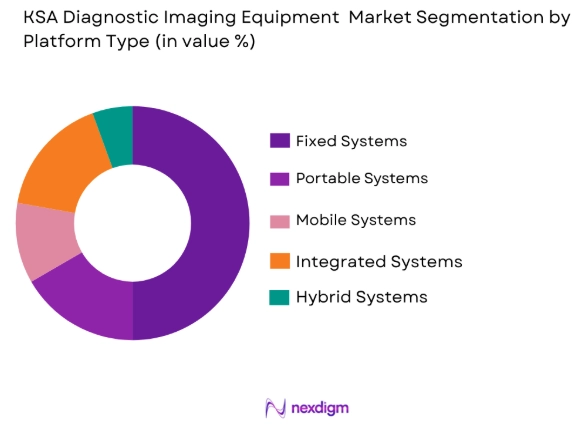
KSA Diagnostic Imaging Equipment market is segmented by platform type into Fixed Systems, Portable Systems, Mobile Systems, Integrated Systems, and Hybrid Systems. Among these, fixed systems dominate the market due to their extensive use in hospitals and diagnostic centers, where permanent installation is necessary for high-volume patient diagnostics. The growing demand for fixed systems is attributed to their reliability, high image quality, and better integration with hospital management systems. This platform type also benefits from substantial government investments in hospital infrastructure and diagnostic imaging equipment.
Competitive Landscape
The KSA Diagnostic Imaging Equipment market is highly competitive, with major players consolidating their presence through advanced technological innovations and strategic collaborations with healthcare providers. The market is characterized by the presence of global brands such as GE Healthcare, Siemens Healthineers, and Philips Healthcare, which significantly influence the competitive dynamics. Local players also maintain a competitive edge by offering customized solutions tailored to the unique needs of healthcare facilities in Saudi Arabia.
| Company Name | Establishment Year | Headquarters | Technology Focus | Market Reach | Key Products | Revenue | One additional market-specific parameter |
| GE Healthcare | 1892 | Chicago, USA | ~ | ~ | ~ | ~ | ~ |
| Siemens Healthineers | 1847 | Erlangen, Germany | ~ | ~ | ~ | ~ | ~ |
| Philips Healthcare | 1891 | Amsterdam, Netherlands | ~ | ~ | ~ | ~ | ~ |
| Canon Medical Systems | 1937 | Tokyo, Japan | ~ | ~ | ~ | ~ | ~ |
| Mindray | 1991 | Shenzhen, China | ~ | ~ | ~ | ~ | ~ |
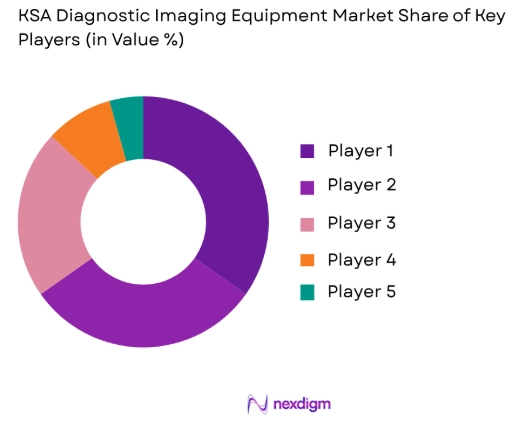
KSA Diagnostic Imaging Equipment (MRI, CT, X-ray, Ultrasound) Market Analysis
Growth Drivers
Technological Advancements in Diagnostic Imaging
Technological advancements in diagnostic imaging, especially the integration of AI and machine learning, have significantly contributed to market growth. These innovations provide enhanced image quality and diagnostic accuracy, allowing for early detection of diseases, especially in critical conditions like cancer and cardiovascular diseases. The adoption of AI-driven solutions enables radiologists to process vast amounts of imaging data more quickly and accurately. This advancement also reduces the need for invasive procedures, making it a preferred choice for healthcare providers. Additionally, the shift towards portable and mobile diagnostic systems, powered by advancements in miniaturization and wireless technology, has further expanded the accessibility of diagnostic imaging in remote and underserved areas.
Government Healthcare Reforms
Government healthcare reforms in Saudi Arabia have been a crucial driver for the diagnostic imaging market’s expansion. Saudi Vision 2030 emphasizes improving the quality of healthcare services and expanding access to advanced diagnostic technologies. The government has been actively investing in building new healthcare infrastructure and upgrading existing facilities to meet growing demand. These investments have been particularly focused on enhancing diagnostic capabilities, which is expected to increase the demand for advanced imaging systems. Furthermore, government-backed programs and subsidies to support healthcare providers in adopting state-of-the-art technologies have contributed to the accelerated adoption of diagnostic imaging solutions, driving market growth.
Market Challenges
High Initial Cost of Diagnostic Equipment
One of the key challenges faced by the KSA Diagnostic Imaging Equipment market is the high initial cost of acquiring and installing advanced diagnostic systems. The significant upfront investment required for equipment such as MRI, CT scanners, and other imaging systems creates a barrier for healthcare providers, especially in smaller and regional clinics. This high capital expenditure is further compounded by the maintenance costs, which can be burdensome for organizations with limited budgets. Additionally, the long payback period for these high-cost systems may deter smaller players from adopting cutting-edge technologies. As a result, many healthcare facilities continue to rely on outdated equipment, which can limit diagnostic accuracy and efficiency.
Regulatory and Certification Requirements
The stringent regulatory and certification requirements in Saudi Arabia pose another challenge for the diagnostic imaging market. The Saudi Food and Drug Authority (SFDA) has established strict guidelines for medical devices, which can delay the approval and market entry of new products. Moreover, obtaining the necessary certifications and ensuring compliance with local regulations can be time-consuming and costly for international players looking to enter the market. The regulatory complexities surrounding the importation, distribution, and installation of medical equipment require significant investments in legal and administrative processes, which can deter smaller companies from competing in the market.
Opportunities
Rise in Outpatient and Telemedicine Diagnostics
The increasing demand for outpatient services and telemedicine in Saudi Arabia presents a significant opportunity for the diagnostic imaging market. With the growing need for more accessible and affordable healthcare services, outpatient clinics are expanding their diagnostic capabilities by incorporating advanced imaging technologies. Additionally, the rise in telemedicine consultations and remote patient monitoring creates opportunities for portable and mobile diagnostic imaging systems. The integration of diagnostic imaging with telehealth platforms enables healthcare providers to offer remote consultations, facilitating quicker diagnosis and treatment, especially in rural and remote areas. This trend is expected to drive the adoption of compact and cost-effective imaging systems, further expanding the market.
Integration of AI in Diagnostic Imaging
The integration of artificial intelligence (AI) in diagnostic imaging presents an exciting opportunity for market growth. AI-powered systems have the potential to enhance the efficiency and accuracy of diagnostic imaging by enabling faster image analysis and interpretation. Machine learning algorithms can identify patterns and abnormalities in images that may not be immediately apparent to the human eye, thus aiding in early detection and more accurate diagnoses. The growing adoption of AI in imaging systems is anticipated to drive market demand, as healthcare providers seek innovative solutions to improve patient outcomes and reduce the burden on healthcare professionals. Additionally, AI integration can help optimize workflows, reduce diagnostic errors, and improve operational efficiency.
Future Outlook
The KSA Diagnostic Imaging Equipment market is expected to experience significant growth over the next five years, driven by technological advancements, increased healthcare investments, and a shift towards more accessible diagnostic solutions. Demand for imaging systems will continue to grow, particularly in regions with expanding healthcare infrastructure. The market is expected to see greater adoption of AI-powered solutions, mobile and portable imaging systems, and enhanced diagnostic capabilities. With strong government support and growing healthcare reform initiatives, the future of the diagnostic imaging market in Saudi Arabia looks promising, with a focus on improving healthcare outcomes and expanding access to quality diagnostics.
Major Players
- GE Healthcare
- Siemens Healthineers
- Philips Healthcare
- Canon Medical Systems
- Mindray
- Fujifilm
- Hitachi Healthcare
- Samsung Medison
- Carestream Health
- Toshiba Medical Systems
- Agfa Healthcare
- Hologic
- Shimadzu Corporation
- Konica Minolta
- Philips Respironics
Key Target Audience
- Investments and venture capitalist firms
- Government and regulatory bodies
- Healthcare service providers
- Diagnostic imagingcenters
- Hospitals
- Outpatient clinics
- Healthcare IT solution providers
- Medical equipment distributors
Research Methodology
Step 1: Identification of Key Variables
The first step involves identifying the key variables that impact the diagnostic imaging market, including technological innovations, regulatory frameworks, and demographic factors.
Step 2: Market Analysis and Construction
Market analysis is performed using both primary and secondary research data to construct a detailed picture of the market landscape, including segmentation, growth drivers, and competitive dynamics.
Step 3: Hypothesis Validation and Expert Consultation
Expert consultations are conducted with industry professionals, stakeholders, and market leaders to validate hypotheses and refine market predictions.
Step 4: Research Synthesis and Final Output
The final research output is synthesized, incorporating all gathered data and insights, and presented in a comprehensive format for client use.

- Executive Summary
- Research Methodology (Definitions, Scope, Industry Assumptions, Market Sizing Approach, Primary & Secondary Research Framework, Data Collection & Verification Protocol, Analytic Models & Forecast Methodology, Limitations & Research Validity Checks)

- Market Definition and Scope
- Value Chain & Stakeholder Ecosystem
- Regulatory / Certification Landscape
- Sector Dynamics Affecting Demand
- Strategic Initiatives & Infrastructure Growth

- Growth Drivers
Technological Advancements in Diagnostic Imaging
Government Healthcare Reforms - Market Challenges
High Initial Cost of Diagnostic Equipment
Regulatory and Certification Requirements - Market Opportunities
Rise in Outpatient and Telemedicine Diagnostics:
Integration of AI in Diagnostic Imaging - Government Regulations
- SWOT Analysis of Key Competitors
- Porter’s Five Forces

- By Market Value, 2020-2025
- By Installed Units, 2020-2025
- By Average System Price, 2020-2025
- By System Complexity Tier, 2020-2025

- By Product Type (In Value%)
MRI Systems
CT Scanners
X-ray Systems
Ultrasound Systems
Mammography Systems - By Platform Type (In Value%)
Fixed Systems
Portable Systems
Mobile Systems
Integrated Systems
Hybrid Systems - By End User Segment (In Value%)
Hospitals
Diagnostic Imaging Centers
Outpatient Clinics
Veterinary Clinics
Government Health Services - By Procurement Channel (In Value%)
Direct Procurement
Government Tenders
Private Sector Procurement
Online Bidding Platforms
Third-party Distributors

- Market Share Analysis of Key Competitors
- Cross Comparison Parameters (System Type, Platform Type, Procurement Channel, End User Segment, Product Type, Imaging Modality Coverage, Image Quality Performance, Throughput Capacity, Technology Integration, Average System Price, Installed Base, Regulatory Compliance, Market Presence, Service Support, Product Portfolio)
- SWOT Analysis of Key Competitors
- Pricing & Procurement Analysis
- Porter’s Five Forces
Key Players
GE Healthcare
Siemens Healthineers
Philips Healthcare
Canon Medical Systems
Fujifilm
Hitachi Healthcare
Samsung Medison
Mindray
Shimadzu Corporation
Agfa-Gevaert
Carestream Health
Ziehm Imaging
Hologic
Konica Minolta
Esaote

- Growing demand from private healthcare providers
- Rising government focus on healthcare facilities
- Increasing adoption of telemedicine
- Expanding market for veterinary diagnostic equipment

- By Market Value,2026-2035
- By Installed Units,2026-2035
- By Average System Price, 2026-2035
- By System Complexity Tier, 2026-2035


 Request a Sample
 Ask for Customization
 Get a Quote
 Enquire Now