
 Download PDF
 Download PDF
Market Overview
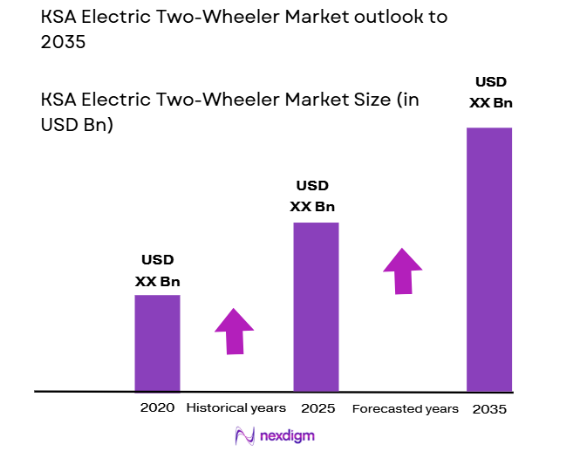
Based on a recent historical assessment, the KSA Electric Two-Wheeler market is projected to reach USD ~ billion, driven by increasing demand for sustainable transportation options and government incentives to promote electric vehicles (EVs). Factors such as the rising cost of fuel, environmental concerns, and technological advancements in battery life and performance are contributing to the market’s growth. The government’s initiatives to boost green mobility and reduce carbon emissions have created a favorable environment for electric two-wheelers. Moreover, the development of electric infrastructure, such as charging stations, is supporting the growth of the market.
The KSA Electric Two-Wheeler market is dominated by major cities like Riyadh, Jeddah, and Dammam, which are the key drivers of the country’s electric vehicle adoption. These cities benefit from significant infrastructure investments, high-income populations, and growing environmental awareness. Riyadh, in particular, has been at the forefront of the government’s green mobility initiatives, including the adoption of EVs by both public and private sectors. Additionally, Jeddah and Dammam are witnessing increasing demand for electric vehicles due to their role as commercial hubs, where sustainability is becoming a core focus in transportation solutions.
Market Segmentation
By Product Type
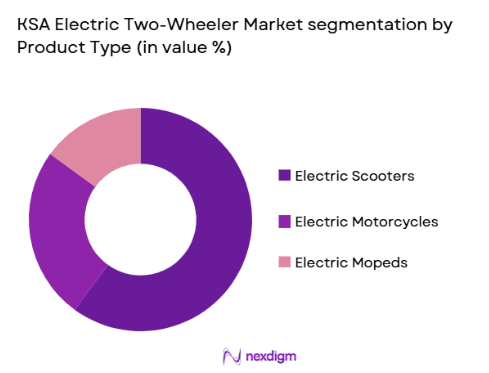
KSA Electric Two-Wheeler market is segmented by product type into electric scooters, electric motorcycles, and electric mopeds. Recently, electric scooters have a dominant market share due to factors such as lower cost, ease of use, and widespread adoption for short-distance commuting. The compact nature of electric scooters makes them suitable for navigating the congested roads in urban areas. Moreover, government incentives for electric scooters have further accelerated their adoption. The relatively lower price point compared to electric motorcycles has made electric scooters the preferred choice for first-time electric vehicle buyers. Additionally, the ease of parking and maneuverability in crowded urban environments is contributing to the growth of this segment.
By Platform Type
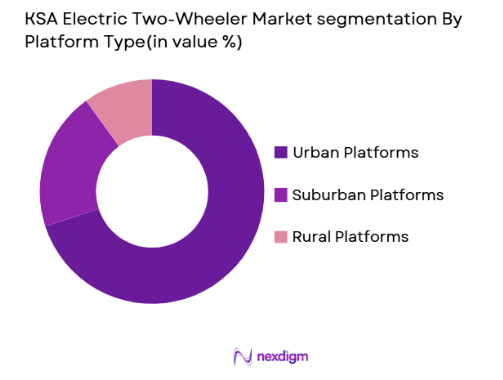
KSA Electric Two-Wheeler market is segmented by platform type into urban platforms, suburban platforms, and rural platforms. Recently, urban platforms have a dominant market share due to factors such as high urbanization rates, better infrastructure, and growing consumer interest in sustainable transportation options. Urban areas like Riyadh and Jeddah are seeing a rise in electric two-wheeler adoption due to congestion and high fuel costs. The well-developed charging infrastructure in cities also encourages the adoption of electric two-wheelers. Suburban and rural areas have been slower to adopt electric two-wheelers, primarily due to the lack of charging stations and limited consumer awareness.
Competitive Landscape
The KSA Electric Two-Wheeler market is highly competitive, with a mix of local and international players operating in the market. Major players are focusing on expanding their product offerings and improving technological advancements to capture a larger market share. Consolidation in the market is evident as companies seek partnerships to enhance their EV infrastructure and develop more affordable electric two-wheeler models. Players like Hero Electric, Yamaha, and Ather Energy are making significant inroads into the KSA market by introducing electric scooters and motorcycles tailored to the preferences of local consumers.
| Company Name | Establishment Year | Headquarters | Technology Focus | Market Reach | Key Products | Revenue (USD Billion) | Additional Parameter |
| Hero Electric | 1956 | India | ~ | ~ | ~ | ~ | ~ |
| Yamaha Motor Co. | 1953 | Japan | ~ | ~ | ~ | ~ | ~ |
| Ather Energy | 2013 | India | ~ | ~ | ~ | ~ | ~ |
| AJS Motorcycles | 2002 | UK | ~ | ~ | ~ | ~ | ~ |
| NIU Technologies | 2014 | China | ~ | ~ | ~ | ~ | ~ |
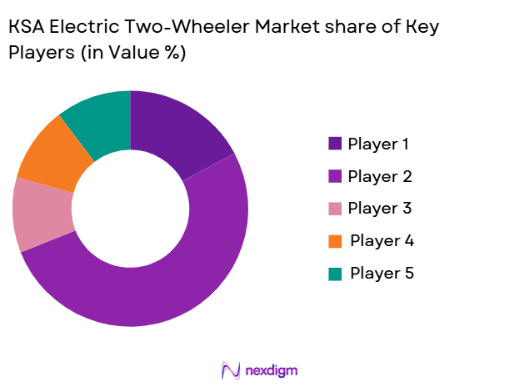
KSA Electric Two-Wheeler Market Analysis
Growth Drivers
Government Incentives for Electric Vehicles
The government’s policies supporting the adoption of electric vehicles have played a crucial role in driving the growth of the KSA Electric Two-Wheeler market. Government subsidies, tax exemptions, and financial incentives for both consumers and manufacturers are encouraging the purchase of electric two-wheelers. These incentives reduce the high initial cost associated with electric vehicles and make them more affordable for the average consumer. Additionally, government initiatives such as the development of charging infrastructure and the reduction of import duties on electric vehicles further boost the market’s growth. These factors contribute to the growing adoption of electric two-wheelers in urban areas, where transportation alternatives are in high demand due to congestion and pollution concerns. Furthermore, with a focus on sustainability and reducing the country’s carbon footprint, the government’s push for green mobility supports the long-term growth of the market.
Technological Advancements in Battery Life and Charging Solutions
Another significant growth driver for the KSA Electric Two-Wheeler market is the rapid advancements in battery technology, which directly impact the performance, range, and charging time of electric two-wheelers. The improvement in lithium-ion batteries, along with the development of fast-charging technologies, has led to enhanced vehicle efficiency and lower operating costs. The longer battery life and reduced charging times contribute to the overall convenience of electric two-wheelers. Moreover, the expansion of public and private charging infrastructure across major cities has reduced the “range anxiety” associated with electric vehicles. As consumers become more confident in the reliability and convenience of electric two-wheelers, demand for these vehicles increases, leading to greater market growth. These technological advancements also enable manufacturers to produce more affordable electric two-wheelers, making them accessible to a larger customer base, especially in urban areas.
Market Challenges
High Initial Purchase Cost
Despite the growing demand for electric two-wheelers in KSA, one of the major challenges remains the high initial purchase cost associated with these vehicles. While the prices of electric two-wheelers have been steadily decreasing, they are still higher compared to conventional gasoline-powered two-wheelers. This cost difference is primarily due to the expensive battery technology and manufacturing processes. While government subsidies and incentives help reduce the price gap, the higher upfront cost still remains a barrier for many consumers, especially in the price-sensitive segments of the market. This challenge is particularly noticeable in rural and suburban areas, where consumers may be more inclined to stick with traditional vehicles due to financial constraints.
Lack of Charging Infrastructure
The lack of sufficient charging infrastructure remains another key challenge to the growth of the KSA Electric Two-Wheeler market. While urban centers like Riyadh and Jeddah are witnessing improvements in charging station availability, rural and less developed areas still suffer from a lack of accessible charging points. This limits the widespread adoption of electric two-wheelers in these regions and creates range anxiety among potential consumers. Furthermore, the reliance on fast-charging solutions requires significant investment in public and private charging infrastructure, which can be expensive and logistically challenging. Without a robust network of charging stations, many potential consumers may be deterred from purchasing electric two-wheelers, limiting market growth.
Opportunities
Growth of the Delivery Service Market
The rise of the e-commerce and delivery service sectors in KSA presents a significant opportunity for the Electric Two-Wheeler market. Delivery services, particularly in urban areas, are increasingly turning to electric two-wheelers as a sustainable and cost-effective mode of transportation. The use of electric two-wheelers for delivery purposes reduces operating costs related to fuel and maintenance, while also offering a more environmentally friendly solution. The growing demand for last-mile delivery services in cities such as Riyadh and Jeddah is driving the adoption of electric vehicles, with companies recognizing the advantages of switching to electric two-wheelers. This trend is expected to continue, creating a steady demand for electric two-wheelers in the delivery sector.
Expansion of EV Charging Infrastructure
As the government and private sector continue to invest in the expansion of EV charging infrastructure, this creates an opportunity for the Electric Two-Wheeler market to grow. The development of more accessible, fast-charging stations will help eliminate one of the most significant barriers to EV adoption—charging convenience. Increased infrastructure investment will support the widespread use of electric two-wheelers and attract new consumers who were previously hesitant to make the switch due to concerns over limited charging availability. Moreover, the availability of charging points in both urban and suburban areas will further accelerate market growth by improving the practicality of owning an electric two-wheeler.
Future Outlook
The future outlook for the KSA Electric Two-Wheeler market is highly promising, with expectations of sustained growth over the next five years. The government’s continued push for sustainable mobility solutions and the improvement of infrastructure will significantly enhance market conditions. Technological advancements in battery efficiency and charging systems will further drive adoption, while increasing environmental awareness and fuel costs will continue to push consumers towards electric options. The rising demand for delivery services and urban mobility solutions, coupled with continued incentives and support from the government, will contribute to the market’s expansion.
Major Players
- Hero Electric
- Yamaha Motor Co.
- Ather Energy
- AJS Motorcycles
- NIU Technologies
- Piaggio Group
- Zero Motorcycles
- Ola Electric
- Ampere Vehicles
- Mahindra Electric
- Honda Motor Co.
- Bajaj Auto
- Gogoro
- TVS Motor Company
- Super Soco
Key Target Audience
- Investments and venture capitalist firms
- Government and regulatory bodies
- Electric vehicle manufacturers
- E-commerce delivery companies
- Fleet operators
- Charging infrastructure providers
- Environmental organizations
- Corporate entities seeking green mobility solutions
Research Methodology
Step 1: Identification of Key Variables
Identification of key variables is critical to understanding the KSA Electric Two-Wheeler market, including technological developments, regulatory policies, consumer preferences, and infrastructure trends.
Step 2: Market Analysis and Construction
Analysis of historical data, trends, and market forecasts to construct a reliable model that reflects the market’s growth trajectory based on current and future conditions.
Step 3: Hypothesis Validation and Expert Consultation
Validation of hypotheses regarding market dynamics and growth drivers through expert consultations, market surveys, and data analysis to ensure accuracy and relevance.
Step 4: Research Synthesis and Final Output
Synthesis of the research findings into a comprehensive report, with clear, actionable insights, strategic recommendations, and detailed market segmentation for stakeholders.

- Executive Summary
- Research Methodology (Definitions, Scope, Industry Assumptions, Market Sizing Approach, Primary & Secondary Research Framework, Data Collection & Verification Protocol, Analytic Models & Forecast Methodology, Limitations & Research Validity Checks)

- Market Definition and Scope
- Value Chain & Stakeholder Ecosystem
- Regulatory / Certification Landscape
- Sector Dynamics Affecting Demand
- Strategic Initiatives & Infrastructure Growth

- Growth Drivers
Increasing Government Incentives
Rising Fuel Prices
Technological Advancements in Battery Life
Growing Environmental Concerns
Government Support for Clean Transportation - Market Challenges
High Initial Purchase Price
Limited Charging Infrastructure
Battery Disposal and Recycling Issues
Consumer Awareness Gaps
Regulatory Challenges - Market Opportunities
Partnerships with Delivery Services
Expansion of Charging Networks
Shift Towards Urban Mobility Solutions - Trends
Shift Toward Smart Features and IoT Integration
Increase in Battery Recycling Initiatives
Government-Backed Infrastructure Development
Rising Preference for Sustainable Transport
Growth in Electrification of Public Transport - Government Regulations & Defense Policy
Government Tax Incentives for Electric Vehicles
EV Registration Policies
Safety Standards for Electric Two-Wheelers - SWOT Analysis
- Stakeholder and Ecosystem Analysis
- Porter’s Five Forces Analysis
- Competition Intensity and Ecosystem Mapping

- By Market Value, 2020-2025
- By Installed Units, 2020-2025
- By Average System Price, 2020-2025
- By System Complexity Tier, 2020-2025

- By System Type (In Value%)
Battery Electric Two-Wheelers
Hybrid Electric Two-Wheelers
Electric Mopeds
Electric Scooters
Electric Motorcycles - By Platform Type (In Value%)
Urban Platforms
Suburban Platforms
Rural Platforms
Premium Platforms
Entry-Level Platforms - By Fitment Type (In Value%)
OEM Fitment
Aftermarket Fitment
Retrofit Solutions
Custom Fitments
Flexible Fitments - By EndUser Segment (In Value%)
Individual Consumers
Government Fleets
Corporate Fleets
Delivery Services
Ride-Hailing Services - By Procurement Channel (In Value%)
Direct Procurement
Retail Outlets
Online Platforms
Fleet Management Contracts
Third-Party Distributors - By Material / Technology (in Value%)
Lithium-Ion Batteries
Lead-Acid Batteries
Magnesium Alloy Frames
Smart Charging Technology
Wireless Charging Systems

- Market structure and competitive positioning
- Market share snapshot of major players
- Cross Comparison Parameters (System Type, Platform Type, Procurement Channel, End User Segment, Fitment Type, Material/Technology, Region, Market Position, Distribution Channel, Price Sensitivity)
- SWOT Analysis of Key Players
- Pricing & Procurement Analysis
- Key Players
Yamaha Motor
Honda Motor Co., Ltd.
Kawasaki Heavy Industries
BMW Motorrad
Zero Motorcycles
Ather Energy
Revamp Moto
Hero Electric
Okinawa Autotech
Ampere Vehicles
Tata Motors
Mahindra Electric
Piaggio Group
NIU Technologies
BYD Auto

- Government Fleets Emphasizing Sustainability
- Rise of Delivery Services Using Electric Vehicles
- Increasing Popularity of Electric Vehicles Among Consumers
- Corporate Fleets Adopting EVs for Cost Efficiency

- Forecast Market Value, 2026-2035
- Forecast Installed Units, 2026-2035
- Price Forecast by System Tier, 2026-2035
- Future Demand by Platform, 2026-2035


 Request a Sample
 Ask for Customization
 Get a Quote
 Enquire Now