
 Download PDF
Market Overview
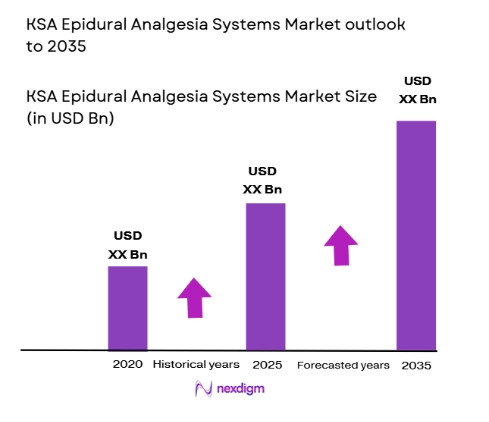
The KSA Epidural Analgesia Systems market has witnessed significant growth, driven by increasing healthcare demands and advancements in pain management technology. Based on a recent historical assessment, the market size is estimated to be valued at USD ~ billion. Key drivers contributing to this market expansion include the rising number of surgeries requiring effective pain management solutions and the growing adoption of epidural analgesia systems in maternity care. Additionally, improvements in healthcare infrastructure and technological innovations have also supported market growth, particularly in urban hospitals and pain management clinics.
The dominance of the Saudi Arabian market is primarily attributed to the strong healthcare infrastructure in major cities like Riyadh, Jeddah, and Dammam. These cities house state-of-the-art hospitals and medical institutions that heavily invest in advanced pain management systems. Moreover, Saudi Arabia’s focus on improving its healthcare services as part of its Vision 2030 initiative has led to substantial investments in medical technologies, including epidural analgesia systems. Government policies encouraging healthcare advancements and the high demand for effective childbirth pain management further bolster the market’s growth in the region.
Market Segmentation
By Product Type:
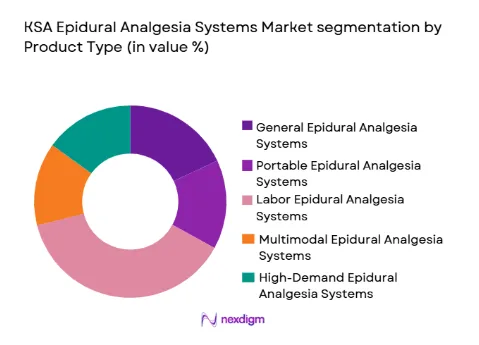
The KSA Epidural Analgesia Systems market is segmented by product type into general epidural analgesia systems, portable epidural analgesia systems, labor epidural analgesia systems, multimodal epidural analgesia systems, and high-demand epidural analgesia systems. Recently, the labor epidural analgesia systems have a dominant market share due to the increased demand for effective pain management during childbirth. Saudi Arabia’s growing birth rates and expanding maternity care facilities contribute to the rising demand for labor-focused pain management technologies. Furthermore, these systems are preferred due to their proven efficacy in managing labor pain, supported by significant investments in obstetric care within the country.
By End-User:
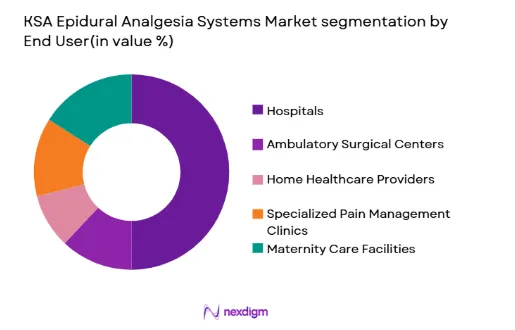
The KSA Epidural Analgesia Systems market is segmented by end-user into hospitals, ambulatory surgical centers, home healthcare providers, specialized pain management clinics, and maternity care facilities. Recently, hospitals have had a dominant market share, as they are the primary setting for epidural analgesia systems due to the high volume of surgeries and childbirth procedures conducted. Hospitals continue to be the most common healthcare facility to adopt advanced epidural analgesia systems, owing to their established infrastructure, comprehensive patient care services, and the increasing demand for both general and labor analgesia treatments.
Competitive Landscape
The KSA Epidural Analgesia Systems market is characterized by significant consolidation, with major players in the medical device industry vying for dominance through strategic mergers and acquisitions. The influence of these large companies ensures that the market is primarily controlled by established global players who invest heavily in product innovations, customer relationships, and expanding market reach. Leading companies are focusing on both high-quality products and cost-effective solutions to maintain their competitive positioning. The evolving regulatory landscape and increasing demand for advanced pain management systems further intensify competition among the top market participants.
| Company Name | Establishment Year | Headquarters | Technology Focus | Market Reach | Key Products | Revenue (USD Billion) | Additional Parameter |
| Medtronic | 1949 | Dublin, Ireland | ~ | ~ | ~ | ~ | ~ |
| B. Braun Melsungen AG | 1839 | Melsungen, Germany | ~ | ~ | ~ | ~ | ~ |
| Smiths Medical | 1940 | London, UK | ~ | ~ | ~ | ~ | ~ |
| Teleflex Incorporated | 1943 | Wayne, Pennsylvania | ~ | ~ | ~ | ~ | ~ |
| Fresenius Kabi | 1999 | Bad Homburg, Germany | ~ | ~ | ~ | ~ | ~ |
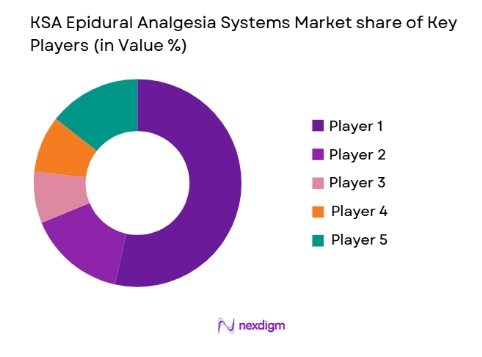
KSA Epidural Analgesia Systems Market Analysis
Growth Drivers
Increasing Surgical Procedures:
The rising number of surgical procedures across Saudi Arabia is a major driver of growth in the epidural analgesia systems market. Surgical procedures, particularly those in the fields of obstetrics, orthopedics, and cancer care, require effective pain management solutions to ensure patient comfort and optimize recovery. As surgical volumes increase, healthcare institutions are turning to advanced pain management technologies like epidural analgesia systems to manage both acute and chronic pain during and after surgeries. The increasing prevalence of chronic pain conditions, along with the expanding healthcare infrastructure in Saudi Arabia, is driving the adoption of epidural analgesia systems. Furthermore, the government’s ongoing support for healthcare improvements has led to enhanced access to high-quality medical treatments across the nation. The surge in both elective and emergency surgeries is expected to continue fueling the demand for effective pain management solutions. This trend is particularly evident in urban centers like Riyadh and Jeddah, where hospitals are equipped with the latest technologies to handle diverse medical conditions. Additionally, growing awareness about the benefits of epidural analgesia in managing labor pain contributes to its growing presence in the market. As more patients seek pain relief options, hospitals are increasingly incorporating epidural analgesia systems to meet the demand.
Expanding Maternity Care Services:
The growing demand for maternity care services in Saudi Arabia is another key driver of the epidural analgesia systems market. As the birth rate in the country remains steady, there is a growing emphasis on providing effective pain management solutions for childbirth. Epidural analgesia systems are the preferred method for pain relief during labor, and the demand for these systems is directly linked to the increasing number of childbirths each year. The shift towards modernizing maternity care services in line with global standards has contributed significantly to the growth of this market segment. In addition, Saudi Arabia’s Vision 2030 initiative, which aims to improve healthcare services, has resulted in increased investments in maternity care facilities, further boosting the adoption of epidural analgesia systems. Hospitals and maternity clinics are increasingly adopting advanced systems to ensure optimal care for expectant mothers, making epidural analgesia systems an essential part of their offerings. Moreover, public awareness campaigns promoting safe childbirth practices have led to an uptick in the number of women opting for epidural analgesia as a pain management solution. This increasing demand for effective pain relief in maternity care is expected to continue driving the growth of the epidural analgesia systems market in Saudi Arabia.
Market Challenges
High Costs of Advanced Systems:
The high costs associated with advanced epidural analgesia systems represent a significant challenge for the market. Despite the growing demand for pain management solutions, the high upfront costs of these systems can limit their adoption, particularly in smaller hospitals and clinics that lack the financial resources to invest in such technologies. The installation and maintenance of these systems require substantial investment, making it difficult for some healthcare providers to keep pace with the latest advancements. Furthermore, the cost of consumables, such as catheters and infusion pumps, adds an additional financial burden. While larger hospitals and medical centers may have the capital to invest in these systems, smaller healthcare providers may struggle to justify the cost, especially when there are alternative, lower-cost pain management options available. The high cost of training healthcare staff to use these advanced systems further adds to the financial challenges. As a result, some institutions may delay the adoption of new epidural analgesia technologies or opt for less expensive solutions, impacting the overall market growth. Until manufacturers and healthcare providers can find ways to reduce the costs associated with these systems, affordability will remain a key challenge in the market.
Lack of Skilled Professionals:
The shortage of skilled professionals trained in the administration and management of epidural analgesia systems presents a significant challenge to the growth of the market. The use of epidural analgesia requires a high level of expertise, including knowledge of the system, proper administration techniques, and monitoring of patient responses. In Saudi Arabia, the demand for skilled anesthesiologists and pain management specialists has outpaced the supply, leading to a gap in the workforce capable of delivering safe and effective pain management. This shortage can result in delays in treatment or improper use of epidural systems, compromising patient safety and treatment efficacy. Additionally, as the complexity of epidural analgesia systems increases with technological advancements, the need for specialized training becomes even more critical. This challenge is compounded by the high turnover rates of healthcare staff, which further hampers the ability to maintain a stable workforce. To address this issue, healthcare providers must invest in ongoing training programs and professional development initiatives to ensure that their staff can effectively operate these systems. Without a sufficient number of skilled professionals, the market for epidural analgesia systems in Saudi Arabia may face limitations in its growth potential.
Opportunities
Expansion of Home Healthcare:
The growing trend of home healthcare presents a significant opportunity for the KSA Epidural Analgesia Systems market. With an increasing number of patients opting for home-based care, there is a rising demand for portable and user-friendly epidural analgesia systems that can be used outside of traditional hospital settings. Home healthcare providers are seeking ways to deliver pain management solutions to patients in the comfort of their own homes, particularly for post-surgical care and chronic pain management. The development of more compact and mobile epidural systems has made it possible for these solutions to be implemented in non-hospital environments. Additionally, the government’s focus on improving healthcare access and reducing hospital congestion has further fueled the growth of home healthcare services. As patients increasingly prefer receiving care at home, the market for home-based epidural analgesia systems is expected to grow. This presents an opportunity for manufacturers to innovate and develop systems that are specifically designed for home use, with features such as portability, ease of use, and remote monitoring capabilities. By capitalizing on this trend, companies can expand their market reach and cater to a new segment of healthcare consumers.
Technological Advancements in Pain Management:
Technological advancements in pain management systems offer significant opportunities for growth in the KSA Epidural Analgesia Systems market. Innovations such as the integration of artificial intelligence, machine learning, and wireless technologies into epidural analgesia systems have the potential to revolutionize pain management practices. AI-powered systems can help predict and monitor patient responses to epidural analgesia, improving the precision and safety of treatments. Wireless systems enable real-time monitoring of patients’ conditions, allowing healthcare providers to make data-driven decisions and optimize pain management. Moreover, advancements in catheter technology and infusion pumps are enhancing the efficiency and effectiveness of epidural analgesia systems. As these technologies become more advanced and affordable, the market will likely see a shift toward the adoption of next-generation systems in both hospitals and outpatient settings. The development of more advanced, customizable, and efficient systems offers healthcare providers improved patient outcomes and increased operational efficiency. By investing in these technological innovations, manufacturers can tap into a growing demand for more effective and personalized pain management solutions.
Future Outlook
The KSA Epidural Analgesia Systems market is expected to witness significant growth in the coming years, with technological innovations and regulatory support playing a key role in shaping its future. The demand for advanced pain management systems is likely to continue growing, driven by an increase in surgeries and childbirth procedures, as well as a shift toward home-based care. With ongoing investments in healthcare infrastructure, particularly in major cities, the adoption of epidural analgesia systems will expand. Furthermore, emerging technologies, including AI and wireless systems, are expected to enhance the efficiency and accessibility of these systems. Regulatory support and government initiatives aimed at improving healthcare services will provide additional momentum for the market, creating a favorable environment for future growth.
Major Players
- Medtronic
- B. Braun Melsungen AG
- Smiths Medical
- Teleflex Incorporated
- Fresenius Kabi
- Johnson & Johnson
- GE Healthcare
- Hospira (acquired by Pfizer)
- CareFusion
- C.R. Bard
- Terumo Corporation
- Boston Scientific
- Stryker Corporation
- Pall Corporation
- ConvaTec Group
Key Target Audience
- Investments and venture capitalist firms
- Government and regulatory bodies
- Healthcare providers and hospitals
- Pain management clinics
- Maternity care facilities
- Medical device distributors
- Home healthcare providers
- Hospitals’ procurement teams
Research Methodology
Step 1: Identification of Key Variables
The first step involves identifying the key variables affecting the market, such as product types, end-user segments, and technological trends, which will shape the market’s growth trajectory.
Step 2: Market Analysis and Construction
Market analysis is conducted to evaluate the current market conditions and build a comprehensive model based on existing data, including historical market trends, technological advancements, and demographic factors.
Step 3: Hypothesis Validation and Expert Consultation
Experts are consulted to validate hypotheses and refine the market model. This step ensures that the assumptions made during the analysis align with real-world scenarios and expert opinions in the field.
Step 4: Research Synthesis and Final Output
The final step synthesizes all the gathered data, analysis, and expert insights to produce a detailed market report that provides actionable insights and forecasts for stakeholders.

- Executive Summary
- Research Methodology (Definitions, Scope, Industry Assumptions, Market Sizing Approach, Primary & Secondary Research Framework, Data Collection & Verification Protocol, Analytic Models & Forecast Methodology, Limitations & Research Validity Checks)

- Market Definition and Scope
- Value Chain & Stakeholder Ecosystem
- Regulatory / Certification Landscape
- Sector Dynamics Affecting Demand
- Strategic Initiatives & Infrastructure Growth

- Growth Drivers
Increase in the Number of Surgeries Requiring Pain Management
Advancements in Epidural Analgesia Technology
Rising Demand for Home-based Pain Management Solutions
Improved Patient Monitoring Systems
Government Initiatives Supporting Healthcare Infrastructure - Market Challenges
High Costs of Advanced Epidural Systems
Stringent Regulatory Standards for Medical Devices
Lack of Skilled Professionals in Pain Management
Product Defects and Safety Concerns
Limited Awareness in Rural Areas - Market Opportunities
Rising Demand for Labor Epidural Analgesia
Technological Innovations in Remote Pain Management
Untapped Markets in Rural and Remote Areas - Trends
Rising Adoption of Wireless and Remote Monitoring Systems
Increased Focus on Multimodal Pain Management Techniques
Personalization of Epidural Analgesia Systems
Integration of Artificial Intelligence in Pain Management
Growth in Home Healthcare for Chronic Pain Patients - Government Regulations & Defense Policy
Compliance with Medical Device Regulatory Standards
National Guidelines for Epidural Analgesia Systems
Government Support for Healthcare Advancements - SWOT Analysis
- Stakeholder and Ecosystem Analysis
- Porter’s Five Forces Analysis
- Competition Intensity and Ecosystem Mapping

- By Market Value, 2020-2025
- By Installed Units, 2020-2025
- By Average System Price, 2020-2025
- By System Complexity Tier, 2020-2025

- By System Type (In Value%)
General Epidural Analgesia Systems
Portable Epidural Analgesia Systems
Labor Epidural Analgesia Systems
Multimodal Epidural Analgesia Systems
High-Demand Epidural Analgesia Systems - By Platform Type (In Value%)
Electromechanical Systems
Wireless Epidural Analgesia Platforms
Automated Epidural Analgesia Platforms
Integrated Patient Management Platforms
Cloud-Based Epidural Platforms - By Fitment Type (In Value%)
Fixed Epidural Analgesia Systems
Mobile Epidural Analgesia Systems
Single-Use Epidural Analgesia Systems
Modular Epidural Systems
Portable Epidural Units - By EndUser Segment (In Value%)
Hospitals
Ambulatory Surgical Centers
Home Healthcare Providers
Specialized Pain Management Clinics
Maternity Care Facilities - By Procurement Channel (In Value%)
Direct Sales
Distributors
Online Sales Channels
Third-Party Providers
Government and Military Procurement - By Material / Technology (in Value%)
Electronics and Circuitry
Analgesia Technology
Needle and Catheter Materials
Wireless Communication Technology
Artificial Intelligence Integration

- Market structure and competitive positioning
- Market share snapshot of major players
- CrossComparison Parameters (Parameter1, Parameter2, Parameter3, Parameter4, Parameter5, Parameter6, Parameter7, Parameter8, Parameter9, Parameter10)
- SWOT Analysis of Key Players
- Pricing & Procurement Analysis
- Key Players
Medtronic
B. Braun Melsungen AG
Smiths Medical
Fresenius Kabi
Pall Corporation
GE Healthcare
Johnson & Johnson
Hospira (acquired by Pfizer)
CareFusion
Teleflex Incorporated
Stryker Corporation
Boston Scientific
Terumo Corporation
C.R. Bard
ConvaTec Group

- Rising Usage of Epidural Analgesia in Maternity and Childbirth
- Increasing Adoption in Ambulatory Surgical Centers
- Home Healthcare Providers Seeking Cost-Effective Solutions
- Maternity Care Facilities Expanding Services for Pain Management

- Forecast Market Value, 2026-2035
- Forecast Installed Units, 2026-2035
- Price Forecast by System Tier, 2026-2035
- Future Demand by Platform, 2026-2035


 Request a Sample
 Ask for Customization
 Get a Quote
 Enquire Now