

 Download PDF
Market Overview
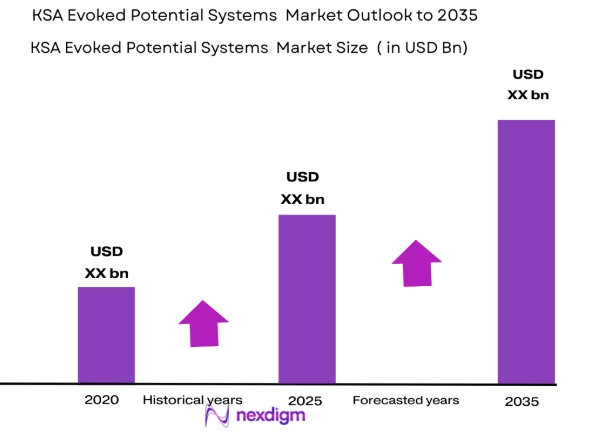
The KSA Evoked Potential Systems market is valued at approximately USD ~ billion based on a recent historical assessment, showing steady growth driven by advancements in neurological diagnostics and healthcare infrastructure. The increasing prevalence of neurological disorders, coupled with a growing demand for non-invasive diagnostic solutions, has been the key driver of this market. Additionally, technological advancements in evoked potential systems, along with a surge in the healthcare spending by the government, have positioned the market for expansion, especially in the diagnostic and rehabilitation sectors.
Several regions across Saudi Arabia are expected to dominate the market due to their robust healthcare infrastructure. Riyadh, Jeddah, and Dhahran emerge as dominant hubs due to their concentration of healthcare facilities and medical research institutes. Government initiatives aimed at improving the healthcare sector, such as Vision 2030, have further catalyzed investment in advanced diagnostic systems. These cities, with their state-of-the-art medical centers and an increasing number of neurological healthcare professionals, are driving the demand for evoked potential systems.
Market Segmentation
By Product Type
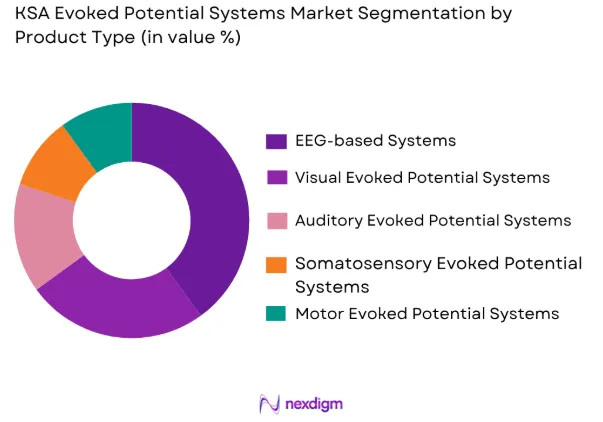
The KSA Evoked Potential Systems market is segmented by product type into EEG-based systems, visual evoked potential systems, auditory evoked potential systems, somatosensory evoked potential systems, and motor evoked potential systems. Recently, EEG-based systems have been dominating the market share due to their broad range of applications in neurology and their ability to diagnose various neurological conditions effectively. The high demand for non-invasive diagnostic methods and the affordability of EEG-based systems in comparison to other types have positioned them as the dominant sub-segment in the market.
By End-User Segment
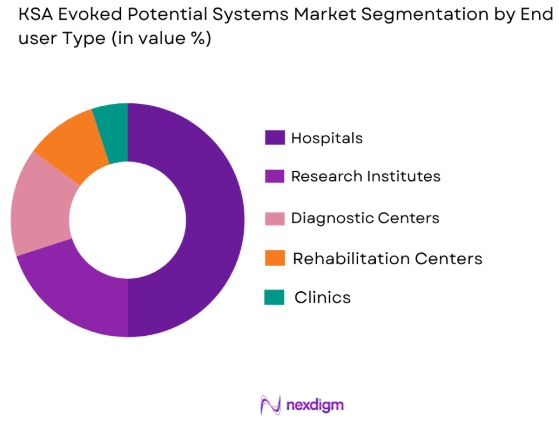
The KSA Evoked Potential Systems market is segmented by end-user segment into hospitals, research institutes, diagnostic centers, rehabilitation centers, and clinics. Recently, hospitals have been the dominant sub-segment in the market, driven by their significant demand for advanced diagnostic equipment to diagnose neurological disorders. The availability of specialized departments and expertise, along with a higher budget allocation for medical equipment in hospitals, has led to the increased usage of evoked potential systems in these healthcare settings.
Competitive Landscape
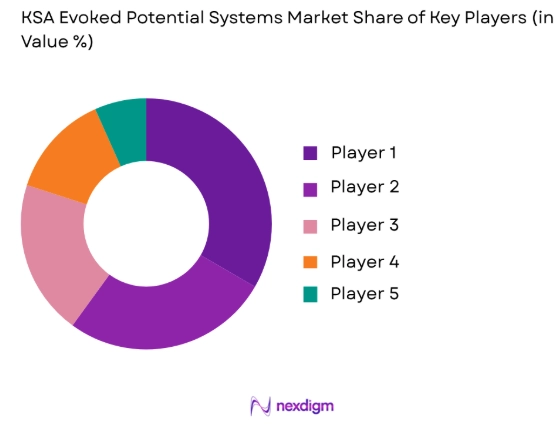
The competitive landscape of the KSA Evoked Potential Systems market is characterized by the presence of several established players who are focusing on product innovations and collaborations to consolidate their position. The market is expected to witness an increase in partnerships and mergers and acquisitions as companies look to expand their product portfolios and regional footprints. Leading players, such as Natus Medical and Neurosoft, dominate the market with advanced product offerings and strong brand recognition. Their innovations in evoked potential technologies and customer-focused solutions continue to drive competition in the sector.
| Company Name | Establishment Year | Headquarters | Technology Focus | Market Reach | Key Products | Revenue | Product Innovation |
| Natus Medical | 1989 | USA | ~ | ~ | ~ | ~ | ~ |
| Neurosoft | 1992 | Russia | ~ | ~ | ~ | ~ | ~ |
| Medtronic | 1949 | Ireland | ~ | ~ | ~ | ~ | ~ |
| Compumedics Limited | 1987 | Australia | ~ | ~ | ~ | ~ | ~ |
| Cadwell Industries | 1979 | USA | ~ | ~ | ~ | ~ | ~ |
KSA Evoked Potential Systems Market Analysis
Growth Drivers
Technological Advancements in Evoked Potential Systems
The rapid technological advancements in evoked potential systems are significantly driving market growth. Innovations in the hardware and software used in evoked potential systems have led to enhanced diagnostic accuracy and efficiency, making these systems highly sought after by medical professionals. Newer technologies have reduced the system size, making them more portable and user-friendly, which is a crucial factor driving their adoption in smaller clinics and diagnostic centers. Moreover, integration with artificial intelligence and machine learning algorithms allows for more precise and automated results, reducing the need for manual analysis and increasing efficiency in diagnosing neurological disorders. As the global healthcare sector increasingly embraces technology, there is a growing demand for sophisticated and cutting-edge diagnostic systems, driving the growth of the evoked potential systems market. Technological advancements are also contributing to reduced maintenance costs, longer system life cycles, and enhanced user interfaces, further fueling demand.
Government Investments in Healthcare Infrastructure
Another major growth driver for the KSA evoked potential systems market is the continued investments made by the government in healthcare infrastructure. The Kingdom’s Vision 2030 initiative includes extensive plans for upgrading the healthcare sector, which directly benefits the demand for advanced medical devices, including evoked potential systems. These investments in modern healthcare facilities and diagnostic tools aim to improve the overall quality of healthcare and diagnostic capabilities across the country. Moreover, government policies focusing on increasing accessibility to advanced medical technologies and promoting research in healthcare further support the market’s growth. With a push for cutting-edge technology in public health systems, healthcare providers are increasingly incorporating evoked potential systems into their operations, ensuring better patient care and diagnosis of neurological conditions.
Market Challenges
High Costs of Advanced Systems
The high costs associated with advanced evoked potential systems pose a significant challenge to the market. While the benefits of using these systems are undeniable, their prices remain a barrier to widespread adoption, especially in small to medium-sized healthcare facilities or in developing areas of Saudi Arabia. The high upfront investment, coupled with maintenance and training costs, limits the reach of these systems to well-funded hospitals and research institutes. Even with government initiatives aimed at improving healthcare infrastructure, the prohibitive costs of these advanced systems can slow down their adoption, especially in less affluent areas or for smaller healthcare providers. As a result, many medical centers may opt for less expensive or outdated alternatives, reducing the overall growth potential of the market.
Regulatory Approval Delays
Regulatory approval delays are another significant challenge for the market, particularly in a country like Saudi Arabia where healthcare regulations are strict. The lengthy and complex process involved in obtaining regulatory approval for medical devices can result in delays for manufacturers entering the market or expanding their offerings. These delays can cause companies to miss out on potential market opportunities and slow down the overall pace of innovation. Furthermore, regulatory compliance costs can be high, adding an additional layer of complexity for manufacturers looking to enter the market. As the demand for evoked potential systems grows, the regulatory process needs to be streamlined to allow for faster product rollouts, which would enhance competition and benefit healthcare providers.
Opportunities
Growing Demand for Non-Invasive Diagnostic Solutions
One of the most significant opportunities in the KSA evoked potential systems market is the growing demand for non-invasive diagnostic solutions. As more patients seek alternatives to invasive diagnostic methods, evoked potential systems provide a valuable tool for diagnosing neurological conditions without the need for surgery or other intrusive procedures. This shift towards non-invasive methods is driven by both patient preferences for safer and more comfortable diagnostic procedures and medical professionals’ efforts to reduce healthcare costs associated with invasive techniques. The growing awareness of neurological conditions such as epilepsy, multiple sclerosis, and Parkinson’s disease, combined with the growing trend for less invasive diagnostic options, presents a unique opportunity for evoked potential systems manufacturers to expand their market share. As healthcare providers continue to prioritize patient comfort and safety, the demand for non-invasive diagnostic solutions will continue to rise.
Advances in Portable and Wearable Evoked Potential Systems
Another significant opportunity for the KSA evoked potential systems market lies in the advancements in portable and wearable devices. These devices allow for greater mobility, enabling patients to undergo neurological testing in various settings beyond traditional healthcare facilities. The increased focus on outpatient care, home healthcare, and remote patient monitoring has created a strong market for portable evoked potential systems. Wearable devices, in particular, are gaining traction in the healthcare sector as they provide continuous monitoring of neurological conditions, enabling real-time data collection and improved patient management. This growing trend toward portability and ease of use presents a unique opportunity for companies to innovate and meet the demand for more flexible diagnostic solutions that can be used outside of hospitals and clinics.
Future Outlook
The future outlook for the KSA evoked potential systems market indicates steady growth driven by continued technological advancements and strong government support for healthcare infrastructure. The market is expected to witness an increase in demand for advanced diagnostic tools as the country modernizes its healthcare system under Vision 2030. Technological developments, particularly in portable and wearable devices, will drive new growth opportunities, making evoked potential systems more accessible to patients outside traditional healthcare settings. Furthermore, the increasing prevalence of neurological diseases and the shift towards non-invasive diagnostic techniques will fuel demand in both urban and rural areas. As the regulatory environment stabilizes and more healthcare providers adopt these technologies, the market is expected to experience long-term growth and continued innovation.
Major Players
- Natus Medical
- Neurosoft
- Medtronic
- CompumedicsLimited
- Cadwell Industries
- NeuroWaveSystems
- Micromed
- Yokogawa Electric Corporation
- Cognionics
- Teledyne Technologies
- Grass Technologies
- HitecProducts
- Mindray Medical International Limited
- Control Medical Technology
- DantecDynamics
Key Target Audience
- Investments and venture capitalist firms
- Government and regulatory bodies
- Hospitals and healthcare providers
- Research institutes and universities
- Medical equipment distributors
- Rehabilitationcenters
- Diagnostic clinics
- Healthcare technology integrators
Research Methodology
Step 1: Identification of Key Variables
The key variables influencing the market are identified through secondary research, including market reports, industry publications, and government publications. This step helps in understanding the major trends, challenges, and opportunities affecting the market.
Step 2: Market Analysis and Construction
An in-depth analysis of the market dynamics is performed, using both qualitative and quantitative research methods. Data is collected from both primary and secondary sources to estimate the market size and growth potential.
Step 3: Hypothesis Validation and Expert Consultation
Expert consultations are conducted to validate the research hypothesis and gather insights from industry professionals. This helps to refine the research methodology and ensure that the analysis is based on real-world data and expert opinions.
Step 4: Research Synthesis and Final Output
The research findings are synthesized into a comprehensive market report that provides a detailed outlook on the market, including growth drivers, challenges, and opportunities. The final output includes actionable insights and recommendations for stakeholders.

- Executive Summary
- Research Methodology (Definitions, Scope, Industry Assumptions, Market Sizing Approach, Primary & Secondary Research Framework, Data Collection & Verification Protocol, Analytic Models & Forecast Methodology, Limitations & Research Validity Checks)

- Market Definition and Scope
- Value Chain & Stakeholder Ecosystem
- Regulatory / Certification Landscape
- Sector Dynamics Affecting Demand
- Strategic Initiatives & Infrastructure Growth

- Growth Drivers
Increasing Prevalence of Neurological Disorders
Technological Advancements in Evoked Potential Systems
Growing Demand for Non-invasive Diagnostic Solutions - Market Challenges
High Cost of Advanced Evoked Potential Systems
Lack of Skilled Professionals
Regulatory Hurdles in System Approvals - Market Opportunities
Expansion of Healthcare Infrastructure
Increase in Healthcare Awareness
Growth in Rehabilitation and Research Segments - Trends
Rising Adoption of Wearable Systems
Integration of AI with Evoked Potential Systems
Shift Towards Cloud-Based Platforms - Government Regulations
- SWOT Analysis of Key Competitors
- Porter’s Five Forces

- By Market Value, 2020-2025
- By Installed Units, 2020-2025
- By Average System Price, 2020-2025
- By System Complexity Tier, 2020-2025

- By Product Type (In Value%)
EEG-based Systems
Visual Evoked Potential Systems
Auditory Evoked Potential Systems
Somatosensory Evoked Potential Systems
Motor Evoked Potential Systems - By Platform Type (In Value%)
Portable Systems
Standalone Systems
Integrated Systems
Modular Systems
Cloud-Based Systems - By End User Segment Type (In Value%)
Hospitals
Research Institutes
Diagnostic Centers
Rehabilitation Centers
Clinics - By Procurement Channel (In Value%)
Direct Sales
Distributors
Online Sales
OEM Partnerships
Government Tenders

- Market Share Analysis
- Cross Comparison Parameters (System Type, Platform Type, Fitment Type, EndUser Segment, Procurement Channel, Product Type, Modality Type, Channel Configuration, Portability, Automation Level, Technology Type, Application Area, Patient Group, Connectivity Features, Service Support Model)
- SWOT Analysis of Key Competitors
- Pricing & Procurement Analysis
- Key Players
Neurosoft
Compumedics Limited
Natus Medical Incorporated
Medtronic PLC
Cognionics
Grass Technologies
Dantec Dynamics
Yokogawa Electric Corporation
Micromed
NeuroWave Systems
Cadwell Industries
Control Medical Technology
MedeAnalytics
Hitec Products
Teledyne Technologies
Mindray Medical International Limited

- Demand from Hospitals and Diagnostic Centers
- Research Institutes’ Adoption of Evoked Potential Systems
- Use in Rehabilitation and Therapy
- Emerging Demand in Private Clinics

- By Market Value, 2026-2035
- By Installed Units, 2026-2035
- By Average System Price, 2026-2035
- By System Complexity Tier, 2026-2035


 Request a Sample
 Ask for Customization
 Get a Quote
 Enquire Now