
 Download PDF
Market Overview
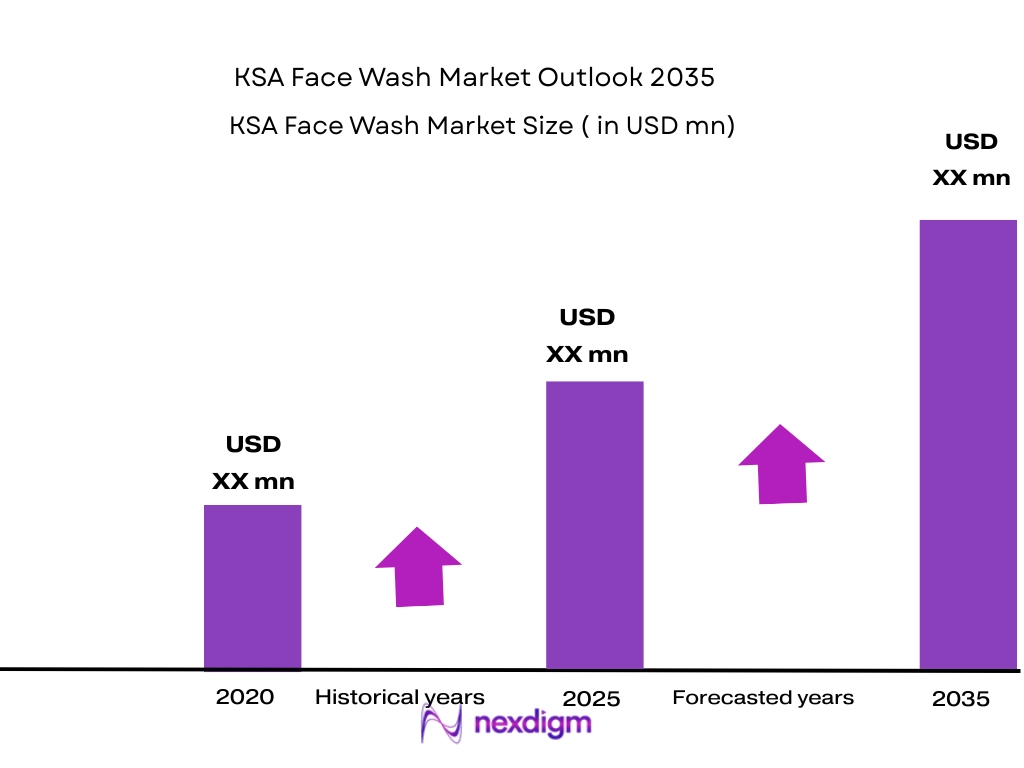
The KSA face wash market is valued at USD ~ million based on detailed industry analysis. This valuation reflects consumer expenditure on facial cleansing products in Saudi Arabia as of the baseline analysis year and accounts for retail revenue generated across product types including gels, foams, and creams. The market is driven by rising consumer awareness regarding personal grooming, increased disposable incomes among the urban population, and a shift toward premium and functional skincare products. Rising digital engagement and e‑commerce adoption have also broadened market reach and accessibility.
The face wash market in Saudi Arabia is bolstered by dominance in major urban centers such as Riyadh, Jeddah, and Dammam, where dense population clusters and higher consumer purchasing power exist. These cities host extensive retail networks, international brand outlets, and sophisticated e‑commerce infrastructure, making them focal points for cosmetic and skincare consumption. In addition, cultural emphasis on personal grooming in these metropolitan regions has propelled demand for specialized skincare solutions, further reinforcing market momentum across the country. For the period from 2024 to 2030, the forecasted CAGR for the KSA face wash market is approximately 6.18%, reflecting steady expansion as consumer preference for targeted skincare solutions grows.
Market Segmentation
By Product Type
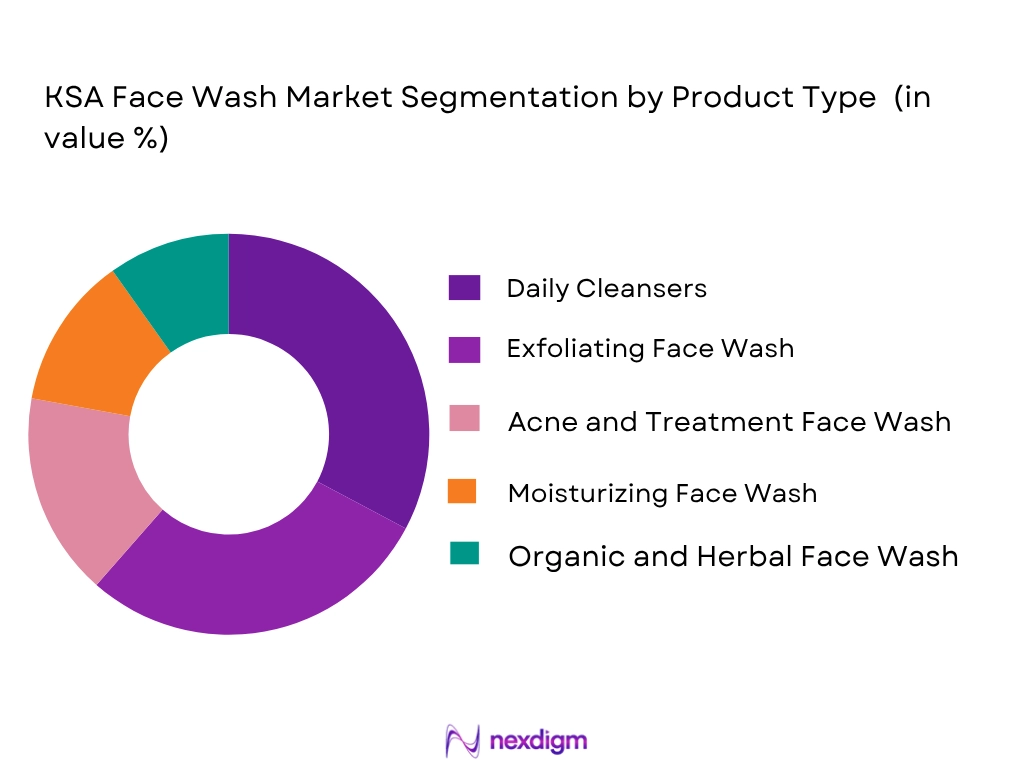
The KSA face wash market is segmented by product type into gel, foam, cream, and others. Gel‑based face wash products hold the dominant share in 2024. The preference for gel formulations stems from their lightweight texture, suitability for combination and oily skin types, and perceived effectiveness in deep cleansing. A considerable portion of consumers in Saudi Arabia prefer gel cleansers for daily routines due to their refreshing feel and compatibility with hot climates. Strong brand positioning of gel products by multinational and local skincare brands through targeted marketing further supports this segment’s market share. Foam‑based products follow closely, appealing to younger consumers who favor easy lather and gentle cleansing.
By application
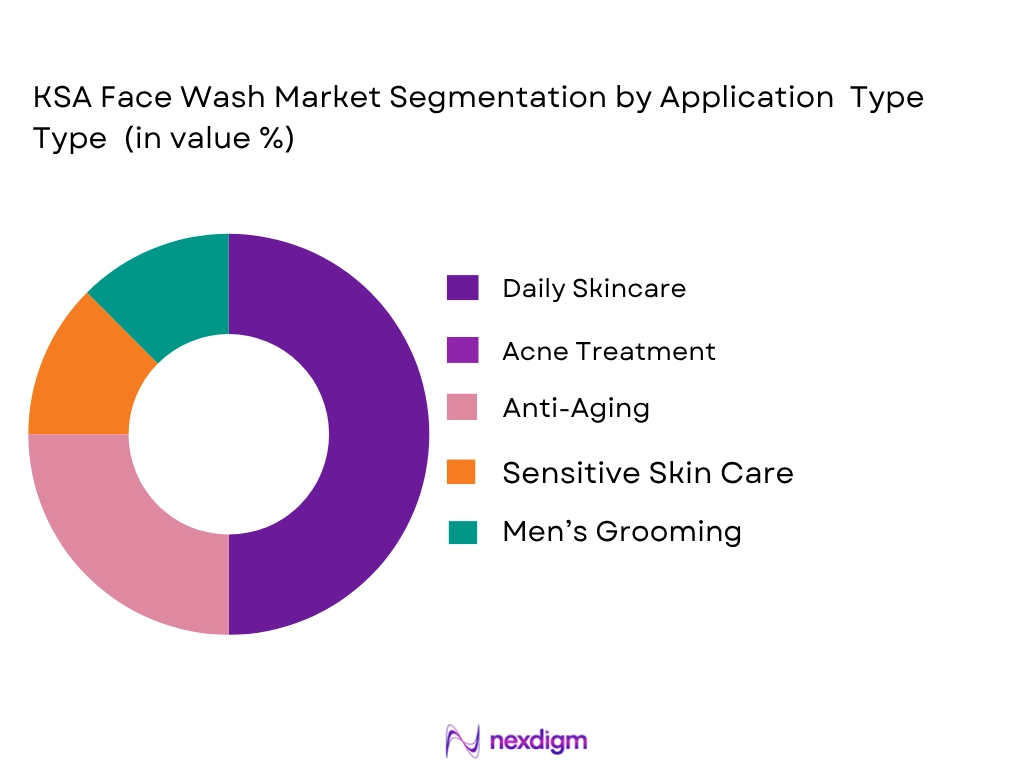
The face wash market in Saudi Arabia is also segmented by functional application into anti‑acne, brightening, anti‑aging, and other functions. The anti‑acne segment is leading in 2024 due to heightened consumer focus on addressing breakout‑related concerns driven by climatic conditions and lifestyle factors. Younger consumers, in particular, actively seek anti‑acne formulations with active ingredients like salicylic acid and tea tree extract, which have gained credibility for effectiveness. Intensive social media discussions around skincare routines have further driven adoption of anti‑acne products. Brightening products maintain significant share, supported by cultural emphasis on complexion enhancement and demand for products promising luminous skin benefits.
Competitive Landscape
The KSA face wash market features a combination of global beauty companies and strong international personal care brands that influence consumer preferences. Competitive dynamics show that established multinational companies maintain significant retail footprint and brand equity, while regional entrants are gaining traction by focusing on tailored formulations and halal‑certified offerings.The market consolidation around major players underscores the competitive intensity within Saudi Arabia’s face wash segment, as companies expand distribution channels and innovate product portfolios to capture market share.
| Company | Establishment Year | Headquarters | Key Product Range | Distribution Presence | Market Focus | Digital Engagement | Local Partnerships |
| L’Oréal | 1909 | France | ~ | ~ | ~ | ~ | ~ |
| Unilever | 1929 | UK/Netherlands | ~ | ~ | ~ | ~ | ~ |
| Procter & Gamble | 1837 | USA | ~ | ~ | ~ | ~ | ~ |
| Johnson & Johnson | 1886 | USA | ~ | ~ | ~ | ~ | ~ |
| Nivea (Beiersdorf) | 1882 | Germany | ~ | ~ | ~ | ~ | ~ |
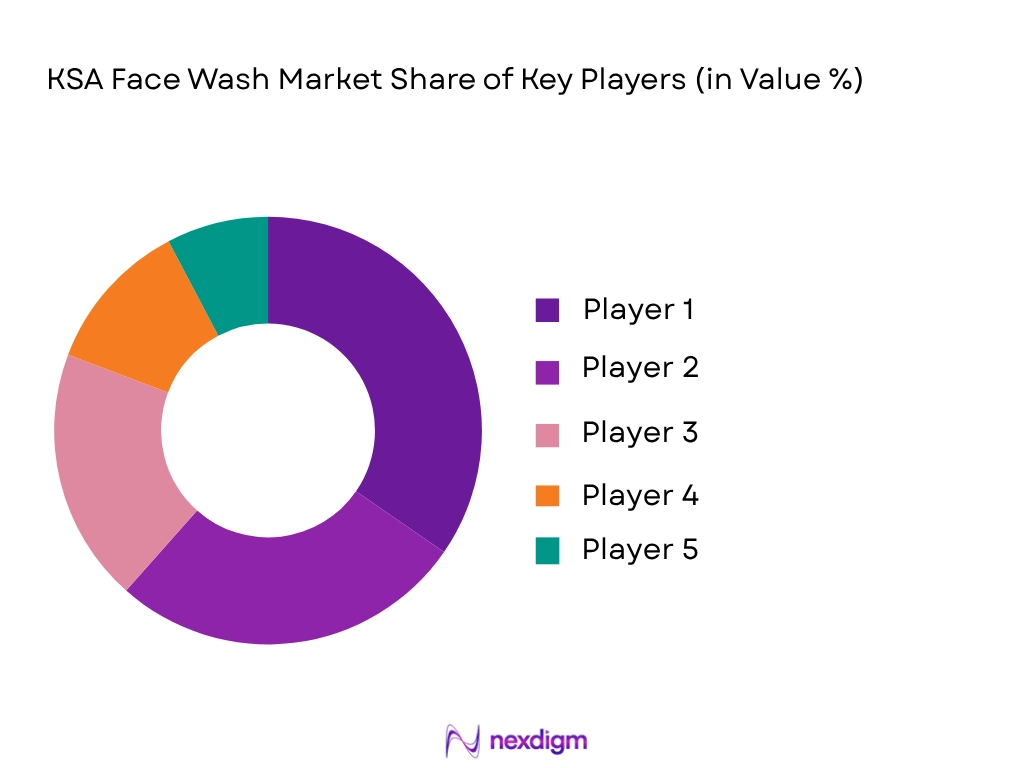
KSA Face Wash Market Analysis
Growth Drivers
Rising Awareness of Skincare and Personal Grooming:
In Saudi Arabia, consumers are increasingly conscious of personal grooming and skin health, influenced by social media, beauty campaigns, and global wellness trends. Both men and women are adopting regular skincare routines, seeking products that address specific needs such as acne control, hydration, anti-aging, and sensitive skin care. Dermatologist-endorsed products and influencer-led campaigns have strengthened consumer trust, driving demand for high-quality face wash formulations. This growing awareness is encouraging the adoption of premium and multifunctional products, stimulating innovation among brands to provide specialized options for different skin types, climates, and concerns. Overall, increasing skincare literacy is a key driver of the face wash market in KSA.
Increasing E-Commerce Penetration for Beauty Products
The growth of digital channels in Saudi Arabia has transformed the way consumers purchase beauty and skincare products. E-commerce platforms, mobile apps, and social media marketplaces provide easy access to a wide range of international and local face wash brands. Consumers benefit from detailed product descriptions, customer reviews, and convenient doorstep delivery, enabling informed purchasing decisions. Digital promotions, flash sales, and subscription-based offerings further increase engagement and trial purchases. The expanding online presence allows brands to reach tech-savvy, urban youth and establish direct relationships with consumers, significantly contributing to sales growth and market penetration beyond traditional retail channels.
Market Challenges
High Price Sensitivity
Despite the growth of premium skincare products, a significant portion of Saudi consumers remains sensitive to price, particularly in mass-market segments. Many buyers prioritize affordability over advanced features, making it challenging for brands to introduce high-priced innovations without compromising adoption. Companies must optimize production costs, manage supply chains efficiently, and offer competitive pricing to maintain market share. Seasonal promotions, bundled offers, and loyalty programs are often necessary to attract price-conscious consumers. Balancing cost, quality, and brand perception remains a key challenge, particularly as emerging brands compete aggressively for attention in a competitive landscape.
Competition from Imported and Local Brands
The KSA face wash market is highly competitive, with numerous local and international brands vying for consumer attention. Imported products often carry strong brand recognition, while local brands compete on affordability and accessibility. This creates pressure on pricing, marketing strategies, and product innovation. Smaller or emerging brands may struggle to differentiate themselves, while established players must continually update product formulations, branding, and promotions to retain consumer loyalty. The abundance of alternatives also increases the likelihood of brand switching, emphasizing the need for consistent quality, targeted campaigns, and niche positioning to maintain a sustainable competitive advantage in the market.
Opportunities
Growth in Organic and Natural Face Wash Segment
There is a rising preference among Saudi consumers for natural, chemical-free, and eco-friendly skincare products. Organic face washes containing herbal extracts, essential oils, and sustainably sourced ingredients appeal to health-conscious and environmentally aware buyers. Such products are perceived as safer and more beneficial for long-term skin health, allowing brands to target a premium segment willing to pay higher prices. Marketing strategies emphasizing sustainability, dermatological testing, and cruelty-free certifications further enhance brand credibility. Introducing organic and natural face washes provides opportunities for differentiation, brand loyalty, and expansion in a niche yet fast-growing segment of the Saudi skincare market.
Rising Demand for Men’s Skincare Products
Male consumers in Saudi Arabia are increasingly investing in personal grooming and skincare routines. This demographic seeks face washes tailored to specific male skin concerns, such as oiliness, acne, or post-shaving irritation. The market for men’s grooming products, including specialized cleansers, is expanding rapidly, driven by social media awareness, influencer campaigns, and lifestyle changes. Brands that develop formulations targeting male consumers and launch dedicated marketing campaigns can capitalize on this emerging segment. The growth of men’s skincare represents a significant opportunity for product diversification, revenue expansion, and long-term brand loyalty in the competitive KSA face wash market.
Future Outlook
Over the next decade, the KSA face wash market is expected to show steady growth driven by ongoing digital transformation in retail, rising consumer health consciousness, and increasing demand for specialized and natural ingredient‑based skincare formulations. E‑commerce expansion will continue to facilitate market penetration beyond traditional urban centers, while younger demographics and increased spending power among women and men alike will broaden consumer bases. Furthermore, skincare routines integrating multifunctional products (e.g., cleansing plus treatment) are anticipated to shape product innovation. Consumer preference toward halal‑certified, clean beauty, and sustainability will further influence product development and brand strategies.
Major Players
- L’Oréal
- Unilever
- Procter & Gamble
- Johnson & Johnson
- Beiersdorf (Nivea)
- The Estée Lauder Companies
- Shiseido
- Garnier (L’Oréal)
- Neutrogena (Johnson & Johnson)
- The Body Shop
- Clinique (Estée Lauder)
- Simple (Unilever)
- Olay (P&G)
- Sephora Collection
- Local/KSA indigenous brands
Key Target Audience
- Domestic and international personal care product manufacturers
- Retailers and distributors in cosmetics and skincare segments
- Investors and venture capitalist firms focusing on beauty and personal care
- Government and regulatory bodies (Saudi Food and Drug Authority)
- Importers and export facilitators in GCC cosmetic products
- Private equity firms with interest in Middle East consumer goods
- Brand marketing and product development divisions in beauty companies
- Supply chain and logistics partners servicing the cosmetics sector
Research Methodology
Step 1: Identification of Key Variables
The initial phase involved mapping all stakeholders pertinent to the KSA face wash market. This included comprehensive desk research using secondary data from industry reports and proprietary databases to identify market definitions, segmentation variables, and economic drivers.
Step 2: Market Analysis and Construction
Historical data on market revenue, consumption patterns, and distribution trends was compiled. Product categories and function‑based segments were analyzed to assess penetration levels and consumer preferences. Revenue was estimated using a bottom‑up approach and validated with existing structured industry insights.
Step 3: Hypothesis Validation and Expert Consultation
Market insights were refined through discussions with industry professionals and skincare brand representatives to validate assumptions. These consultations provided practical context on operational trends, consumer behaviour, and competitive strategies.
Step 4: Research Synthesis and Final Output
Final outputs were synthesized by correlating empirical data with primary insights. The synthesis ensured accurate representation of product segment dynamics, competitive positioning, and future market trajectory.

- Executive Summary
- Research Methodology (Market Definitions and Assumptions, Abbreviations, Market Sizing Approach, Consolidated Research Approach, Understanding Market Potential Through In-Depth Industry Interviews, Primary Research Approach, Limitations and Future Conclusions)

- Definition and Scope
- Market Dynamics Overview
- Market Genesis
- Major Players and Market Timeline
- Business Cycle and Trends
- Supply Chain and Value Chain Analysis

- Growth Drivers
Rising Awareness of Skincare and Personal Grooming
Increasing E-Commerce Penetration for Beauty Products
Growing Youth Population and Urbanization
Expansion of Retail and Modern Trade Channels - Market Challenges
High Price Sensitivity
Competition from Imported and Local Brands
Stringent Regulatory Compliance for Cosmetics
Seasonal Demand Fluctuations - Opportunities
Growth in Organic and Natural Face Wash Segment
Rising Demand for Men’s Skincare Products
Expansion of Online Retail and Direct-to-Consumer Channels
Innovation in Face Wash Formulations and Packaging - Key Trends
Shift toward natural and chemical-free ingredients
Rising demand for anti-acne and anti-aging products
Increased marketing via social media and influencer channels
Expansion of premium and personalized skincare offerings - Government Regulations
- SWOT Analysis
- Porter’s Five Forces

- By Value, 2020–2025
- By Volume, 2020–2025
- By Average Price, 2020–2025

- By Product Type (In Value %)
Daily Cleansers
Exfoliating Face Wash
Acne and Treatment Face Wash
Moisturizing Face Wash
Organic and Herbal Face Wash - By Ingredient Type (In Value %)
Salicylic Acid
Glycolic Acid
Benzoyl Peroxide
Aloe Vera
Vitamin C
Natural Extracts - By Application (In Value %)
Daily Skincare
Acne Treatment
Anti-Aging
Sensitive Skin Care
Men’s Grooming - By Distribution Channel (In Value %)
Direct Sales
Retail Pharmacies
Supermarkets and Hypermarkets
Online Channels
Specialty Beauty Stores - By Region (In Value %)
Riyadh
Jeddah
Dammam
Mecca
Rest of KSA

- Market Share of Major Players by Value/Volume
- Market Share of Major Players by Product Type
- Cross Comparison Parameters(Company Overview, Business Strategies, Recent Developments, Strength, Weakness, Organizational Structure, Revenues, Revenues by Product Type, Number of Touchpoints, Distribution Channels, Number of Dealers and Distributors, Margins, Production Plant, Capacity, Unique Value Offering and Others)
- SWOT Analysis of Major Players
- Pricing Analysis Based on Product Categories for Major Players
- Detailed Profiles of Major Companies
Procter & Ga
mble
Unilever
Beiersdorf AG
L’Oréal Group
Johnson & Johnson
Hindustan Unilever Limited
Herbal Essentials
Garnier KSA
Nivea KSA
Dabur International
Amway KSA
The Body Shop KSA

- Market Demand and Utilization
- Purchasing Power and Budget Allocations
- Regulatory and Compliance Requirements
- Needs, Desires, and Pain Point Analysis
- Decision-Making Process

- By Value, 2026–2035
- By Volume, 2026–2035
- By Average Price, 2026–2035


 Request a Sample
 Ask for Customization
 Get a Quote
 Enquire Now