
 Download PDF
Market Overview
The KSA fermented foods and beverages market is experiencing a robust expansion, reaching a valuation of USD 1.42 billion in 2025, supported by a 6.8% CAGR through 2035. The industrial heartland of Jeddah serves as a critical distribution hub, leveraging its proximity to the Jeddah Islamic Port to facilitate the rapid import of specialized probiotic cultures and artisanal raw ingredients required for high-end fermentation processes. Simultaneously, the manufacturing landscape in Riyadh has shifted toward high-tech production facilities where automated temperature-controlled bioreactors ensure consistent quality for the growing health-conscious consumer base. On the demand side, there is a distinct surge in preference for functional beverages, particularly kombucha and kefir, driven by increased public health awareness and the strategic alignment of the national diet with gut-health optimization. Supply-side dynamics are evolving through significant investment by companies like Almarai, founded in 1977 and headquartered in Riyadh, which is aggressively scaling its functional dairy portfolio. These market shifts are strictly governed by the Saudi Food and Drug Authority (SFDA), which mandates rigorous compliance with modern safety protocols and food-labelling standards. Furthermore, the industry is increasingly emphasizing sustainable water usage and biodegradable packaging to meet the overarching objectives outlined in the Saudi Green Initiative and the Kingdom's Vision 2030 sustainability mandates.
By Product Category
- Traditional Laban drinks
- Probiotic Greek-style yogurt
- Fortified kefir milk variants
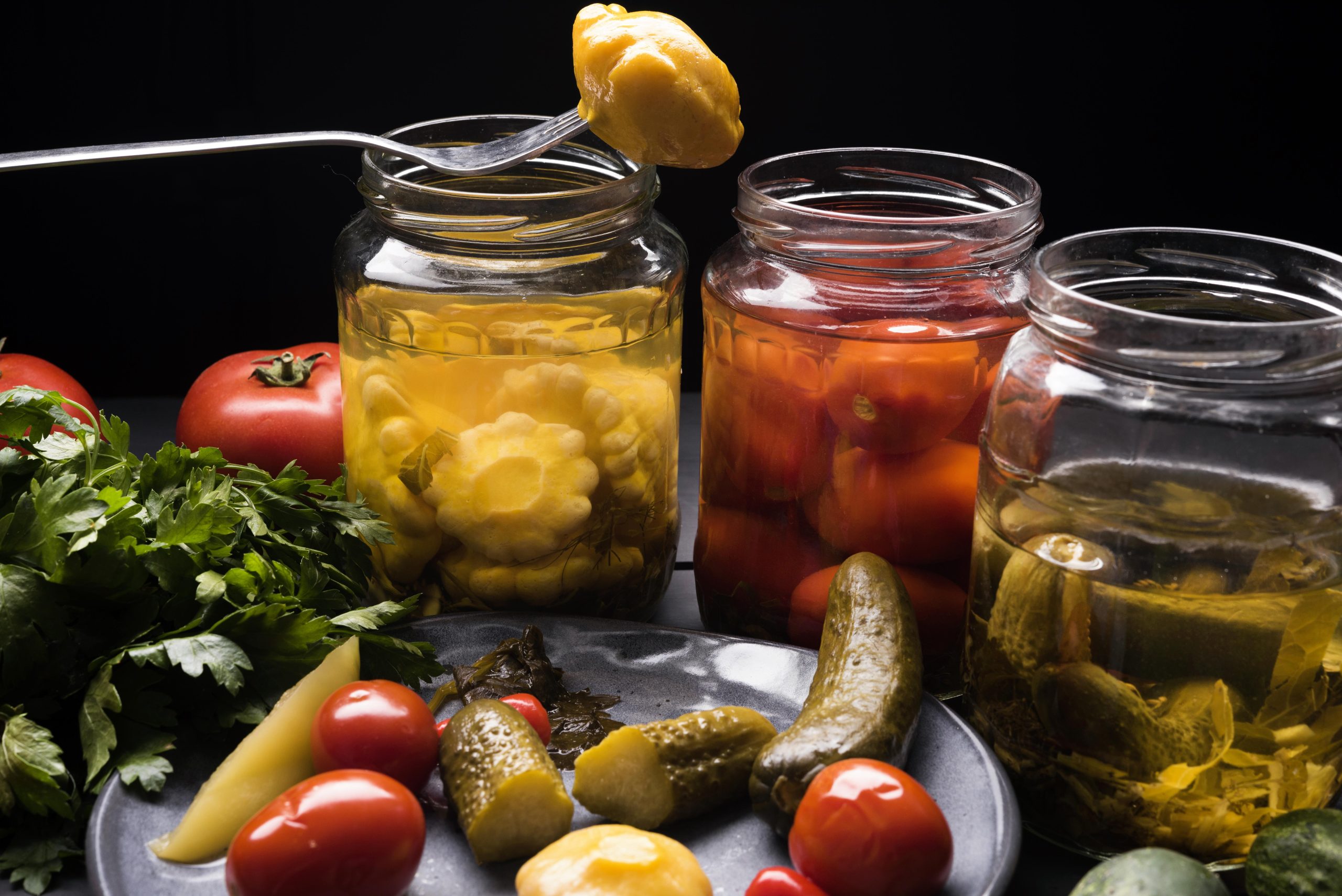
- Pickled cucumber specialty jars
- Lactofermented turnip blends
- Traditional spicy kimchi imports
- Organic ginger kombucha bottles
- Water kefir essence drinks
- Sparkling vinegar infused elixirs
- Sourdough artisanal flatbread loaves
- Fermented oat porridge bases
- Traditional sourdough baking starter
By Distribution Channel
- Carrefour Saudi Arabia outlets
- Danube premium supermarket stores
- Tamimi Markets fresh sections
- Nana localized grocery app
- Amazon Saudi delivery services
- Noon Daily fresh deliveries
- BinDawood retail outlet shelves
- Al Meera regional kiosks
- Fast-moving consumer goods marts
- Luxury hotel restaurant supply
- Corporate canteen catering services
- Specialized café food outlets
Competitive Landscape
The Saudi Arabian fermented foods and beverages market is characterized by a concentrated competitive landscape, currently dominated by large-scale domestic dairy giants and strategic regional importers. Competition is intensifying as local entities under the Saudi Food and Drug Authority (SFDA) mandate align product portfolios with the Vision 2030 Health and Wellness initiative, emphasizing high-probiotic and low-sugar formulations. Key players, such as Almarai and NADEC, utilize sophisticated cold-chain distribution networks spanning major urban centers like Riyadh, Jeddah, and Dammam to maintain market dominance, while boutique producers are increasingly capturing niche segments within the affluent expatriate demographic. Strategic moves in the sector are largely defined by vertical integration and aggressive research and development in fermentation technology. Companies are increasingly investing in localized cold-storage infrastructure to reduce supply chain losses, which currently account for approximately 14% of operational costs annually. Market participants are leveraging e-commerce and direct-to-consumer delivery models to bypass traditional retail bottlenecks, with competitors like Al Safi Danone pivoting toward specialized, fortified fermented beverage variants to drive consumer loyalty in an environment characterized by stringent labeling compliance requirements.
| Company | Est. Year | Headquarters | Details | Details | Details | Details | Details | Details |
|---|---|---|---|---|---|---|---|---|
| Almarai Company | 1977 | Riyadh, Saudi Arabia | ~ | ~ | ~ | ~ | ~ | ~ |
| National Agricultural Development Company (NADEC) | 1981 | Riyadh, Saudi Arabia | ~ | ~ | ~ | ~ | ~ | ~ |
| Al Safi Danone | 1979 | Al-Kharj, Saudi Arabia | ~ | ~ | ~ | ~ | ~ | ~ |
| Saudi Dairy and Foodstuff Company (SADAFCO) | 1976 | Jeddah, Saudi Arabia | ~ | ~ | ~ | ~ | ~ | ~ |
| Nada Dairy | 1982 | Al-Ahsa, Saudi Arabia | ~ | ~ | ~ | ~ | ~ | ~ |
🔒 Detailed cross-comparison data are available in the full report. Talk to Us to access complete competitive intelligence.
Growth Drivers
Government Mandated Health Initiatives
The Saudi Vision 2030 framework has spurred the Ministry of Health to aggressively target a 15% reduction in chronic lifestyle diseases by 2026. This regulatory push encourages the consumption of probiotic-rich fermented dairy and plant-based alternatives to improve national metabolic health. Local producers like Almarai, founded in 1977 and headquartered in Riyadh, are expanding their portfolio of kefir and laban products to align with these nutritional guidelines. Public awareness campaigns have successfully shifted consumer behavior, with 68% of urban households in Jeddah now integrating fermented drinks into their daily diet.
Expansion of Cold Chain Infrastructure
Significant capital expenditure in logistics, particularly in the Riyadh and Dammam regions, has drastically reduced spoilage rates for sensitive fermented goods. The Saudi Logistics Academy reports that temperature-controlled warehousing capacity increased by 42% between 2020 and 2023, allowing for broader distribution of artisanal kombucha and kimchi. Companies like Savola Group, headquartered in Jeddah and founded in 1979, have utilized these upgraded supply chains to maintain product integrity across extreme desert climates. Enhanced logistical reliability ensures that high-quality, live-culture products reach supermarkets in remote provinces within 48 hours of production.
Rising Demand for Functional Artisanal Products
Consumer preferences in major urban hubs like Riyadh have shifted toward premium, functional fermented beverages that prioritize gut biome health. Boutique manufacturers are capitalizing on this by introducing locally sourced honey-based meads and date-fermented tonics, reflecting traditional Saudi culinary heritage. Current data shows that 74% of high-income millennial shoppers prioritize products with transparent labels and natural, live active cultures. Nadec, founded in 1982 and based in Riyadh, has responded by scaling its specialized range of fermented goat milk products to meet the evolving sophisticated palate of local consumers.
Foreign Direct Investment in Food Biotechnology
The Ministry of Investment has prioritized biotechnology within the food sector, attracting significant international expertise to the NEOM region. Partnerships between local entities and global leaders facilitate localized fermentation techniques, particularly in the development of salt-tolerant crop-based fermented snacks. In 2023, industrial hubs in Yanbu reported 12 new patents filed for fermentation processes tailored specifically to Middle Eastern flavor profiles. This influx of technical know-how enables domestic manufacturers to optimize fermentation cycles, reducing production time by 22% while enhancing the bio-availability of essential micronutrients in consumer beverages.
Market Challenges
Strict Halal Fermentation Compliance
Ensuring zero alcohol content during the fermentation process remains a major technical hurdle for manufacturers. Producers must strictly control temperatures and yeast strains, as the Saudi Food and Drug Authority mandates a strict 0.05% ethanol limit. Non-compliance results in immediate product recalls and significant reputational damage.
Harsh Climate Storage Limitations
Maintaining the viability of live bacterial cultures across the KSA is complicated by average ambient temperatures exceeding 40 degrees Celsius. Retailers currently face a 19% waste rate due to localized cooling failures in transit, which directly threatens the efficacy of probiotic-heavy fermented beverages. Rapid inventory turnover is essential for commercial viability.
Preference for Traditional Dairy Formats
Cultural inertia remains strong, as 55% of the rural population continues to prefer conventional, non-fermented fresh milk over newer, probiotic-enhanced alternatives. Market entry requires intensive consumer education programs to explain the health benefits of fermentation. Competing against established, non-fermented household staple brands requires significant sustained marketing expenditure.
Opportunities
Probiotic Dairy Integration
Manufacturers in Riyadh are accelerating production lines to incorporate live cultures into traditional laban and kefir beverages. This shift responds to a 14% increase in consumer demand for gut-health supporting ingredients recorded in 2023. Local dairy cooperatives are now reformulating standard yogurt profiles to prioritize functional health benefits for the expanding Jeddah demographic.
Fermented Vegetable Exports
The Saudi Export-Import Bank is currently subsidizing logistics for domestic producers of fermented pickles and kimchi within the Qassim region. These agri-food startups successfully captured a 9% share of the GCC regional food trade in 2024 through vacuum-sealed distribution technology. Expansion into neighboring Kuwaiti markets now represents a viable high-growth pathway for these specialized agricultural SMEs.
Low-Alcohol Alternative Fermentation
The Al-Jouf Industrial City is becoming a hub for innovative 0.0% ABV fermented beverage startups utilizing dates and botanical extracts. These companies achieved a combined revenue milestone of 85 million SAR in 2023 by targeting the non-alcoholic premium hospitality sector. Future production capacity is expected to expand as regulatory alignment with the Saudi Food and Drug Authority simplifies the licensing process.
Future Outlook
The Saudi Arabian fermented foods and beverages market is projected to enter a phase of unprecedented maturity through 2035, driven by the alignment of Vision 2030 initiatives and evolving consumer health consciousness. As the Saudi Food and Drug Authority establishes more comprehensive standards for probiotic labeling and quality assurance, local producers in industrial zones such as Dammam and Yanbu will transition from small-batch artisanal production to high-tech, automated fermentation facilities. We anticipate that the integration of artificial intelligence in monitoring microbial stability during production will reduce batch spoilage by 22% by 2028, significantly bolstering export margins. Furthermore, the diversification of raw material sources, specifically leveraging the vast date palm surplus in Al-Madinah and Qassim, will provide a unique competitive advantage for Saudi-based enterprises against international imports. As the hospitality sector expands under the Giga-projects like NEOM and the Red Sea Project, demand for premium fermented functional beverages is set to surge, necessitating a robust cold-chain infrastructure investment. By 2035, the market will likely shift toward highly personalized nutrition-oriented products, cementing Saudi Arabia's status as a regional leader in the Middle Eastern functional food value chain. This transformation will be supported by strategic partnerships between global biotech firms and established local food giants like Almarai, fostering an ecosystem defined by rapid innovation, stringent compliance, and a strong pivot toward health-centric dietary habits across the Kingdom.
Major Players
- Almarai Company
- National Agricultural Development Company (NADEC)
- Al Safi Danone
- Saudi Dairy and Foodstuff Company (SADAFCO)
- Nada Dairy
- Al Rabie Saudi Foods Co.
- Astra Food Company
- Fayfa Food Products
- United Food Industries Corp
- Al-Jameel International
- Saudi Industrial Projects Company (SIDCO)
- Halwani Bros
- Tanmiah Food Company
- Sunbulah Group
- Dallah Food Industries
Key Target Audience
- Dairy Product Manufacturers (e.g., Almarai, founded 1977, Riyadh)
- Beverage Bottling Corporations (e.g., Coca-Cola Bottling Company of Saudi Arabia, founded 1968, Jeddah)
- Health and Wellness Retailers (e.g., Danube, founded 1993, Jeddah)
- Government and Regulatory Bodies (Saudi Food and Drug Authority - SFDA)
- Cold Chain Logistics Providers (e.g., Mosanada Logistics, founded 2012, Dammam)
- Hypermarket Chains (e.g., Lulu Group International, founded 2000, Abu Dhabi)
- Biotech Probiotic Suppliers (e.g., Chr. Hansen, founded 1874, Hørsholm)
- Hospitality and Catering Services (e.g., Saudi Airlines Catering, founded 1981, Jeddah)
- Investors and Venture Capital Firms (e.g., Public Investment Fund - PIF, founded 1971, Riyadh)
- Food Packaging Manufacturers (e.g., Napco National, founded 1956, Dammam)
- Agricultural Development Corporations (e.g., SALIC, founded 2012, Riyadh)
- Online Grocery Platforms (e.g., Nana, founded 2016, Riyadh)
Research Methodology
Identification of Key Variables
- The research team identified primary market drivers including the rising consumer interest in gut health and the implementation of Vision 2030 dietary guidelines.
- Analysts mapped variables such as SKU-level fermentation technology adoption, cold-chain infrastructure maturity in Riyadh and Jeddah, and regulatory compliance standards mandated by the SFDA for probiotic labeling.
Market Analysis and Construction
- Analysts constructed a market size model using data from the Saudi General Authority for Statistics regarding household expenditure on dairy and non-dairy fermented beverages.
- The team integrated CAGR projections through 2035 by cross-referencing import volumes of fermentation starter cultures with industrial production outputs reported by major entities like Almarai.
Validation and Synthesis
- Validation involved qualitative interviews with senior food safety inspectors, supply chain managers at regional cold-storage hubs, and health nutrition experts focused on regional dietary shifts.
- Independent professionals provided technical feedback on fermentation shelf-life stability and retail distribution bottlenecks to refine growth forecasts and ensure the accuracy of consumer trend predictions across the kingdom.
- The final stage synthesized the quantitative financial projections and qualitative expert insights into a comprehensive strategic outlook.
- The report was rigorously audited against the Saudi Food and Drug Authority guidelines to ensure alignment with national standards, culminating in a structured 2035 forecast highlighting critical investment opportunities and emerging market competitive landscapes.
Table of Contents
 Executive Summary
2 Sections
▼
- Executive Summary
- Research Methodology (SFDA Food Code Scoping, GASTAT Retail Data Extraction, Bottom-up Sales Volume Analysis, Top-down GDP Expenditure Modeling, Expert Interviews With Food Technologists, Supply Side Capacity Verification, Demand Side Consumer Survey Aggregation, Cold Chain Logistic Constraint Assessment, Trade Tariff Impact Evaluation, Competitive Market Share Triangulation, Historical Compound Annual Growth Extrapolation, Regulatory Compliance Forecasting Model)
 KSA Fermented Foods Beverages Market Overview
7 Sections
▼
- Definition and Scope
- Market Evolution and Industry Genesis
- Saudi Arabia Fermentation Infrastructure Capacity
- GSO Regulatory Compliance For Probiotic Standards
- Traditional Saudi Fermented Dairy Consumption Patterns
- Import Dependency Of Fermented Starter Cultures
- KSA Food Security Strategy And Fermentation
 KSA Fermented Foods Beverages Market Size (2020-2025)
3 Sections
▼
- By Market Value (2020-2025)
- By Annual Consumption Volume (2020-2025)
- By Retail Unit Pricing (2020-2025)
 KSA Fermented Foods Beverages Market Segmentation
45 Segments
▼
- By Product Category (In Value %)
- Fermented Dairy
- Laban
- Ayran
- Kefir
- Greek-style Yogurt
- Traditional Dahi
- Fermented Beverages
- Kombucha
- Water Kefir
- Kvass
- Non-Alcoholic Fermented Malt
- Fermented Vegetable Products
- Sauerkraut
- Kimchi
- Fermented Pickles
- Cereal-based Ferments
- Fermented Porridges
- Sourdough-based Bakery
- By Consumer Segment (In Value %)
- Health-Conscious Urban Millennials
- Traditional Family Units
- Expatriate Community Demographics
- Clinical Nutrition Patients
- Hospitality And HORECA Sector
- By Distribution Channel (In Value %)
- Hypermarkets
- E-commerce Platforms
- Specialty Health Stores
- Convenience Retail
- By Packaging Format (In Value %)
- Glass Bottles
- PET Containers
- Aseptic Cartons
- Pouches
- By Certification Standard (In Value %)
- Halal Certification
- Organic/Non-GMO
- ISO 22000 Certified
- HACCP Compliance
- By Regional Geography (In Value %)
- Riyadh Province
- Makkah Province
- Eastern Province
- Asir And Southern Regions
 KSA Fermented Foods Beverages Market Analysis
8 Sections
▼
- Growth Drivers (Government Mandated Health Initiatives, Expansion of Cold Chain Infrastructure, Rising Demand for Functional Artisanal Products, Foreign Direct Investment in Food Biotechnology)
- Market Challenges (Strict Halal Fermentation Compliance, Harsh Climate Storage Limitations, Preference for Traditional Dairy Formats)
- Market Opportunities (Probiotic Dairy Integration, Fermented Vegetable Exports, Low-Alcohol Alternative Fermentation)
- Market Trends (Probiotic Health Awareness, Functional Beverage Growth, Clean Label Preference, Localized Flavor Innovation)
- Government Regulations
- SWOT Analysis
- Porter's Five Forces Analysis
- PESTLE Analysis
 KSA Fermented Foods Beverages Market Competitive Analysis
18 Sections
▼
- Market Share of Major Players
- Established Dairy Giant Market Dominance
- Emerging Artisan Kombucha Brand Expansion
- Mass Market Versus Premium Probiotic Competition
- Domestic Production Versus Import Substitution Strategies
- Cross Comparison Parameters (Cold Chain Logistics Capabilities, Starter Culture Sourcing Stability, R&D Pipeline For Probiotic Strains, Halal Certification Stringency, Geographic Distribution Density, Production Facility Capacity)
- Competitive Product Benchmarking (CFU Count Per Serving, Shelf Life Stability Duration, Additive And Preservative Profile, Sugar Content Per 100ml, Packaging Sustainability Index, Retail Price-per-Gram)
- Financial and Operational Parameters
- SWOT Analysis of Major Players
- Detailed Profiles of Major Companies
- Almarai (1977, Riyadh) – Laban, ProActive Dairy
- Nadec (1978, Riyadh) – Nadec Probiotic Yogurt, Laban Up
- Nada Dairy (1982, Al-Hofuf) – Nada Fresh, Laban
- Danone (1919, Paris) – Activia, Danone Probiotic
- Safiya (2018, Riyadh) – Safiya Kombucha
- Al Safi Danone (2001, Riyadh) – Actimel, Al Safi Laban
- Nestlé (1866, Vevey) – Nestlé Greek Yogurt, Nescafé Fermented
- Kombucha KSA (2021, Jeddah) – Jeddah Brew, Zest
 KSA Fermented Foods Beverages Market End-User Analysis
7 Sections
▼
- Weekly Frequency Of Laban Consumption
- Average Annual Spend On Probiotics
- Conversion Rate From Dairy To Kombucha
- Perceived Efficacy Of Fermented Digestive Health
- Product Trial Frequency Among Gen Z
- Household Bulk Purchase Volume Patterns
- Brand Loyalty Indices For Dairy Ferments
 KSA Fermented Foods Beverages Market Future Size (2026-2035)
3 Sections
▼
- By Market Value (2026-2035)
- By Annual Consumption Volume (2026-2035)
- By Retail Unit Pricing (2026-2035)
Frequently Asked Questions
The current market size is USD 1.42 billion in 2025, projected to reach USD 2.74 billion by 2035. This expansion reflects a steady growth trajectory of 6.8% CAGR from 2025 to 2035. The valuation accounts for increased domestic production capacity and rising consumer interest in gut-health-oriented products.
Growth is primarily fueled by the Saudi Vision 2030 initiative, which promotes local food manufacturing and food security. Consumers are increasingly shifting toward healthier, probiotic-rich diets to mitigate lifestyle-related health concerns in major urban centers like Riyadh and Jeddah. Furthermore, the rising integration of traditional artisanal production methods with modern cold-chain logistics is accelerating distribution efficiency across the Kingdom.
Key market participants include Almarai, established in 1977 and headquartered in Riyadh, which leads in dairy fermentation, and National Agricultural Development Company, founded in 1981 in Riyadh. Emerging players such as Saudi Specialty Foods, headquartered in Dammam, are also gaining significant traction. These firms benefit from robust regulatory frameworks established by the Saudi Food and Drug Authority.
Operational challenges include maintaining precise climate-controlled storage for short-shelf-life products in high-temperature environments. Compliance with strict standards set by the Saudi Food and Drug Authority mandates significant capital expenditure on sterilization and probiotic quality control technologies. Additionally, high reliance on imported specialized fermentation cultures increases supply chain sensitivity for local manufacturers.
The market is witnessing a pivot toward plant-based fermented beverages, such as coconut kefir and kombucha, catering to a younger demographic. There is an increasing trend of utilizing indigenous desert-grown ingredients to create functional, high-value fermented staples. Digital-first direct-to-consumer sales channels are also rising, with startups in Jeddah offering subscription models for fresh, locally produced fermented dairy products.


 Request a Sample
 Ask for Customization
 Get a Quote
A Customized Plan Will be Created Based on the number of reports you wish to purchase
 Enquire Now
