

 Download PDF
Market Overview
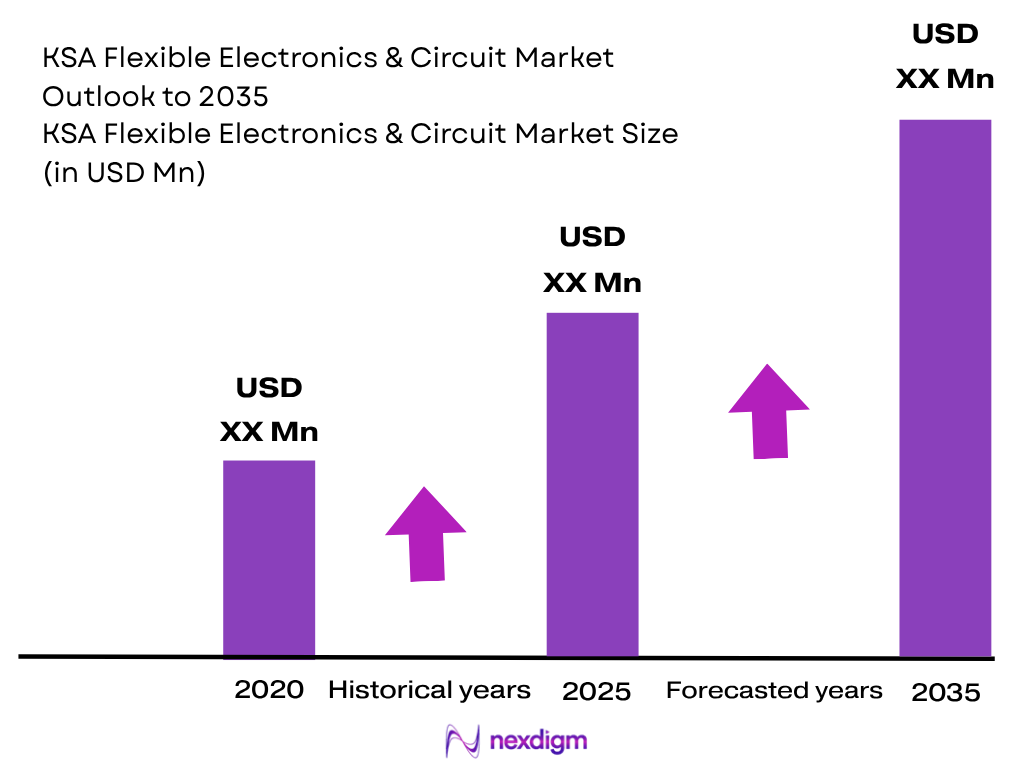
The KSA Flexible Electronics & Circuit Market is valued at ~USD XX million, supported by increasing adoption of advanced electronic components across automotive, healthcare, industrial automation, and smart infrastructure applications. The market development is influenced by Saudi Arabia’s electronics localization initiatives, digital transformation programs, and investments in advanced manufacturing capabilities. According to the World Bank, Saudi Arabia’s GDP reached USD ~1.1 trillion, while manufacturing value addition remained a key contributor to economic diversification efforts. The increasing integration of lightweight, compact, and high-performance electronic solutions supports flexible circuit adoption across emerging technology applications.
The KSA Flexible Electronics & Circuit Market is concentrated around Riyadh, Jeddah, and the Eastern Province due to their advanced industrial infrastructure, technology investment ecosystem, and concentration of electronics-related industries. Riyadh benefits from government technology programs, smart city developments, and digital transformation initiatives, while the Eastern Province supports industrial automation and energy-sector electronics applications. According to World Bank indicators, Saudi Arabia maintained a population of more than 36 million and urbanization levels exceeding 80%, supporting demand for smart devices, connected systems, and advanced electronic technologies. Jeddah contributes through logistics infrastructure and consumer electronics distribution networks.
Market Segmentation
By Application Type
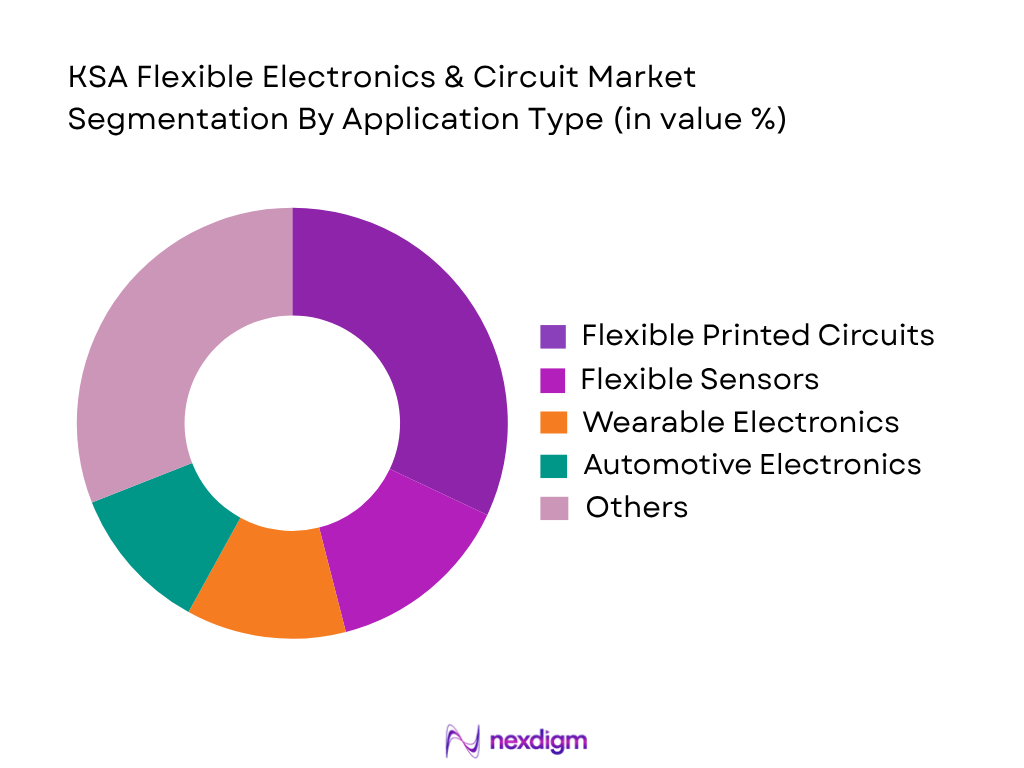
The KSA Flexible Electronics & Circuit Market is segmented by application type into flexible printed circuits, flexible displays, flexible sensors, wearable electronics, medical electronics, automotive electronics, aerospace and defense electronics, industrial sensors, smart packaging electronics, and consumer electronics components. Flexible printed circuits represent a dominant application segment due to their extensive usage in compact electronic devices, automotive systems, communication equipment, and industrial applications. The increasing requirement for lightweight electronic assemblies and space-efficient designs supports their adoption across multiple industries. Saudi Arabia’s automotive transformation initiatives and growing electronics manufacturing activities are increasing demand for flexible circuit solutions. The expansion of smart infrastructure projects and connected devices further supports the requirement for flexible electronic components capable of providing durability, reduced weight, and improved design flexibility.
By End-Use Industry
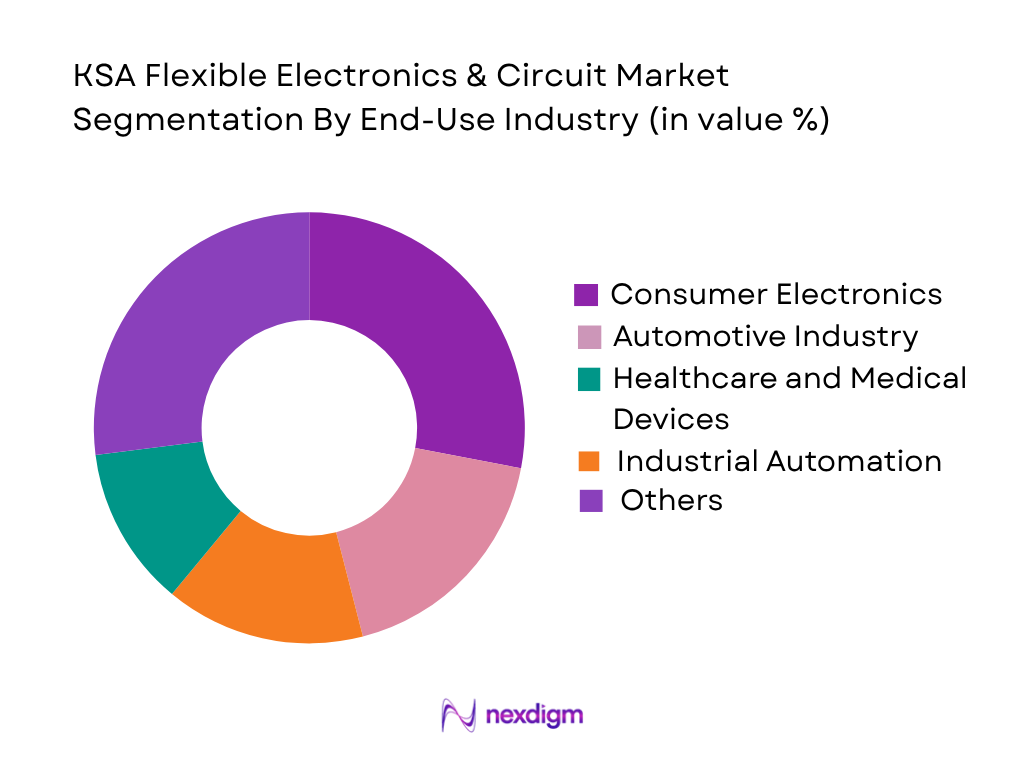
The KSA Flexible Electronics & Circuit Market is segmented by end-use industry into consumer electronics, automotive industry, healthcare and medical devices, aerospace and defense, industrial automation, telecommunications infrastructure, energy systems, smart manufacturing, retail and smart packaging, and government technology applications. Consumer electronics represents a leading end-use segment due to increasing adoption of smartphones, wearable devices, smart displays, and connected electronic products. Flexible circuits enable manufacturers to develop thinner, lighter, and more efficient devices. Healthcare applications are also expanding due to demand for wearable monitoring devices and flexible sensors. Automotive manufacturers are incorporating flexible electronics into advanced vehicle systems, including battery management, infotainment, and sensor applications. Industrial automation and smart manufacturing initiatives further contribute to demand through the integration of flexible sensors and electronic monitoring solutions.
Competitive Landscape
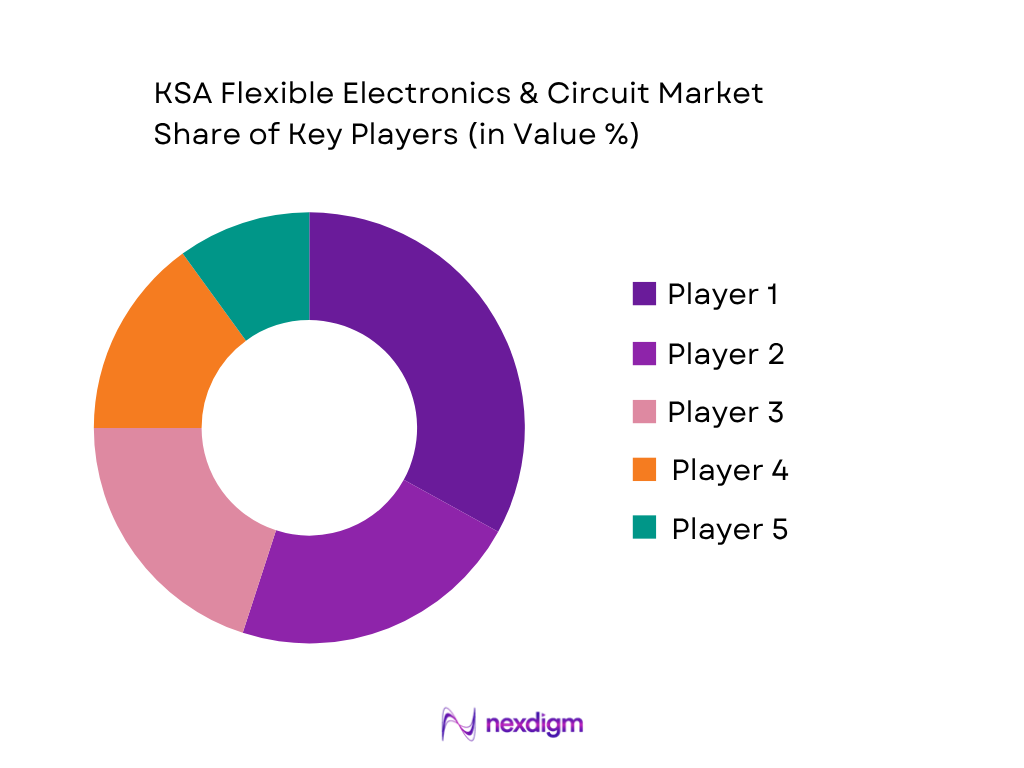
The KSA Flexible Electronics & Circuit Market includes global electronics manufacturers, flexible circuit producers, semiconductor companies, and technology solution providers. The competitive landscape is influenced by technological capabilities, manufacturing expertise, flexible electronics product portfolios, and partnerships with automotive, healthcare, telecommunications, and industrial sectors. Companies with advanced flexible printed circuit manufacturing capabilities and strong global supply chains maintain significant influence in supplying advanced electronic components for emerging applications.
| Company | Establishment Year | Headquarters | Flexible Circuit Capability | Key Application Areas | Manufacturing Presence | Technology Portfolio | Industry Partnerships |
| Samsung Electronics | 1969 | South Korea | ~ | ~ | ~ | ~ | ~ |
| LG Electronics | 1958 | South Korea | ~ | ~ | ~ | ~ | ~ |
| Foxconn Technology Group | 1974 | Taiwan | ~ | ~ | ~ | ~ | ~ |
| Panasonic Holdings Corporation | 1918 | Japan | ~ | ~ | ~ | ~ | ~ |
| Flex Ltd. | 1969 | Singapore | ~ | ~ | ~ | ~ | ~ |
KSA Flexible Electronics & Circuit Market Analysis
Growth Drivers
Increasing Electronics Manufacturing Localization and Industrial Technology Development
The KSA Flexible Electronics & Circuit Market is supported by Saudi Arabia’s broader industrial diversification strategy, which is encouraging investment in advanced manufacturing, electronics assembly, and technology-based industries. The country’s GDP reached approximately USD 1.1 trillion, according to World Bank economic indicators, reflecting a large economic base capable of supporting technology-intensive industries. Manufacturing remains a priority sector under economic diversification programs, with Saudi Arabia’s industrial strategy targeting expansion beyond traditional energy-related activities. The country recorded industrial investment growth supported by more than 10,000 licensed industrial facilities according to national industrial development data, creating opportunities for advanced electronic component suppliers. Flexible electronics benefit from this ecosystem because they enable lightweight, compact, and efficient solutions required in smart manufacturing, industrial automation, and connected infrastructure applications. The expansion of technology parks, electronics assembly activities, and localized production initiatives is increasing demand for flexible printed circuits, sensors, and advanced electronic materials. Growing partnerships between international technology companies and Saudi industrial organizations are also contributing to knowledge transfer, manufacturing capability development, and adoption of next-generation electronic solutions across multiple industries.
Expansion of Smart Infrastructure, Automotive Electronics, and Digital Transformation Applications
The adoption of smart technologies across Saudi Arabia is creating demand for flexible electronic components used in connected devices, automotive systems, healthcare technologies, and industrial applications. According to World Bank data, Saudi Arabia had an urban population exceeding 29 million, supporting increased deployment of smart infrastructure, connected systems, and digital services. The country’s digital economy development has accelerated demand for advanced electronic solutions required in smart cities, intelligent transportation systems, and IoT-enabled infrastructure. Automotive transformation is another important driver, with Saudi Arabia producing more than 36 million barrels of oil equivalent energy resources annually while simultaneously investing in electric mobility and advanced vehicle technologies to diversify its economy. Flexible circuits are increasingly relevant for electric vehicles, battery management systems, infotainment modules, and sensor-based automotive applications because of their lightweight characteristics and design flexibility. Healthcare digitization is also contributing to market expansion, as flexible sensors and wearable electronics support remote monitoring and personalized healthcare solutions. The combination of smart city investments, automotive technology adoption, and digital transformation initiatives is strengthening opportunities for flexible electronics suppliers in Saudi Arabia.
Market Challenges
Limited Domestic Flexible Electronics Manufacturing Ecosystem
The KSA Flexible Electronics & Circuit Market faces challenges due to limited domestic production capabilities for specialized flexible electronic components, advanced substrates, and semiconductor-related materials. Saudi Arabia’s electronics ecosystem is still developing compared with established manufacturing hubs in East Asia, where flexible circuit production infrastructure is highly concentrated. According to World Bank indicators, Saudi Arabia’s manufacturing value added accounted for approximately USD 100 billion, but advanced electronics manufacturing represents a smaller portion of industrial output. Flexible electronics production requires specialized machinery, skilled engineering capabilities, precision manufacturing processes, and access to advanced materials such as polyimide films, conductive inks, and specialized adhesives. Dependence on international suppliers for these materials increases supply chain exposure and affects local manufacturing scalability. Additionally, the availability of specialized workforce remains a challenge because flexible electronics requires expertise across materials science, semiconductor engineering, printed electronics, and advanced manufacturing. Although Saudi Arabia is increasing investments in technology education and industrial capability development, building a complete flexible electronics supply chain requires long-term investments in manufacturing infrastructure, supplier networks, and technical expertise.
Dependence on Imported Advanced Materials and Global Supply Chains
The KSA Flexible Electronics & Circuit Market is influenced by global supply chain conditions because many critical components, raw materials, and manufacturing technologies are sourced internationally. Flexible electronic products depend on specialized materials including conductive polymers, flexible substrates, semiconductor components, and advanced manufacturing equipment, which are primarily supplied by international markets. According to World Bank trade indicators, Saudi Arabia’s merchandise trade value exceeded USD 400 billion, highlighting its strong integration with global supply networks. However, dependence on imports exposes manufacturers and technology providers to international logistics disruptions, currency fluctuations, and changes in global semiconductor availability. The semiconductor industry has experienced supply constraints in recent years, affecting industries dependent on advanced electronic components. Saudi Arabia’s geographical position provides logistics advantages, but establishing resilient local supply chains remains a challenge. Companies operating in flexible electronics must manage procurement risks while developing partnerships with global technology providers. Increasing localization efforts and industrial development programs may reduce dependency over time, but current market participants continue to rely significantly on international manufacturing ecosystems for advanced flexible electronic technologies.
Market Opportunities
Development of Flexible Electronics for Healthcare Wearables and Medical Devices
The KSA Flexible Electronics & Circuit Market presents opportunities through increasing adoption of wearable healthcare technologies, flexible sensors, and connected medical devices. Saudi Arabia’s healthcare sector is undergoing digital transformation, creating demand for compact and efficient electronic solutions capable of supporting remote monitoring and patient management applications. According to World Bank indicators, Saudi Arabia’s population exceeded 36 million, creating demand for scalable healthcare services and technology-enabled medical solutions. Flexible electronics enable the development of lightweight wearable devices capable of monitoring health parameters such as temperature, movement, and physiological signals. The growing focus on preventive healthcare and digital health infrastructure creates opportunities for flexible sensor manufacturers and medical electronics suppliers. Healthcare facilities are increasingly adopting connected technologies to improve operational efficiency and patient outcomes. Flexible circuits are suitable for medical applications because they provide durability, reduced size, and compatibility with wearable designs. Companies developing flexible biosensors, medical monitoring devices, and healthcare-focused electronic components can benefit from the expansion of Saudi Arabia’s healthcare technology ecosystem and increasing investment in advanced medical infrastructure.
Growth Potential from Electric Vehicles, Smart Mobility, and Industrial IoT Applications
The expansion of electric mobility, smart transportation, and industrial automation creates significant opportunities for flexible electronics adoption in Saudi Arabia. The country is investing in automotive manufacturing capabilities and smart mobility infrastructure as part of economic diversification initiatives. According to World Bank data, Saudi Arabia’s population includes more than 20 million working-age individuals, supporting technology adoption and industrial workforce development. Flexible circuits are increasingly used in automotive applications such as battery management systems, vehicle sensors, displays, and electronic control modules due to their lightweight structure and ability to fit complex designs. Industrial IoT adoption is also increasing demand for flexible sensors used in equipment monitoring, predictive maintenance, and automated manufacturing systems. Saudi Arabia’s industrial sector includes major energy, manufacturing, and infrastructure operations where connected technologies can improve efficiency and operational visibility. The development of smart factories and digital industrial platforms provides opportunities for flexible electronics providers to supply advanced sensing and control solutions. Companies focusing on automotive electronics, industrial sensors, and IoT-enabled flexible components can participate in Saudi Arabia’s evolving technology ecosystem.
Future Outlook
The KSA Flexible Electronics & Circuit Market is expected to experience continued development driven by electronics manufacturing localization, smart infrastructure expansion, industrial automation adoption, and increasing integration of advanced electronic systems. The growth of Vision 2030 technology initiatives, electric mobility development, healthcare digitization, and smart city applications is expected to create new opportunities for flexible electronics adoption. Increasing demand for lightweight, efficient, and compact electronic solutions will encourage technology providers to expand their presence in Saudi Arabia.
Major Players
- Samsung Electronics
- LG Electronics
- Foxconn Technology Group
- Panasonic Holdings Corporation
- Flex Ltd.
- Amkor Technology
- Intel Corporation
- Sony Group Corporation
- BOE Technology Group
- Fujikura Ltd.
- Nitto Denko Corporation
- Sumitomo Electric Industries
- Molex LLC
- Jabil Inc.
- Saudi Electronics Manufacturing Companies
Key Target Audience
- Flexible Electronics Manufacturers
- Semiconductor and Electronic Component Manufacturers
- Consumer Electronics Companies
- Automotive Electronics Manufacturers
- Healthcare Device Manufacturers
- Investments and Venture Capitalist Firms
- Government and Regulatory Bodies (Ministry of Industry and Mineral Resources, Communications, Space and Technology Commission, Saudi Standards Metrology and Quality Organization)
- Industrial Automation and Smart Manufacturing Companies
Research Methodology
Step 1: Identification of Key Variables
The initial phase involves developing a comprehensive ecosystem map covering flexible electronics manufacturers, material suppliers, technology developers, end-use industries, and regulatory stakeholders operating within the KSA Flexible Electronics & Circuit Market. Extensive secondary research is conducted to identify key market variables including application adoption, manufacturing capabilities, technology penetration, supply chain structure, and industry development factors influencing market growth.
Step 2: Market Analysis and Construction
This phase focuses on compiling historical and current market information related to flexible circuits, flexible displays, sensors, and advanced electronic applications. Market assessment includes analysis of demand from consumer electronics, automotive, healthcare, industrial automation, telecommunications, and government technology projects. Supply-side evaluation covers manufacturers, technology providers, and regional production capabilities.
Step 3: Hypothesis Validation and Expert Consultation
Market assumptions are validated through discussions with industry participants, including electronics manufacturers, technology suppliers, and application developers. Expert consultations provide operational insights regarding flexible electronics adoption, manufacturing challenges, technology trends, procurement behavior, and future application opportunities within Saudi Arabia.
Step 4: Research Synthesis and Final Output
The final stage integrates findings from secondary research, industry discussions, and supply-demand assessments. Data validation is conducted through triangulation of manufacturing trends, technology developments, industry applications, and investment activities to provide a comprehensive assessment of the KSA Flexible Electronics & Circuit Market.

- Executive Summary
- Research Methodology (Market Definition and Scope, KSA Flexible Electronics & Circuit Market Classification, Flexible Electronics Technology Mapping, Flexible Printed Circuit Board Assessment, Flexible Display Technology Evaluation, Flexible Sensor Technology Analysis, Printed Electronics Assessment, Organic Electronics Evaluation, Thin Film Electronics Mapping, Conductive Ink and Substrate Material Assessment, Polyimide Film Evaluation, Flexible Semiconductor Integration Analysis, Wearable Electronics Technology Assessment, Smart Packaging Electronics Mapping, Advanced Manufacturing Capability Assessment, Supply Chain Analysis, Market Sizing Approach, Top-Down Analysis, Bottom-Up Analysis, Demand-Side Assessment, Supply-Side Assessment, Primary Industry Interviews, Data Triangulation, Forecasting Framework, Limitations and Future Conclusions)

- Definition and Scope
- KSA Flexible Electronics & Circuit Industry Evolution and Development of Electronics Manufacturing Ecosystem, Semiconductor Localization Initiatives, Flexible Circuit Manufacturing Development, Advanced Materials Adoption, Smart Device Integration, Wearable Electronics Growth, Automotive Electronics Advancement, Healthcare Electronics Transformation, Industrial Automation Applications, Smart City Technology Development, Printed Electronics Innovation and Advanced Manufacturing Technologies
- Flexible Electronics & Circuit Value Chain Analysis
- Flexible Electronics & Circuit Supply Chain Analysis
- Raw Material Suppliers, Flexible Substrate Manufacturers, Conductive Ink Suppliers, Semiconductor Component Suppliers, Flexible Circuit Manufacturers, Electronics Manufacturing Service Providers, Technology Solution Providers, Research and Development Organizations, Automotive Electronics Suppliers, Medical Device Manufacturers, Consumer Electronics Manufacturers, Telecommunications Companies, Industrial Automation Companies, Government Technology Programs and End-Use Industries

- Growth Drivers (Saudi Vision 2030 Technology Localization Programs, Expansion of Electronics Manufacturing Infrastructure, Semiconductor Industry Development Initiatives, Smart City Project Deployment, Growth of Wearable Electronics Adoption, Increasing Automotive Electronics Integration, Healthcare Digital Transformation, Industrial Automation Expansion)
- Market Challenges (Limited Domestic Flexible Electronics Manufacturing Capability, Dependence on Imported Advanced Materials, High Initial Manufacturing Investment Requirements, Shortage of Specialized Engineering Talent, Limited Local Supply Chain Development, Dependence on International Semiconductor Ecosystem, Technology Transfer Requirements)
- Market Opportunities (Electronics Manufacturing Localization, NEOM Technology Applications, Flexible Healthcare Monitoring Devices, Electric Vehicle Electronics Integration, Industrial IoT Expansion, Smart Infrastructure Development, Advanced Sensor Technologies, Defense Electronics Applications)
- Market Trends (Flexible Sensor Integration, Printed Electronics Adoption, Wearable Technology Growth, Automotive Electronics Miniaturization, Semiconductor Localization, Advanced Material Development, Flexible Display Innovation, Smart Manufacturing Adoption, Sustainable Electronics Development, Miniaturized Electronic Systems)
- Government Regulations and Standards (Saudi Vision 2030 Industrial Development Programs, Ministry of Industry and Mineral Resources Manufacturing Regulations, Communications Space and Technology Commission Standards, Saudi Standards Metrology and Quality Organization Requirements, Industrial Licensing Regulations, Electronics Import Standards, Cybersecurity Regulations)
- SWOT Analysis
- Porter’s Five Forces Analysis
- PESTLE Analysis
- Stakeholder Ecosystem
- Competition Ecosystem

- By Market Value (2020-2025)
- By Volume Consumption (2020-2025)
- By Flexible Printed Circuit Consumption Volume (2020-2025)
- By Flexible Display Integration Volume (2020-2025)
- By Flexible Sensor Deployment Volume (2020-2025)
- By Wearable Electronics Application Volume (2020-2025)
- By Automotive Electronics Application Volume (2020-2025)
- By Industrial Electronics Application Volume (2020-2025)

- By Application Type (In Value %)
Flexible Printed Circuits
Flexible Displays
Flexible Sensors
Wearable Electronics
Medical Electronics
Automotive Electronics
Aerospace and Defense Electronics
Industrial Sensors
Smart Packaging Electronics
Consumer Electronics Components - By Technology Type (In Value %)
Flexible Printed Circuit Boards (FPCB)
Printed Electronics
Organic Electronics
Thin-Film Electronics
Flexible Displays
Stretchable Electronics
Hybrid Flexible Electronics
Flexible Semiconductor Integration
Advanced Sensor Technologies - By End-Use Industry (In Value %)
Consumer Electronics
Automotive Industry
Healthcare and Medical Devices
Aerospace and Defense
Industrial Automation
Telecommunications Infrastructure
Energy Systems
Smart Manufacturing
Retail and Smart Packaging
Government and Security Applications - By Material Type (In Value %)
Polyimide Substrates
Polyethylene Terephthalate (PET) Substrates
Polyethylene Naphthalate (PEN) Substrates
Conductive Inks
Silver-Based Conductive Materials
Copper-Based Flexible Conductors
Organic Semiconductor Materials
Advanced Flexible Substrate Materials
Adhesive and Encapsulation Materials - By Distribution Channel (In Value %)
Direct Industrial Procurement
Electronics Component Distributors
Original Equipment Manufacturer Procurement
Technology Solution Providers
Specialized Electronics Suppliers
Online Electronics Platforms
Government and Institutional Procurement - By Region (In Value %)
Riyadh Region
Eastern Province
Makkah Region
Madinah Region
Jeddah Industrial Cluster
NEOM Technology Development Zone
Other Industrial Regions

- Market Share of Major Players (By KSA Revenue, Flexible Circuit Manufacturing Capability, Technology Portfolio Breadth, Application Coverage, Flexible Electronics Product Range, Manufacturing Presence, Industrial Partnerships, Supply Chain Integration, R&D Capability, Regional Presence, Product Innovation Pipeline, Electronics Manufacturing Capacity)
- Cross Comparison Parameters (Flexible Circuit Manufacturing Capability, Flexible Printed Circuit Product Portfolio, Flexible Display Technology Capability, Flexible Sensor Development Capability, Semiconductor Integration Capability, Automotive Electronics Application Coverage, Healthcare Electronics Solutions, Manufacturing and Supply Chain Presence)
- SWOT Analysis of Major Players
- Competitive Positioning Matrix
- Flexible Electronics Technology Portfolio Benchmarking
- Detailed Profiles of Major Companies
Samsung Electronics
LG Electronics
Foxconn Technology Group
Intel Corporation
Amkor Technology
Jabil Inc.
Panasonic Holdings Corporation
Sony Group Corporation
BOE Technology Group
Fujikura Ltd.
Nitto Denko Corporation
Sumitomo Electric Industries
Molex LLC
Flex Ltd.
Saudi Electronics Manufacturing Companies

- Consumer Electronics Component Demand Assessment
- Smartphone and Wearable Electronics Requirement Analysis
- Automotive Electronics Integration Assessment
- Electric Vehicle Electronics Application Analysis
- Healthcare Device Technology Adoption Assessment
- Industrial Automation Electronics Requirement Assessment
- Smart City Technology Application Assessment
- Telecommunication Equipment Electronics Demand Analysis
- Government Technology Procurement Assessment
- Defense Electronics Application Assessment
- Flexible Circuit Supplier Preference Assessment
- Technology Adoption Barrier Assessment

- By Market Value (2026-2035)
- By Volume Consumption (2026-2035)
- By Flexible Printed Circuit Consumption Volume (2026-2035)
- By Flexible Display Integration Volume (2026-2035)
- By Flexible Sensor Deployment Volume (2026-2035)
- By Wearable Electronics Application Volume (2026-2035)
- By Automotive Electronics Application Volume (2026-2035)
- By Industrial Electronics Application Volume (2026-2035)


 Request a Sample
 Ask for Customization
 Get a Quote
 Enquire Now