
 Download PDF
Market Overview
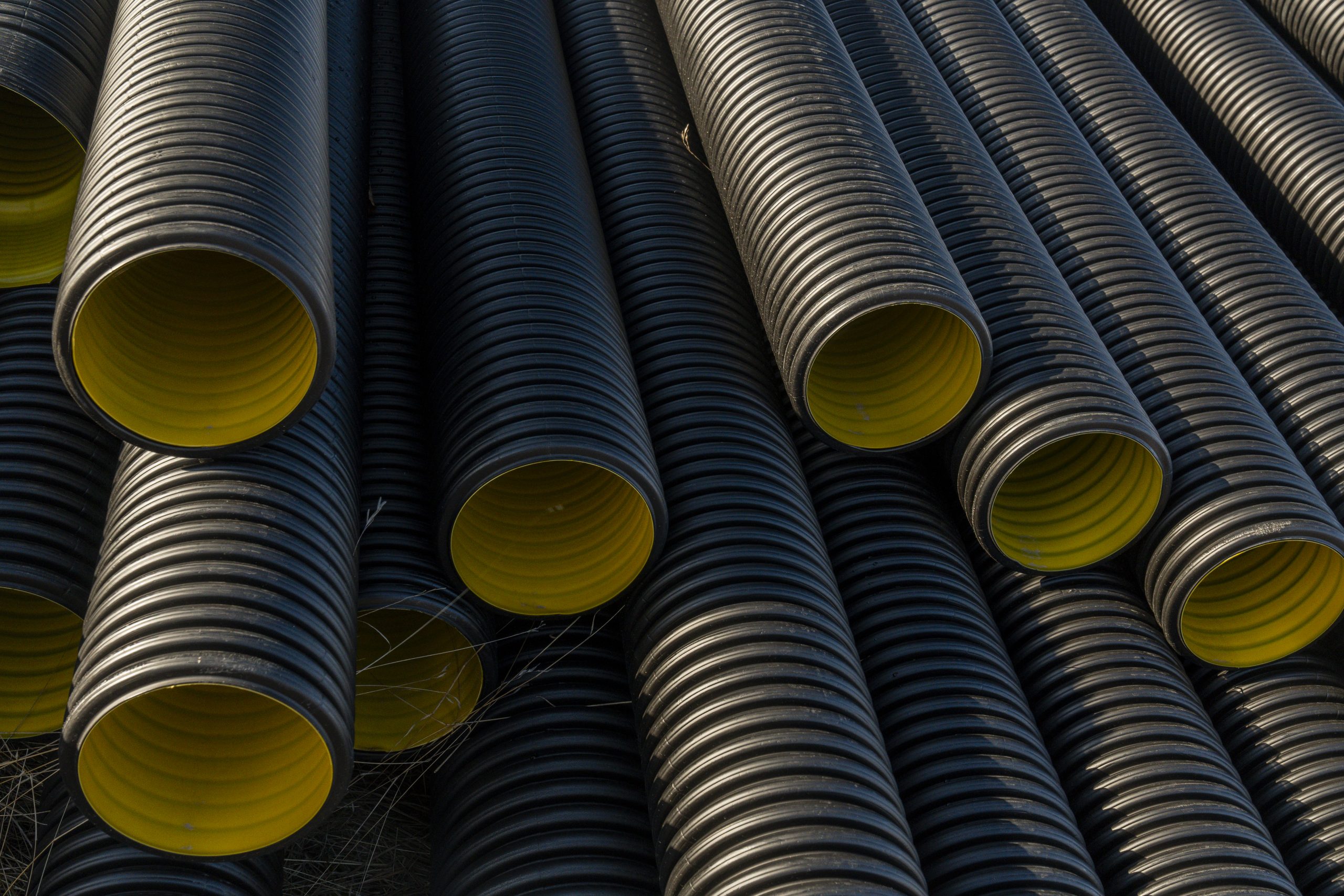
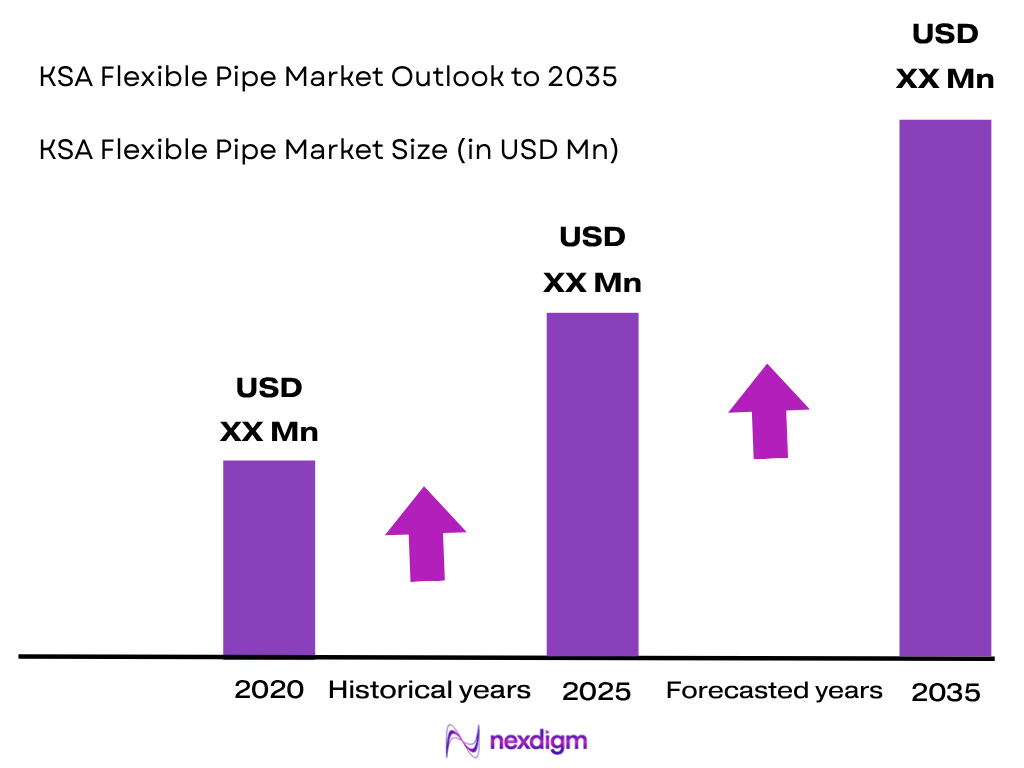
The KSA Flexible Pipe Market is valued at ~USD XX Mn in 2024, supported by increasing demand for offshore oil and gas transportation systems, subsea production infrastructure, and pipeline replacement activities across the Kingdom. The market expansion is influenced by Saudi Arabia’s continued investment in upstream oil production capacity, offshore field development, and industrial infrastructure. Flexible pipes are increasingly preferred due to their corrosion resistance, installation flexibility, and suitability for complex offshore environments compared with conventional rigid pipeline systems.
The KSA Flexible Pipe Market is concentrated around major energy-producing regions including the Eastern Province, Ras Tanura, Jubail, and offshore Arabian Gulf areas due to the presence of extensive oil production facilities, petrochemical complexes, and subsea infrastructure. Cities such as Dhahran and Dammam remain important because of their proximity to Saudi Aramco operations, engineering capabilities, and oilfield service ecosystems. Jubail supports demand through petrochemical and industrial water applications, while offshore fields drive requirements for flexible risers, flowlines, and subsea connection systems.
Market Segmentation
By Application Type
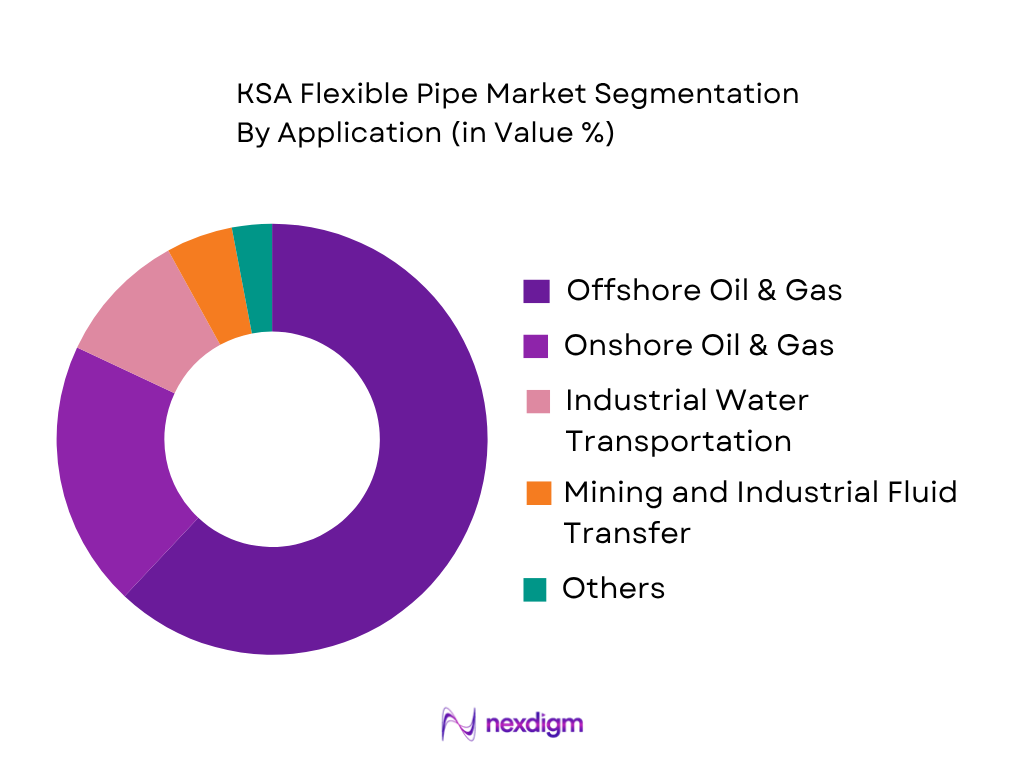
The offshore oil and gas segment represents the leading application area within the KSA Flexible Pipe Market due to the Kingdom’s extensive offshore production infrastructure in the Arabian Gulf. Flexible pipes are widely used for subsea flowlines, risers, and platform connections because they provide operational flexibility, resistance against corrosion, and suitability for dynamic offshore environments. The segment benefits from continued offshore field development activities, asset life extension programs, and replacement of aging pipeline networks. Saudi Arabia’s focus on maintaining crude production capacity and enhancing offshore recovery operations continues to support demand for advanced flexible pipeline solutions. Offshore applications require specialized high-pressure and high-temperature flexible pipes, making this segment technologically significant within the market.
By Material Type
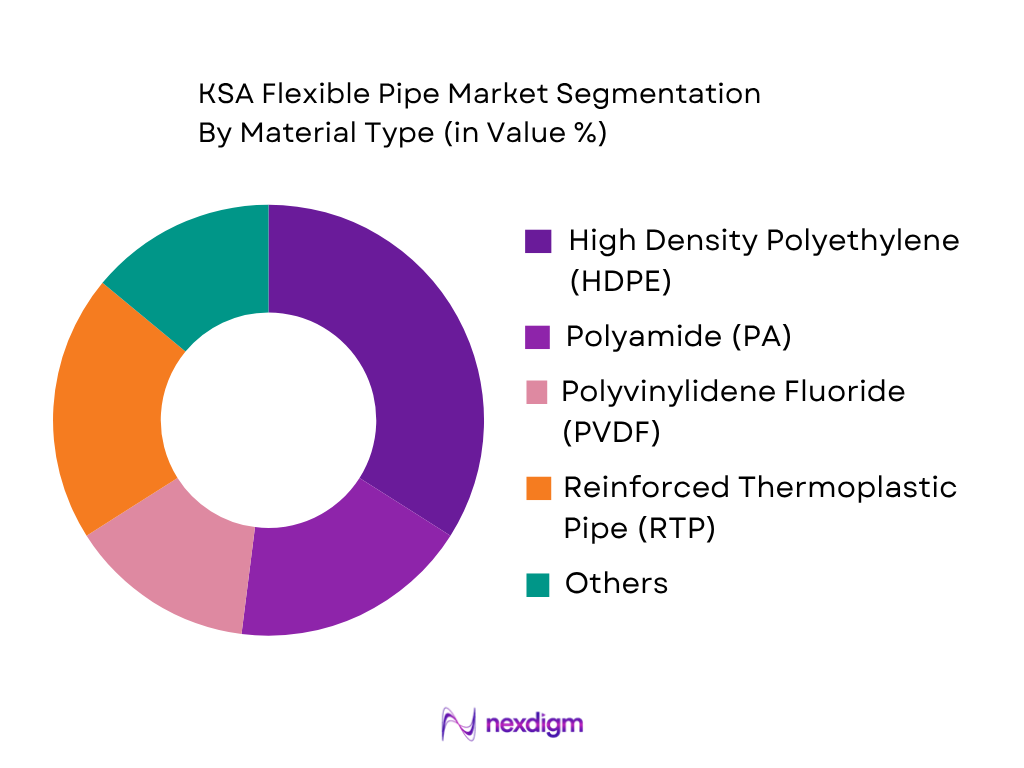
Reinforced Thermoplastic Pipe (RTP) is expected to maintain strong adoption within the KSA Flexible Pipe Market due to its lightweight structure, corrosion resistance, and suitability for oil, gas, and industrial water applications. RTP systems provide advantages over traditional steel pipelines by reducing installation complexity and improving resistance against harsh operating conditions. Demand is supported by increasing interest in cost-efficient pipeline rehabilitation, replacement of aging infrastructure, and industrial fluid transportation requirements. The adoption of RTP is also influenced by Saudi Arabia’s localization initiatives aimed at expanding advanced manufacturing capabilities and reducing dependence on imported pipeline technologies.
Competitive Landscape
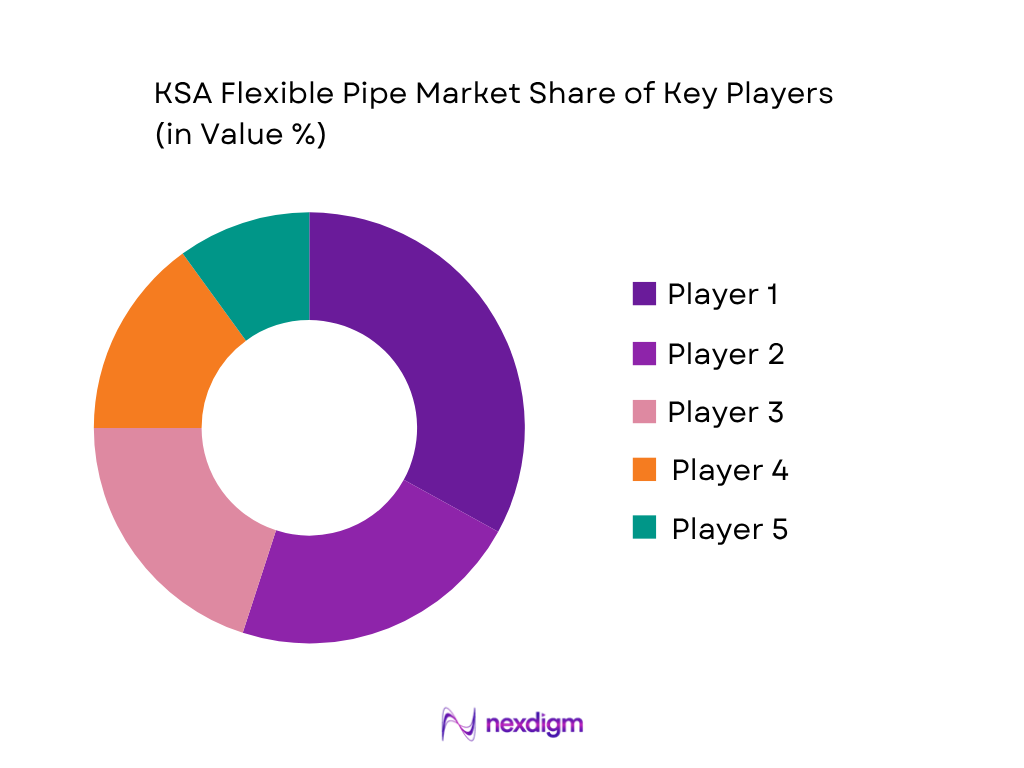
The KSA Flexible Pipe Market is characterized by the presence of global flexible pipe manufacturers, subsea technology providers, and oilfield equipment companies supplying advanced pipeline solutions for offshore and industrial applications. Major companies compete through technological capabilities, offshore qualification experience, product portfolio strength, and partnerships with energy operators. International players dominate advanced flexible pipe technologies, while regional companies participate through engineering services, pipeline solutions, and project execution support.
| Company | Establishment Year | Headquarters | Flexible Pipe Portfolio | Offshore Capability | Saudi Market Presence | Technology Focus | Key Applications | Service Capability |
| TechnipFMC | 1958 | United Kingdom | ~ | ~ | ~ | ~ | ~ | ~ |
| Baker Hughes | 1907 | USA | ~ | ~ | ~ | ~ | ~ | ~ |
| NOV | 1862 | USA | ~ | ~ | ~ | ~ | ~ | ~ |
| Strohm | 2005 | Netherlands | ~ | ~ | ~ | ~ | ~ | ~ |
| Airborne Oil & Gas | 1990 | Netherlands | ~ | ~ | ~ | ~ | ~ | ~ |
KSA Flexible Pipe Market Analysis
Growth Drivers
Expansion of Saudi Aramco Offshore Production Capacity
The expansion of offshore oil and gas production capacity remains a major growth driver for the KSA Flexible Pipe Market due to the increasing requirement for subsea flowlines, risers, and flexible pipeline systems. Saudi Arabia continues to prioritize maintaining crude production capabilities, with national energy strategies focusing on long-term upstream asset development. Saudi Aramco operates one of the world’s largest offshore oil production networks, including major fields such as Safaniya, Marjan, and Zuluf. The Safaniya offshore field has a production capacity of around 1.2 million barrels per day, creating sustained demand for offshore pipeline infrastructure. The Kingdom produced approximately 9 million barrels per day of crude oil in 2024, according to international energy statistics, supporting continuous investment in offshore infrastructure. Flexible pipes are increasingly selected for offshore applications due to their ability to withstand dynamic movement, corrosion exposure, and complex seabed conditions. The expansion of offshore production assets requires advanced pipeline solutions that can reduce installation complexity and improve operational reliability.
Increasing Offshore Field Development Activities
Growing offshore field development activities across the Arabian Gulf are supporting demand for flexible pipe solutions in Saudi Arabia. Offshore projects require reliable transportation systems for hydrocarbons, water injection, and production fluids, increasing the adoption of flexible risers and flowlines. Saudi Arabia’s offshore development programs, including Marjan and Zuluf expansion projects, involve significant investment in offshore platforms, subsea connections, and associated pipeline infrastructure. The Marjan field expansion is designed to increase processing capacity by approximately 300,000 barrels per day, requiring extensive offshore facility upgrades and pipeline networks. Saudi Arabia’s economy remains strongly linked with energy activities, with crude petroleum accounting for a significant portion of export revenues. Flexible pipes provide advantages including corrosion resistance, reduced installation time, and suitability for high-pressure offshore environments. As offshore assets mature, operators increasingly require replacement and rehabilitation solutions for existing pipeline systems, further supporting flexible pipe demand. The combination of offshore production expansion and infrastructure modernization is expected to strengthen adoption of advanced flexible pipeline technologies in the Kingdom.
Market Challenges
Dependence on Imported Advanced Flexible Pipe Technologies
The KSA Flexible Pipe Market faces challenges due to dependence on imported advanced flexible pipe technologies, particularly for high-performance offshore applications requiring specialized manufacturing capabilities. Advanced flexible pipes involve complex multilayer structures consisting of polymer barriers, reinforcement layers, and corrosion-resistant materials, which require significant technological expertise. Saudi Arabia has strong oilfield service capabilities; however, advanced flexible pipe manufacturing remains concentrated among international technology providers. The Kingdom imports several specialized pipeline components and materials required for offshore applications, increasing dependence on global suppliers. The challenge is amplified by the requirement for internationally certified products capable of operating under extreme offshore conditions. Saudi Arabia’s industrial development initiatives encourage localization of energy-related manufacturing, but establishing domestic flexible pipe production requires investment in specialized equipment, material technology, and qualification facilities. Limited local manufacturing availability can increase project lead times and create supply chain dependencies for offshore operators.
Complex Offshore Qualification Requirements
Complex qualification requirements for offshore flexible pipe systems represent another significant challenge for market development. Offshore applications require pipelines capable of operating under high pressure, temperature variations, mechanical loading, and corrosive marine conditions. Flexible pipes must undergo extensive testing and certification before deployment in critical offshore projects. Saudi Arabia’s offshore oil infrastructure operates in challenging Arabian Gulf conditions where reliability and operational safety are essential. The country’s offshore fields include mature assets requiring advanced pipeline solutions capable of maintaining performance over extended operating periods. High engineering requirements increase development time and project costs for manufacturers and operators. Additionally, flexible pipe systems require specialized installation vessels, technical expertise, and maintenance capabilities, which can limit adoption among smaller industrial users. The combination of technical complexity, certification requirements, and specialized operational knowledge creates barriers for new market entrants and domestic manufacturers.
Market Opportunities
Deepwater and Offshore Field Development
Deepwater and offshore field development activities create significant opportunities for flexible pipe adoption in Saudi Arabia. Although Saudi Arabia’s offshore production is primarily located in relatively shallow Arabian Gulf waters, increasing focus on advanced offshore recovery techniques and subsea infrastructure modernization is generating demand for flexible pipeline technologies. Offshore operators require flexible systems for risers, jumpers, and flowlines because these solutions provide improved flexibility compared with conventional rigid pipelines. Saudi Arabia operates several offshore oil fields, including Safaniya, Marjan, and Zuluf, where infrastructure upgrades require advanced pipeline solutions. The Kingdom’s crude oil production remained among the highest globally, with production levels around 9 million barrels per day during 2024, supporting continued investment in offshore assets. Flexible pipes also provide opportunities in enhanced oil recovery projects, water injection systems, and offshore facility expansions. Growing emphasis on operational efficiency, asset integrity management, and reduction of installation complexity is expected to encourage greater adoption of flexible pipeline technologies in offshore applications.
Reinforced Thermoplastic Pipe Manufacturing Expansion
Expansion of reinforced thermoplastic pipe (RTP) manufacturing capabilities presents a major opportunity for the KSA Flexible Pipe Market as the Kingdom focuses on industrial localization under Saudi Vision 2030. RTP technology offers advantages such as corrosion resistance, lightweight construction, and easier installation compared with traditional steel pipelines. These characteristics make RTP suitable for oilfield gathering systems, industrial water transportation, and pipeline rehabilitation projects. Saudi Arabia’s industrial sector continues to expand, with manufacturing contributing significantly to economic diversification efforts. The Kingdom has been investing in local manufacturing capacity, including energy equipment and advanced materials industries. RTP manufacturing can support domestic supply chains by reducing reliance on imported pipeline technologies and creating opportunities for local production partnerships. Demand from oil and gas operators, petrochemical facilities, and water infrastructure projects provides potential applications for domestically produced flexible pipeline systems. The development of local composite material capabilities can strengthen Saudi Arabia’s position in advanced energy infrastructure manufacturing.
Future Outlook
Over the next decade, the KSA Flexible Pipe Market is expected to experience increasing adoption driven by offshore oil production expansion, pipeline modernization programs, and industrial infrastructure development. The market will benefit from growing demand for lightweight, corrosion-resistant, and high-performance pipeline systems. Development of reinforced thermoplastic pipes, hydrogen transportation networks, and carbon capture infrastructure is expected to create additional opportunities. Local manufacturing initiatives under Saudi Vision 2030 are likely to support domestic production capabilities and reduce reliance on imported technologies.
Major Players
- TechnipFMC
- Baker Hughes
- National Oilwell Varco
- Strohm
- Airborne Oil & Gas
- Prysmian Group
- FlexSteel Pipeline Technologies
- Magma Global
- Saipem
- Subsea 7
- Oceaneering International
- Parker Hannifin
- ContiTech
- Chevron Phillips Chemical
- Saudi Aramco
Key Target Audience
- Offshore oil and gas operators
- National oil companies and upstream exploration companies
- Petrochemical companies and industrial operators
- Flexible pipe manufacturers and composite pipeline solution providers
- Oilfield service companies and subsea engineering contractors
- Investments and venture capitalist firms (Energy infrastructure investment funds, industrial technology investors)
- Government and regulatory bodies (Ministry of Energy Saudi Arabia, Saudi Aramco regulatory departments, Saudi Standards, Metrology and Quality Organization)
- Pipeline construction, maintenance, and infrastructure development companies
Research Methodology
Step 1: Identification of Key Variables
The initial phase involves developing an ecosystem map covering major stakeholders operating across the KSA Flexible Pipe Market. This includes offshore oil and gas operators, subsea engineering companies, pipeline manufacturers, composite material suppliers, and industrial infrastructure developers. Extensive secondary research is conducted to identify demand drivers, application segments, technology adoption patterns, and regulatory factors influencing flexible pipe deployment.
Step 2: Market Analysis and Construction
The market analysis phase involves evaluating historical industry trends, flexible pipe consumption patterns, application-wise demand, and material preferences across offshore oil and gas, petrochemical, and industrial sectors. Supply-side assessment includes analysis of manufacturing capabilities, import dependency, production technologies, and regional distribution networks. Market estimates are developed through demand assessment and industry-level validation.
Step 3: Hypothesis Validation and Expert Consultation
Market assumptions are validated through discussions with industry participants including oilfield service providers, pipeline technology specialists, offshore contractors, and material manufacturers. Expert consultations provide operational insights regarding project requirements, technology selection, procurement practices, and future adoption trends within Saudi Arabia’s energy infrastructure ecosystem.
Step 4: Research Synthesis and Final Output
The final stage integrates primary and secondary findings to generate a comprehensive assessment of the KSA Flexible Pipe Market. Data triangulation is performed by comparing demand-side requirements, supply-side capabilities, infrastructure development plans, and technological advancements. The final report provides market segmentation, competitive benchmarking, and future growth analysis.

- Executive Summary
- Research Methodology (Market Definition and Scope, KSA Flexible Pipe Market Classification, Flexible Pipe Application Mapping, Offshore and Subsea Infrastructure Assessment, Saudi Aramco Project Demand Analysis, Offshore Field Development Assessment, Onshore Oil and Gas Pipeline Replacement Analysis, Reinforced Thermoplastic Pipe Technology Assessment, Polymer and Composite Material Analysis, Domestic Manufacturing Capability Assessment, Import Dependency Evaluation, Demand-Side Assessment, Supply-Side Assessment, Primary Industry Interviews, Data Triangulation, Forecasting Framework, Limitations and Future Conclusions)

- Definition and Scope
- KSA Flexible Pipe Industry Evolution
- Flexible Pipe Industry Value Chain Analysis
- Flexible Pipe Supply Chain Analysis

- Growth Drivers (Expansion of Saudi Aramco Offshore Production Capacity, Increasing Offshore Field Development Activities, Growth of Marjan and Zuluf Offshore Projects, Aging Pipeline Infrastructure Replacement Demand, Rising Adoption of Corrosion Resistant Composite Pipeline Systems, Expansion of Petrochemical Infrastructure, Industrial Water Infrastructure Development, Requirement for Lightweight Offshore Pipeline Solutions)
- Market Challenges (Dependence on Imported Advanced Flexible Pipe Technologies, Limited Domestic Flexible Pipe Manufacturing Capability, Complex Offshore Qualification Requirements, High Installation and Maintenance Costs, Dependence on Specialized Polymer and Reinforcement Materials, Competition from Steel Pipeline Systems, Technical Challenges in High Pressure High Temperature Applications)
- Market Opportunities (Deepwater and Offshore Field Development, Reinforced Thermoplastic Pipe Manufacturing Expansion, Offshore Wind Infrastructure Development, Pipeline Rehabilitation Projects, Hydrogen Transportation Networks, Carbon Capture and Storage Infrastructure, Desalination Pipeline Modernization, Domestic Flexible Pipe Manufacturing Development)
- Market Trends (Subsea Tie-Back Expansion, Advanced Composite Flexible Pipe Adoption, Local Content Development Under Saudi Vision 2030, Digital Pipeline Monitoring, Corrosion Resistant Material Adoption, Offshore Asset Life Extension, Thermoplastic Composite Pipe Development, Pipeline Integrity Management Systems, Hydrogen and CO₂ Transportation Readiness)
- Government Regulations and Industry Standards (Saudi Aramco Engineering Standards, Saudi Standards Metrology and Quality Organization Requirements, Ministry of Energy Regulations, National Industrial Development and Logistics Program Requirements, Environmental Compliance Requirements, Offshore Safety Standards, Pipeline Integrity Management Regulations)
- SWOT Analysis
- Porter’s Five Forces Analysis
- PESTLE Analysis
- Stakeholder Ecosystem
- Competition Ecosystem

- By Market Value (2020-2025)
- By Flexible Pipe Consumption Volume (2020-2025)
- By Offshore Oil & Gas Flexible Pipe Consumption Volume (2020-2025)
- By Onshore Oil & Gas Flexible Pipe Consumption Volume (2020-2025)
- By Subsea Flowline and Riser Consumption Volume (2020-2025)

- By Application Type (In Value %)
Offshore Oil & Gas
Subsea Production Systems
Dynamic Risers
Static Flowlines
Subsea Tie-Back Systems
Floating Production Storage and Offloading (FPSO) Connections
Offshore Platform Interconnections
Onshore Oil & Gas
Wellhead Gathering Systems
Crude Oil Transfer Pipelines
Gas Transportation Networks
Enhanced Oil Recovery Infrastructure
Desalination Water Networks
Industrial Cooling Water Systems
Wastewater Transportation
Mining and Industrial Fluid Transfer - Slurry Transportation Systems
Chemical Transfer Systems
Industrial Process Fluid Systems
Renewable Energy Infrastructure
Offshore Wind Cable Protection Systems
Hydrogen Transportation Infrastructure
Carbon Capture and Storage Pipeline Systems - By Material Type (In Value %)
High Density Polyethylene (HDPE)
Polyamide (PA)
Polyvinylidene Fluoride (PVDF)
Reinforced Thermoplastic Pipe (RTP)
Composite Flexible Pipe
Steel Reinforced Flexible Pipe
Thermoplastic Composite Pipe (TCP)
Fiber Reinforced Polymer (FRP) - By Pressure Rating (In Value %)
Low Pressure Flexible Pipes
Medium Pressure Flexible Pipes
High Pressure Flexible Pipes
High Pressure High Temperature (HPHT) Flexible Pipes - By Deployment Environment (In Value %)
Deepwater Offshore Applications
Shallow Water Offshore Applications
Ultra-Deepwater Applications
Desert Pipeline Applications
Industrial Facility Applications - By End-Use Industry (In Value %)
Oil and Gas Exploration and Production
Saudi Aramco Offshore Operations
Petrochemical Manufacturing
Water and Desalination Infrastructure
Mining Industry
Industrial Manufacturing
Renewable Energy Projects

- Market Share of Major Players (By KSA Revenue, Flexible Pipe Sales Volume, Offshore Application Exposure, Subsea Project Participation, Product Category, End-Use Industry, Local Manufacturing Presence, Technical Support Coverage)
- Cross Comparison Parameters (Flexible Pipe Product Portfolio Breadth, Offshore Riser and Flowline Capability, Saudi Aramco Project Qualification Experience, Reinforced Thermoplastic Pipe Technology Capability, High Pressure High Temperature Application Capability, Local Manufacturing and Assembly Footprint, Subsea Engineering and Installation Support Capability, Pipeline Integrity Monitoring and Technical Service Network)
- SWOT Analysis of Major Players
- Detailed Profiles of Major Companies
TechnipFMC
Nexans
Prysmian Group
Baker Hughes
NOV (National Oilwell Varco)
Schlumberger (SLB)
Airborne Oil & Gas
Strohm
Magma Global
Pipelife International
Saudi Aramco
National Pipe Company
Al-Qahtani Pipe Coating Industries
Arabian Pipes Company
Rezayat Group

- Saudi Aramco Offshore Pipeline Procurement Assessment
- Offshore Oil Field Operator Flexible Pipe Requirement Analysis
- Subsea Engineering Contractor Demand Assessment
- Petrochemical Plant Pipeline Application Analysis
- Industrial Water and Desalination Operator Requirement Assessment
- Mining Industry Fluid Transfer Requirement Analysis
- Pipeline Rehabilitation and Maintenance Contractor Assessment
- Energy Infrastructure Developer Procurement Analysis

- By Market Value (2026-2035)
- By Flexible Pipe Consumption Volume (2026-2035)
- By Offshore Oil & Gas Flexible Pipe Consumption Volume (2026-2035)
- By Onshore Oil & Gas Flexible Pipe Consumption Volume (2026-2035)
- By Subsea Flowline and Riser Consumption Volume (2026-2035)


 Request a Sample
 Ask for Customization
 Get a Quote
 Enquire Now