
 Download PDF
Market Overview
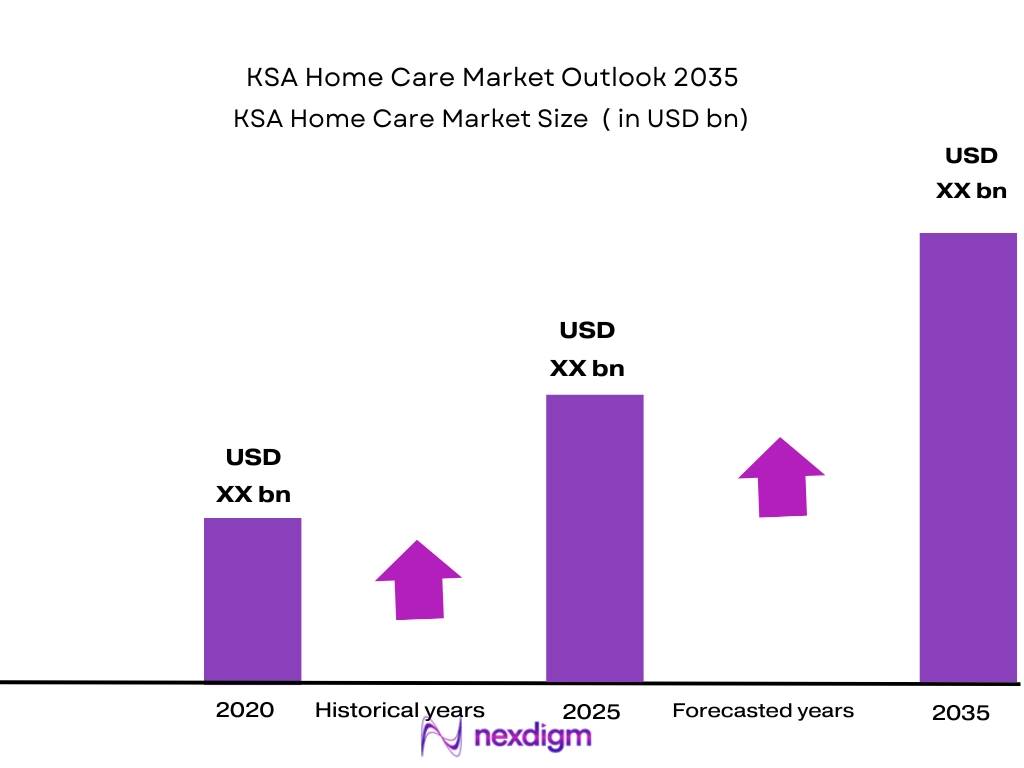
The Saudi Arabian home care market is valued at approximately USD ~ billion, driven by a combination of urbanization, rising disposable incomes, and the increasing demand for hygiene products. As a rapidly developing economy, Saudi Arabia’s growing population and expanding middle class have led to increased spending on home care products, particularly cleaning agents and air fresheners. This market is supported by the growing trend toward sanitation, hygiene awareness, and the adoption of modern cleaning solutions, including eco-friendly and advanced products. Furthermore, e-commerce has become a significant channel for distributing home care products, with increasing online retail penetration in the region.
Riyadh, Jeddah, and Dammam are the dominant cities in the Saudi home care market, mainly due to their economic importance and higher population densities. Riyadh, being the capital, is the central hub for business and consumer activity, which contributes significantly to market demand. Jeddah, as a key port city, plays a major role in product import and distribution. Dammam, a key industrial and oil city, is another important area for product consumption, with large residential communities and an increasing demand for home care solutions. These cities benefit from both urbanization and higher income levels, which fuel demand for premium home care products.
Market Segmentation
By Product Type
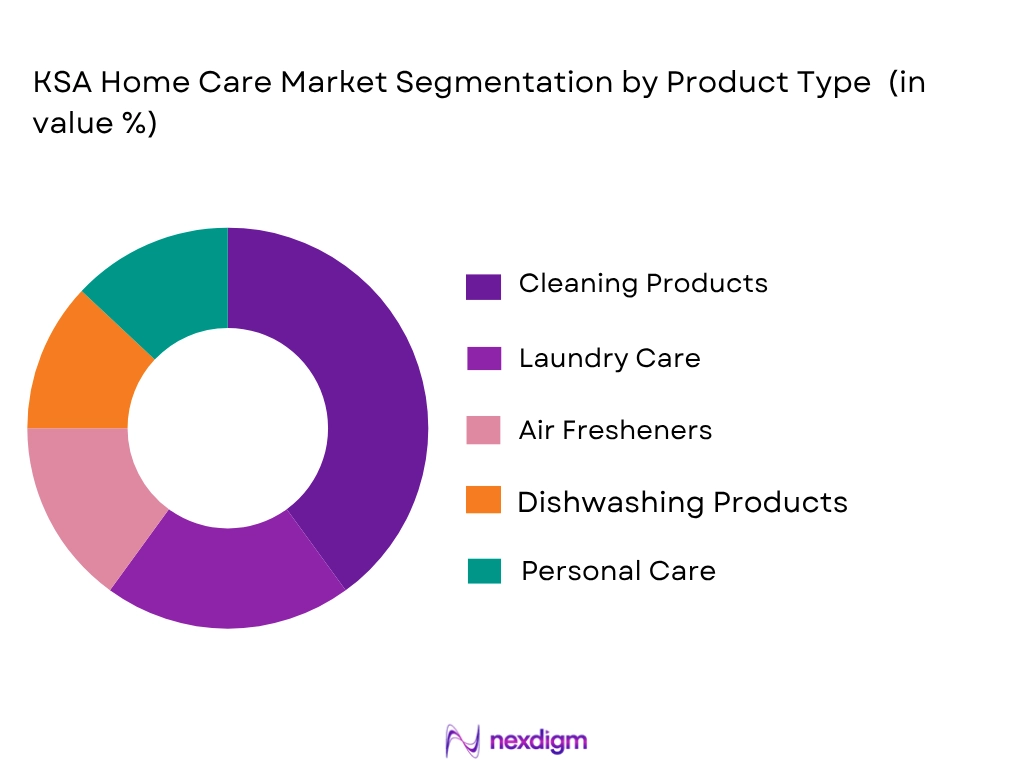
The Saudi Arabian home care market is segmented by product type into cleaning products, laundry care, dishwashing products, air fresheners, and personal care. Among these, cleaning products dominate the market, driven by a deep-rooted cultural preference for cleanliness and hygiene in households. Surface cleaners and disinfectants are the most sought-after sub-segments, especially given the increased awareness around hygiene due to the pandemic. Consumer preferences have shifted towards multi-purpose and eco-friendly cleaning agents, creating robust market growth in this segment. As urbanization increases, households are adopting more advanced cleaning products, such as sanitizers and air purifiers, further boosting this market segment.
By Distribution Channel
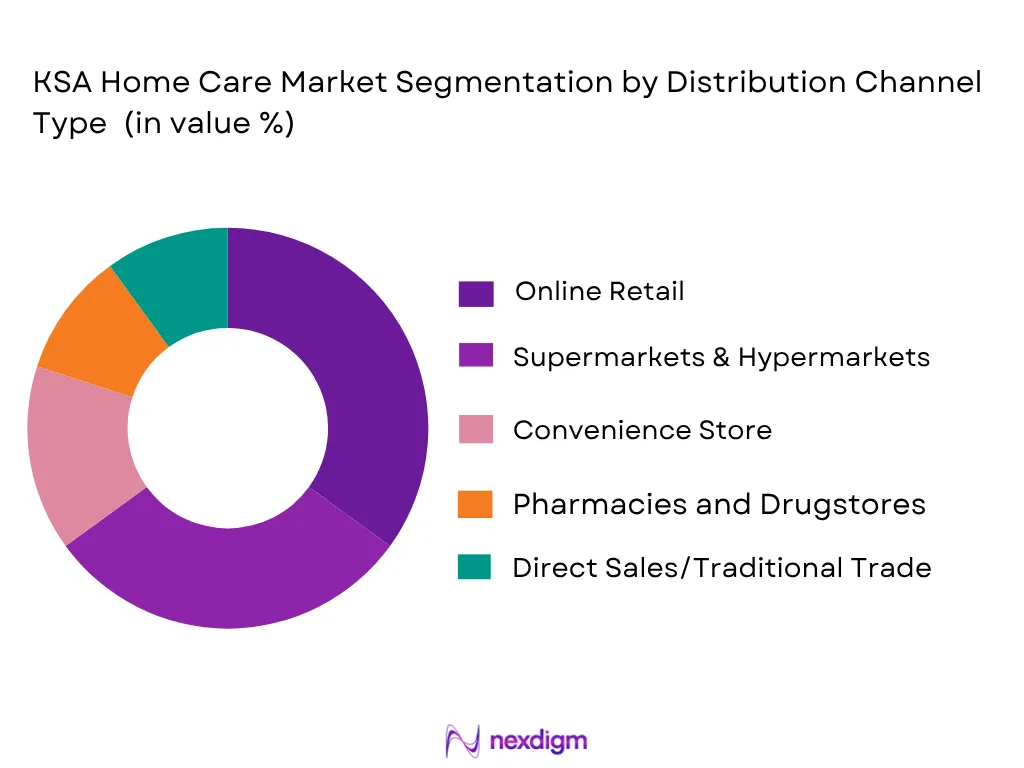
The distribution channel segmentation of the Saudi home care market includes online retail, supermarkets and hypermarkets, convenience stores, and pharmacies. Online retail holds a substantial market share, particularly as more consumers turn to e-commerce platforms for their home care needs. The rise of online grocery shopping, along with a growing preference for doorstep delivery, has bolstered the demand for home care products through these platforms. This trend is particularly evident among the younger, tech-savvy demographic in urban centers like Riyadh and Jeddah. Additionally, supermarkets and hypermarkets continue to hold significant market share due to their wide range of products, competitive pricing, and convenient access to consumers.
Competitive Landscape
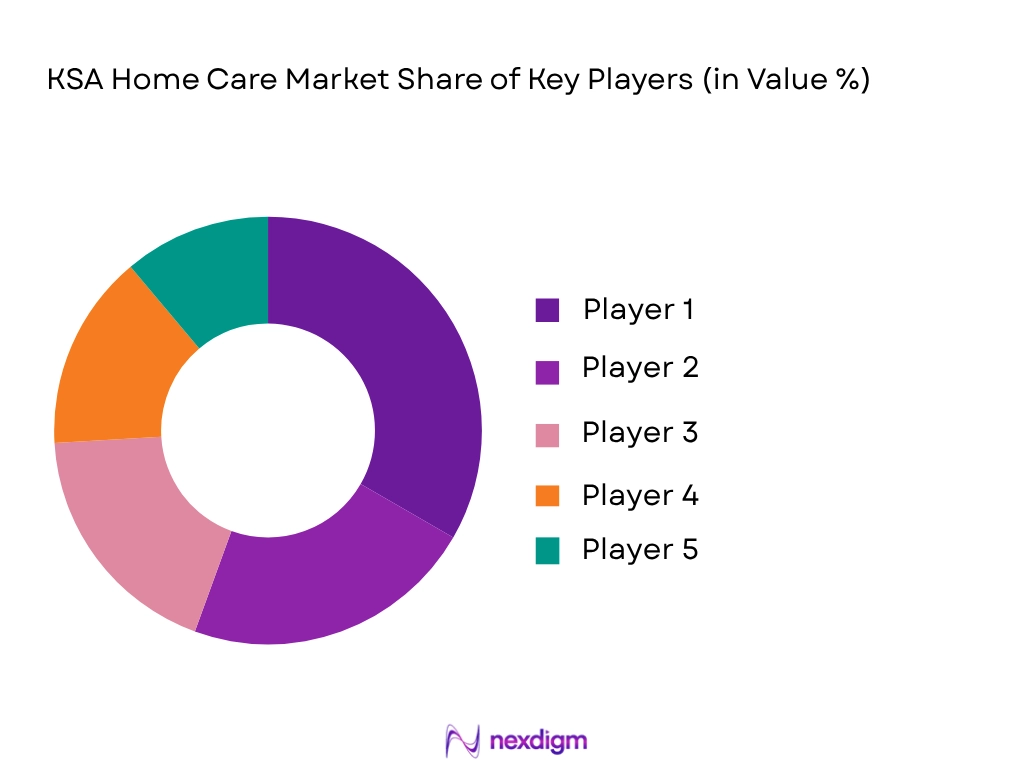
The Saudi home care market is largely consolidated, with a few key players holding significant influence. The competitive environment is dominated by multinational brands like Procter & Gamble, Unilever, Reckitt Benckiser, and local players such as Al-Dawaa Pharmacies. These companies maintain a strong presence in the market through extensive distribution networks, strategic marketing, and constant product innovation. Procter & Gamble, for example, has successfully introduced premium cleaning and laundry products tailored to local consumer preferences. Similarly, Unilever continues to strengthen its footprint through its eco-friendly product lines, addressing the growing demand for sustainability.
| Company Name | Establishment Year | Headquarters | Market Reach | Product Portfolio | Brand Presence | Consumer Loyalty | Sustainability Efforts |
| Procter & Gamble | 1837 | United States | ~ | ~ | ~ | ~ | ~ |
| Unilever | 1929 | United Kingdom | ~ | ~ | ~ | ~ | ~ |
| Reckitt Benckiser | 1823 | United Kingdom | ~ | ~ | ~ | ~ | ~ |
| Al-Dawaa | 1993 | Saudi Arabia | ~ | ~ | ~ | ~ | ~ |
| SC Johnson | 1886 | United States | ~ | ~ | ~ | ~ | ~ |
KSA Home Care Market Analysis
Growth Drivers
Population Growth and Urbanization Rate
Saudi Arabia’s population is estimated to reach approximately 37.3 million by 2024, showing consistent growth over the years. This urban expansion is particularly concentrated in major cities like Riyadh, Jeddah, and Dammam, where rapid infrastructural development has led to an increased demand for home care products. The urbanization rate in Saudi Arabia is projected to be around 85% by 2024, creating a greater concentration of households that require cleaning, hygiene, and maintenance products. Additionally, rapid urban development encourages higher consumption patterns as modern living spaces demand more home care
Rising Disposable Income and Consumer Spending
The Kingdom of Saudi Arabia is witnessing steady growth in disposable income, with the average household income increasing from SAR 123,000 in 2022 to an estimated SAR 130,000 in 2024. This rise in income is closely tied to the growth of the Saudi economy, which continues to diversify away from oil dependence through investments in sectors like tourism, entertainment, and technology. With more disposable income, consumers are willing to spend on premium home care products, thus driving the demand for higher-value items like eco-friendly cleaners and specialized detergents.
Market Challenges
Price Sensitivity and Cost Competition
Despite rising incomes, price sensitivity remains a key challenge for the Saudi home care market, particularly among middle-income households. A significant portion of the population is still sensitive to price increases, especially as inflation rates are projected to remain around 2% in 2024. The high competition in the market from both local and international brands results in constant pressure to reduce prices, which may affect profitability for manufacturers. The Saudi government’s push for localized production and cost-effective import tariffs also influences the price sensitivity of the local market.
Regulatory Hurdles and Import Tariffs
The home care industry in Saudi Arabia faces regulatory challenges, especially concerning product safety standards and environmental regulations. The Kingdom has strict import regulations, with goods subject to approval from the Saudi Standards, Metrology and Quality Organization (SASO) before they can enter the market. This process is time-consuming and can delay the introduction of new products. Import tariffs also increase the cost of foreign goods, which affects the price of non-local home care products, thus creating challenges for international companies trying to capture market share in Saudi Arabia.
Market Opportunities
Growing E-commerce Adoption in Home Care
The Saudi Arabian e-commerce sector continues to expand rapidly, and this trend is extending into the home care market. In 2024, e-commerce sales for home care products in Saudi Arabia are expected to continue their upward trajectory, driven by high internet penetration and increasing reliance on online shopping platforms for daily household products. Approximately 80% of urban Saudi consumers shop online, with a growing number seeking home care products like cleaning agents, laundry supplies, and air fresheners. As digital shopping becomes more popular, the online market for home care is anticipated to be a major growth engine for the sector.
Rising Awareness of Hygiene in Residential and Commercial Spaces
The importance of hygiene in both residential and commercial spaces has gained significant traction in Saudi Arabia, especially since the COVID-19 pandemic. The Kingdom’s government has invested in promoting cleanliness and hygiene standards in residential areas, hotels, schools, and other public spaces. This has led to a greater demand for professional cleaning and home care products across all sectors. With an increased focus on public health and sanitation, demand for cleaning products such as disinfectants and sanitizers is expected to remain strong in the coming years, creating growth opportunities for brands offering products catering to these needs.
Future Outlook
Over the next 5 years, the Saudi home care market is expected to experience substantial growth driven by increasing consumer awareness of hygiene, rising urbanization, and the growing trend toward eco-friendly products. Government initiatives supporting sanitation, particularly in public and private spaces, are expected to further bolster market demand. Additionally, innovations in smart home cleaning technologies and increased e-commerce penetration will fuel the expansion of the market. As disposable incomes rise and the middle class continues to grow, demand for premium home care products is expected to increase, paving the way for a more diversified and sophisticated market.
Major Players in the Market
- Procter & Gamble
- Unilever
- Reckitt Benckiser
- Al-Dawaa
- SC Johnson
- Henkel
- Kimberly-Clark
- Colgate-Palmolive
- Amway
- Clorox
- Lysol
- Diversey
- Godrej Consumer Products
- Mapei
- LG Electronics
Key Target Audience
- Investment and Venture Capitalist Firms
- Government and Regulatory Bodies
- Large Retailers and Distributors
- E-Commerce Platforms
- Home Care Product Manufacturers
- Packaging Companies
- Distribution and Logistics Companies
- Corporate Buyers
Research Methodology
Step 1: Identification of Key Variables
In the first phase, the team will identify critical market drivers, such as consumer spending habits, product preferences, and technological adoption rates. This will involve extensive desk research and consultations with industry experts, followed by mapping of the home care ecosystem in Saudi Arabia.
Step 2: Market Analysis and Construction
The market analysis will be built on secondary research from industry reports, sales data, and consumer surveys. This phase will focus on quantifying market size, growth rates, and distribution channel penetration. We will validate findings with primary data gathered from market players and industry reports.
Step 3: Hypothesis Validation and Expert Consultation
Industry experts will be consulted through structured interviews to validate hypotheses. These discussions will provide deeper insights into the market dynamics and potential growth areas, enhancing the accuracy of the forecast.
Step 4: Research Synthesis and Final Output
Data from various sources will be triangulated to ensure the accuracy of market forecasts. The final output will involve a comprehensive synthesis of historical and current market trends, supported by expert insights, to provide a reliable outlook for Saudi Arabia’s home care market.

- Executive Summary
- Research Methodology (Market Definitions and Scope of Home Care Services Segmentation Framework (Product Types, Distribution Channels, Consumer Demographics, etc.), Data Collection Approach (Primary and Secondary Research, Industry Interviews, Market Reports), Bottom-Up Market Sizing Approach (Consumer Segmentation, Product Penetration Rates) Top-Down Market Validation (Consumer Spending, Household Growth Rate, Regional Insights), Assumptions on Product Development Trends and Regulatory Landscape, Limitations and Data Triangulation Techniques, TAM/SAM/SOM Modelling Framework Based on Consumer Spending, Product Penetration, and Market Growth)

- Definition and Scope
- Evolution of Home Care Industry in KSA
- Timeline of Regulatory Changes and Policy Development
- Trade and Supply Chain Lifecycle Integration
- Value Chain Analysis
- Stakeholder Ecosystem

- Growth Drivers
Population Growth and Urbanization Rate
Rising Disposable Income and Consumer Spending
Demand for Hygiene and Cleaning Products
Influence of Consumer Awareness on Health & Safety
E-Commerce Growth and Digital Transformation in Retail
Product Innovation and Premiumization Trends - Market Challenges
Price Sensitivity and Cost Competition
Regulatory Hurdles and Import Tariffs
Consumer Trust in Product Claims
Environmental Impact and Sustainability Concerns
Distribution and Logistics Challenges in Remote Regions - Opportunities
Growing E-commerce Adoption in Home Care
Rising Awareness of Hygiene in Residential and Commercial Spaces
Product Diversification in Sustainability (Eco-friendly Products)
Untapped Potential in Regional Markets (Non-Metro Areas)
Increasing Demand for Smart Home Cleaning Solutions (Robotics, AI) - Market Trends
Demand for Eco-Friendly and Biodegradable Products
Natural and Chemical-Free Product Innovations
Smart Home Appliances for Home Cleaning (Robot Vacuums, Smart Dishwashers)
Rise of Subscription-Based Product Deliveries
Use of Augmented Reality (AR) for Consumer Engagement in E-Commerce - Regulatory Landscape
KSA’s Vision 2030 and Its Impact on Consumer Goods Market
Import Regulations and Taxation on Cleaning Products
Environmental Regulations Impacting Product Manufacturing and Packaging
Standards for Hygiene and Safety Compliance - SWOT Analysis
- Porter’s Five Forces
- Supply Chain Digitization Impact
- Retail Integration and Partnerships

- By Value, 2020-2025
- By Volume, 2020-2025
- By Average Price per Unit, 2020-2025

- By Product Category (in Value %)
Cleaning Products
Laundry Care
Air Fresheners
Dishwashing Products
Personal Care - By Distribution Channel (in Value %)
Online Retail (E-Commerce Platforms)
Supermarkets & Hypermarkets
Convenience Stores
Pharmacies and Drugstores
Direct Sales/Traditional Trade
- By Consumer Demographics (in Value %)
Individual Households
Family Households
Institutional Consumers (Hotels, Hospitals, etc.)
Corporate & Office Settings - By Price Range (in Value %)
Economy Range
Mid-Range
Premium Range - By Region (in Value %)
Central Region
Western Region
Eastern Region
Southern Region
Northern Region

- Market Share of Major Players
- By Value
- By Volume
- By Product Category Penetration
- By Distribution Channel Penetration
- Cross Comparison Parameters (Product Portfolio, Distribution Reach, Innovation Index, Brand Recognition, Marketing Spend, Customer Satisfaction, Port Coverage Network, AEO Certification Status, Digital Platform Capability, Client Retention Rate)
- SWOT Analysis of Major Players
- Pricing Benchmarking
- Detailed Profiles of Major Companies
Procter & Gamble Saudi Arabia
Unilever Saudi Arabia
Henkel Saudi Arabia
Reckitt Benckiser (RB) Saudi Arabia
SC Johnson Professional Saudi Arabia
Colgate-Palmolive Saudi Arabia
Kimberly-Clark Saudi Arabia
Amway Saudi Arabia
Henkel
Noxell Corporation
Diversey, Inc.
LG Electronics (Home Appliances)
Samsung Electronics (Smart Home Care Devices)

- Consumption Patterns & Seasonal Demand
- Price Sensitivity & Consumer Loyalty Analysis
- Pain Points in Home Care Product Usage
- Consumer Decision-Making Criteria
- End User TAM Analysis

- By Value, 2026-2035
- By Volume, 2026-2035
- By Average Price per Unit, 2026-2035


 Request a Sample
 Ask for Customization
 Get a Quote
 Enquire Now