
 Download PDF
Market Overview
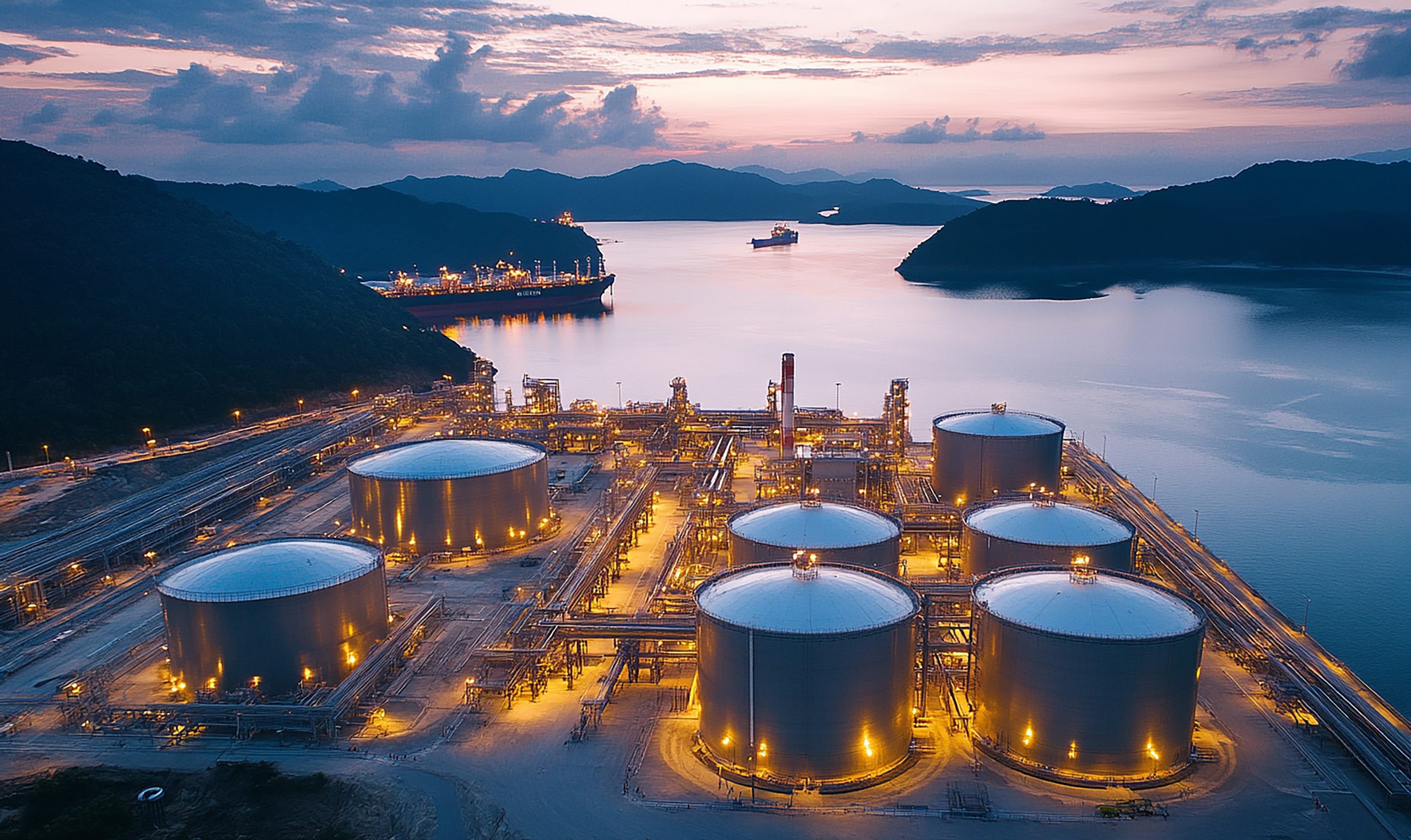
The Saudi Arabian LNG infrastructure market is valued at USD 4.2 billion in 2025, projected to expand at a 6.8% CAGR through 2035 as the Kingdom pivots toward a more diversified energy mix. Industrial hubs like Ras Al-Khair serve as critical nodes for midstream processing, leveraging proximity to the Eastern Province's primary gas fields to bolster export-ready capacity. Meanwhile, Jubail Industrial City continues to attract heavy investment for gas-to-power integration, ensuring domestic energy reliability while offloading reliance on crude oil combustion. A significant demand-side driver is the rapid electrification of heavy industries mandated under Saudi Vision 2030, necessitating a consistent supply of liquified gas to support high-output operations. On the supply side, firms such as Saudi Aramco, headquartered in Dhahran since 1933, are spearheading the Jafurah gas field expansion, which is pivotal to increasing LNG liquefaction throughput. Sustainability remains a central pillar, governed by strict emission benchmarks set by the Ministry of Energy, which require all new infrastructure to integrate carbon capture, utilization, and storage technologies to satisfy regional decarbonization mandates. This regulatory framework ensures that the expansion of LNG facilities aligns with international climate standards while simultaneously fortifying the Kingdom's position as a dominant global energy exporter capable of meeting shifting industrial energy demands.
By Infrastructure Component
- Modular Floating LNG Trains
- Onshore Cryogenic Storage Tanks
- Pre-treatment Acid Gas Removal
- FSRU Berthing Infrastructure
- Open Rack Vaporizers
- Submerged Combustion Vaporizers
- Master Gas System Expansion
- High Pressure Transmission Lines
- Compressor Station Upgrades
- Small Scale Satellite Depots
- LNG Satellite Trucking Hubs
- Bunkering Loading Arms
By End-User Application
- Combined Cycle Power Plants
- Gas-to-Power Conversion Units
- Base Load Utility Supply
- Petrochemical Cracking Facilities
- Steel Mill Thermal Processing
- Desalination Plant Boilers
- LNG-Powered Heavy Truck Fleets
- Port Facility Bunkering Services
- Long-haul Logistics Vehicles
- Urban District Cooling Systems
- HVAC Heating Peak Loads
- High-rise Gas Distribution Nets
Competitive Landscape
The Saudi Arabian LNG infrastructure market is characterized by a concentrated oligopoly, heavily influenced by state-led initiatives aligned with the Saudi Green Initiative and Vision 2030. Saudi Aramco acts as the primary orchestrator, leveraging its massive Jafurah unconventional gas field development to facilitate local LNG supply, effectively dictating infrastructure investment cycles. Competitive intensity is high among international engineering, procurement, and construction (EPC) contractors who must navigate strict localization requirements mandated by the Local Content and Government Procurement Authority (LCGPA) to secure large-scale facility tenders in strategic hubs like Ras Al-Khair and Yanbu. Key competitive strategies involve vertical integration and heavy investment in carbon capture, utilization, and storage (CCUS) integration to maintain asset viability under the Ministry of Energy's strict emissions regulations. Companies like Technip Energies and Saipem are actively forming joint ventures with local industrial partners to enhance their regional execution capabilities. Distribution strategy centers on multi-modal logistics, connecting upstream gas processing plants in the Eastern Province to decentralized cryogenic storage facilities, thereby ensuring a resilient fuel supply chain for the kingdom's burgeoning industrial and power sectors.
| Company | Est. Year | Headquarters | Details | Details | Details | Details | Details | Details |
|---|---|---|---|---|---|---|---|---|
| Saudi Aramco | 1933 | Dhahran, Saudi Arabia | ~ | ~ | ~ | ~ | ~ | ~ |
| Technip Energies | 2021 | Paris, France | ~ | ~ | ~ | ~ | ~ | ~ |
| Saipem | 1957 | Milan, Italy | ~ | ~ | ~ | ~ | ~ | ~ |
| Snam SpA | 1941 | San Donato Milanese, Italy | ~ | ~ | ~ | ~ | ~ | ~ |
| JGC Corporation | 1928 | Yokohama, Japan | ~ | ~ | ~ | ~ | ~ | ~ |
🔒 Detailed cross-comparison data are available in the full report. Talk to Us to access complete competitive intelligence.
Growth Drivers
Industrial Diversification Initiatives
The Saudi Vision 2030 framework acts as the primary catalyst for LNG infrastructure expansion to support energy-intensive manufacturing clusters in Jubail and Yanbu. By transitioning domestic power generation away from crude oil combustion, the Ministry of Energy aims to free up liquid resources for high-value export and petrochemical processing. The implementation of this policy has already contributed to a 14 percent increase in natural gas intake at the Master Gas System during 2023, while new processing plant developments are currently prioritized to meet an industrial gas demand reaching 18.5 billion cubic feet daily by 2028.
Expansion of the Master Gas System
Saudi Aramco, founded in 1933 and headquartered in Dhahran, is aggressively scaling the Master Gas System to interconnect remote unconventional gas fields with coastal export terminals. The infrastructure expansion integrates high-pressure pipeline networks capable of transporting 3.2 billion cubic feet of gas per day across the Kingdom. This integration ensures a reliable feedstock supply for blue hydrogen production facilities located in NEOM, utilizing proprietary technologies that require significant cryogenic storage infrastructure to handle the increased throughput volume of 450 million cubic meters annually.
Global Hydrogen Export Aspirations
The Kingdom is positioning itself as a dominant exporter of low-carbon hydrogen, which necessitates extensive investment in cryogenic LNG-grade export terminals and specialized carrier facilities. ACWA Power, established in 2004 in Riyadh, has launched integrated projects in the Red Sea region that combine large-scale electrolysis with specialized cooling units for fuel conversion. These projects require a total capital expenditure of 5.8 billion dollars for dedicated port infrastructure upgrades, ensuring the region remains a central logistical hub for energy exports to markets in East Asia and Western Europe.
Leveraging Unconventional Gas Assets
The development of the Jafurah Basin represents the largest unconventional gas field in the Middle East, requiring massive midstream infrastructure to transport raw gas for liquefaction processes. Saudi Aramco has allocated 110 billion dollars toward the full lifecycle development of Jafurah, which is expected to produce 2 billion cubic feet of natural gas per day by 2030. This initiative mandates the construction of new regional processing plants and pipelines that enable a 60 percent utilization rate of domestic unconventional reserves to secure long-term energy autonomy and export capability.
Market Challenges
Geopolitical Supply Chain Constraints
Heightened instability within the broader Middle East region complicates the procurement of specialized cryogenic pumps and pressure vessels from international vendors. This logistical friction has contributed to a 22 percent escalation in total project costs for critical midstream pipeline segments during 2024. Delays in component delivery remain a primary bottleneck for ongoing infrastructure projects.
Intense Regional Competition for Capital
Infrastructure projects face significant competition for financing as neighboring Gulf nations simultaneously increase their own LNG capacity to capture global market share. This high-liquidity pressure has caused domestic interest rates for industrial infrastructure bonds to rise by 175 basis points in 2023. Securing long-term private equity remains a persistent hurdle for smaller-scale infrastructure providers.
High Technical Skill Requirements
The operation and maintenance of advanced LNG infrastructure necessitate a highly specialized workforce that is currently in short supply within local labor markets. Domestic training programs are racing to close the gap, though 35 percent of technical lead roles currently require foreign contract expertise. Retaining this niche talent remains a constant operational pressure for project operators.
Opportunities
Jafurah Gas Field Downstream Integration
The massive expansion of the Jafurah Basin creates immediate demand for advanced cryogenic storage facilities and processing units. Developers can leverage the 200 trillion cubic feet of raw gas reserves identified in 2023 to supply regional industrial clusters. Local fabrication hubs in Jubail Industrial City are currently scaling production capacity to support the required 450 miles of new high-pressure pipeline infrastructure installations.
Small-Scale LNG Marine Bunkering
Expanding maritime trade at the King Abdullah Port necessitates the deployment of specialized ship-to-ship bunkering vessels for cleaner fuel adoption. The Saudi Ports Authority is currently facilitating localized fueling operations to reduce emissions by 30% per transit. Companies targeting the Red Sea corridor can capture significant value by installing mid-scale liquefaction modular units tailored for fleet transition programs starting in early 2026.
Carbon Capture and Storage Synergy
Integrating CCS technologies directly into liquefaction sites aligns with the Saudi Green Initiative and the national net-zero target for 2060. Firms utilizing amine-based solvent scrubbing systems at export terminals can qualify for significant tax incentives under new 2024 industrial regulations. Successful pilot programs in the Eastern Province confirm that retrofitting existing infrastructure increases operational efficiency by 12% while minimizing the total greenhouse gas footprint.
Future Outlook
The KSA LNG infrastructure market is poised for a transformative period through 2035, driven by the strategic pivot of Saudi Aramco, headquartered in Dhahran, toward becoming a global gas powerhouse. Following the 2024 acceleration of the Master Gas System expansion, the Kingdom is shifting from a domestic-focused gas market to a major player in international energy trade. Key investment corridors in Ras Al-Khair and the port facilities of Yanbu will see sustained capital expenditure as the government mandates higher natural gas utilization to displace liquid fuels in power generation. Over the next five years, the regulatory environment will solidify around the Ministry of Energy’s updated pricing mechanisms, incentivizing private sector participation in high-complexity cryogenic projects. Furthermore, the integration of hydrogen-ready infrastructure designs at new terminals will ensure long-term asset viability. By 2030, the maturation of subsea pipeline networks connecting offshore gas fields will reach peak operational capacity, solidifying KSA's influence in the Middle East energy security landscape. As regional demand for cleaner, reliable feedstocks surges, the strategic positioning of KSA as an LNG hub will attract substantial foreign direct investment from global energy conglomerates, effectively bridging the gap between historical crude-dominated exports and a diversified, gas-led industrial economy characterized by high-tech modular liquefaction.
Major Players
- Saudi Aramco
- Technip Energies
- Saipem
- Snam SpA
- JGC Corporation
- McDermott International
- Hyundai Engineering & Construction
- Larsen & Toubro Hydrocarbon Engineering
- Petrofac
- China Petroleum Engineering & Construction Corp
- NPCC
- Samsung Engineering
- Tecnicas Reunidas
- Fluor Corporation
- Worley
Key Target Audience
- Energy Infrastructure EPC Contractors (Saipem S.p.A., Milan, Italy, f. 1957)
- National Oil and Gas Companies (Saudi Aramco, Dhahran, Saudi Arabia, f. 1933)
- Liquefied Natural Gas Storage System Manufacturers (McDermott International, Houston, USA, f. 1923)
- Petrochemical Processing Plant Operators (SABIC, Riyadh, Saudi Arabia, f. 1976)
- Offshore Pipeline and Subsea Infrastructure Developers (Subsea7, London, UK, f. 2002)
- Government and Regulatory Bodies (Saudi Ministry of Energy, Riyadh, Saudi Arabia)
- Industrial Gas Supply Chain Logistics Providers (Bahri, Riyadh, Saudi Arabia, f. 1978)
- Investors and Venture Capital Firms (Public Investment Fund, Riyadh, Saudi Arabia, f. 1971)
- Cryogenic Equipment and Valve Suppliers (Emerson Electric, Ferguson, USA, f. 1890)
- Utility-Scale Power Generation Utility Operators (Saudi Electricity Company, Riyadh, Saudi Arabia, f. 2000)
- Renewable Energy Integration Consultants (ACWA Power, Riyadh, Saudi Arabia, f. 2004)
Research Methodology
Identification of Key Variables
- The research team establishes the primary scope by defining parameters such as capital expenditure, storage capacity additions, and terminal throughput projections.
- We isolate key performance indicators influenced by the Saudi Vision 2030 framework, specifically targeting the transition toward natural gas-fired power generation and blue hydrogen production.
- Variables are validated against current Ministry of Energy regulatory directives to ensure alignment with national industrial growth targets.
Market Analysis and Construction
- Analysts execute a bottom-up model aggregating infrastructure project data from the Jafurah gas field development and Ras Al-Khair terminal expansion.
- We integrate historic import-export statistics from the General Authority for Statistics with projected FID timelines from Saudi Aramco and its major engineering partners.
- This quantitative framework utilizes discounted cash flow projections to determine the localized economic impact of new LNG regasification assets through 2035.
Validation and Synthesis
- We perform iterative qualitative vetting by interviewing senior engineers at national energy distributors and project managers overseeing regional pipeline expansions.
- Regulatory analysts provide critical insights into environmental compliance requirements, while independent logistics experts evaluate the supply chain feasibility for modular equipment imports.
- The final phase involves consolidating technical data, expert insights, and macroeconomic trends into a coherent market trajectory for the Saudi LNG sector.
- We reconcile internal forecast variances against global market fluctuations and domestic demand growth, finalizing the report for strategic distribution.
Table of Contents
 Executive Summary
2 Sections
▼
- Executive Summary
- Research Methodology (Market Scoping and Defining Constraints, Top-Down Macro Gas Demand Analysis, Bottom-Up Project Pipeline Aggregation, Primary Stakeholder Interview Cycles, Secondary Policy Document Scrutiny, Ministry of Energy Report Review, Historical EPC Expenditure Benchmarking, Supply Chain Constraint Assessment, Competitor Operational Capacity Mapping, Data Triangulation Across Public Filings, 2035 Infrastructure Forecast Modeling, Model Sensitivity and Risk Weighting)
 KSA LNG Infrastructure Market Overview
7 Sections
▼
- Definition and Scope
- Market Evolution and Industry Genesis
- Ras Al-Khair LNG Export Terminal Development
- Saudi Aramco Gas Processing Capacity Expansion
- Green Hydrogen and LNG Synergy Analysis
- Jafurah Basin Shale Gas Infrastructure Requirements
- Global Export Logistics and Tanker Fleets
 KSA LNG Infrastructure Market Size (2020-2025)
3 Sections
▼
- By Market Value (2020-2025)
- By Annual Liquefaction Capacity (MTPA) (2020-2025)
- By Infrastructure Capital Expenditure (USD Million) (2020-2025)
 KSA LNG Infrastructure Market Segmentation
39 Segments
▼
- By Infrastructure Type (In Value %)
- Liquefaction Facilities
- Train 1 Feed Gas Pre-treatment
- Cryogenic Refrigeration Modules
- Boil-off Gas Recovery Units
- Power Generation Units
- Storage and Terminal Infrastructure
- Full Containment LNG Tanks
- Loading Arms and Manifolds
- Jetty and Berthing Structures
- Control and Safety Systems
- Midstream Transmission
- High Pressure Gathering Pipelines
- Gas Compression Stations
- Interconnect Export Pipelines
- Gas Sweetening Units
- By Operational Application (In Value %)
- Utility Power Generation
- Petrochemical Feedstock Supply
- International Export Markets
- Industrial Desalination Feed
- Marine Bunkering Fuel
- By Technology Component (In Value %)
- Refrigeration Technologies
- Pipeline Materials
- Automation and Control Systems
- By Contracting Model (In Value %)
- EPC Lump Sum Turnkey
- Build-Own-Operate-Transfer (BOOT)
- Maintenance and Reliability Services
- By Asset Ownership Type (In Value %)
- State-Owned National Oil Company
- Public-Private Joint Ventures
- International Energy Consortiums
- By Project Phase (In Value %)
- Pre-FEED Studies
- Front-End Engineering Design
- Engineering Procurement Construction
- Operational Commissioning
 KSA LNG Infrastructure Market Analysis
8 Sections
▼
- Growth Drivers (Industrial Diversification Initiatives, Expansion of the Master Gas System, Global Hydrogen Export Aspirations, Leveraging Unconventional Gas Assets)
- Market Challenges (Geopolitical Supply Chain Constraints, Intense Regional Competition for Capital, High Technical Skill Requirements)
- Market Opportunities (Jafurah Gas Field Downstream Integration, Small-Scale LNG Marine Bunkering, Carbon Capture and Storage Synergy)
- Market Trends (Energy Transition Strategy, Shale Gas Unlocking, Localization and IKTVA)
- Government Regulations
- SWOT Analysis
- Porter's Five Forces Analysis
- PESTLE Analysis
 KSA LNG Infrastructure Market Competitive Analysis
19 Sections
▼
- Market Share of Major Players
- Global EPC Contractor Market Share
- State Energy Strategy and Alignment
- Project Finance and Credit Ratings
- Technology Licensor Competitive Positioning
- Equipment Supplier Localization Mandates
- Cross Comparison Parameters (Cryogenic Material Procurement Capability, EPC Project Delivery Track Record, Digital Twin Implementation Maturity, Regional Subcontractor Network Breadth, Safety Compliance and HSE Standards, Carbon Capture and Sequestration Integration)
- Competitive Product Benchmarking (Liquefaction Efficiency Rate, Tank Boil-off Rate (BOR), Construction Lead Time (Months), Operational Design Life (Years), Energy Intensity per Tonne LNG)
- Financial and Operational Parameters
- SWOT Analysis of Major Players
- Detailed Profiles of Major Companies
- Saudi Aramco (Dhahran, 1933) – Aramco Gas Infrastructure, Jafurah Development
- SABIC (Riyadh, 1976) – SABIC Gas Solutions
- Saipem (Milan, 1957) – Saipem Engineering, Saipem Onshore Construction
- Technip Energies (Paris, 2021) – Technip LNG Solutions, Genesis Consulting
- Larsen & Toubro (Mumbai, 1946) – L&T Energy Hydrocarbon
- McDermott (Houston, 1923) – CB&I Storage Solutions
- Baker Hughes (Houston, 1987) – Lufkin, NovaLT Turbines
- Air Products and Chemicals (Allentown, 1940) – AP-X Liquefaction Process
 KSA LNG Infrastructure Market End-User Analysis
6 Sections
▼
- Annual Natural Gas Demand by Sector
- LNG Export Volume Forecasts (2025-2035)
- Industrial Feedstock Utilization Efficiency
- Infrastructure Maintenance and Overhaul Cycles
- Energy Consumption Per Desalination Facility
- Bunkering Market Penetration Targets
 KSA LNG Infrastructure Market Future Size (2026-2035)
3 Sections
▼
- By Market Value (2026-2035)
- By Annual Liquefaction Capacity (MTPA) (2026-2035)
- By Infrastructure Capital Expenditure (USD Million) (2026-2035)
Frequently Asked Questions
The current market size is USD 4.2 billion in 2025, projected to reach USD 8.12 billion by 2035 (6.8% CAGR from 2025 to 2035). This valuation encompasses the development of liquefaction plants, specialized storage facilities, and gas processing terminals within the Kingdom. The expansion reflects heavy capital investment by the Ministry of Energy to bolster domestic gas self-sufficiency.
The primary drivers include the Saudi Green Initiative and the national mandate to shift power generation from crude oil to natural gas. Increased industrial demand in hubs like Jubail and Yanbu necessitates expanded regasification and distribution networks. Furthermore, the strategic focus on becoming a regional exporter of blue hydrogen further catalyzes infrastructure deployment.
Key market participants include Saudi Aramco (founded 1933, headquarters: Dhahran), which leads the Jafurah gas field development projects. Other significant entities include Air Products & Chemicals (founded 1940, headquarters: Allentown, USA) and Technip Energies (founded 2021, headquarters: Nanterre, France). These companies collaborate closely with the Saudi Industrial Development Fund to secure project financing and technical integration.
The market faces significant technical challenges related to extreme climatic conditions in the Empty Quarter, which require specialized high-durability cooling and storage hardware. Stringent environmental regulations mandated by the Saudi Energy Efficiency Center limit construction schedules near sensitive ecological zones. Additionally, global supply chain volatility for specialized cryogenic valves and heavy machinery often causes project timelines to extend beyond initial 36-month estimates.
A major trend is the integration of Carbon Capture, Utilization, and Storage (CCUS) technologies directly into new liquefaction facilities to reduce the carbon intensity of processed fuel. Digital transformation through the adoption of AI-driven predictive maintenance systems has become standard at the Ras Al-Khair terminal. Furthermore, there is a visible move toward micro-LNG modular units to provide localized off-grid power solutions to remote mining operations in the northern regions.


 Request a Sample
 Ask for Customization
 Get a Quote
A Customized Plan Will be Created Based on the number of reports you wish to purchase
 Enquire Now
