

 Download PDF
Market Overview
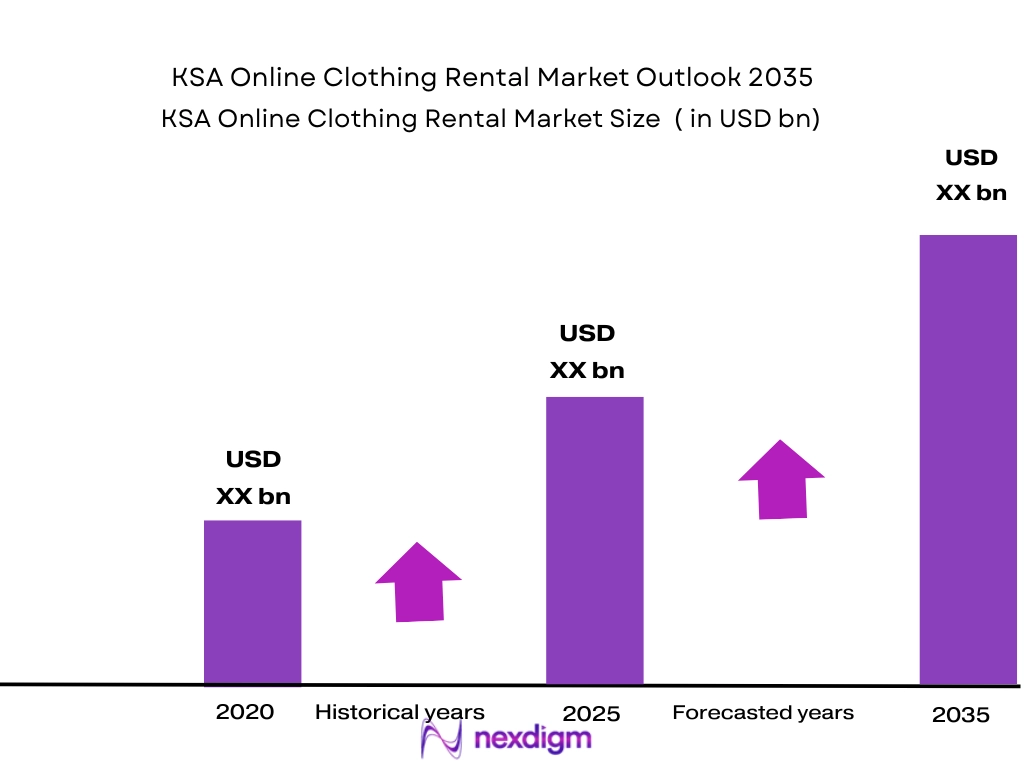
The Saudi Arabia online clothing rental market is valued at approximately USD ~ billion, based on recent industry analyses of digital fashion and rental services. This reflects rising consumer demand for access‑based fashion alternatives driven by growth in e‑commerce adoption, increasing fashion consciousness, and sustainability trends among urban demographics. Platforms targeting special event wear and subscription models have expanded service reach across mobile and web channels, supported by increased digital payments and logistics networks.
Key urban centres such as Riyadh, Jeddah and Dammam dominate the Saudi online clothing rental market due to higher disposable incomes, dense populations of young consumers, and strong digital infrastructure supporting e‑commerce logistics. These cities also host most fashion events and influencer‑driven demand cycles, making them prime markets for rental platforms. Broader GCC interest in digital fashion and circular economy models reinforces regional leadership compared with smaller markets within the Middle East. (Market logic based on regional consumption patterns and digital adoption
Market Segmentation
By End‑User
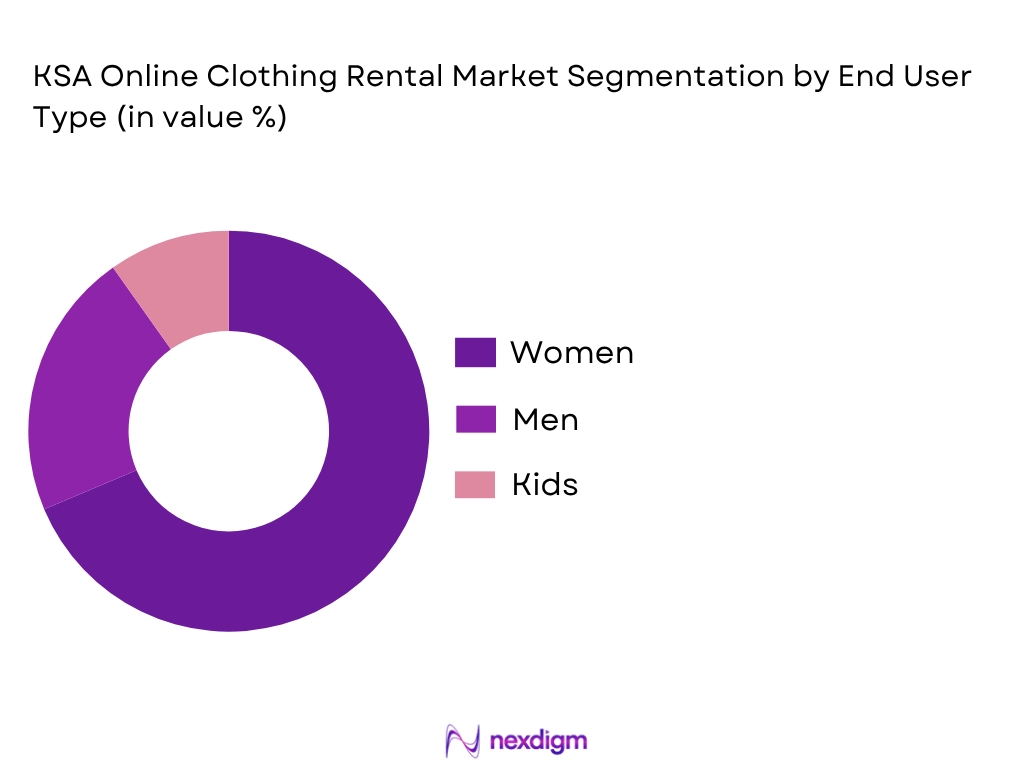
The KSA online clothing rental market is segmented into women, men and kids. The women segment holds the dominant share in 2024 due to higher frequency of event‑specific fashion consumption, social engagement driving wardrobe variety, and greater utilisation of digital platforms for fashion services. Women’s demand for both casual and occasion wear, coupled with promotional activity and social media influence, sustains a larger rental footprint. Men and kids segments are growing, but at a lower absolute share due to differing usage patterns and purchase preferences.
By Clothing Style
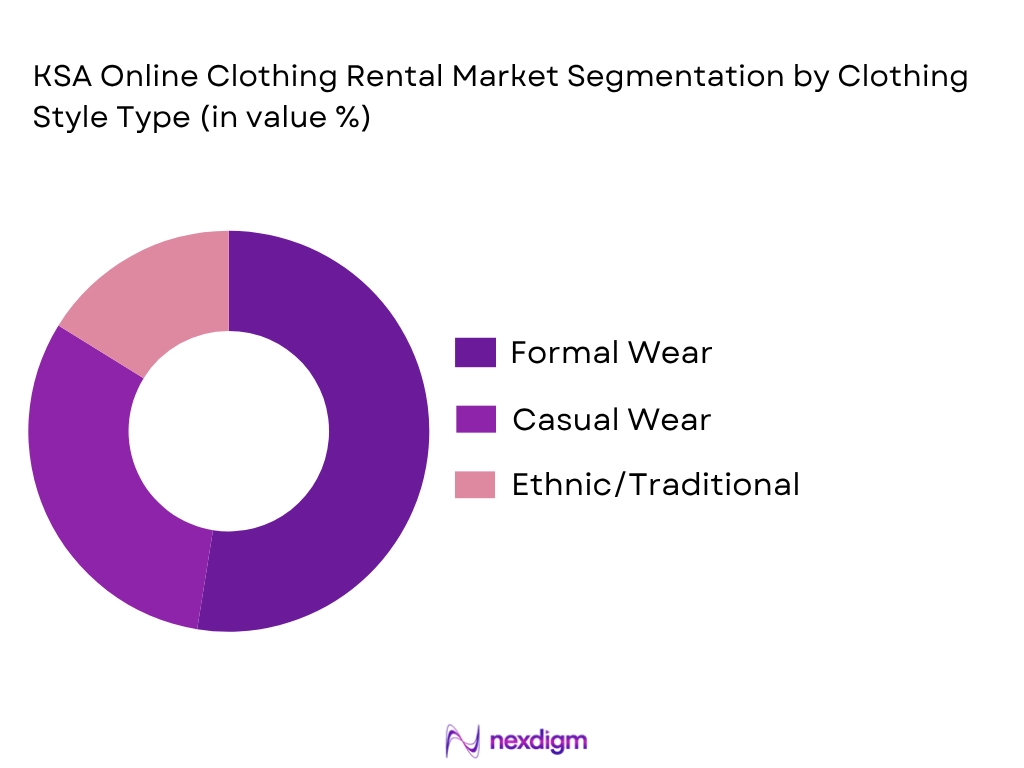
Under clothing style segmentation, formal wear leads the market share in 2024, reflecting strong demand for attire rented for weddings, corporate events, and social functions where ownership is less cost‑efficient. Casual wear also accounts for a significant portion of rentals among young professionals who value variety and convenience, particularly through subscription models. Ethnic and traditional clothing, while smaller in share, benefits from high‑season demand during cultural events and ceremonies.
Competitive Landscape
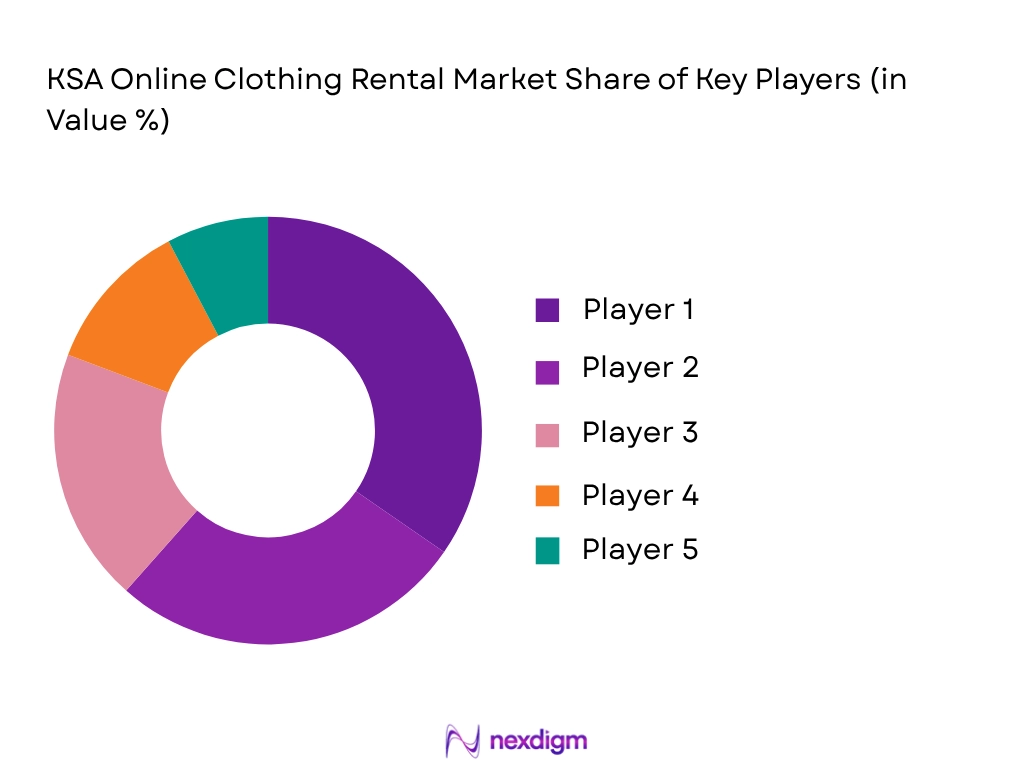
The competitive environment in the KSA online clothing rental market reflects a mix of local and international digital platforms targeting fashion rental services.Companies typically offer a range of rental models including subscription services, occasion‑based rentals, and premium designer access. Growth is influenced by technology investments in mobile apps, inventory management, logistics and customer experience.
| Company | Year Established | Headquarters | Business Model | Inventory Type | Delivery Network | Digital Platform Presence | Customer Base Focus |
| Rent the Runway | 2009 | USA | ~ | ~ | ~ | ~ | ~ |
| HURR | 2016 | UK | ~ | ~ | ~ | ~ | ~ |
| Flyrobe | 2015 | India | ~ | ~ | ~ | ~ | ~ |
| GlamCorner | 2012 | Australia | ~ | ~ | ~ | ~ | ~ |
| Share Wardrobe | 2018 | USA | ~ | ~ | ~ | ~ | ~ |
KSA Online Clothing Rental Market Analysis
Growth Drivers
Changing Fashion Trends and Consumer Preferences
The KSA online clothing rental market is strongly driven by rapidly evolving fashion trends and shifting consumer preferences. Younger consumers, influenced by social media and global fashion movements, increasingly prioritize variety and access over ownership. Online platforms enable access to designer wear, formal attire, and occasion-specific clothing without the financial burden of purchase. Consumers are seeking personalized experiences and the ability to frequently update their wardrobe in line with emerging trends. This demand has encouraged rental platforms to offer flexible subscription models, curated collections, and digital styling tools. The result is an expansion of the rental ecosystem that caters to both urban professionals and event-driven consumers across the kingdom, reinforcing sustained market growth.
Increased Focus on Sustainability and Circular Fashion
Sustainability considerations are becoming a critical driver of the KSA online clothing rental market. Consumers are increasingly conscious of the environmental impact of fast fashion, including textile waste and overproduction. Renting clothing aligns with circular fashion principles, reducing resource consumption while providing access to a wide variety of apparel. Both international and local platforms actively promote sustainable practices, including garment lifecycle management and eco-friendly delivery options. This shift resonates strongly with environmentally aware younger demographics and urban populations, reinforcing rental adoption. By combining convenience with ethical consumption, clothing rental services position themselves as an attractive alternative to traditional ownership, thereby stimulating overall market expansion and long-term engagement.
Market Challenges
Consumer Trust and Perceived Hygiene Concerns
One of the key challenges for the KSA online clothing rental market is building consumer trust regarding garment hygiene and quality. Customers are often hesitant to rent clothing due to concerns over cleanliness, previous use, and garment condition. Platforms must invest heavily in professional laundering, strict quality control, and transparent hygiene standards to reassure consumers. Any negative experiences related to garment quality or delivery reliability can significantly impact brand reputation and repeat business. Overcoming this psychological barrier is crucial for market adoption, particularly for women’s formal wear and special occasion rentals where hygiene is a priority. Failure to address these concerns could slow overall market growth despite rising consumer interest.
High Logistics and Return Costs
The operational complexity of delivery, pickup, and returns poses a significant challenge in the KSA online clothing rental market. Efficient logistics are essential to maintain fast turnaround times, especially for time-sensitive rental items like evening wear or wedding attire. High transportation and reverse logistics costs can erode profit margins, particularly for smaller platforms without large-scale infrastructure. Additionally, delayed or damaged returns affect customer satisfaction and inventory management. Managing these costs while maintaining affordability and service reliability remains a significant challenge for operators, limiting scalability in regions outside major urban centers and requiring innovative logistics solutions and partnerships to sustain market growth.
Opportunities
Expansion of Subscription Models for Consistent Revenue
The adoption of subscription-based clothing rental services presents a major growth opportunity in the KSA market. Subscription models offer predictable revenue streams while promoting long-term customer engagement. They cater to consumers who seek frequent wardrobe updates, including daily office wear, casual clothing, or special-event outfits. By offering tiered pricing, curated selections, and personalized recommendations, platforms can increase retention rates and cross-sell additional services such as styling advice or premium designer access. Subscription services also allow companies to optimize inventory utilization and predict demand patterns. With rising digital adoption and comfort with recurring payments, these models are particularly well-suited to urban, tech-savvy populations, offering a sustainable and scalable business approach.
Growing Demand for Sustainable Fashion
The rising consumer preference for sustainable and environmentally responsible fashion creates opportunities for online clothing rental platforms in KSA. Eco-conscious consumers are increasingly rejecting fast fashion in favor of rental and circular consumption models. Platforms can capitalize on this trend by promoting the environmental benefits of renting, including reduced textile waste and lower carbon footprint. Collaborations with sustainable brands, transparent sourcing practices, and digital campaigns highlighting green credentials enhance brand appeal and attract loyal customers. Additionally, demand is expected to grow among millennials and Gen Z, who are highly aware of sustainability issues. Integrating eco-friendly practices into operational and marketing strategies can differentiate platforms and expand market reach.
Future Outlook
The KSA online clothing rental market is expected to expand substantially through 2035. Growth will be supported by rising consumer preference for circular fashion, improvements in e‑commerce infrastructure, and broader acceptance of access‑based consumption models. Investments in AI‑powered fit and style recommendations, enhanced reverse logistics, and partnerships with fashion designers are likely to enhance service differentiation. Demand for rental services will also grow with population segments valuing variety and sustainability without full ownership costs.
Major Players
- Rent the Runway
- HURR
- Flyrobe
- GlamCorner
- Share Wardrobe
- Le Tote
- Nuuly
- Gwynnie Bee
- Dress Hire
- Swapdom
- Chic by Choice
- Ounass Fashion Rental Services
- Namshi Rental
- Style Lend
- Secret Wardrobe
Key Target Audience
- Retail and fashion e‑commerce executives
- Investments and venture capitalist firms
- Apparel brand strategists and supply chain directors
- Technology platform providers for rental marketplaces
- Logistics and fulfilment partners
- Government and regulatory bodies
- Sustainable fashion initiatives and circular economy councils
- Fashion event and occasion branding agencies
Research Methodology
Step 1: Identification of Key Variables
Initial phase involves mapping stakeholders across online clothing rental platforms, e‑commerce ecosystems, logistics partners, and consumer segments. Secondary research uses industry databases, market reports, and public filings to outline key drivers and constraints.
Step 2: Market Analysis and Construction
Historical revenue figures and platform penetration metrics are analysed to construct baseline market estimates. Consumer behaviour data, digital payment adoption, and fashion event cycles are assessed to validate revenue generation models.
Step 3: Hypothesis Validation and Expert Consultation
Hypotheses on growth drivers, segmentation dominance, and competitive behaviour are cross‑checked with domain experts, including platform operators and fashion industry analysts. Insights from interviews refine assumptions and improve accuracy.
Step 4: Research Synthesis and Final Output
Direct engagement with market participants and verification of segment performance ensures the robustness of projections. Triangulation with subscription adoption rates, platform usage statistics, and logistics performance helps produce validated market forecasts.

- Executive Summary
- Research Methodology (Market Definitions and Assumptions, Abbreviations, Market Sizing Approach, Consolidated Research Approach, Understanding Market Potential Through In-Depth Industry Interviews, Primary Research Approach, Limitations and Future Conclusions)

- Definition and Scope
- Market Dynamics Overview
- Market Genesis and Evolution
- Key Players and Market Timeline
- Business Cycle and Trends
- Supply Chain and Value Chain Analysis

- Growth Drivers
Changing Fashion Trends and Consumer Preferences
Increased Focus on Sustainability and Circular Fashion
Growth of E-Commerce and Digital Platforms
Rising Disposable Income and Urbanization
Demand for Cost-Effective and Flexible Fashion Solutions
Changing Social Norms and Renting Culture - Market Challenges
Consumer Trust and Perceived Hygiene Concerns
Limited Variety and Size Options
High Logistics and Return Costs
Competition from Traditional Retail
Regulatory Challenges and Standards Compliance - Opportunities
Expansion of Subscription Models for Consistent Revenue
Growing Demand for Sustainable Fashion
Digitalization and Integration of Smart Clothing Rental Technology
Growth in Women’s and Youth Participation in Clothing Rental Services
Expansion of Regional Markets Outside Major Urban Areas - Trends
Rise of Subscription-Based Rental Models
Demand for Eco-Friendly, Sustainable Clothing Rentals
Technological Advancements in Rental Platforms
Growth of Rental Options for Formal and Special Occasion Wear
Integration of Virtual Try-Ons and Personalized Styling Services - Government Regulations
Import and Export Regulations
Health and Safety Standards for Clothing Rentals
Environmental Regulations (Sustainability and Recyclability)
Clothing and Textile Standards and Certification
Taxation and Import Duties on Clothing Products - SWOT Analysis
- Porter’s Five Forces

- By Value, 2020-2025
- By Volume, 2020-2025
- By Average Price, 2020-2025

- By End user Type (In Value %)
Women
Men
Kids - By Clothing Style (In Value %)
Formal Wear
Casual Wear
Ethnic/Traditional - By Consumer Demographics (In Value %)
Individual Consumers
Family Consumers
Corporate Consumers
Event Consumers (Weddings, Parties, etc.)
Institutional Consumers - By Price Range (In Value %)
Budget Range
Mid-Range
Premium Range - By Region (In Value %)
Central Region (Riyadh)
Western Region (Jeddah, Makkah)
Eastern Region (Dammam, Khobar)
Southern Region (Abha, Jazan)
Northern Region (Tabuk, Hail)

- Market Share of Major Players by Value/Volume
- Market Share of Major Players by Product Type
- Market Share of Major Players by Distribution Channel
- Cross Comparison Parameters (Company Overview, Business Strategies, Recent Developments, Strength, Weakness, Organizational Structure, Revenues, Revenues by Product Type, Distribution Channels, Dealer Networks, Production Capacity, Unique Value Offerings)
- SWOT Analysis of Major Players
- Pricing Analysis Based on Product Categories for Major Players
- Detailed Profiles of Major Companies
Rent The Runway
Le Tote
GlamCorner
Zilingo Rent
The Flex Rentals
Klook Fashion Rentals
H&M Rent
Rentez-Vous
MyWardrobeHQ
Fashion Pass
Borrow It Binda
LUXLIRIOUS
Dress Hire
Swish Wardrobe
KSA Local Clothing Rental Platforms

- Market Demand and Utilization
- Purchasing Power and Budget Allocations
- Regulatory and Compliance Requirements
- Needs, Desires, and Pain Point Analysis
- Decision-Making Process

- By Value, 2026-2035
- By Volume, 2026-2035
- By Average Price, 2026-2035


 Request a Sample
 Ask for Customization
 Get a Quote
 Enquire Now