
 Download PDF
Market Overview
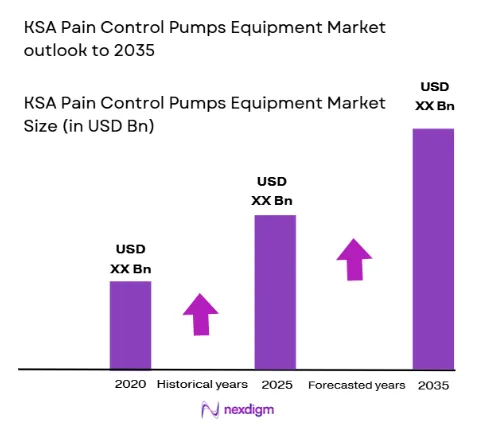
The KSA Pain Control Pumps Equipment market is experiencing significant growth driven by increasing demand for advanced pain management solutions in the healthcare sector. The market size is valued at approximately USD ~ billion, with growth fueled by the rising prevalence of chronic diseases, the expanding elderly population, and increasing adoption of technologically advanced pain management systems. Additionally, the growing demand for homecare solutions and the establishment of specialized healthcare facilities have accelerated market expansion. Technological advancements in drug delivery systems, remote monitoring, and enhanced patient safety protocols are further contributing to the market’s positive trajectory.
In terms of geographical dominance, Saudi Arabia leads the KSA Pain Control Pumps Equipment market, driven by the country’s robust healthcare infrastructure and its investment in modern healthcare technologies. Major cities such as Riyadh, Jeddah, and Dhahran are at the forefront of this market due to the concentration of healthcare facilities and government-backed health initiatives. Furthermore, the strategic location of Saudi Arabia, coupled with increasing government healthcare expenditure, supports the rapid adoption of pain control pumps. This dominance is enhanced by the rising number of specialized healthcare centers focusing on pain management and the introduction of advanced healthcare technologies in major cities.
Market Segmentation
By Product Type:
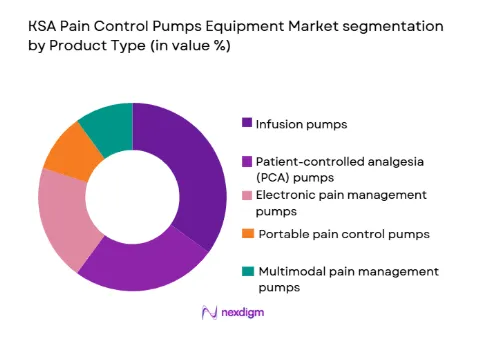
KSA Pain Control Pumps Equipment market is segmented by product type into infusion pumps, patient-controlled analgesia (PCA) pumps, electronic pain management pumps, portable pain control pumps, and multimodal pain management pumps. Among these, infusion pumps currently dominate the market due to their widespread application in hospitals and clinics. Their adaptability in various clinical settings, ease of use, and precise drug delivery systems contribute to their popularity. Hospitals and healthcare providers prefer these systems as they ensure controlled pain management in acute care situations, driving the demand for infusion pumps across KSA.
By End-User:
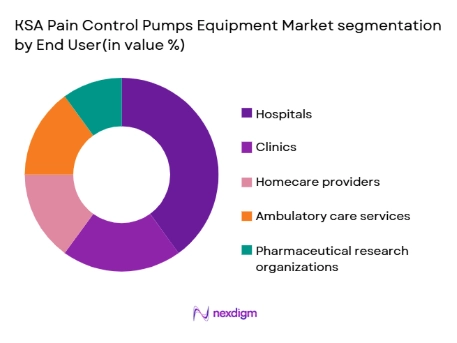
KSA Pain Control Pumps Equipment market is segmented by end-users into hospitals, clinics, homecare providers, ambulatory care services, and pharmaceutical research organizations. Recently, hospitals have dominated the market due to their centralized pain management systems and the need for advanced equipment to cater to critically ill patients. Hospitals are increasingly investing in high-tech pain control pumps, especially with the growing burden of chronic diseases and post-surgery recovery. This trend is supported by both government and private sector initiatives to enhance hospital infrastructure, enabling the widespread adoption of pain control pumps.
Competitive Landscape
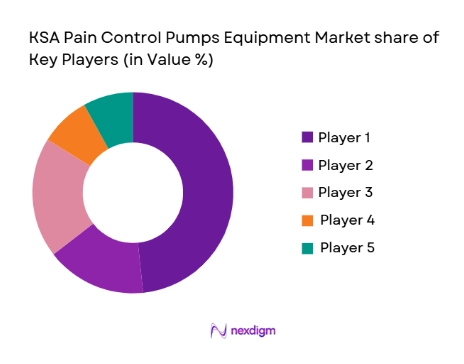
The competitive landscape of the KSA Pain Control Pumps Equipment market is marked by the presence of major international and local players. Consolidation is becoming prominent as leading companies seek to expand their product portfolios and tap into the growing demand for advanced pain control solutions. Companies focus on technological innovation, strategic partnerships, and expansion into the homecare sector to stay competitive. Key players are also investing heavily in R&D to develop next-generation pain control pumps with improved efficiency, safety features, and remote monitoring capabilities.
| Company Name | Establishment Year | Headquarters | Technology Focus | Market Reach | Key Products | Revenue |
| Medtronic | 1949 | Dublin, Ireland | ~ | ~ | ~ | ~ |
| Fresenius Kabi | 2004 | Bad Homburg, Germany | ~ | ~ | ~ | ~ |
| Baxter International | 1931 | Deerfield, USA | ~ | ~ | ~ | ~ |
| Smiths Medical | 2001 | London, UK | ~ | ~ | ~ | ~ |
| Halyard Health | 2014 | Alpharetta, USA | ~ | ~ | ~ | ~ |
KSA Pain Control Pumps Equipment Market Analysis
Growth Drivers
Rising Prevalence of Chronic Diseases:
The increasing prevalence of chronic pain conditions, including cancer, arthritis, and neurological disorders, significantly drives the demand for pain control pumps. With the aging population in Saudi Arabia and the rising rates of chronic diseases, there is a growing need for effective pain management solutions in hospitals and healthcare settings. As chronic pain becomes more prevalent, medical professionals are seeking advanced and reliable pain control equipment to offer better treatment options. Furthermore, the rise in surgeries and complex medical procedures has increased the demand for efficient post-operative pain management, which is further contributing to the market growth. Consequently, the growth in chronic disease cases is one of the key drivers in the KSA Pain Control Pumps Equipment market, pushing healthcare providers to adopt the latest technology for better patient outcomes. Moreover, advancements in technology, such as electronic pain management pumps and patient-controlled analgesia systems, are making it easier to manage these chronic conditions effectively, boosting the adoption rate.
Increasing Healthcare Investments:
The Saudi Arabian government is investing heavily in its healthcare sector, leading to the expansion of healthcare facilities and the introduction of advanced medical technologies. The country’s Vision 2030 initiative has resulted in substantial healthcare infrastructure projects that are enhancing the quality and accessibility of healthcare services. This has led to an increased adoption of pain management solutions like control pumps across hospitals and clinics. Moreover, the growing healthcare expenditure is enabling the introduction of cutting-edge technologies, including more advanced and efficient pain control pumps. The government’s efforts to modernize the healthcare sector are making pain control pumps more accessible to both healthcare providers and patients. Additionally, Saudi Arabia’s focus on improving the quality of life for its citizens by offering enhanced healthcare services aligns with the demand for reliable and advanced medical devices for pain management. This increased investment is driving the market’s growth, making it an important growth driver for pain control pumps in the region.
Market Challenges
High Cost of Advanced Pain Control Equipment:
One of the major challenges facing the KSA Pain Control Pumps Equipment market is the high cost of advanced pain control pumps, particularly for high-tech, multimodal, and electronic pumps. These devices, while offering significant benefits in terms of precision and patient outcomes, are often expensive to manufacture, distribute, and maintain. This high cost can be prohibitive for many healthcare providers, especially in smaller clinics or those located in remote regions where healthcare budgets may be constrained. The price of the equipment and associated maintenance costs can limit the adoption of these devices, particularly in the public healthcare sector. Although the government has made strides in improving healthcare accessibility, the cost remains a critical barrier to the widespread adoption of advanced pain control pumps. Consequently, cost-related challenges are slowing the market growth, preventing broader distribution and access to these vital technologies.
Limited Awareness Among Healthcare Providers:
Another challenge facing the KSA Pain Control Pumps Equipment market is the limited awareness among healthcare providers about the benefits and advancements of newer pain control technologies. Many hospitals and clinics continue to rely on older, traditional methods of pain management, often due to lack of awareness or reluctance to adopt new technologies. Additionally, the rapid pace of technological advancements makes it difficult for some healthcare professionals to stay updated with the latest offerings, thereby hindering the effective implementation of modern pain control systems. The lack of training and knowledge about the functionality and advantages of these advanced devices can delay the adoption process, preventing the healthcare sector from fully embracing innovative pain management solutions. Addressing this challenge requires increased efforts in training programs, awareness campaigns, and support systems to help healthcare providers understand the potential of modern pain control pumps and integrate them into their clinical practices.
Opportunities
Expansion of Homecare Solutions:
One of the key opportunities for the KSA Pain Control Pumps Equipment market is the growing trend of homecare solutions. With the increasing demand for home-based healthcare services and the rising burden of chronic pain among the elderly population, there is an expanding need for portable and user-friendly pain control pumps. Homecare services are becoming more popular as they offer patients the comfort of being treated in their own homes while still benefiting from advanced medical devices. This shift toward homecare creates a significant market opportunity for companies that specialize in producing portable and cost-effective pain control pumps suitable for home use. Furthermore, the ease of use and adaptability of these devices make them ideal for patients recovering from surgeries or managing long-term pain conditions at home. Companies that can innovate and offer pain control pumps designed for homecare are well-positioned to capture a substantial share of this growing market, as demand for home-based medical devices continues to rise.
Technological Advancements and Innovations:
The rapid advancement in technology presents a significant opportunity for the KSA Pain Control Pumps Equipment market. Innovations such as wireless pain control systems, smart pumps, and systems integrated with artificial intelligence (AI) are opening new possibilities for more effective pain management. These advancements enable real-time monitoring, better patient control, and personalized treatment options. Additionally, AI-powered pain control pumps can provide insights into a patient’s response to medication, optimizing dosage and minimizing side effects. Such innovations are expected to drive demand for more advanced systems as they offer improved outcomes and a higher level of comfort for patients. As technology continues to evolve, the integration of such innovations into pain control pumps will enhance their functionality and efficiency, ultimately transforming pain management practices. This technological shift represents a promising opportunity for market participants to cater to the evolving needs of healthcare providers and patients.
Future Outlook
The future outlook for the KSA Pain Control Pumps Equipment market is optimistic, with expected continued growth over the next five years. This growth will be driven by advancements in technology, including the integration of AI, smart systems, and remote monitoring features. Government initiatives and rising healthcare investments will further boost the market, particularly in urban regions such as Riyadh, Jeddah, and Dhahran. Additionally, increasing demand for homecare services and better patient outcomes will accelerate the adoption of pain control pumps in non-hospital settings. Technological innovations and regulatory support will continue to drive the market toward more efficient and user-friendly solutions, enhancing the overall quality of care and expanding the market’s reach.
Major Players
- Medtronic
- Fresenius Kabi
- Baxter International
- Smiths Medical
- Halyard Health
- Hospira
- B. Braun Melsungen
- Zynex Inc.
- Johnson & Johnson
- Abbott Laboratories
- Intuitive Surgical
- Terumo Corporation
- Cook Medical
- Zimmer Biomet
- ConvaTec
Key Target Audience
- Investments and venture capitalist firms
- Government and regulatory bodies
- Healthcare providers and hospitals
- Medical device distributors
- Homecare providers
- Pharmaceutical companies
- Ambulatory care services
- Hospitals’ purchasing managers
Research Methodology
Step 1: Identification of Key Variables
In this step, the key variables influencing the KSA Pain Control Pumps Equipment market are identified, including economic factors, healthcare trends, and technological developments.
Step 2: Market Analysis and Construction
Data is gathered to build a detailed analysis of the market, incorporating historical data, current trends, and projections for future growth.
Step 3: Hypothesis Validation and Expert Consultation
Experts in the field, including healthcare professionals and market analysts, are consulted to validate assumptions and provide insights into market dynamics.
Step 4: Research Synthesis and Final Output
The findings from the previous steps are synthesized into a comprehensive report, providing actionable insights and forecasts for the KSA Pain Control Pumps Equipment market.

- Executive Summary
- Research Methodology (Definitions, Scope, Industry Assumptions, Market Sizing Approach, Primary & Secondary Research Framework, Data Collection & Verification Protocol, Analytic Models & Forecast Methodology, Limitations & Research Validity Checks)

- Market Definition and Scope
- Value Chain & Stakeholder Ecosystem
- Regulatory / Certification Landscape
- Sector Dynamics Affecting Demand
- Strategic Initiatives & Infrastructure Growth

- Growth Drivers
Rising prevalence of chronic pain conditions
Advancements in pain management technology
Government healthcare initiatives and funding
Increasing adoption of home healthcare solutions
Growing elderly population in KSA - Market Challenges
High cost of pain control pumps
Limited healthcare infrastructure in rural areas
Complex regulatory requirements
Lack of awareness about advanced pain management methods
Security and privacy concerns in digital pain management platforms - Market Opportunities
Expansion of healthcare infrastructure
Increasing demand for homecare solutions
Technological advancements in wireless pain management systems - Trends
Growth in mobile and wireless pain management systems
Shift towards personalized pain treatment solutions
Integration of AI in pain management systems
Rise in multimodal and combination therapies
Increasing adoption of smart wearable pain control devices - Government Regulations & Defense Policy
Increasing government investments in healthcare infrastructure
Evolving regulations around medical device certification
Focus on enhancing patient safety through stricter regulations - SWOT Analysis
- Stakeholder and Ecosystem Analysis
- Porter’s Five Forces Analysis
- Competition Intensity and Ecosystem Mapping

- By Market Value, 2020-2025
- By Installed Units, 2020-2025
- By Average System Price, 2020-2025
- By System Complexity Tier, 2020-2025

- By System Type (In Value%)
Infusion pumps
Patient-controlled analgesia (PCA) pumps
Electronic pain management pumps
Portable pain control pumps
Multimodal pain management pumps - By Platform Type (In Value%)
Standalone systems
Integrated platform systems
Mobile-based platform systems
Hospital network-connected systems
Cloud-based monitoring platforms - By Fitment Type (In Value%)
Hospital fitment
Homecare fitment
Mobile fitment
Ambulatory care fitment
Clinical trial fitment - By EndUser Segment (In Value%)
Hospitals
Clinics
Homecare providers
Ambulatory care services
Pharmaceutical research organizations - By Procurement Channel (In Value%)
Direct procurement
Distributors and dealers
Online procurement platforms
Government tendering
Third-party procurement - By Material / Technology (in Value %)
Electronic materials
Smart technology integration
Wireless technology
Battery and power management
Software algorithms for pain control

- Market structure and competitive positioning
- Market share snapshot of major players
- CrossComparison Parameters (Product Offering, Market Share, Pricing Strategy, Technological Innovation, Distribution Network, Customer Satisfaction, Geographical Reach, Brand Recognition, Regulatory Compliance, Service Offering)
- SWOT Analysis of Key Players
- Pricing & Procurement Analysis
- Key Players
Medtronic
Fresenius Kabi
Baxter International
Smiths Medical
Hospira
Halyard Health
Stryker Corporation
Vygon
B. Braun Melsungen
Zynex Inc.
Johnson & Johnson
AbbVie
Mylan
Pall Corporation
Intuitive Surgical

- Growing demand for homecare-based pain management
- Rising adoption of pain control pumps in hospitals
- Increase in use of pain management systems in ambulatory services
- Government initiatives encouraging adoption of pain management technology

- Forecast Market Value, 2026-2035
- Forecast Installed Units, 2026-2035
- Price Forecast by System Tier, 2026-2035
- Future Demand by Platform, 2026-2035


 Request a Sample
 Ask for Customization
 Get a Quote
 Enquire Now