

 Download PDF
Market Overview
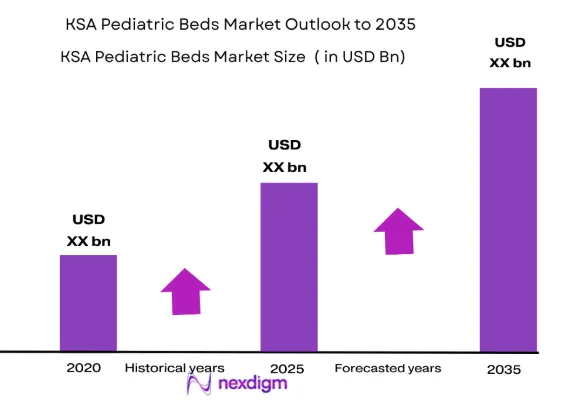
The KSA Pediatric Beds market, valued at USD ~ billion based on a recent historical assessment, is driven by the increasing demand for advanced healthcare solutions and growing pediatric patient admissions. A rise in pediatric healthcare infrastructure, particularly in urban regions, has significantly bolstered market growth. The shift towards technologically advanced pediatric beds, such as those with integrated monitoring systems and ergonomic designs, has become a key factor in meeting evolving healthcare needs. Further, the ongoing expansion of healthcare facilities in the country is enhancing the demand for pediatric beds, fostering market expansion.
Based on a recent historical assessment, cities like Riyadh and Jeddah are the dominant hubs for pediatric bed demand in Saudi Arabia, driven by their large healthcare infrastructure and population density. Riyadh, being the capital, houses several top-tier hospitals and healthcare centers, while Jeddah, with its access to international medical tourism, is experiencing significant demand for specialized pediatric care. The growth in these cities is further supported by government-backed initiatives, bolstering healthcare standards and infrastructure to provide advanced medical care, including specialized pediatric facilities.
Market Segmentation
By Product Type
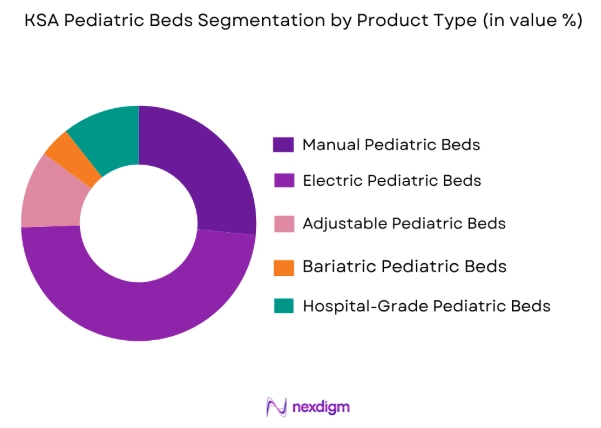
The KSA Pediatric Beds market is segmented by product type into manual pediatric beds, electric pediatric beds, adjustable pediatric beds, bariatric pediatric beds, and hospital-grade pediatric beds. Recently, electric pediatric beds have gained a dominant market share due to factors such as their advanced features, ease of operation, and rising demand for comfort and patient safety. The increased focus on hospital-grade beds with integrated monitoring systems and higher safety standards has contributed to the preference for electric beds in both hospitals and homecare settings. The technological advancements in electric bed designs, such as height adjustments, tilt functions, and integrated medical devices, further drive their adoption in pediatric care, making them the dominant product type in the market.
By Platform Type
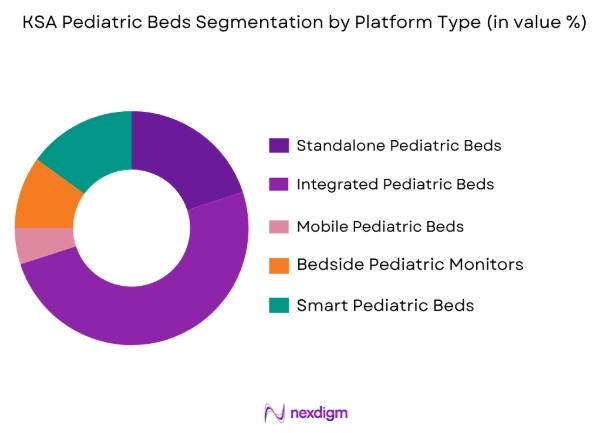
The KSA Pediatric Beds market is segmented by platform type into standalone pediatric beds, integrated pediatric beds, mobile pediatric beds, bedside pediatric monitors, and smart pediatric beds. Recently, integrated pediatric beds have achieved a dominant market share due to their multi-functional nature, which combines bed features with other medical equipment for better patient care management. Integrated beds are increasingly used in hospitals and critical care units where patient monitoring, comfort, and safety are of utmost importance. The need for space efficiency in pediatric healthcare facilities and improved patient outcomes has significantly bolstered the adoption of integrated systems, making this platform the dominant one in the market.
Competitive Landscape
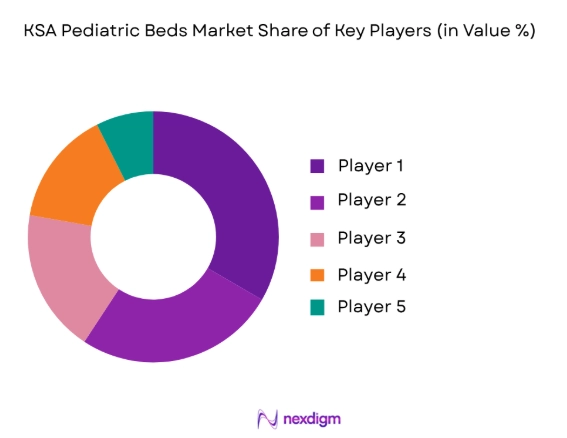
The competitive landscape of the KSA Pediatric Beds market is characterized by a high level of consolidation, with major international and regional players dominating the market. These companies are expanding their product offerings to include advanced features such as IoT integration, adjustable functionalities, and safety enhancements. As healthcare providers increasingly invest in cutting-edge pediatric care, competition is expected to intensify, particularly in urban regions like Riyadh and Jeddah. Moreover, the presence of strong government regulations ensures that only the most reliable and innovative players succeed in maintaining their market positions.
| Company Name | Establishment Year | Headquarters | Technology Focus | Market Reach | Key Products | Revenue | Additional Parameter |
| Al Harbi Trading | 1985 | Riyadh, Saudi Arabia | ~ | ~ | ~ | ~ | ~ |
| Saudi Medical Systems | 1992 | Jeddah, Saudi Arabia | ~ | ~ | ~ | ~ | ~ |
| MediCare Medical | 1997 | Riyadh, Saudi Arabia | ~ | ~ | ~ | ~ | ~ |
| Al Essa Medical | 2000 | Riyadh, Saudi Arabia | ~ | ~ | ~ | ~ | ~ |
| Invacare Corporation | 1885 | Ohio, USA | ~ | ~ | ~ | ~ | ~ |
KSA Pediatric Beds Market Analysis
Growth Drivers
Increasing Pediatric Hospital Admissions
Saudi Arabia continues to experience a high volume of pediatric healthcare needs driven by a substantial child population and birth cohort, which supports sustained demand for pediatric beds. In 2023, approximately 546,000 babies were born in the Kingdom, representing a steady influx of pediatric patients requiring routine postnatal, acute and specialized hospital care. This annual birth figure contributes to the under‑five population, which WHO data estimates at around 3.2 million children living in Saudi Arabia, with ongoing pediatric clinical encounters in emergency, ward and surgical settings that necessitate dedicated pediatric bed capacity in hospitals and specialty units.
Technological Advancements in Pediatric Bed Design
The evolution of pediatric bed technology, including electronically adjustable frames, integrated vital sign monitoring compatibility and child‑centric safety designs, is driving replacement and upgrade cycles in hospital procurement. Advances such as beds with digital interfaces that align with emerging IoMT (Internet of Medical Things) hospital systems improve clinical monitoring accuracy for vital parameters and support caregivers in maintaining child safety during long‑term stays. Hospitals investing in these features seek quantifiable improvements in patient handling and clinical workflow efficiency, encouraging broader adoption of modern pediatric bed systems across tertiary and specialty facilities.
Market Challenges
High Initial Costs of Pediatric Beds
Procurement of advanced pediatric beds with features like electric adjustability and integrated safety systems requires substantial capital outlay from hospital budgets that must accommodate broader healthcare infrastructure demands. Saudi national healthcare reports indicate approximately 498 hospitals with around 77,000 total beds across the country, meaning investment decisions for pediatric‑specific infrastructure must compete with general ward and adult ICU expansions. The need to balance capital expenditure across bed types, staff training and other equipment constraints can delay or limit replacement of outdated pediatric beds with newer models.
Shortage of Skilled Medical Personnel
Despite overall hospital expansion, Saudi health system workforce indicators highlight ongoing challenges in clinical staffing that affect bed utilization and care quality, especially in pediatric units. WHO health system data shows Saudi Arabia’s density of doctors and nurses remains a key performance metric, with pediatric and specialized pediatric nursing staff in particular reported as constrained in several studies of clinical service capacity. Such workforce shortfalls can lead to under‑utilization of available pediatric beds and constrain the pace of pediatric service expansion even when physical infrastructure exists.
Market Opportunities
Expansion of Pediatric Healthcare Infrastructure
Saudi Vision 2030 healthcare transformation initiatives emphasize expanding hospital capacity to meet demographic and quality‑of‑care goals, with current capacity reported at roughly 24.9 hospital beds per 10,000 people and plans to increase this figure to meet international benchmarks. This structural expansion includes investments in pediatric wards and specialty units, creating demand for pediatric beds to support newborn, acute pediatric and long‑stay care. These capacity targets reflect concrete infrastructure growth that can absorb increased pediatric bed installations as part of larger hospital build‑outs and modernization programs.
Growth of Smart Pediatric Bed Technologies
The integration of smart technologies into pediatric hospital equipment—such as beds capable of interfacing with electronic health records and remote monitoring systems—offers a forward‑looking opportunity as hospitals seek efficiency and improved clinical outcomes. Hospitals with digital transformation agendas prioritize equipment that supports continuous monitoring and automated alerts, which pediatric beds with embedded connectivity can provide. These capabilities align with broader health IT investments in Saudi healthcare facilities, encouraging procurement of next‑generation pediatric beds with advanced monitoring and safety features.
Future Outlook
The future outlook for the KSA Pediatric Beds market over the next five years shows positive growth, driven by a combination of technological advancements, increased healthcare infrastructure development, and rising demand for specialized pediatric care. The market is expected to witness a steady increase in the adoption of smart pediatric beds, driven by the growing trend of integrating IoT and AI technologies into healthcare. Additionally, government regulations and initiatives supporting pediatric healthcare infrastructure development will foster the expansion of new healthcare facilities, creating further demand for advanced pediatric beds. As the healthcare system in Saudi Arabia continues to modernize, the market is poised to benefit from a greater focus on patient comfort and safety, particularly in critical care settings. Furthermore, the growing awareness of the importance of early pediatric care and the aging population are likely to contribute to sustained market growth in the coming years.
Major Players
- Al Harbi Trading
- Saudi Medical Systems
- MediCare Medical
- Al Essa Medical
- Invacare Corporation
- Atlas Medical
- Philips Healthcare
- Hill-Rom
- Stryker Corporation
- GE Healthcare
- Arjo Medical
- BeneTech
- Healthcare Solutions
- TSE Healthcare
- Medtronic
Key Target Audience
- Investments and venture capitalist firms
- Government and regulatory bodies
- Hospitals and healthcare providers
- Pediatric healthcare centers
- Medical device distributors
- Private healthcare facilities
- Medical equipment retailers
- Healthcare infrastructure developers
Research Methodology
Step 1: Identification of Key Variables
Identification of key factors impacting the pediatric bed market, including product types, technological advancements, and demand drivers.
Step 2: Market Analysis and Construction
Thorough analysis of the market landscape, segmentation, and trends. Data is collected from credible sources to build a comprehensive market profile.
Step 3: Hypothesis Validation and Expert Consultation
Engagement with industry experts to validate assumptions and insights gathered from primary and secondary research.
Step 4: Research Synthesis and Final Output
Synthesis of data and expert opinions into a final market report, providing actionable insights and projections for the future of the market.

- Executive Summary
- Research Methodology (Market Definitions and Assumptions, Abbreviations, Market Sizing Approach , Forecasting Methodology, Primary Research Framework, Analytic Models & Forecast Methodology, Limitations & Research Validity Checks)

- Market Definition and Scope
- Value Chain & Stakeholder Ecosystem
- Regulatory / Certification Landscape
- Sector Dynamics Affecting Demand
- Strategic Initiatives & Infrastructure Growth

- Growth Drivers
Increasing Pediatric Hospital Admissions
Technological Advancements in Pediatric Bed Design
Rising Demand for Home Healthcare Services - Market Challenges
High Initial Costs of Pediatric Beds
Shortage of Skilled Medical Personnel
Regulatory Compliance Issues - Market Opportunities
Expansion of Pediatric Healthcare Infrastructure
Growth of Smart Pediatric Bed Technologies
Increase in Government Investments in Healthcare - Trends
Growing Demand for Multifunctional Pediatric Beds
Integration of IoT in Pediatric Bed Systems
Rise in Customizable Pediatric Bed Options - Government Regulations
- SWOT Analysis
- Stakeholder Ecosystem
- Porter’s Five Forces

- By Revenue, 2020-2025
- By Units Installed, 2020-2025
- By Average Selling Price, 2020-2025
- Installed Base and Annual Deployment, 2020-2025

- By Product Type (In Value%)
Manual Pediatric Beds
Electric Pediatric Beds
Adjustable Pediatric Beds
Bariatric Pediatric Beds
Hospital Grade Pediatric Beds - By Platform Type (In Value%)
Standalone Pediatric Beds
Integrated Pediatric Beds
Mobile Pediatric Beds
Bedside Pediatric Monitors
Smart Pediatric Beds - By Fitment Type (In Value%)
Hospital Pediatric Beds
Homecare Pediatric Beds
Emergency Pediatric Beds
ICU Pediatric Beds
Maternity Pediatric Beds - By End User Segment (In Value%)
Hospitals
Clinics
Long-Term Care Facilities
Home Healthcare Providers
Government Health Departments - By Procurement Channel (In Value%)
Direct Purchase
Third-Party Distributors
Online Healthcare Platforms
Hospitals’ In-House Procurement
Government Tenders

- Market Share Analysis
- Cross Comparison Parameters (Pediatric Bed Product Portfolio Breadth, Technology Integration, Warranty & After‑Sales Service Coverage, Regulatory Certifications & Quality Standards, Distribution & Service Network Depth, Production/Assembly Footprint & Localization, Hospital Integration Capability & Custom Solutions, Pricing Tier Positioning, Unit Volume Sales vs Revenue Mix, R&D Investment Focus, Customer Satisfaction & Clinical Performance Scores, Stock Keeping Units & Configurations, Lead Time & Supply Reliabilit)
- Pricing & Procurement Analysis
- Key Players
Stryker Corporation
Hill‑Rom (Teleflex)
Getinge Group
Drägerwerk AG & Co. KGaA
Fritz Stephan GmbH
Invacare Corporation
Linet Group
Joerns Healthcare
ArjoHuntleigh
Medline Industries
Hettich Hospitalbed Systems
Burmeier GmbH & Co.
Stiegelmeyer GmbH & Co.
Ergotron Inc

- Hospitals and Healthcare Providers
- Homecare Service Providers
- Government Institutions
- Private Healthcare Facilities

- By Revenue, 2026-2035
- By Units Installed, 2026-2035
- By Average Selling Price, 2026-2035
- Installed Base and Annual Deployment, 2026-2035


 Request a Sample
 Ask for Customization
 Get a Quote
 Enquire Now