
 Download PDF
 Download PDF
Market Overview
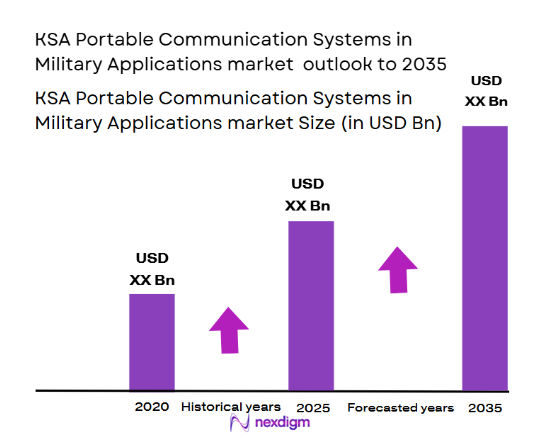
The market for portable communication systems in military applications is poised for significant growth, driven by the increasing demand for secure, reliable communication platforms in defense operations. With a market size projected to be valued at approximately USD ~ billion, this demand is fueled by technological advancements and the integration of secure communication systems in defense forces worldwide. Governments and defense agencies are investing heavily in upgrading and modernizing their communication infrastructure to improve operational efficiency and security. Key market drivers include the need for seamless communication in complex military environments and the ongoing focus on improving battlefield communications.
Key regions dominating this market include the United States, China, and several European nations, with major investments being made in defense technology. These countries are leading in military advancements and have established military frameworks that support the integration of advanced portable communication systems. The strong military presence and strategic importance of these nations have made them pivotal players in this market. Factors such as governmental defense budgets, military modernization programs, and geopolitical tensions in these regions further consolidate their dominance in this market space.
Market Segmentation
By Product Type
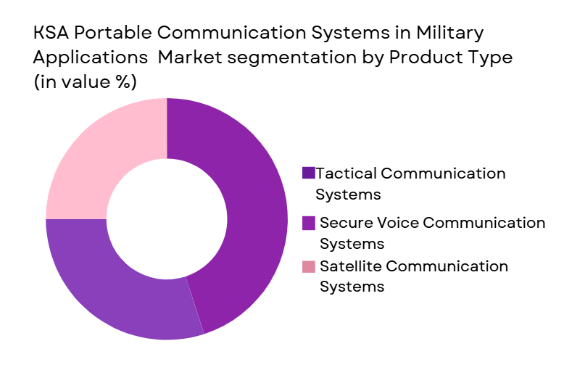
The portable communication systems market is segmented by product type into tactical communication systems, secure voice communication systems, and satellite communication systems. Recently, tactical communication systems have dominated the market share due to their critical role in ensuring effective communication on the battlefield. These systems are designed to operate in harsh conditions, offering reliability and security in real-time military operations. The rising demand for tactical communication systems is largely driven by their integration with other technologies, including satellite communication and secure voice systems, enhancing overall military capabilities.
By Platform Type
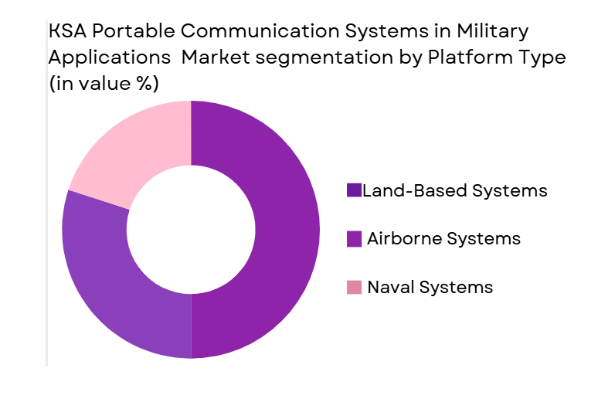
The market is segmented by platform type into land-based systems, airborne systems, and naval systems. Land-based systems have a dominant market share due to their widespread deployment in ground military operations. These systems provide vital communication capabilities for troops during ground combat and strategic missions. The growth of land-based systems is propelled by the increasing need for portable and robust communication solutions that ensure seamless operations in diverse environments. Their ability to integrate with other military technologies like drones and reconnaissance systems is also a significant factor contributing to their growth.
Competitive Landscape
The competitive landscape of the portable communication systems market is marked by a high degree of consolidation, with several key players holding significant market shares. The market is characterized by technological innovation, with major players investing heavily in research and development to improve the security, range, and resilience of communication systems. This competitive intensity is expected to drive ongoing advancements in the sector, with firms seeking to integrate AI, machine learning, and 5G technologies into their communication solutions.
| Company Name | Establishment Year | Headquarters | Technology Focus | Market Reach | Key Products | Revenue | R&D Investment (%) |
| Harris Corporation | 1895 | USA | ~ | ~ | ~ | ~ | ~ |
| Thales Group | 2000 | France | ~ | ~ | ~ | ~ | ~ |
| BAE Systems | 1999 | UK | ~ | ~ | ~ | ~ | ~ |
| Raytheon Technologies | 1922 | USA | ~ | ~ | ~ | ~ | ~ |
| Lockheed Martin | 1995 | USA | ~ | ~ | ~ | ~ | ~ |
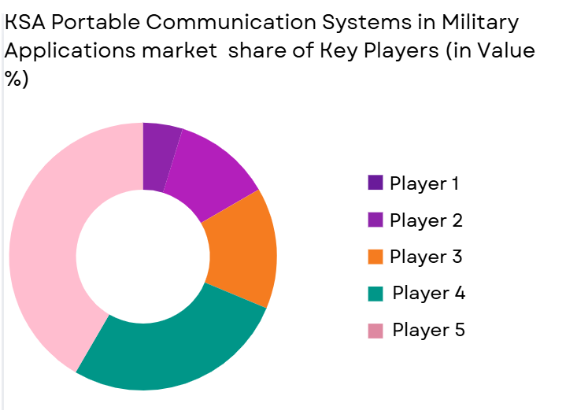
KSA Portable Communication Systems in Military Applications Market Analysis
Growth Drivers
Government defense budgets
A key growth driver in the portable communication systems market is the increasing defense spending by governments across the world. As military operations become more complex and demanding, the need for reliable, secure communication systems has grown exponentially. National security concerns, ongoing military operations, and the increasing importance of advanced technology in defense strategies have led to higher investments in military communication infrastructure. The growing focus on modernizing existing systems and acquiring cutting-edge technologies has prompted governments to allocate larger portions of their defense budgets towards enhancing communication capabilities. These investments are fueling the demand for advanced, portable communication systems, which provide real-time data transfer, secure communication, and operational control during military operations. The surge in government spending also reflects broader geopolitical concerns, which have heightened demand for robust communication solutions to support defense preparedness.
Technological advancements in communication systems
Technological innovations, such as the integration of artificial intelligence, 5G, and satellite communication systems, have revolutionized portable communication systems in military applications. As the military continues to adopt these advanced technologies, the need for more reliable, faster, and secure communication systems has significantly increased. AI-driven communication platforms provide enhanced operational efficiency by processing vast amounts of data in real-time, while 5G technologies enable higher data transfer speeds and low latency. Furthermore, satellite communication systems ensure global connectivity, allowing military forces to communicate efficiently regardless of their location. These advancements in technology have not only improved communication capabilities but have also led to the development of more secure and resilient systems that can withstand cyber threats and jamming efforts. The combination of these cutting-edge technologies is expected to drive sustained growth in the market for portable communication systems.
Market Challenges
High costs of advanced systems
One of the primary challenges faced by the portable communication systems market is the high cost associated with the development, procurement, and maintenance of advanced communication systems. The military’s demand for cutting-edge technology, secure communication, and operational reliability often comes at a significant financial cost. Advanced systems, particularly those that incorporate AI, 5G, and satellite technologies, require significant investments in R&D, production, and infrastructure. Moreover, the ongoing need to upgrade legacy systems to meet modern military requirements adds further financial strain on defense budgets. While governments are increasingly investing in military modernization, the high costs associated with these systems limit their widespread adoption, particularly for smaller or emerging defense forces that may lack the necessary funding to procure such technologies. This cost barrier also slows the pace at which some nations can modernize their communication capabilities, hindering overall market growth.
Cybersecurity and vulnerability risks
As portable communication systems become more technologically advanced, they are also becoming more vulnerable to cyber-attacks and other security threats. Military communication systems are high-priority targets for adversaries who seek to compromise operational security and gain access to sensitive information. The increased connectivity enabled by satellite systems, AI-driven platforms, and 5G technologies introduces new cybersecurity risks, as these systems can be susceptible to hacking, jamming, and data breaches. Ensuring that these systems are secure and resilient is a critical challenge for manufacturers and military agencies alike. The ongoing need to develop advanced cybersecurity measures and countermeasures to protect military communication systems from evolving threats adds complexity to system development and operational deployment. These vulnerabilities pose a serious challenge to the growth of the market, as military forces must balance the need for advanced communication technologies with the imperative to secure these systems from malicious attacks.
Opportunities
Growth of defense budgets in emerging economies
Emerging economies, particularly in Asia and the Middle East, are rapidly increasing their defense spending as geopolitical tensions rise and national security concerns become more pressing. As a result, there is a growing demand for modern communication systems in these regions, which presents a significant opportunity for market growth. These nations are actively investing in upgrading their military capabilities, and portable communication systems are a critical component of this modernization effort. Governments in countries such as India, Saudi Arabia, and Brazil are prioritizing the development of secure communication infrastructure, which is expected to drive market demand. Furthermore, these countries are increasingly relying on military communication systems to ensure border security, manage defense operations, and coordinate intelligence efforts. The surge in defense spending in emerging economies is expected to create new market opportunities for manufacturers of portable communication systems, especially in regions where military modernization programs are in full swing.
Adoption of modular and scalable systems
The shift toward modular and scalable portable communication systems presents another key opportunity for market growth. These systems are designed to be flexible and adaptable, allowing military forces to tailor communication solutions to their specific needs. The ability to scale and modify communication systems based on operational requirements offers significant benefits, particularly in dynamic military environments where needs can change rapidly. Modular systems also reduce the cost and complexity of upgrading or expanding existing communication infrastructure, making them an attractive option for military organizations seeking to optimize their communication capabilities while managing budget constraints. As more military forces recognize the advantages of modular and scalable systems, the demand for these solutions is expected to grow, creating new opportunities for manufacturers to develop innovative products that meet the evolving needs of defense forces worldwide.
Future Outlook
The market for portable communication systems in military applications is expected to experience sustained growth over the next five years, driven by continued advancements in communication technologies and increasing defense budgets worldwide. Technological developments, such as the integration of AI, 5G, and satellite systems, will further enhance the performance and capabilities of portable communication systems. Additionally, regulatory support and government initiatives aimed at modernizing military infrastructure will continue to provide a favorable environment for market expansion. Demand-side factors, including rising geopolitical tensions and the increasing need for secure and efficient communication on the battlefield, will also contribute to the market’s growth during this period.
Major Players
- Harris Corporation
- Thales Group
- BAE Systems
- Raytheon Technologies
- Lockheed Martin
- General Dynamics
- Leonardo
- Saab AB
- Northrop Grumman
- L3 Technologies
- Elbit Systems
- Cobham plc
- Rockwell Collins
- MITRE Corporation
- Kongsberg Gruppen
Key Target Audience
- Investments and venture capitalist firms
- Government and regulatory bodies
- Military organizations
- Defense contractors
- Aerospace and defense companies
- Military technology integrators
- Communication equipment manufacturers
- Research and development agencies
Research Methodology
Step 1: Identification of Key Variables
This step involves identifying the key market drivers, restraints, and trends impacting the portable communication systems in military applications market.We perform an in-depth analysis of existing reports, research papers, and relevant sources to determine the key factors that influence market performance.
Step 2: Market Analysis and Construction
This phase focuses on building the market model by analyzing historical data and establishing parameters for market size, growth, and segmentation. Various quantitative and qualitative techniques are employed to predict future market developments.
Step 3: Hypothesis Validation and Expert Consultation
At this stage, we validate our market assumptions and forecasts by consulting industry experts and stakeholders. Their insights help refine our hypotheses, ensuring that the findings are in line with market realities.
Step 4: Research Synthesis and Final Output
Finally, all the research findings, analyses, and expert consultations are synthesized into a cohesive report. The output is thoroughly reviewed and finalized to ensure the highest accuracy and relevance to the market’s stakeholders.

- Executive Summary
- Research Methodology (Definitions, Scope, Industry Assumptions, Market Sizing Approach, Primary & Secondary Research Framework, Data Collection & Verification Protocol, Analytic Models & Forecast Methodology, Limitations & Research Validity Checks)

- Market Definition and Scope
- Value Chain & Stakeholder Ecosystem
- Regulatory / Certification Landscape
- Sector Dynamics Affecting Demand
- Strategic Initiatives & Infrastructure Growth

- Growth Drivers
Rising defense budgets in the region
Increased focus on secure communication systems
Technological advancements in portable communication devices
Geopolitical instability driving demand for military communication systems
Government investment in defense modernization initiatives - Market Challenges
High cost of advanced communication systems
Regulatory hurdles and export restrictions
Maintenance and upgrade challenges for older systems
Integration complexity with existing military infrastructure
Limited availability of skilled personnel for system operation - Market Opportunities
Adoption of 5G technology in military communication systems
Development of lightweight and portable communication systems
Growing demand for cybersecurity solutions in military communications - Trends
Shift towards software-defined communication systems
Integration of artificial intelligence in communication systems
Increased demand for secure and encrypted communication solutions
Adoption of autonomous communication platforms
Growing focus on multi-domain communication systems - Government Regulations & Defense Policy
National Defense and Security Strategies
Export Control Regulations on Military Communications
Compliance with NATO and International Standards for Military Communication - SWOT Analysis
- Stakeholder and Ecosystem Analysis
- Porter’s Five Forces Analysis
- Competition Intensity and Ecosystem Mapping

- By Market Value, 2020-2025
- By Installed Units, 2020-2025
- By Average System Price, 2020-2025
- By System Complexity Tier, 2020-2025

- By System Type (In Value%)
Handheld Communication Devices
Vehicle-Mounted Communication Systems
Base Station Communication Systems
Satellite Communication Systems
Encryption and Secure Communication Devices - By Platform Type (In Value%)
Ground Forces Communication Systems
Airborne Communication Systems
Naval Communication Systems
Command and Control Centers
Integrated Military Communication Platforms - By Fitment Type (In Value%)
OEM Communication Systems
Aftermarket Communication Systems
Integrated Communication Systems
Portable Communication Systems
Custom Communication Systems - By End-User Segment (In Value%)
Military Ground Forces
Military Aviation Units
Naval Defense Forces
Special Operations Forces
Command and Control Centers - By Procurement Channel (In Value%)
Direct Government Contracts
Defense Contractors
Online Procurement Channels
Third-party Distributors
Defense Equipment Suppliers - By Material / Technology (In Value%)
Advanced Radio Frequency Materials
Software-Defined Radio Technology
Satellite Communication Technology
Encryption Technology
Low-Latency Communication Systems

- Market structure and competitive positioning
Market share snapshot of major players - Cross Comparison Parameters (Price, System Complexity, Reliability, Performance, Integration, Customization, Market Penetration, Technological Advancements, R&D Investment)
- SWOT Analysis of Key Players
- Pricing & Procurement Analysis
- Key Players
Harris Corporation
Thales Group
Raytheon Technologies
General Dynamics Mission Systems
Northrop Grumman
L3 Technologies
Leonardo S.p.A.
BAE Systems
Viasat Inc.
Elbit Systems
Rockwell Collins
ASELSAN
TCS Communications
UOP LLC (Honeywell)
Motorola Solutions

- Growing demand for portable systems from ground forces
- Increased reliance on secure communication in military aviation
- Naval defense forces’ focus on long-range communication systems
- Special operations forces’ need for lightweight communication equipment

- Forecast Market Value, 2026-2035
- Forecast Installed Units, 2026-2035
- Price Forecast by System Tier, 2026-2035
- Future Demand by Platform, 2026-2035


 Request a Sample
 Ask for Customization
 Get a Quote
 Enquire Now