

 Download PDF
 Download PDF
Market Overview
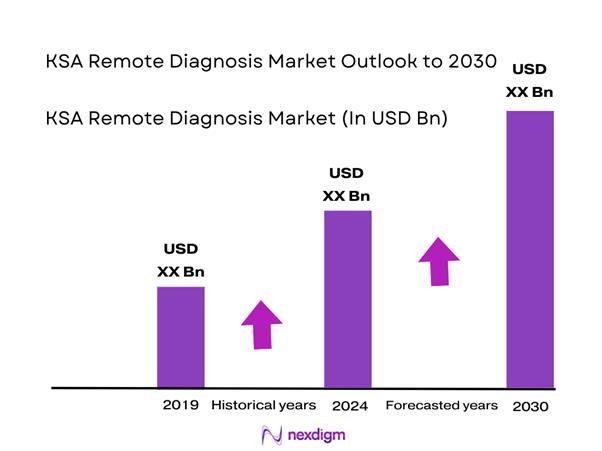
The KSA Remote Diagnosis market is valued at USD ~ billion in 2024. This market is characterized by its rapid evolution, driven by the increased demand for healthcare services, particularly remote consultations and diagnostics. The increasing penetration of high-speed internet, growing adoption of telemedicine, and supportive government initiatives play a crucial role in propelling market demand. The market also enjoys heightened interest due to the global pandemic, pushing healthcare providers to embrace remote diagnostic services as a reliable and efficient solution.
Riyadh, Jeddah, and Mekkah are the major cities driving demand for remote diagnosis in Saudi Arabia, with Riyadh standing as the hub for technological innovation and healthcare investments. The broader global trends influencing supply and technology in this market include developments in AI and cloud computing from leading tech nations. These cities dominate due to their infrastructure development, large populations, and healthcare facilities that lead the country’s healthcare digitization efforts.
Market Segmentation
By Stakeholder Type
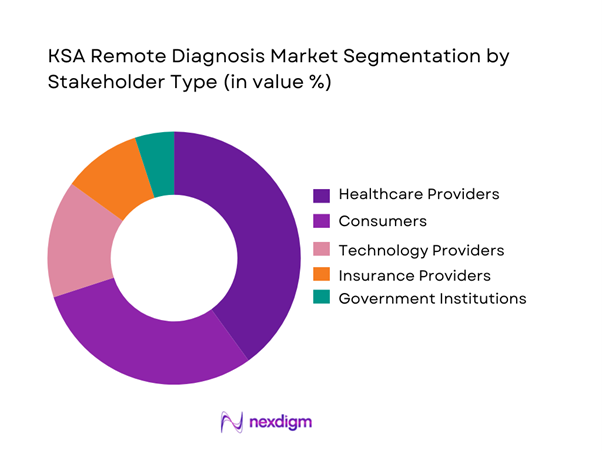
The KSA Remote Diagnosis market can be segmented by key stakeholders, including healthcare providers, consumers, technology providers, insurance providers, and government institutions. Each of these sub-segments plays a vital role in the adoption and growth of remote diagnostic services.
By Diagnostic Technology
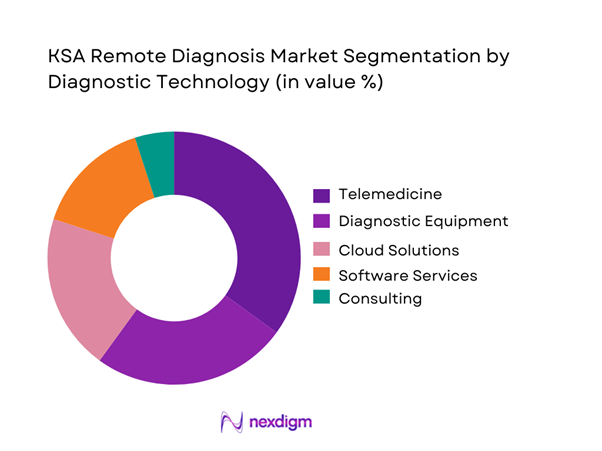
Another way to segment the market is by the types of diagnostic technologies employed, including telemedicine, diagnostic equipment, cloud solutions, software services, and consulting. These technologies enable the effective delivery of remote diagnosis and support improved healthcare outcomes.
Competitive Landscape
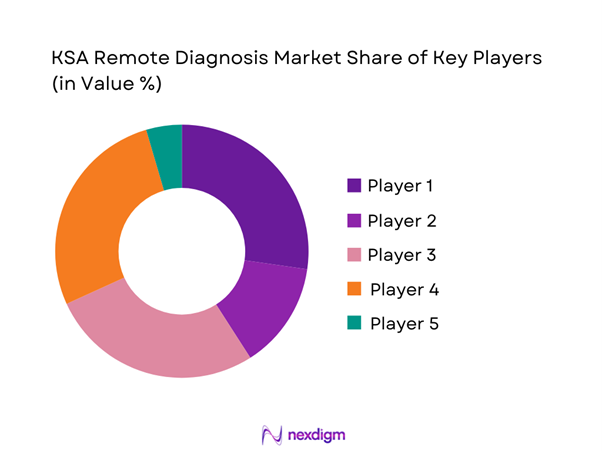
The KSA Remote Diagnosis market is dominated by a few major players, including Seha Virtual Hospital and global or regional brands like Altibbi, Vezeeta, and Mawid. This consolidation highlights the significant influence of these key companies.
| Company | Establishment Year | Headquarters | Service Focus | Technology Stack | Geographic Reach | Partnerships & Alliances |
| Seha Virtual Hospital | 2022 | Riyadh | ~ | ~ | ~ | ~ |
| Altibbi | 2008 | Amman | ~ | ~ | ~ | ~ |
| Vezeeta | 2016 | Cairo | ~ | ~ | ~ | ~ |
| Mawid (MoH) | 2017 | Riyadh | ~ | ~ | ~ | ~ |
| Okadoc | 2017 | Dubai | ~ | ~ | ~ | ~ |
KSA Remote Diagnosis Market
Growth Drivers
Expansion of Telehealth Infrastructure
The expansion of telehealth infrastructure in Saudi Arabia has played a crucial role in advancing remote diagnosis services. Investments in high-speed internet, mobile health applications, and telemedicine platforms have made healthcare more accessible to both urban and rural populations. The ability to conduct virtual consultations and remotely monitor patients has improved the efficiency of healthcare delivery, particularly for chronic disease management. Telemedicine has reduced barriers to healthcare, enabling patients to access specialized services without the need to travel, thus contributing to better healthcare outcomes and optimizing the use of healthcare resources.
Government Initiatives Supporting Digital Healthcare
The Saudi Arabian government has significantly supported the growth of digital healthcare through its Vision 2030 initiative. The government is heavily investing in the development of a robust digital infrastructure to facilitate telemedicine and remote diagnostic services. Regulatory frameworks have been established to ensure the secure implementation of telehealth services, while funding has been allocated to enhance the country’s technological capacity. Government-backed programs have promoted digital health education, fostering both public and private sector participation in telemedicine. These initiatives are paving the way for remote diagnosis solutions to become an integral part of the country’s healthcare system.
Market Challenges
Lack of Regulatory Standardization
A key challenge in the KSA Remote Diagnosis market is the lack of consistent regulatory standards governing telemedicine and remote diagnosis services. This creates uncertainties for healthcare providers and technology companies attempting to navigate the legal landscape. Without a unified framework, there are risks of inconsistencies in service delivery, reimbursement policies, and patient care protocols. Regulatory gaps may also hinder cross-border telemedicine services, as international regulations differ. Establishing clear and standardized regulations will be essential to ensure the security, safety, and quality of remote diagnosis services across the country.
Security and Privacy Concerns
Security and privacy concerns remain a significant challenge in the KSA Remote Diagnosis market. The increased use of digital health platforms and remote diagnostics leads to the collection and sharing of sensitive patient data, which raises concerns over data breaches and unauthorized access. Healthcare providers must implement stringent cybersecurity measures to protect patient information from malicious attacks or leaks. Additionally, maintaining compliance with data protection regulations, such as the General Data Protection Regulation (GDPR), is crucial for gaining patient trust and ensuring the long-term sustainability of remote diagnosis services in Saudi Arabia.
Market Opportunities
Investment in AI and Machine Learning for Diagnosis
One of the most significant opportunities in the KSA Remote Diagnosis market is the integration of artificial intelligence (AI) and machine learning into diagnostic tools. These technologies have the potential to revolutionize the accuracy and speed of medical diagnoses. By analyzing vast amounts of patient data, AI-powered systems can identify patterns and detect diseases earlier than traditional methods. The growing demand for AI-driven solutions presents significant investment opportunities for both local and international players in the healthcare space. By investing in AI and machine learning, companies can improve clinical outcomes, reduce diagnostic errors, and streamline healthcare processes.
Growth in Health-Tech Startups and Innovation
The health-tech startup ecosystem in Saudi Arabia is rapidly growing, creating new opportunities for innovation within the remote diagnosis sector. The rise of digital health solutions, including mobile health apps, telehealth platforms, and remote monitoring devices, is opening up avenues for innovative healthcare startups to enter the market. These startups are developing user-friendly platforms that improve access to healthcare and enhance patient engagement. As the market for remote diagnosis expands, there is ample space for new entrants to introduce disruptive technologies that can enhance the quality of care and create more personalized healthcare experiences for patients.
Future Outlook
The KSA Remote Diagnosis market is poised for steady growth over the next decade. Technological advancements, along with continued government support for digital healthcare initiatives, will play an essential role in expanding the market. Partnerships and investments in digital health platforms will drive wider adoption, making remote diagnosis a key feature of the Saudi healthcare system.
Major Players
- Seha Virtual Hospital
- Altibbi
- Vezeeta
- Mawid (Ministry of Health)
- Okadoc
- Cura Healthcare
- Shifa App
- Medisense
- Aster DM Healthcare
- Saudi German Hospitals
- Al Nahdi Medical Company
- DabaDoc
- Healthigo
- Telemedico / Doctor Anywhere
- MediCare
Key Target Audience
- Investments and venture capitalist firms
- Government and regulatory bodies (Saudi Ministry of Health)
- Healthcare providers
- Technology providers
- Insurance providers
- Pharmaceutical companies
- Hospitals
- Clinics
Research Methodology
Step 1: Identification of Key Variables
The key variables for the KSA Remote Diagnosis market include technology adoption rates, regulatory policies, consumer demand trends, and healthcare infrastructure investments.
Step 2: Market Analysis and Construction
We analyzed industry reports, healthcare trends, and market dynamics to assess the market size and potential. Data were collected through primary and secondary research, including expert interviews and case studies.
Step 3: Hypothesis Validation and Expert Consultation
We validated the assumptions using input from industry experts, market stakeholders, and thought leaders. This helped in confirming trends, growth drivers, and market challenges.
Step 4: Research Synthesis and Final Output
The final report synthesizes the analyzed data, highlighting critical insights on market trends, competition, and opportunities within the KSA Remote Diagnosis sector.

- Executive Summary
- Research Methodology (Market Definitions and Inclusions/Exclusions, Abbreviations, Topic-Specific Taxonomy, Market Sizing Framework, Revenue Attribution Logic Across Use Cases or Care Settings, Primary Interview Program Design, Data Triangulation and Validation, Limitations and Data Gaps)

- Definition and Scope
- Market Genesis and Evolution
- Remote Diagnosis Usage / Value-Chain / Care-Continuum Mapping
- Business Cycle and Demand Seasonality
- KSA Industry / Service / Delivery Architecture

- Growth Drivers
Expansion of Telehealth Infrastructure
Government Initiatives Supporting Digital Healthcare
Technological Advancements in AI and Remote Monitoring
Increasing Demand for Remote Healthcare Services
Enhancements in Mobile Connectivity and Internet Access - Challenges
Lack of Regulatory Standardization
Security and Privacy Concerns
Limited Awareness and Acceptance of Remote Diagnosis
High Cost of Implementation
Integration with Existing Healthcare Systems - Opportunities
Investment in AI and Machine Learning for Diagnosis
Growth in Health-Tech Startups and Innovation
Public-Private Partnerships to Boost Healthcare Accessibility
Expansion of Digital Health Platforms in Rural Areas
Adoption of Remote Diagnosis for Chronic Disease Management - Regulatory & Policy Landscape
- SWOT Analysis
- Stakeholder & Ecosystem Analysis
- Porter’s Five Forces Analysis
- Competitive Intensity & Ecosystem Mapping

- By Value, 2019–2024
- By Volume, 2019–2024
- By Average Revenue per User/Service, 2019–2024
- Diagnostic Technology Adoption Rate, 2019–2024

- By Stakeholders Type (in Value %)
Healthcare Providers
Consumers
Technology Providers
Insurance Providers
Government Institutions - By Service Type (in Value %)
Telemedicine
Diagnostic Equipment
Cloud Solutions
Software Services
Consulting - By Platform Type (in Value %)
Virtual Care Platforms
Remote Monitoring Tools
Teleconsultation Software
Artificial Intelligence Tools
Diagnostics Devices - By Deployment Model (in Value %)
On-Premise
Cloud-Based
Hybrid Models - By Customer Type (in Value %)
Hospitals
Clinics
Insurance Providers
Pharmaceutical Companies
Government Healthcare Institutions - By Region (in Value %)
Riyadh
Jeddah
Mekkah
Al Khobar
Dammam

- Competition ecosystem overview
- Cross Comparison Parameters (Technology integration, regulatory compliance, user adoption, pricing models, customer satisfaction, scalability, brand recognition, market share, product variety, customer support)
- SWOT analysis of major players
- Pricing and commercial model benchmarking
- Detailed Profiles of Major Companies
Saudi Telemedicine Company
Seha Virtual Hospital
Altibbi
Vezeeta
Okadoc
Mawid
Cura Healthcare
Shifa App
Medisense
Aster DM Healthcare
Saudi German Hospitals
Al Nahdi Medical Company
DabaDoc
Healthigo
Telemedico / Doctor Anywhere

- Buyer personas and decision-making units
- Procurement and contracting workflows
- KPIs used for evaluation
- Pain points and adoption barriers

- By Value, 2025–2030
- By Volume, 2025–2030
- By Average Revenue per User/Service, 2025–2030
- Diagnostic Technology Adoption Rate, 2025–2030


 Request a Sample
 Ask for Customization
 Get a Quote
 Enquire Now