

 Download PDF
Market Overview
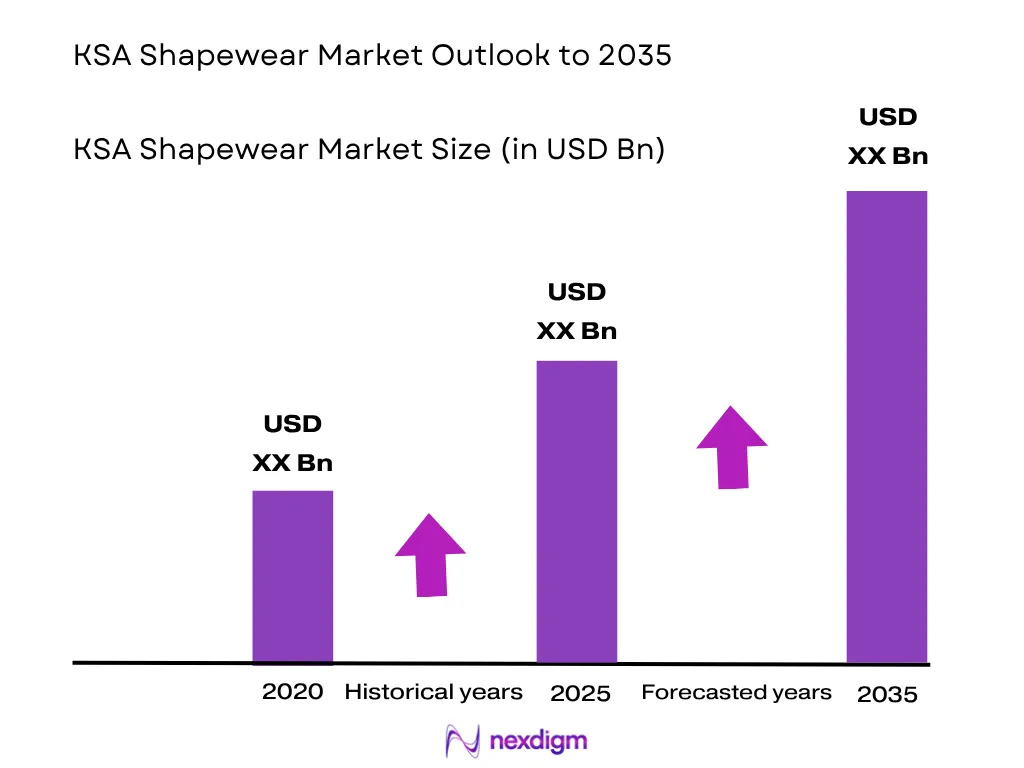
The KSA Shapewear market has witnessed robust growth, reaching an estimated market size of USD ~ billion in 2024. This growth is primarily driven by an increasing preference for body-shaping products among both women and men, coupled with the rise of online retail platforms offering these products. The adoption of shapewear in Saudi Arabia is significantly influenced by the nation’s evolving fashion trends, including the growing demand for modest yet stylish clothing, along with a shift towards more inclusive sizing options. The market has also benefited from the entry of major global brands such as SKIMS, further fueling consumer interest.
In Saudi Arabia, major cities like Riyadh, Jeddah, and Mecca dominate the shapewear market. Riyadh, being the capital and the largest city, acts as the epicenter for fashion trends, influencing the wider market dynamics. Jeddah, known for its cosmopolitan culture, has a high demand for shapewear due to its more liberal fashion outlook, whereas Mecca’s significance during the Hajj season and its large female population also contributes to its strong market presence. These cities benefit from both local demand and tourism, especially during religious festivals.
Market Segmentation
By Product Type
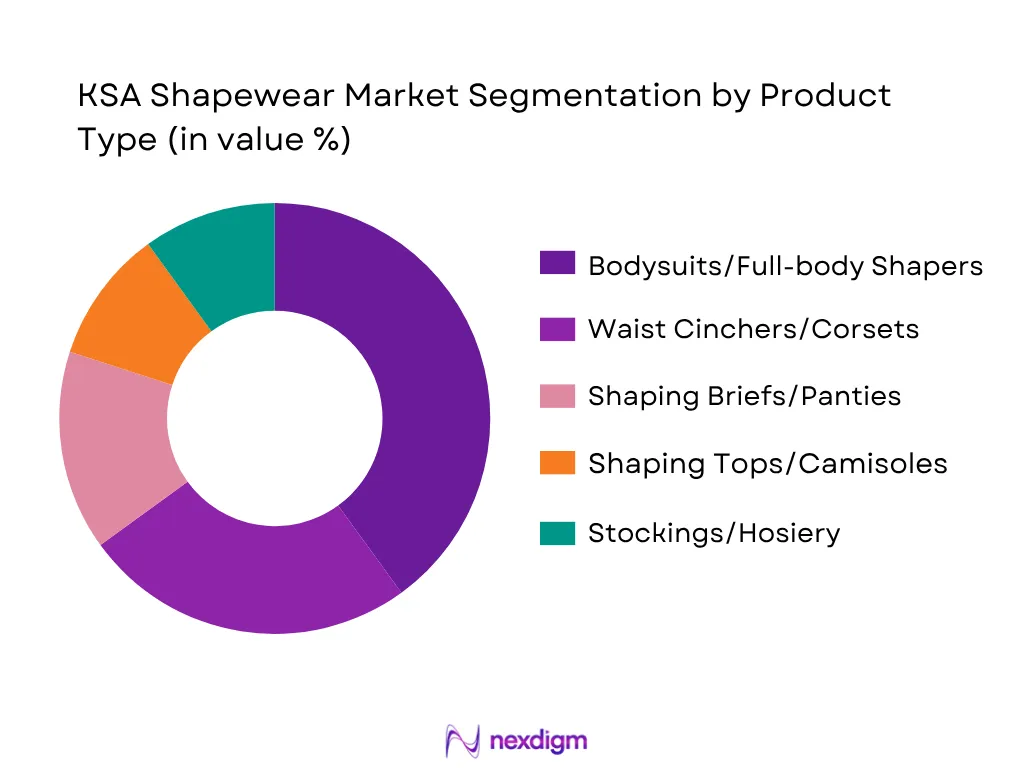
The KSA Shapewear market is segmented by product type into Bodysuits/Full-body Shapers, Waist Cinchers/Corsets, Shaping Briefs/Panties, Shaping Tops/Camisoles, and Stockings/Hosiery. Among these, Bodysuits/Full-body Shapers hold the dominant market share in Saudi Arabia. This can be attributed to their versatility, providing a comprehensive shaping solution that is often preferred for both everyday wear and special occasions. The full-body shapers have become a key choice for women seeking comfort and seamless body contouring, aligning with the region’s growing focus on modern yet modest fashion. Moreover, the availability of high-quality, breathable materials that cater to the hot Saudi climate further drives their popularity.
By Application
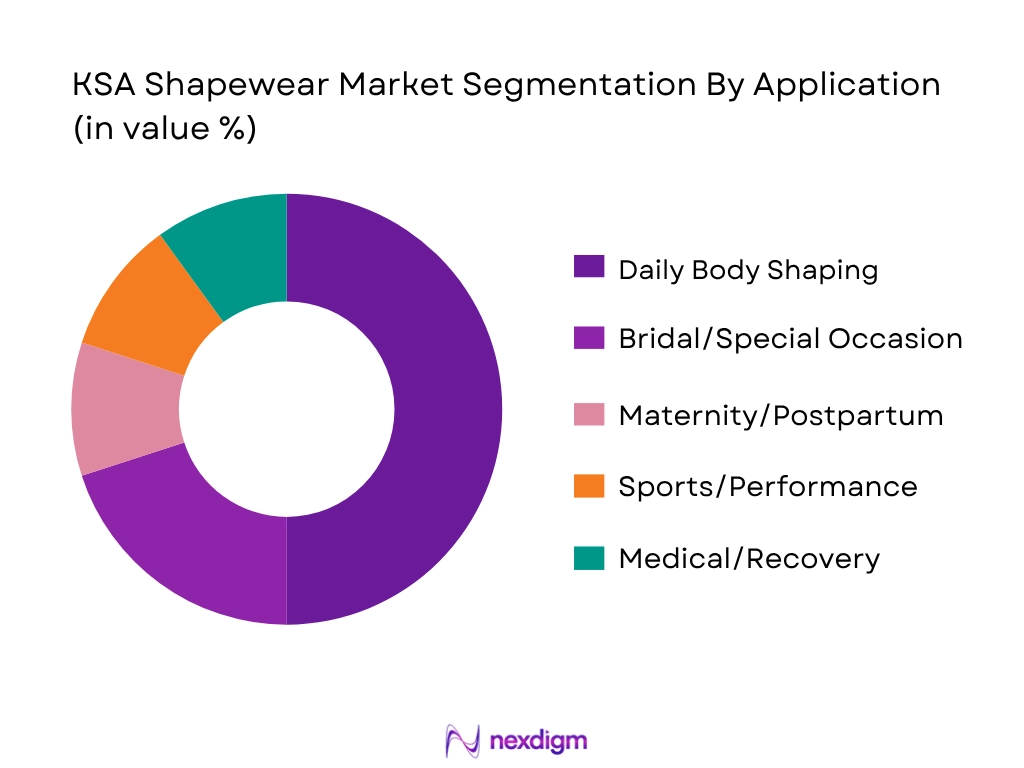
The market is further segmented by application into Daily Body Shaping, Bridal/Special Occasion, Maternity/Postpartum, Sports/Performance, and Medical/Recovery (compression). The Daily Body Shaping application is the dominant segment, capturing the largest market share. The increasing trend towards body confidence and the growing preference for shapewear as part of everyday outfits have made this segment the most lucrative. Furthermore, the popularity of shapewear among working women and fashion-conscious individuals who require comfort and shape throughout the day contributes to its dominance.
Competitive Landscape
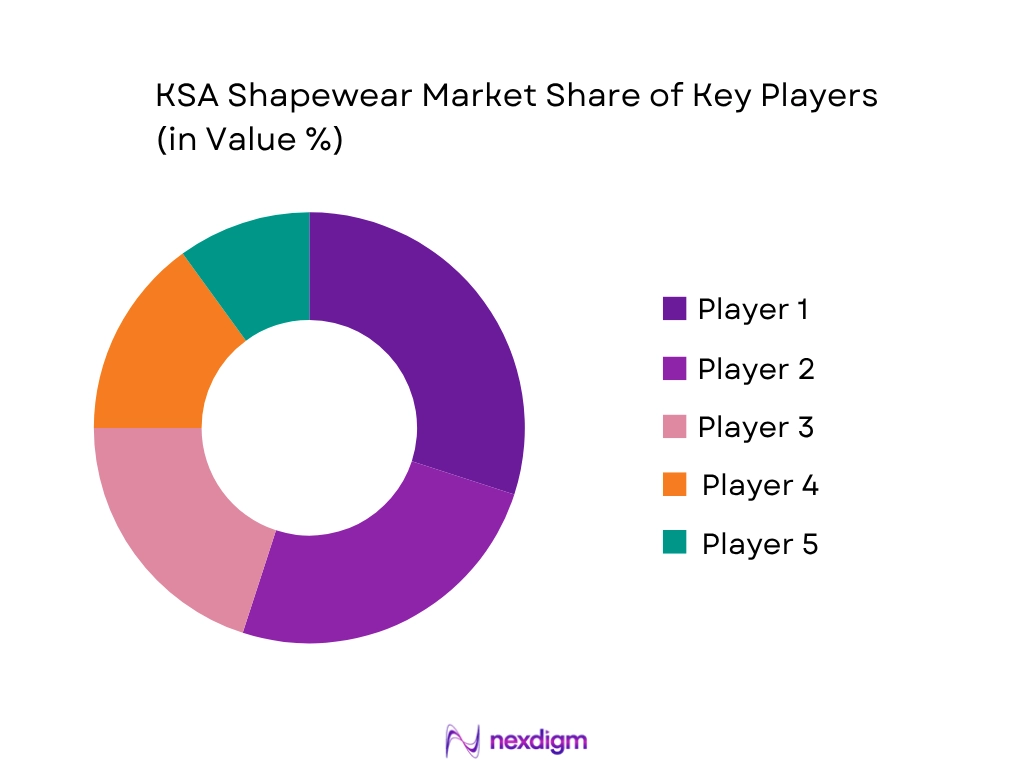
The KSA Shapewear market is competitive, with a mix of local and international players vying for market share. Leading global brands like SKIMS, Spanx, and Triumph International are well-established in the market, offering a wide range of products catering to the modest fashion needs of Saudi women. These brands have solidified their position through their high-quality products, effective marketing strategies, and a strong presence in both physical stores and e-commerce platforms. Additionally, local players have also capitalized on the growing demand for modest fashion, offering more tailored options for the Saudi consumer.
| Company Name | Establishment Year | Headquarters | Product Range | Distribution Network | Pricing Strategy | Digital Presence | Retail Footprint |
| Spanx Inc. | 2000 | USA | ~ | ~ | ~ | ~ | ~ |
| Triumph International | 1886 | Germany | ~ | ~ | ~ | ~ | ~ |
| Hanesbrands Inc. (Jockey) | 1901 | USA | ~ | ~ | ~ | ~ | ~ |
| Wacoal Holdings Corp. | 1949 | Japan | ~ | ~ | ~ | ~ | ~ |
| SKIMS | 2019 | USA | ~ | ~ | ~ | ~ | ~ |
 KSA Shapewear Market Analysis
Growth Drivers
Modern Fashion Trends
The growing influence of modern fashion trends is a significant driver of the KSA Shapewear market. Saudi Arabia’s evolving fashion landscape is marked by a shift towards body confidence, where more consumers are embracing shapewear as part of their daily wardrobes. As of 2024, Saudi Arabia’s retail fashion market is expected to grow significantly, with increasing demand for stylish yet comfortable clothing. According to the Saudi Arabian General Authority for Statistics, retail trade in the kingdom was valued at USD 3.46 billion in 2023, which reflects the growing appetite for fashion products, including shapewear. The rising number of fashion-conscious consumers, particularly among younger demographics, coupled with global fashion influences, has greatly boosted demand for shapewear.
Rising Women’s Employment
The increase in women’s employment and participation in the workforce is another strong driver for the KSA Shapewear market. As more women enter the professional workforce in Saudi Arabia, there is a growing demand for practical and comfortable clothing options that cater to their day-to-day needs. In 2024, Saudi Arabia’s female labor force participation rate reached 35.5%, a notable rise from previous years, reflecting the increasing role of women in the workforce. With this rise, many women are opting for shapewear to maintain a polished appearance throughout the workday, which has led to greater adoption of these products.
Market Challenges
Hot Climate
Saudi Arabia’s harsh climate presents a unique challenge to the shapewear market. The extreme heat and humidity, particularly during the summer months, can make it difficult for consumers to wear shapewear comfortably. The Kingdom’s average summer temperatures routinely exceed 40°C, with some areas experiencing temperatures as high as 50°C. In 2024, Saudi Arabia’s average annual temperature is forecasted to be 29°C, which further complicates the widespread adoption of shapewear in daily wear. As a result, the market faces challenges in convincing consumers to wear shapewear year-round, as comfort remains a significant concern due to the hot weather.
Conservative Dress Norms
While Saudi Arabia is experiencing shifts in its fashion scene, conservative dress norms still play a major role in shaping consumer behavior. Modesty is deeply ingrained in Saudi culture, and women traditionally wear loose-fitting clothes to maintain modesty, which may limit the adoption of shapewear. In 2024, the Kingdom’s dress code for women remains heavily influenced by Islamic traditions, which discourages tight-fitting clothing. Although younger generations are increasingly exploring fashion options, the deeply rooted cultural norms still pose a barrier to the widespread acceptance of shapewear.
Market Opportunities
E-commerce Growth
The rapid growth of e-commerce is one of the biggest opportunities for the KSA Shapewear market. Online retail platforms are seeing a significant uptick in fashion sales, including shapewear. In 2024, the e-commerce market in Saudi Arabia is projected to generate USD 10.4 billion, with fashion-related purchases accounting for a major share. The convenience of online shopping, combined with an increasing number of consumers seeking fashion products online, provides a substantial growth opportunity for shapewear brands to expand their reach. As digital penetration continues to rise in Saudi Arabia, with over 80% of the population accessing the internet, online platforms are becoming the preferred shopping medium, especially for younger consumers.
Modest Fashion Trend
The growing trend of modest fashion in Saudi Arabia presents a significant opportunity for shapewear brands. As modest fashion continues to gain popularity, especially among women seeking stylish yet culturally appropriate clothing, there is an increased demand for shapewear that offers both comfort and discretion. In 2024, the global modest fashion market is valued at USD 277 billion, with Saudi Arabia contributing to this growth. This trend is further supported by the Saudi government’s Vision 2030 initiative, which promotes the country’s development while respecting cultural traditions, creating a favorable environment for modest fashion to thrive.
Future Outlook
Over the next decade, the KSA Shapewear market is expected to experience significant growth driven by shifting fashion trends, greater demand for body-positive clothing, and the continuous rise of e-commerce platforms. The market is likely to be further enhanced by growing awareness of the importance of comfort and fit in everyday wear, coupled with increasing demand for products catering to diverse body types. The rise of inclusive sizing, sustainable materials, and modest fashion is also anticipated to play a pivotal role in shaping the future of the market.
Major Players in the Market
- Spanx Inc.
- Triumph International
- Hanesbrands Inc. (Jockey, Bali, Maidenform)
- Wacoal Holdings Corp.
- SKIMS
- Leonisa S.A.
- Ann Chery Fajas USA LLC
- Wolford AG
- Soma Intimates (Chico’s FAS)
- Miraclesuit (A&H Sportswear)
- Cosabella
- Commando (Her Look Enterprises)
- Ann Summers (UK)
- Missguided (UK)
- Calvin Klein (PVH Corp.)
Key Target Audience
- Investments and Venture Capitalist Firms
- Government and Regulatory Bodies (Saudi Food and Drug Authority)
- Local Retailers
- Online Retailers
- Saudi Women Consumers
- Modest Fashion Influencers
- Shapewear Manufacturers
- Hospitals and Medical Clinics (for compression wear)
Research Methodology
Step 1: Identification of Key Variables
The first step involves mapping out the key stakeholders in the KSA Shapewear market, including manufacturers, retailers, consumers, and influencers. This phase uses a combination of secondary and proprietary research to gather data from credible industry sources and market reports, ensuring an accurate understanding of the market dynamics.
Step 2: Market Analysis and Construction
During this phase, historical data on market size, growth trends, and customer preferences are compiled. A focus is placed on evaluating the penetration of shapewear across various channels, including retail, online stores, and pharmacies, to assess overall market growth.
Step 3: Hypothesis Validation and Expert Consultation
To ensure accuracy, the market hypotheses are validated through consultations with industry experts from leading shapewear brands, retail analysts, and local distributors. Expert insights provide a deeper understanding of the market’s dynamics, challenges, and growth opportunities.
Step 4: Research Synthesis and Final Output
The final step involves synthesizing the gathered data to create a comprehensive report. This includes validation through direct interactions with key stakeholders such as manufacturers, retailers, and influencers, ensuring the market analysis is robust and reliable.

- Executive Summary
- Research Methodology (Market Definitions and Assumptions, Abbreviations, Market Sizing Approach, Data Sources and Validation, Primary Research (in-depth interviews), Limitations and Future Outlook)

- Definition and Scope (shapewear vs hosiery; modest fashion context)
- Market Genesis (rise of shapewear & hosiery in KSA)
- Timeline of Key Trends (brand launches, e‑commerce growth)
- Business Cycle (seasonality, promotional events)
- Supply Chain & Value Chain (design to retail, import logistics)

- Growth Drivers (modern fashion trends, rising women’s employment)
- Market Challenges (hot climate, conservative dress norms)
- Market Opportunities (e-commerce growth, modest fashion trend)
- Trends (inclusive sizing, sustainable materials)
Shade Expansion, Occasion-Specific Solutions) - Pricing and Promotion Analysis (ASP Ladder, Markdown Cadence, Bundle Mechanics, Voucher Dependence, BNPL/COD Elasticity)
- Import, Sourcing, and Value Chain Analysis (Country of Origin Mix, Landed Cost Stack, Distributor Margin, Lead Time, Replenishment Pattern)
- Stakeholder Ecosystem Mapping (Brands, Franchise Partners, Importers, eTailers, Marketplaces, Department Stores, Consumers, Logistics Providers)
- Government Regulation (import duties, labeling standards)
- SWOT Analysis
- Porter’s Five Forces Analysis
- Competitive Landscape (market concentration, niche players)

- By Value (2020-2025)
- By Volume (2020-2025)
- By Average Price (2020-2025)
- By Online vs Offline Share (2020-2025)
- By Premium vs Mass Mix (2020-2025)

- By Product Type (In Value %)
Bodysuits/Full-body Shapers
Waist Cinchers/Corsets
Shaping Briefs/Panties
Shaping Tops/Camisoles
Stockings/Hosiery. - By Application (In Value %)
Daily Body Shaping
Bridal/Special Occasion
Maternity/Postpartum
Sports/Performance
Medical/Recovery - By Distribution Channel (In Value %)
Specialty Lingerie Stores
Department & Hypermarkets
Online Retail (Namshi, Noon, brand e-commerce)
Pharmacies/Medical Outlets
Others - By Region (In Value %)
Central (Riyadh Region)
Western (Jeddah/Mecca)
Eastern (Dammam/Al-Ahsa)
Northern (Tabuk/Hail)
Southern (Abha/Asir). - By Price Tier (In Value %)
Mass Market
Mid-Market
Premium
Luxury
Private Labe.

- Market Share of Major Players (by value, leading brands)
- Cross-Comparison Parameters (Company Profile; Product Range; Distribution Network; Marketing Strategy; Pricing Strategy; Digital Presence; Retail Footprint; R&D/Innovation)
- SWOT of Major Players
- Pricing Analysis Basis Hero SKUs for Major Players (Hero Bodysuit ASP, High-Waist Short ASP, Long-Leg ASP, Waist Cincher ASP, Markdown Band)
- Promotional and Commerce Enablement Benchmarking (Discount Depth, Bundle Offers, BNPL Availability, COD Availability, Delivery SLA, Return Window)
- Detailed Profiles of Major Companies
Spanx Inc.
Triumph International
Hanesbrands Inc. (Jockey, Bali, Maidenform)
Wacoal Holdings Corp.
Leonisa S.A.
Ann Chery Fajas USA LLC
SKIMS
Wolford AG
Soma Intimates (Chico’s FAS)
Miraclesuit (A&H Sportswear)
Cosabella
Commando (Her Look Enterprises)
Ann Summers
Missguided
Calvin Klein (PVH Corp.)

- Market Demand & Consumption (female consumer behavior)
- Purchasing Power & Budget (income segments, spending on apparel)
- Cultural & Fashion Preferences (modesty, style influences)
- Needs & Pain Points (comfort, fit, breathability)
- Decision-Making Process (research channels, social media influence)

- By Value (20206-2035)
- By Volume (2026-2035)
- By Average Price (2026-2035)


 Request a Sample
 Ask for Customization
 Get a Quote
 Enquire Now