
 Download PDF
 Download PDF
Market Overview
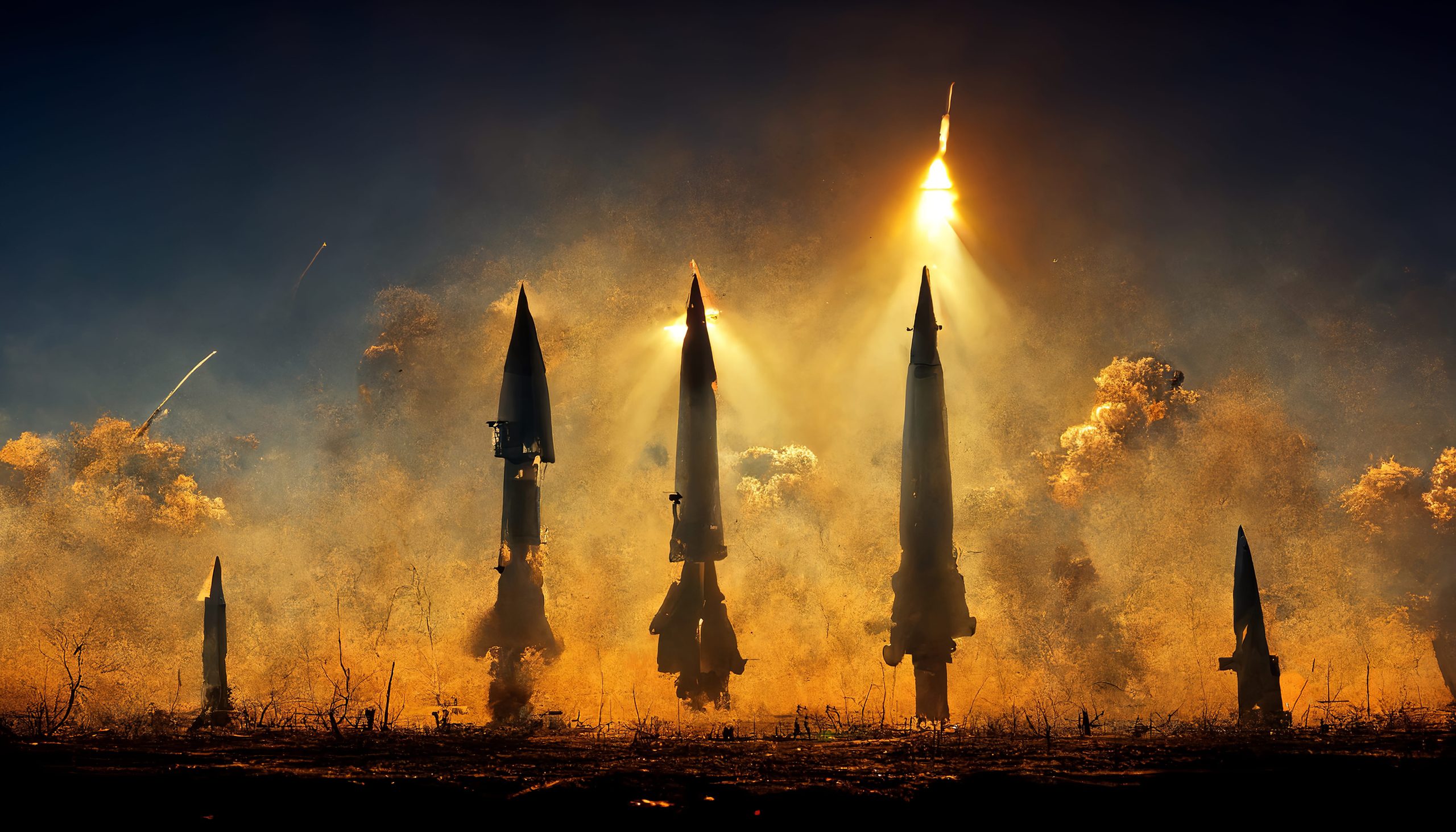
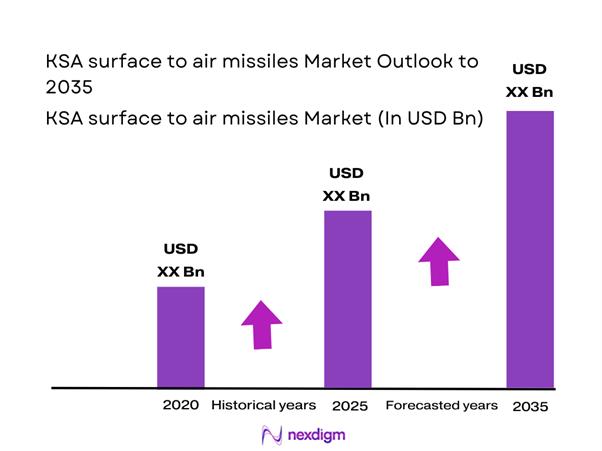
The KSA surface to air missiles market current size stands at around USD ~ million, reflecting sustained defense modernization momentum across multiple operational domains. Procurement activity during 2024 and 2025 remained steady, driven by border security needs, missile defense upgrades, and evolving aerial threat profiles. System deployment focused on layered interception, radar integration, and command control enhancement. Investment priorities favored mobility, response speed, and integration with existing defense networks. Procurement cycles remained centralized, with acquisitions aligned to long-term national defense strategies.
Market activity is primarily concentrated around strategic military zones and critical infrastructure corridors with high defense readiness requirements. Riyadh, Eastern Province, and Western coastal regions dominate deployment due to airspace sensitivity and infrastructure density. Mature command-and-control ecosystems and established defense logistics frameworks support sustained operational readiness. Policy emphasis on sovereignty, deterrence capability, and regional security cooperation continues shaping procurement behavior and technology selection across the kingdom.
Market Segmentation
By System Range
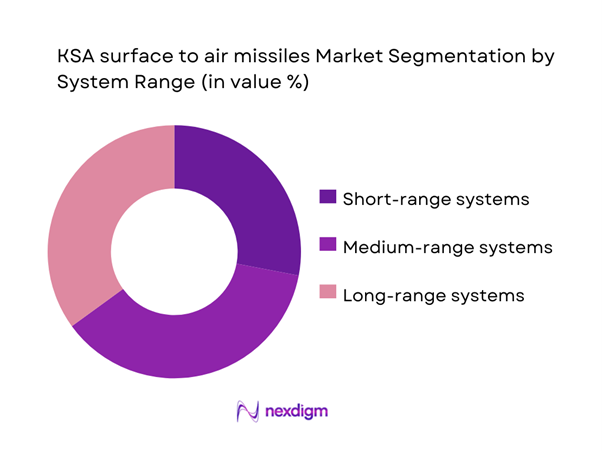
The market is dominated by medium and long-range surface to air missile systems due to their strategic role in national air defense. These systems provide layered interception capability against aircraft, cruise missiles, and ballistic threats, making them central to Saudi defense doctrine. Short-range systems are increasingly deployed for point defense and critical infrastructure protection, particularly around energy assets and military bases. Demand growth is also supported by system interoperability requirements, radar coverage expansion, and integration with airborne surveillance platforms, strengthening overall air defense effectiveness.
By Application
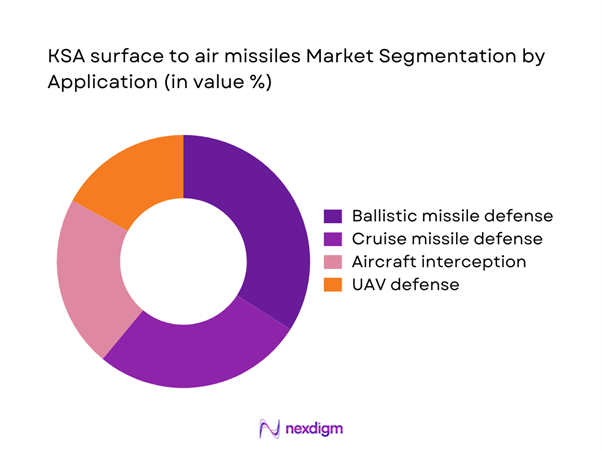
Air defense against missile and aerial threats represents the dominant application segment, driven by evolving regional security challenges. Ballistic missile interception remains a strategic priority, followed by cruise missile and unmanned aerial vehicle defense. Infrastructure protection applications continue expanding due to the concentration of energy and industrial assets. Integration with national command networks enhances operational coordination, increasing demand for multi-role systems capable of simultaneous threat engagement across domains.
Competitive Landscape
The competitive environment is characterized by a mix of global defense primes and specialized missile system manufacturers operating through government-to-government frameworks. Market participation is influenced by technology transfer agreements, long-term support commitments, and integration capability with existing defense architecture.
| Company Name | Establishment Year | Headquarters | Formulation Depth | Distribution Reach | Regulatory Readiness | Service Capability | Channel Strength | Pricing Flexibility |
| Raytheon Technologies | 1922 | USA | ~ | ~ | ~ | ~ | ~ | ~ |
| Lockheed Martin | 1912 | USA | ~ | ~ | ~ | ~ | ~ | ~ |
| MBDA | 2001 | France | ~ | ~ | ~ | ~ | ~ | ~ |
| Thales Group | 1893 | France | ~ | ~ | ~ | ~ | ~ | ~ |
| Rafael Advanced Defense Systems | 1948 | Israel | ~ | ~ | ~ | ~ | ~ | ~ |
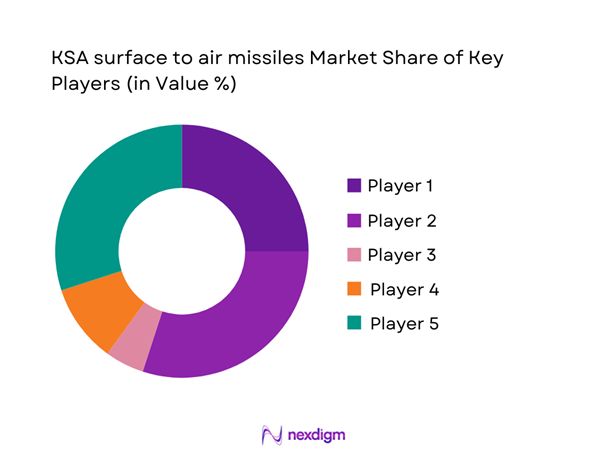
KSA surface to air missiles Market Analysis
Growth Drivers
Rising regional missile and UAV threats
Escalating regional tensions have significantly increased demand for advanced air defense capabilities across Saudi strategic locations. The growing frequency of missile and unmanned aerial vehicle incidents has heightened national security prioritization. Defense planners continue emphasizing rapid interception and multi-layered coverage to counter evolving threats. Enhanced surveillance and early warning systems have reinforced procurement justification across defense agencies. Increased joint exercises have highlighted capability gaps requiring advanced missile interception solutions. Regional instability has encouraged sustained modernization of existing defense assets. Cross-border security challenges continue shaping long-term procurement planning and system upgrades. Interoperability between sensors and interceptors remains a critical operational requirement. Threat complexity has driven demand for higher accuracy and faster response systems. These dynamics collectively sustain long-term investment in missile defense infrastructure.
Modernization of Saudi air defense doctrine
Saudi Arabia’s defense strategy increasingly emphasizes integrated and network-centric air defense systems. Modernization efforts prioritize seamless coordination between radar, command, and interceptor platforms. Legacy systems are gradually being replaced or upgraded to improve operational efficiency. Enhanced digitalization supports real-time threat assessment and response coordination. Defense planners focus on adaptability against evolving aerial threat profiles. Investments in command architecture strengthen situational awareness and engagement accuracy. Training programs have expanded to support advanced system operation and maintenance. Modernization initiatives align with national security transformation objectives. Interoperability with allied systems remains a key consideration. These strategic shifts continue driving sustained system upgrades.
Challenges
High system acquisition and lifecycle costs
Surface to air missile systems involve substantial capital expenditure throughout procurement and operational phases. Acquisition costs extend beyond hardware to include training, integration, and sustainment requirements. Long lifecycle expenses place pressure on defense budgeting frameworks. Maintenance complexity increases operational overheads for deployed systems. Spare parts availability and system upgrades contribute to long-term cost burdens. Budget planning must account for extended system lifecycles and technological obsolescence. Cost considerations influence procurement timelines and system selection criteria. High entry barriers limit rapid diversification of defense assets. Financial planning complexity impacts multi-year acquisition strategies. These factors collectively constrain procurement flexibility.
Integration complexity across multi-vendor systems
Modern air defense architectures require seamless integration of platforms sourced from different manufacturers. Compatibility issues often arise due to varying communication protocols and software architectures. System integration delays can impact deployment schedules and operational readiness. Customization requirements increase technical complexity and implementation timelines. Interoperability testing requires extensive validation and certification processes. Integration challenges may affect real-time data sharing and response coordination. Training requirements increase due to heterogeneous system environments. Technical dependence on original equipment manufacturers can limit flexibility. Integration risks influence procurement decision-making. These challenges necessitate robust systems engineering and planning capabilities.
Opportunities
Expansion of layered air defense architecture
Growing threat diversity encourages expansion of multi-layered air defense systems across Saudi territory. Layered architectures enhance interception probability and operational redundancy. Integration of short, medium, and long-range systems improves defensive depth. Strategic assets benefit from overlapping coverage and reduced vulnerability. Advances in sensor fusion support more effective layered deployment models. Command systems increasingly enable coordinated multi-tier responses. This approach strengthens national airspace security and resilience. Expansion projects create opportunities for system upgrades and enhancements. Long-term defense planning favors layered configurations. These developments support sustained market growth.
Localization of maintenance and assembly
Localization initiatives create opportunities for domestic involvement in system support activities. Establishing regional maintenance facilities improves system availability and response time. Local assembly reduces dependence on foreign supply chains. Technology transfer programs enhance domestic technical expertise. Workforce development supports long-term sustainability of defense infrastructure. Localization aligns with national industrial development objectives. Reduced logistical complexity improves operational efficiency. Partnerships with international suppliers enable knowledge transfer. Local support capabilities increase lifecycle value. These factors encourage increased localization investment.
Future Outlook
The KSA surface to air missiles market is expected to maintain steady momentum driven by evolving threat landscapes and sustained defense modernization initiatives. Continued emphasis on integrated air defense, technology localization, and system interoperability will shape procurement strategies. Policy alignment with long-term security objectives will further support investment continuity through the forecast period.
Major Players
- Raytheon Technologies
- Lockheed Martin
- MBDA
- Thales Group
- Rafael Advanced Defense Systems
- Israel Aerospace Industries
- Diehl Defence
- Saab AB
- Kongsberg Defence & Aerospace
- Northrop Grumman
- Boeing Defense
- ASELSAN
- Roketsan
- L3Harris Technologies
- BAE Systems
Key Target Audience
- Saudi Ministry of Defense
- Royal Saudi Air Defense Forces
- General Authority for Military Industries
- Defense procurement agencies
- National security planning bodies
- Defense system integrators
- Investments and venture capital firms
- Government and regulatory bodies such as SAMI and GAMI
Research Methodology
Step 1: Identification of Key Variables
Core variables were identified based on system type, deployment role, procurement cycles, and operational requirements. Market boundaries were defined through defense capability mapping. Data points were aligned with national defense priorities and system classification.
Step 2: Market Analysis and Construction
Segment-level analysis was conducted using procurement trends, deployment patterns, and system modernization activity. Qualitative assessment supported quantitative structuring across application and technology layers.
Step 3: Hypothesis Validation and Expert Consultation
Findings were validated through expert discussions with defense analysts, industry specialists, and system integrators. Assumptions were refined to ensure alignment with operational realities.
Step 4: Research Synthesis and Final Output
Insights were consolidated through triangulation of demand indicators, technology trends, and policy direction. Final outputs were structured to reflect market dynamics and strategic outlook.

- Executive Summary
- Research Methodology (Market Definitions and threat envelope classification, system and interceptor segmentation framework, bottom-up procurement and deployment-based market sizing, contract value and lifecycle cost attribution, primary validation through defense officials and integrator interviews, triangulation using defense budgets and SIPRI data, platform-level assumption mapping for KSA air defense programs)

- Definition and Scope
- Market evolution
- Operational role within integrated air and missile defense
- Ecosystem structure
- Supply chain and procurement channel structure
- Regulatory and defense policy environment

- Growth Drivers
Rising regional missile and UAV threats
Modernization of Saudi air defense doctrine
Expansion of integrated air and missile defense networks
Increased defense spending under Vision 2030
Geopolitical tensions and border security needs
Localization and technology transfer initiatives - Challenges
High system acquisition and lifecycle costs
Integration complexity across multi-vendor systems
Dependence on foreign technology and approvals
Long procurement and delivery cycles
Interoperability challenges with legacy platforms - Opportunities
Expansion of layered air defense architecture
Localization of maintenance and assembly
Adoption of AI-enabled tracking and targeting
Growth in counter-UAS systems
Strategic defense partnerships and offsets - Trends
Shift toward network-centric air defense
Increased demand for mobile SAM systems
Integration of radar and interceptor fusion
Emphasis on multi-layered defense coverage
Rising focus on indigenous capability development - Government Regulations
- SWOT Analysis
- Stakeholder and Ecosystem Analysis
- Porter’s Five Forces Analysis
- Competition Intensity and Ecosystem Mapping

- By Value, 2020–2025
- By Volume, 2020–2025
- By Installed Base, 2020–2025
- By Average Selling Price, 2020–2025

- By Fleet Type (in Value %)
Short-range air defense systems
Medium-range air defense systems
Long-range air and missile defense systems
Integrated layered air defense systems - By Application (in Value %)
Ballistic missile defense
Cruise missile interception
Aircraft interception
UAV and loitering munition defense
Critical infrastructure protection - By Technology Architecture (in Value %)
Command-guided systems
Radar-guided systems
Infrared-guided systems
Active radar homing systems
Network-centric integrated systems - By End-Use Industry (in Value %)
Royal Saudi Air Defense Forces
Saudi Air Force
Strategic infrastructure protection units
Border and homeland security forces - By Connectivity Type (in Value %)
Standalone fire units
Networked C4ISR-integrated systems
Joint-force integrated air defense networks - By Region (in Value %)
Central Region
Western Region
Eastern Region
Southern Region
Northern Region

- Market structure and competitive positioning
Market share snapshot of major players - Cross Comparison Parameters (system range, interception capability, radar integration, mobility, lifecycle cost, interoperability, localization level, delivery timeline)
- SWOT Analysis of Key Players
- Pricing and Commercial Model Benchmarking
- Detailed Profiles of Major Companies
Raytheon Technologies
Lockheed Martin
MBDA
Thales Group
Rafael Advanced Defense Systems
Israel Aerospace Industries
Diehl Defence
Saab AB
Kongsberg Defence & Aerospace
Northrop Grumman
Boeing Defense
ASELSAN
Roketsan
L3Harris Technologies
BAE Systems

- Demand and utilization drivers
- Procurement and tender dynamics
- Buying criteria and vendor selection
- Budget allocation and financing preferences
- Implementation barriers and risk factors
- Post-purchase service expectations

- By Value, 2026–2035
- By Volume, 2026–2035
- By Installed Base, 2026–2035
- By Average Selling Price, 2026–2035


 Request a Sample
 Ask for Customization
 Get a Quote
 Enquire Now