
 Download PDF
Market Overview
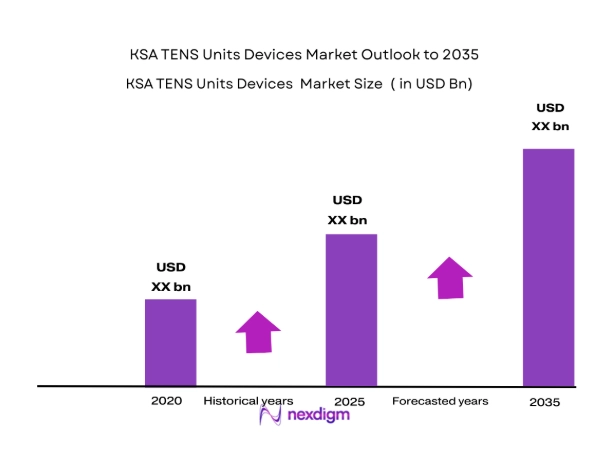
The KSA TENS Units Devices market is expected to grow significantly, driven by the increasing adoption of transcutaneous electrical nerve stimulation (TENS) devices in pain management therapies. In 2024, the market size is estimated to be valued at approximately USD ~ million, with factors like rising awareness about chronic pain management and technological innovations in TENS devices fueling this growth. The expanding healthcare infrastructure and the shift towards home healthcare solutions also contribute to the market’s upward trajectory. This sector’s demand is supported by advancements in portable and wearable devices designed for personalized pain relief at home, providing an alternative to traditional treatments.
The demand for TENS units is concentrated in key regions such as Riyadh, Jeddah, and Dammam, driven by a strong healthcare infrastructure, a growing population, and rising awareness of non-invasive pain management methods. These cities benefit from substantial investments in healthcare services and a trend toward the modernization of medical devices. The growing prevalence of conditions like musculoskeletal pain and the increasing inclination towards alternative therapies in these regions further supports the dominance of these cities. Moreover, factors such as the availability of skilled healthcare professionals and higher purchasing power among residents make these locations hubs for TENS device usage.
Market Segmentation
By Product Type:
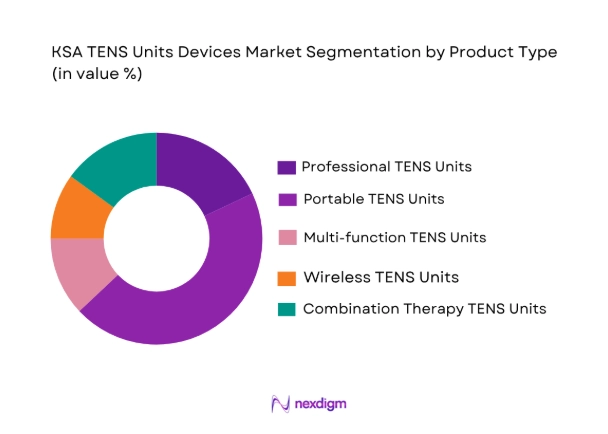
The KSA TENS Units Devices market is segmented by product type into professional TENS units, portable TENS units, multi-function TENS units, wireless TENS units, and combination therapy TENS units. Recently, portable TENS units have gained a dominant market share due to their growing popularity among consumers seeking at-home pain management solutions. Factors contributing to this dominance include the increasing demand for user-friendly devices, ease of use, and the shift towards home-based therapies. Additionally, the growing prevalence of chronic pain conditions and the preference for non-invasive treatments further support the popularity of portable TENS units, making them a preferred choice for individuals and healthcare providers alike.
By Platform Type:
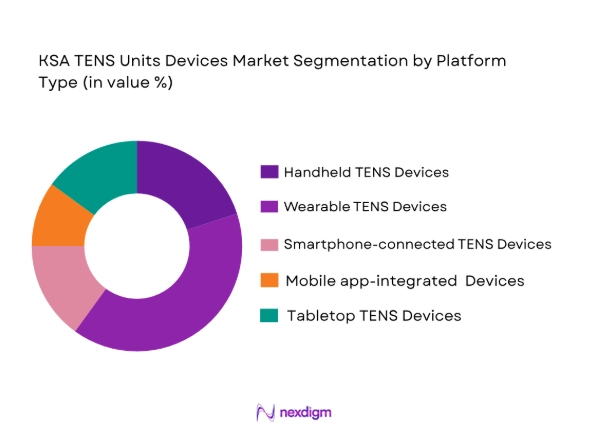
The KSA TENS Units Devices market is segmented by platform type into handheld TENS devices, wearable TENS devices, smartphone-connected TENS devices, mobile app-integrated TENS devices, and tabletop TENS devices. Recently, wearable TENS devices have been the dominant sub-segment in terms of market share. The shift towards wearable devices is primarily driven by the growing consumer interest in hands-free, portable, and convenient pain relief solutions. Wearable devices offer the advantage of continuous use while going about daily activities, making them an attractive option for both home use and on-the-go therapy. Additionally, advancements in wireless technology and battery life have enhanced the appeal of wearable TENS devices in the market.
Competitive Landscape
The competitive landscape of the KSA TENS Units Devices market is characterized by a combination of established players and emerging companies offering innovative solutions. These companies are focusing on product differentiation and expanding their market presence through strategic partnerships, technological advancements, and distribution networks. Major players are consolidating their position by investing in research and development to improve product functionality and user experience. The market is expected to witness increasing competition as new entrants target the growing demand for at-home pain management solutions and the adoption of wearable technologies.
| Company Name | Establishment Year | Headquarters | Technology Focus | Market Reach | Key Products | Revenue | Regulatory Compliance |
| Omron Healthcare | 1933 | Japan | ~ | ~ | ~ | ~ | ~ |
| TENSCare | 2002 | UK | ~ | ~ | ~ | ~ | ~ |
| iReliev | 2010 | USA | ~ | ~ | ~ | ~ | ~ |
| HealthMateForever | 2005 | USA | ~ | ~ | ~ | ~ | ~ |
| Zewa MedTech | 2015 | Germany | ~ | ~ | ~ | ~ | ~ |
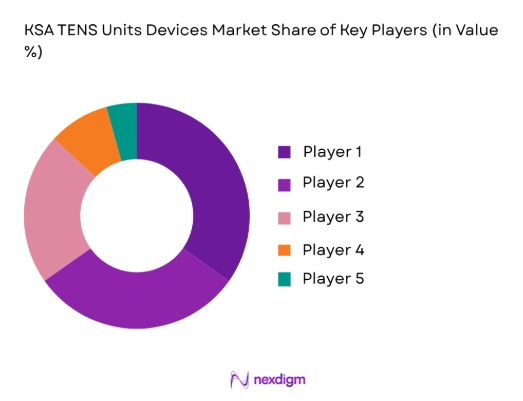
KSA TENS Units Devices Market Analysis
Growth Drivers
Increasing Chronic Pain Incidence:
The rising prevalence of chronic pain conditions such as arthritis, back pain, and fibromyalgia is a significant driver of growth in the KSA TENS Units Devices market. With the increasing number of individuals suffering from these long-term conditions, there is a growing demand for effective, non-invasive pain management solutions. TENS devices offer a drug-free alternative for pain relief, making them an appealing choice for patients seeking to avoid pharmaceutical treatments. Additionally, the aging population in KSA contributes to this growth as older adults are more prone to chronic pain conditions. The increase in lifestyle-related disorders, such as obesity, further accelerates the demand for pain relief products like TENS units. Healthcare providers are also more inclined to recommend TENS devices as part of integrated pain management plans, further driving market adoption. Moreover, the growing awareness among consumers about the benefits of TENS technology has led to an increase in the number of home healthcare users. This trend is supported by the availability of affordable, user-friendly devices and the shift towards home-based therapies, particularly for elderly individuals.
Technological Advancements in TENS Devices:
Technological innovation is one of the key growth drivers in the KSA TENS Units Devices market. The continuous development of smart and connected TENS devices is enhancing the functionality and appeal of these products to consumers. The introduction of smartphone-compatible devices and app-controlled platforms is transforming how individuals use TENS technology, allowing for more personalized and efficient pain management. Wearable devices, such as those integrated with Bluetooth technology, have also seen increased adoption due to their convenience and ease of use. Additionally, advancements in battery life, portability, and ease of use are making TENS devices more accessible to a broader audience. As a result, both healthcare professionals and consumers are becoming more inclined to invest in advanced TENS units that provide a higher degree of customization, mobility, and effectiveness in pain relief. These technological advancements are expected to continue driving market growth by improving the overall user experience and expanding the range of applications for TENS therapy.
Market Challenges
High Product Costs:
One of the significant challenges facing the KSA TENS Units Devices market is the high cost of TENS units, which may limit adoption, especially among price-sensitive consumers. Although TENS devices are generally cost-effective compared to other forms of pain management, the initial investment required for high-quality, advanced devices remains a barrier for many potential users. Additionally, the cost of maintenance, accessories, and replacements can add to the overall expense, deterring some consumers from purchasing these products. While some devices are covered by insurance plans, many individuals in KSA still face financial constraints, particularly in low-income groups, making it difficult to fully capitalize on the benefits of TENS therapy. This challenge is further compounded by the lack of widespread awareness about the availability of affordable options, which could drive more people to adopt TENS therapy for pain management. Therefore, addressing cost concerns through more affordable product offerings and better insurance coverage is crucial for expanding market access and driving growth in the region.
Limited Awareness in Emerging Regions:
Another major challenge for the KSA TENS Units Devices market is the limited awareness and adoption of TENS therapy in emerging regions within the country. While larger cities such as Riyadh and Jeddah are experiencing growing demand for TENS devices, rural and remote areas still face barriers in terms of knowledge about the benefits and availability of these products. The lack of healthcare education, limited access to healthcare professionals, and low levels of consumer awareness about TENS therapy’s potential benefits contribute to slower adoption in these regions. This is further exacerbated by the dominance of traditional pain management methods, which are deeply entrenched in local cultures. To overcome this challenge, efforts to educate consumers and healthcare providers about the efficacy and advantages of TENS therapy are essential for expanding market reach beyond urban centers. These efforts may include targeted marketing campaigns, healthcare professional training programs, and collaborations with local distributors to ensure broader accessibility to TENS units across the country.
Opportunities
Expanding Consumer Base in Elderly Population:
The growing elderly population in KSA presents a significant opportunity for the TENS units market. As people age, they are more likely to experience chronic pain conditions such as arthritis, back pain, and joint disorders, which often require long-term management. TENS units offer a non-invasive, drug-free alternative to traditional pain relief methods, making them an ideal solution for elderly individuals seeking effective pain management. Moreover, the increasing focus on aging population healthcare, coupled with the growing awareness of alternative therapies, is expected to drive higher adoption of TENS devices among older adults in KSA. The availability of easy-to-use, portable, and affordable TENS units is further enhancing their appeal to the elderly demographic. This growing market segment presents an opportunity for manufacturers to tailor their products to the specific needs of older consumers, offering customizable features, simple interfaces, and enhanced mobility options to improve the quality of life for this demographic.
Rising Demand for Drug-Free Pain Management:
There is a rising demand for drug-free pain management solutions in KSA, particularly as consumers seek alternatives to pharmaceutical treatments that may have undesirable side effects. TENS units are emerging as a preferred option for individuals seeking to avoid pain medications, particularly those with chronic pain conditions who require long-term relief. This demand is being fueled by the growing awareness of the potential risks associated with long-term use of prescription pain medications, including addiction and side effects. Consumers are becoming increasingly cautious about their reliance on painkillers and are turning to non-invasive therapies such as TENS for a safer and more sustainable pain relief option. The shift towards drug-free treatments is further supported by the ongoing efforts of healthcare providers to offer holistic pain management solutions. As awareness continues to grow about the benefits of TENS technology, the demand for these devices is expected to expand across various consumer segments, creating new opportunities for manufacturers to meet this evolving need.
Future Outlook
The future outlook for the KSA TENS Units Devices market appears promising, with continued growth expected over the next five years. Technological advancements in device functionality, such as the integration of wireless platforms and smartphone connectivity, are expected to drive demand. Regulatory support for medical devices and growing consumer acceptance of at-home therapy solutions will further boost market expansion. Additionally, increased focus on preventative healthcare and wellness, alongside an aging population, will continue to influence demand trends, creating a more robust market for TENS units in the coming years.
Major Players
- Omron Healthcare
- TENSCare
- iReliev
- HealthMateForever
- Zewa MedTech
- Pure Enrichment
- EMS Physio
- Belifu
- RS Medical
- Compex
- Chattanooga
- TheraBond
- HiDow International
- Beurer
- Tensoplast
Key Target Audience
- Investments and venture capitalist firms
- Government and regulatory bodies
- Home healthcare providers
- Hospitals and pain management centers
- Fitness and rehabilitation centers
- Retailers and distributors of medical devices
- Pharmacies and drug stores
- Elderly care facilities
Research Methodology
Step 1: Identification of Key Variables
The research starts with identifying the key variables influencing the KSA TENS Units Devices market, such as product type, consumer demand, and regional trends.
Step 2: Market Analysis and Construction
Data is gathered through market analysis to construct a detailed overview of market dynamics, trends, and growth opportunities.
Step 3: Hypothesis Validation and Expert Consultation
Consultations with industry experts and stakeholders validate hypotheses regarding market potential and growth drivers.
Step 4: Research Synthesis and Final Output
The research findings are synthesized to generate actionable insights, concluding with a detailed report on the KSA TENS Units Devices market.

- Executive Summary
- Research Methodology (Definitions, Scope, Industry Assumptions, Market Sizing Approach, Primary & Secondary Research Framework, Data Collection & Verification Protocol, Analytic Models & Forecast Methodology, Limitations & Research Validity Checks)

- Market Definition and Scope
- Value Chain & Stakeholder Ecosystem
- Regulatory / Certification Landscape
- Sector Dynamics Affecting Demand
- Strategic Initiatives & Infrastructure Growth

- Growth Drivers
Increasing Chronic Pain Incidence
Rise in Home Healthcare Adoption
Technological Advancements in TENS Devices - Market Challenges
High Product Costs
Limited Awareness in Emerging Regions
Regulatory Barriers for New Devices - Market Opportunities
Expanding Consumer Base in Elderly Population
Growing Fitness and Wellness Trend
Rising Demand for Drug-Free Pain Management - Trends
Integration of Smart Technologies in Devices
Personalization of Pain Relief Solutions
Growth in Online Sales Channels
Government Regulations
SWOT Analysis of Key Competitors
Porter’s Five Forces - KSA TENS Units Devices Market EndUser Analysis
Home Healthcare Consumers
Physiotherapists and Clinics
Hospitals
Athletes and Fitness Enthusiasts

- By Market Value, 2020-2025
- By Installed Units, 2020-2025
- By Average System Price, 2020-2025
- By System Complexity Tier, 2020-2025

- By System Type (In Value%)
Professional TENS Units
Portable TENS Units
Multi-Function TENS Units
Wireless TENS Units
Combination Therapy TENS Units - By Platform Type (In Value%)
Handheld TENS Devices
Wearable TENS Devices
Smartphone-Connected TENS Devices
Mobile App-Integrated TENS Devices
Tabletop TENS Devices - By Fitment Type (In Value%)
Wristband Fitment
Armband Fitment
Patch Fitment
Belt Fitment
Customizable Fitment - By EndUser Segment (In Value%)
Home Healthcare Consumers
Physiotherapists and Clinics
Hospitals
Athletes and Fitness Enthusiasts
Elderly and Pain Management Centers - By Procurement Channel (In Value%)
Online Retailers
Direct Sales
Pharmacies and Drug Stores
Medical Equipment Suppliers
Wholesale Distributors

- Market Share Analysis
- CrossComparison Parameters (System Type, Platform Type, Fitment Type, End User, Procurement Channel)
- SWOT Analysis of Key Competitors
- Pricing & Procurement Analysis Porter’s Five Forces
- Key Players
Omron Healthcare
TENSCare
iReliev
HealthMateForever
Pure Enrichment
EMS Physio
Zewa MedTech
Belifu
RS Medical
Compex
Chattanooga
TheraBond
HiDow International
Beurer
Tensoplast

- Home Healthcare Consumers
- Physiotherapists and Clinics
- Hospitals
- Athletes and Fitness Enthusiasts

- Forecast Market Value, 2026-2035
- Forecast Installed Units, 2026-2035
- Price Forecast by System Tier, 2026-2035
- Future Demand by Platform, 2026-2035


 Request a Sample
 Ask for Customization
 Get a Quote
 Enquire Now