

 Download PDF
Market Overview
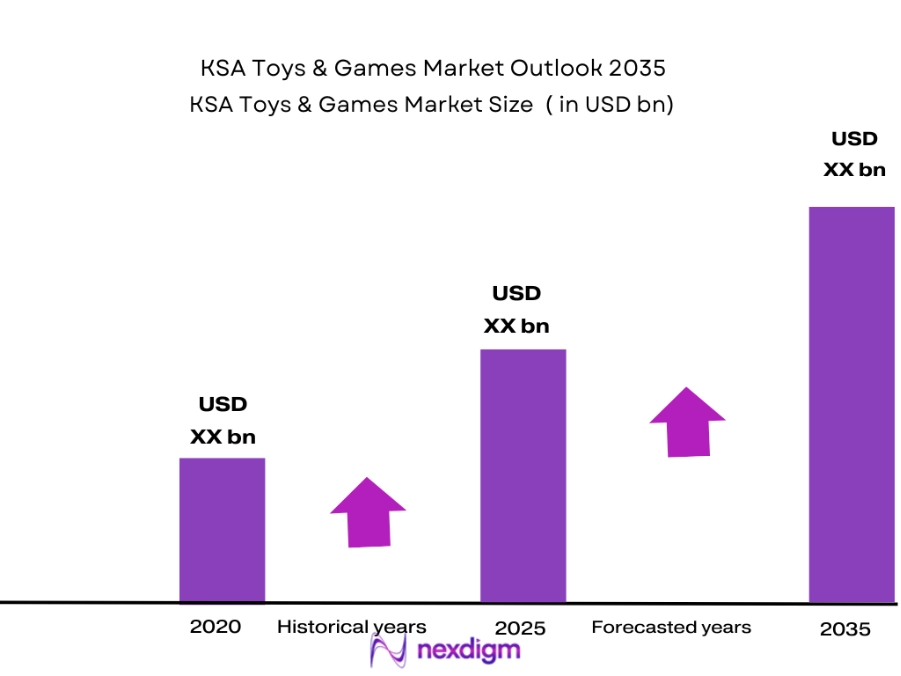
The KSA Toys & Games market is valued at USD ~ billion based on a recent historical assessment, driven by increasing consumer spending, rising population of children and teenagers, and the growing penetration of organized retail and e-commerce platforms. Strong brand presence from global and regional players, coupled with the rising popularity of educational and electronic toys, has fueled market expansion. Additionally, government support for recreational and educational initiatives has further stimulated consumer interest, contributing to the robust growth in market value and fostering sustained demand for innovative toy products.
The market dominance is largely concentrated in major urban centers such as Riyadh, Jeddah, and the Eastern Province, where high disposable incomes, modern retail infrastructure, and access to global brands enhance consumption. These cities serve as primary hubs for both domestic sales and international toy imports, benefiting from efficient logistics networks and strong brand visibility. Consumer preferences in these regions are influenced by lifestyle trends, digital engagement, and exposure to global media, making them prime markets for premium and licensed toy products. The combination of affluent population and well-developed distribution channels ensures sustained growth in these dominant cities.
Market Segmentation
By Product Type
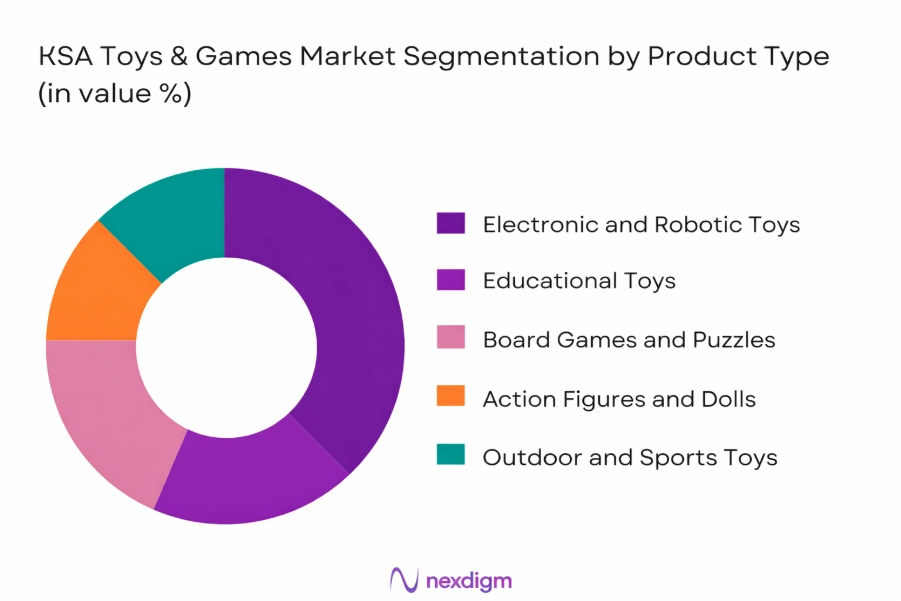
KSA Toys & Games market is segmented by product type into Educational Toys, Action Figures and Dolls, Board Games and Puzzles, Electronic and Robotic Toys, Outdoor and Sports Toys, and Others. Recently, Electronic and Robotic Toys have a dominant market share due to strong consumer preference for technology-driven and interactive products, high demand for STEM-based learning tools, and significant investments by leading toy brands in innovation and product development. The widespread availability of electronic toys in urban retail stores and e-commerce channels, coupled with high brand recognition, has reinforced their position. Additionally, parent and consumer interest in educational and skill-building toys has further bolstered the growth of this sub-segment, making it a key revenue contributor for the overall market.
By Age Group
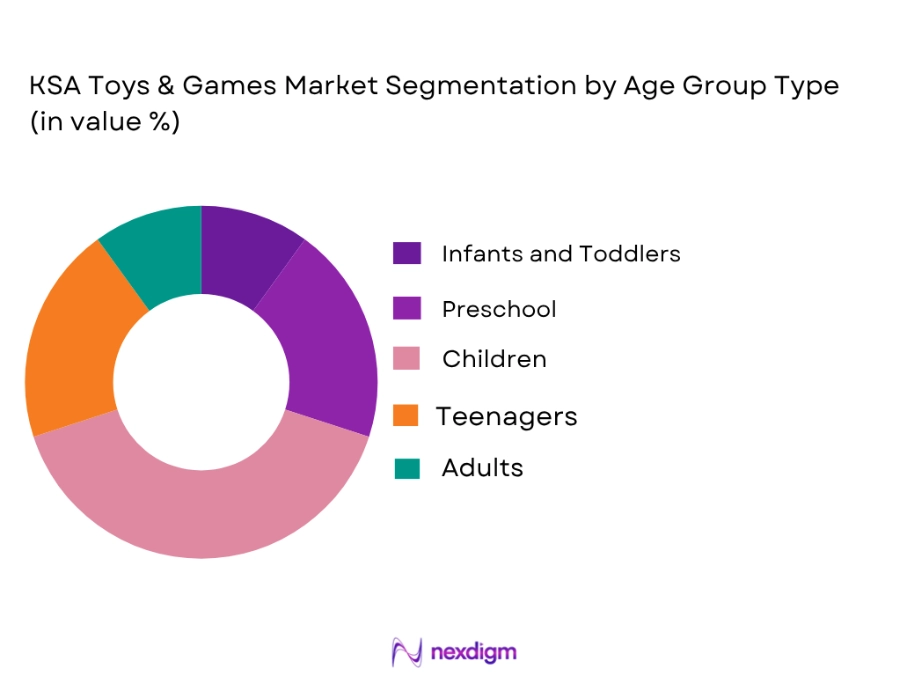
KSA Toys & Games market is segmented by age group into Infants and Toddlers (0–3 years), Preschool (4–6 years), Children (7–12 years), Teenagers (13–18 years), and Adults. The Children (7–12 years) sub-segment has the highest market share due to increased disposable income allocated to this age group, high parental interest in educational and recreational toys, and strong brand targeting through marketing campaigns. Retailers and online platforms prioritize offerings for this demographic, providing a broad range of options that combine learning and entertainment. Furthermore, growing awareness of developmental benefits and the rise of electronic and interactive toys for this age group reinforce its market dominance. This focus on the 7–12 years age group ensures consistent demand and revenue generation across the KSA market.
Competitive Landscape
The KSA Toys & Games market is moderately consolidated, dominated by both international and regional brands. Major players leverage strong brand recognition, extensive distribution networks, and technological innovation in product design to maintain competitive advantage. Strategic collaborations, licensing agreements, and localized marketing campaigns are common, allowing these companies to reach urban centers effectively while differentiating their offerings. E-commerce expansion further intensifies competition, as players optimize omnichannel approaches to capture consumer demand.
| Company Name | Establishment Year | Headquarters | Technology Focus | Market Reach | Key Products | Revenue (USD) | Production Capacity |
| Hasbro | 1923 | USA | ~ | ~ | ~ | ~ | ~ |
| Mattel | 1945 | USA | ~ | ~ | ~ | ~ | ~ |
| LEGO Group | 1932 | Denmark | ~ | ~ | ~ | ~ | ~ |
| Spin Master | 1994 | Canada | ~ | ~ | ~ | ~ | ~ |
| VTech Holdings | 1976 | Hong Kong | ~ | ~ | ~ | ~ | ~ |

KSA Toys & Games Market Analysis
Growth Drivers
Increasing Disposable Income and Spending on Leisure Activities
The KSA Toys & Games market benefits significantly from increasing disposable income, which allows families to allocate more resources toward recreational and leisure products for children. Higher household income supports the purchase of premium toys, branded products, and interactive electronic games. Spending is further encouraged by urban lifestyles, where families prioritize educational and entertainment value in purchases. Retailers and manufacturers respond by offering diverse product ranges and value-added features. Seasonal promotions, bundled offers, and marketing campaigns also leverage the willingness of parents to invest in quality products. Consumer interest in developmental and skill-building toys aligns with this trend, reinforcing market expansion. Overall, economic prosperity directly translates to higher toy consumption, supporting sustained revenue growth.
Rising Population of Children and Youth
The expanding population of children and youth in KSA drives demand for toys and games across age segments. Parents increasingly invest in products that support educational development, recreational engagement, and creative skills. Urban centers witness higher consumption due to concentrated populations and exposure to global brands. The demographic profile encourages manufacturers to innovate with age-appropriate products, targeting both physical and cognitive development. Retailers and online platforms tailor offerings for different age groups, ensuring accessibility and visibility. Licensing partnerships with popular media and interactive toys cater to evolving consumer interests. The growing youth population sustains long-term demand, motivating market expansion and encouraging players to diversify portfolios to capture a wide audience.
Market Challenges
High Import Dependence and Currency Fluctuations
The KSA Toys & Games market relies heavily on imported products from global manufacturers, making it sensitive to currency fluctuations and international trade conditions. Variability in exchange rates directly affects pricing strategies, profitability, and product availability. Delays in customs clearance or geopolitical uncertainties can disrupt supply chains, creating inventory shortages in peak demand periods. Retailers must manage costs strategically to maintain competitive pricing while ensuring consistent stock levels. Compliance with import regulations and quality standards further increases operational complexity. Seasonal demand spikes intensify the pressure on supply chains. The dependency on imports introduces risks that require careful planning, diversified sourcing, and financial hedging to stabilize operations and maintain consumer trust.
Competition from Unbranded and Low-Cost Products
The presence of unbranded and low-cost products creates significant competitive pressure in the KSA Toys & Games market. These alternatives attract price-sensitive consumers, affecting sales of premium and licensed toys. Established brands must invest in marketing, quality differentiation, and retail visibility to maintain their position. Online platforms and local distributors facilitate access to these low-cost options, increasing competition. Counterfeit products also pose risks to brand reputation and consumer confidence. Companies must continually innovate, offer unique product features, and ensure compliance with safety standards to retain loyalty. The highly competitive environment forces players to optimize pricing strategies and enhance consumer engagement to protect market share.
Opportunities
Rising Demand for STEM and Educational Toys
Growing awareness of the importance of early childhood education and skill development creates significant opportunities in the KSA Toys & Games market. Parents and caregivers increasingly prefer toys that combine entertainment with educational value, such as STEM kits, coding tools, and interactive learning devices. This trend is reinforced by schools and educational programs that encourage complementary home learning. Technology-enabled products, including robotics and electronic learning kits, provide hands-on experience and cognitive development benefits. Licensing agreements with popular media characters further enhance engagement. Retailers and online platforms are expanding their offerings to cater to this segment. The emphasis on educational value ensures long-term adoption, repeat purchases, and a growing market for innovative STEM-focused products.
Growth of E-commerce and Online Toy Retail
The expansion of e-commerce channels presents a significant opportunity for the KSA Toys & Games market, offering convenient access to a wide variety of products. Online platforms enable consumers to browse, compare, and purchase toys without geographical limitations. Digital marketing, personalized recommendations, and seasonal promotions enhance engagement and drive sales. Retailers benefit from reduced operational costs, data analytics for inventory management, and access to emerging markets beyond urban centers. Integration of mobile commerce and app-based shopping further strengthens accessibility. Efficient logistics and delivery services improve consumer satisfaction, while social media campaigns increase visibility. E-commerce growth allows manufacturers and retailers to scale operations, diversify product portfolios, and capitalize on evolving consumer behavior, ensuring market expansion.
Future Outlook
The KSA Toys & Games market is expected to witness sustained growth over the next five years, driven by continued urbanization, rising disposable incomes, and increasing adoption of educational and technology-integrated toys. Technological developments, including augmented reality, robotics, and smart learning products, will redefine consumer engagement. Regulatory support for safety and quality standards will enhance trust in branded products, while digital commerce expansion will further improve accessibility. Growing interest in STEM-based and skill-building toys will ensure steady demand, positioning the market for long-term growth.
Major Players
- Hasbro
- Mattel
- LEGO Group
- Spin Master
- VTech Holdings
- Fisher-Price (Mattel)
- Playmates Toys
- Funko
- Ravensburger
- Giochi Preziosi
- Tomy Company
- MEGA Brands
- LeapFrog Enterprises
- Clementoni
- JAKKS Pacific
Key Target Audience
- Investments and venture capitalist firms
- Government and regulatory bodies
- Toy and game manufacturers
- Retail chains and distributors
- E-commerce platforms
- Import-export trading companies
- Corporate buyers for recreational programs
- Hospitality and entertainment centers
Research Methodology
Step 1: Identification of Key Variables
Key variables, including product types, age demographics, distribution channels, and pricing models, are identified through market observation and preliminary research to establish the scope and parameters for analysis.
Step 2: Market Analysis and Construction
Comprehensive quantitative and qualitative analyses are conducted using historical data, sales trends, and consumer behavior patterns to construct the market landscape and project future growth.
Step 3: Hypothesis Validation and Expert Consultation
Hypotheses regarding market dynamics, growth drivers, and consumer preferences are validated through consultations with industry experts, distributors, and major market stakeholders to ensure accuracy and reliability.
Step 4: Research Synthesis and Final Output
Data from primary and secondary research sources are synthesized, cross-verified, and compiled into a structured output, producing a detailed and actionable market report with insights for strategic planning and investment.

- Executive Summary
- Research Methodology (Market Definitions and Assumptions, Abbreviations, Market Sizing Approach, Consolidated Research Approach, Understanding Market Potential Through In-Depth Industry Interviews, Primary Research Approach, Limitations and Future Conclusions)

- Definition and Scope
- Market Dynamics Overview
- Market Genesis
- Major Players and Market Timeline
- Business Cycle and Trends
- Supply Chain and Value Chain Analysis

- Growth Drivers
Increasing Disposable Income and Spending on Leisure Activities
Rising Population of Children and Youth
Growing Influence of Digital and Electronic Toys
Expansion of Organized Retail and Online Sales Channels
Government Initiatives Supporting Educational and Recreational Products - Market Challenges
High Import Dependence and Currency Fluctuations
Seasonal Demand Variations
Safety Standards and Regulatory Compliance
Competition from Unbranded and Low-Cost Products
Shifting Consumer Preferences - Opportunities
Rising Demand for STEM and Educational Toys
Introduction of Eco-friendly and Sustainable Toys
Growth of E-commerce and Online Toy Retail
Licensing Opportunities for Global Toy Brands
Innovation in Interactive and Smart Toy Technologies - Key Trends
Integration of Technology and Augmented Reality in Toys
Personalized and Customizable Toy Offerings
Rising Popularity of Collectibles and Limited Editions
Focus on Safety, Non-toxic Materials, and Certifications
Expansion of Franchise and Licensed Toy Products - Government Regulations
- SWOT Analysis
- Porter’s Five Forces

- By Value, 2020–2025
- By Volume, 2020–2025
- By Average Price, 2020–2025

- By Product Type (In Value %)
Educational Toys
Action Figures and Dolls
Board Games and Puzzles
Electronic and Robotic Toys
Outdoor and Sports Toys - By Age Group (In Value %)
Infants and Toddlers (0–3 years)
Preschool (4–6 years)
Children (7–12 years)
Teenagers (13–18 years)
Adults - By Distribution Channel (In Value %)
Retail Stores and Toy Shops
Hypermarkets and Supermarkets
Online Channels
Specialty Stores
Others - By Region (In Value %)
Riyadh
Jeddah
Eastern Province
Makkah
Other Regions

- Market Share of Major Players by Value/Volume
- Market Share of Major Players by Product Type
- Cross Comparison Parameters (Company Overview, Business Strategies, Recent Developments, Strength, Weakness, Organizational Structure, Revenues, Revenues by Product Type, Number of Touchpoints, Distribution Channels, Number of Dealers and Distributors, Margins, Production Plant, Capacity, Unique Value Offering and Others)
- SWOT Analysis of Major Players
- Pricing Analysis Based on Product Categories for Major Players
- Detailed Profiles of Major Companies
Hasbro
Mattel
LEGO Group
Spin Master
Bandai Namco
VTech Holdings
Fisher-Price (Mattel)
Playmates Toys
Funko
Ravensburger
Giochi Preziosi
Tomy Company
MEGA Brands
LeapFrog Enterprises
Clementoni
JAKKS Pacific

- Market Demand and Utilization
- Purchasing Power and Budget Allocations
- Regulatory and Compliance Requirements
- Needs, Desires, and Pain Point Analysis
- Decision-Making Process

- By Value, 2026–2035
- By Volume, 2026–2035
- By Average Price, 2026–2035


 Request a Sample
 Ask for Customization
 Get a Quote
 Enquire Now