
 Download PDF
 Download PDF
Market Overview
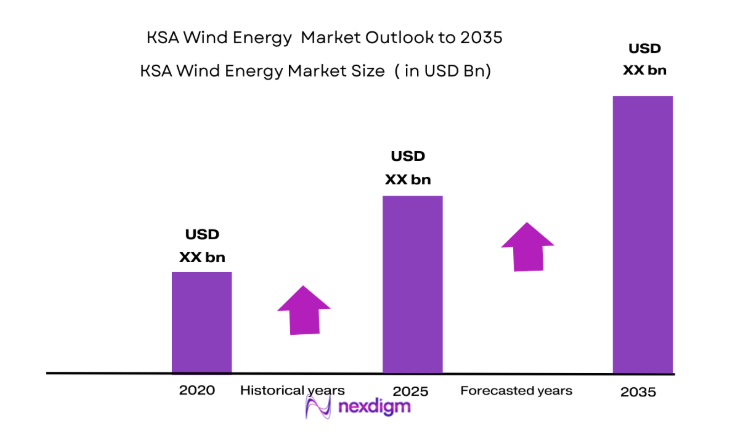
The market for KSA Wind Energy is driven by significant investments in renewable energy infrastructure, with an estimated market size of USD ~ billion. This growth is primarily attributed to the kingdom’s ambitious renewable energy targets outlined in its Vision 2030, which aims to diversify its energy mix and reduce dependence on fossil fuels. Government initiatives, along with international partnerships, continue to drive the development of large-scale wind energy projects across the country. As of the latest data, Saudi Arabia is increasingly turning towards wind energy, and this growth is supported by both private and public sector investments.
Saudi Arabia, with its vast land area and high wind energy potential, is leading the region in wind energy developments. The central and northern regions of the country, particularly the Red Sea coast, have been identified as prime locations for large-scale wind farms. Key cities such as Riyadh and Jeddah are expected to see significant wind energy developments due to their proximity to these wind-rich regions. The nation’s focus on economic diversification and reducing carbon emissions further strengthens its position as a leader in the Middle Eastern wind energy market. Additionally, Saudi Arabia’s favorable regulatory environment and investment in infrastructure have been pivotal in attracting global players to the market.
Market Segmentation
By System Type:
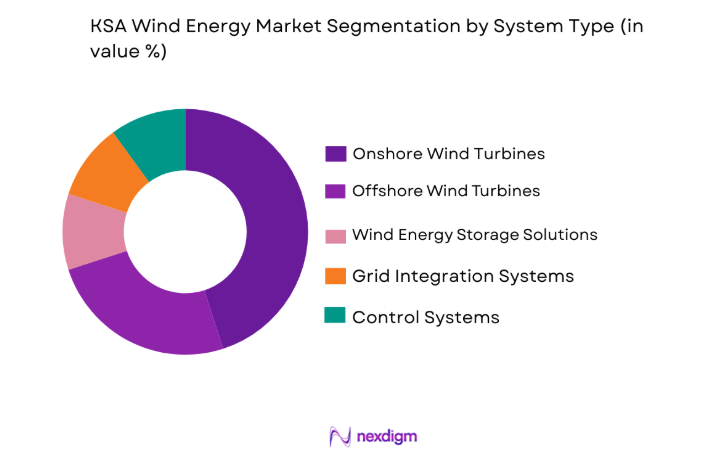
The KSA Wind Energy market is segmented by system type into onshore wind turbines, offshore wind turbines, wind energy storage solutions, grid integration systems, and control systems. Among these, onshore wind turbines have the largest market share due to favorable wind conditions in land-based regions and lower installation costs compared to offshore systems. The growing number of onshore wind farm projects, coupled with technological advancements in turbine efficiency, has made onshore wind turbines the most prominent segment in the Saudi market.
By Platform Type:
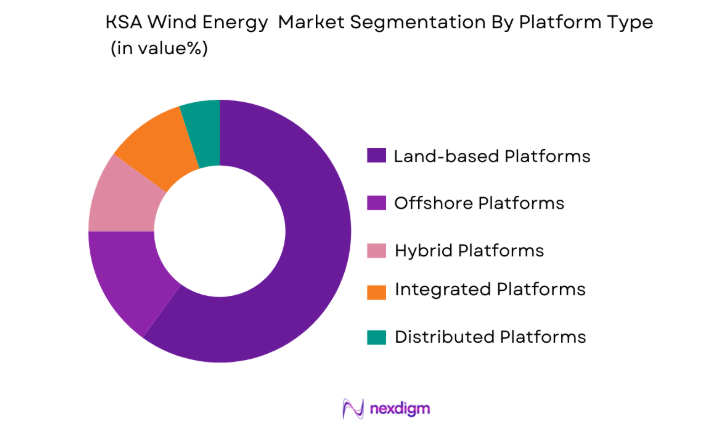
The KSA Wind Energy market is segmented by platform type into land-based platforms, offshore platforms, hybrid platforms, integrated platforms, and distributed platforms. Land-based platforms dominate the market as they offer a cost-effective solution for wind energy generation and are easily accessible for installation and maintenance. The expansive land availability in Saudi Arabia makes land-based platforms a popular choice, while the country explores the potential for offshore wind farms in its coastal regions.
Competitive Landscape
The KSA Wind Energy market is characterized by the presence of major international and regional players, with growing consolidation in the sector as large companies collaborate with local partners to secure large-scale projects. Key players are focusing on technological innovation and adapting to the regional energy requirements of Saudi Arabia. The market is also seeing significant investments from government-backed energy projects.
| Company Name | Establishment Year | Headquarters | Technology Focus | Market Reach | Key Products | Revenue (USD) | Technology Integration |
| Siemens Gamesa | 1976 | Spain | ~ | ~ | ~ | ~ | ~ |
| Vestas | 1945 | Denmark | ~ | ~ | ~ | ~ | ~ |
| GE Renewable Energy | 1892 | USA | ~ | ~ | ~ | ~ | ~ |
| Nordex Group | 1985 | Germany | ~ | ~ | ~ | ~ | ~ |
| Suzlon Energy | 1995 | India | ~ | ~ | ~ | ~ | ~ |
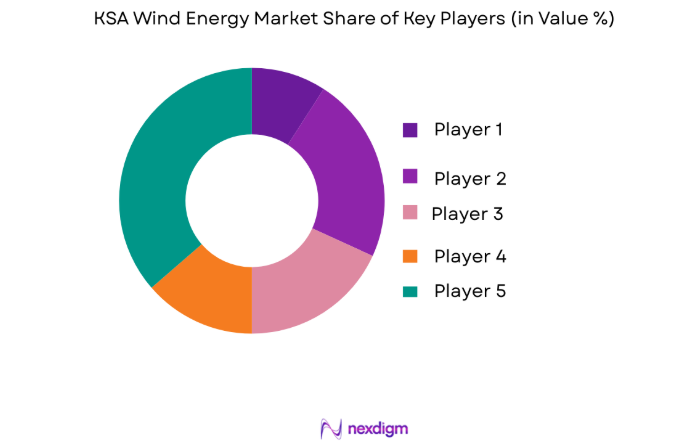
KSA Wind Energy Market Analysis
Growth Drivers
Government Investments in Renewable Energy:
The Saudi Arabian government’s commitment to transitioning towards renewable energy, with significant investments in wind energy projects, is a primary growth driver. The Kingdom’s Vision 2030 outlines ambitious renewable energy goals, aiming to diversify the energy mix and reduce the reliance on oil. This includes plans to generate 50% of its power from renewable sources, with a large share expected to come from wind energy. The government’s support is evident in its financial incentives, tax exemptions, and favorable regulations for developers. Additionally, the government has entered into several partnerships with global wind energy companies, which further accelerates the growth of the wind energy market. Major projects like the Dumat Al Jandal wind farm, expected to generate 400 MW, exemplify the scale of these investments. Furthermore, the commitment to a greener future aligns with the global trend of decarbonizing energy systems, giving a strong push to wind energy adoption. These initiatives are expected to boost market growth by attracting both domestic and foreign investments, establishing Saudi Arabia as a key player in the renewable energy sector. As the government focuses on reducing carbon emissions, the wind energy sector becomes central to achieving the Kingdom’s long-term sustainability objectives.
Technological Advancements in Wind Turbines:
Technological advancements in wind turbines play a crucial role in driving the expansion of the KSA Wind Energy market. The introduction of more efficient, larger turbines with greater energy generation capacities allows for improved cost-effectiveness and the ability to harness energy from less favorable wind conditions. Furthermore, advances in turbine blade design and material science have led to more durable turbines capable of withstanding extreme weather conditions, a critical factor in desert environments like those in Saudi Arabia. The trend towards hybrid and integrated systems is also gaining momentum, as these technologies help optimize energy output and efficiency. Saudi Arabia’s desert wind conditions offer significant potential for large-scale onshore wind farms, and the ongoing development of offshore turbine technologies is expected to complement this. Wind energy companies operating in Saudi Arabia are increasingly incorporating smart grid and digital control systems into their projects, optimizing the management of energy generation and consumption. These technological innovations not only improve efficiency but also reduce the costs associated with wind energy, making it more competitive with traditional energy sources. The increasing deployment of AI and machine learning in wind turbine monitoring and predictive maintenance is also contributing to the sector’s growth, ensuring optimal performance and minimizing downtime.
Market Challenges
High Capital Investment Requirements:
One of the most significant challenges faced by the KSA Wind Energy market is the high initial capital investment required for wind energy projects. The development of large-scale wind farms involves substantial upfront costs, including the purchase and installation of turbines, grid infrastructure, and energy storage systems. These high initial expenses can be a deterrent to some potential investors, especially in a market where oil-based energy has historically been cheaper to produce. While the government offers incentives and subsidies to alleviate some of these financial burdens, the financing of large-scale projects remains a challenge for smaller developers. Additionally, the long payback period associated with wind energy projects further discourages private sector involvement in the absence of government-backed support. Although the wind energy market in Saudi Arabia is growing, securing the necessary funding to bring these projects to fruition remains a critical challenge, particularly with the need for rapid deployment to meet the Kingdom’s renewable energy targets. However, international collaboration and increased private sector involvement are expected to mitigate these challenges as the market matures.
Grid Integration and Infrastructure Constraints:
Another key challenge for the KSA Wind Energy market is the existing limitations in grid infrastructure and the integration of wind energy into the national grid. Wind energy, particularly from large-scale wind farms, requires efficient transmission systems to ensure that the generated power is distributed effectively to areas of demand. Saudi Arabia’s power grid, designed primarily for fossil fuel-based generation, is currently not fully equipped to handle the intermittency of renewable energy sources like wind. The challenge lies in the need for significant investment in grid upgrades, storage solutions, and advanced grid management systems to accommodate the variability of wind energy. Additionally, the integration of wind energy with existing power infrastructure requires a well-planned strategy to ensure a seamless transition and avoid potential power outages. Addressing these infrastructure challenges will require coordinated efforts between the government, private sector developers, and technology providers to modernize the energy grid. Moreover, the integration of wind energy with storage solutions, such as battery systems, is essential for stabilizing supply and ensuring reliable power distribution.
Opportunities
Expansion of Offshore Wind Projects:
Saudi Arabia’s extensive coastline along the Red Sea and the Arabian Gulf presents a major opportunity for the expansion of offshore wind energy projects. Offshore wind farms are capable of generating higher output due to more consistent and stronger wind speeds compared to land-based turbines. As global trends in renewable energy shift towards offshore solutions, Saudi Arabia is well-positioned to leverage its coastal areas for large-scale wind farms. These projects will not only contribute to the Kingdom’s renewable energy targets but also offer significant opportunities for innovation in offshore wind turbine technology, energy storage, and grid integration. The development of offshore wind farms will also provide a boost to the local economy through job creation and the establishment of new supply chains. With an increasingly favorable regulatory environment and growing international interest, offshore wind projects represent a promising opportunity for market players looking to expand their footprint in the Middle East. As the Kingdom looks to diversify its energy sources, offshore wind energy will play a crucial role in its long-term strategy.
Increasing Investment in Wind Energy Technology and Research:
As the demand for renewable energy in Saudi Arabia grows, there is a significant opportunity for increased investment in wind energy technology and research. The Kingdom is focusing on developing advanced technologies to improve turbine efficiency, reduce operational costs, and enhance energy storage solutions. Research into innovative materials for turbine blades, better grid integration methods, and the development of smart wind farms that utilize AI for real-time performance optimization will be crucial in overcoming existing challenges. With the government and private sector both investing in R&D, Saudi Arabia’s wind energy market is likely to experience substantial technological advancements that will enhance the country’s competitiveness in the global renewable energy market. This growing focus on innovation will foster partnerships between local and international companies, strengthening the market’s technological capabilities and supporting its transition to a sustainable energy future. Additionally, the integration of renewable energy technologies with other clean energy sources, such as solar, offers a synergistic opportunity for further growth.
Future Outlook
The future outlook for the KSA Wind Energy market over the next five years is highly promising, with significant growth driven by technological advancements, government support, and a focus on sustainable energy. The Kingdom’s Vision 2030 initiative remains central to its renewable energy goals, with wind energy expected to play a major role in achieving a diversified energy mix. Technological developments in offshore wind turbines, energy storage solutions, and grid integration will improve the efficiency and scalability of wind power. The continued push for clean energy, coupled with increased investments in infrastructure and innovation, positions Saudi Arabia as a regional leader in wind energy development. Furthermore, global partnerships and the increasing interest in Saudi Arabia’s vast wind resources are likely to drive market growth. With strong regulatory support and favorable market conditions, the KSA Wind Energy market is poised for significant expansion, contributing to the country’s goal of reducing its carbon footprint and meeting international climate commitments.
Major Players
- Siemens Gamesa
- Vestas
- GE Renewable Energy
- Nordex Group
- Suzlon Energy
- Suzlon Energy
- Envision Energy
- MingyangSmart Energy
- Senvion
- Goldwind
- Sinovel
- Shanghai Electric
- LongyuanPower
- Acciona
- Iberdrola
Key Target Audience
- Investments and venture capitalist firms
- Government and regulatory bodies
- Renewable energy developers
- Power and utility companies
- Infrastructure and construction firms
- Environmental consultancies
- Private equity firms
- Energy storage solution providers
Research Methodology
Step 1: Identification of Key Variables
The first step involves identifying the key market variables, such as energy demand, investment trends, technological advancements, and regulatory frameworks.
Step 2: Market Analysis and Construction
Data is collected and analyzed from both primary and secondary sources to understand market trends, growth drivers, and challenges.
Step 3: Hypothesis Validation and Expert Consultation
The market hypothesis is validated through expert consultations, interviews, and feedback from industry stakeholders to ensure accuracy.
Step 4: Research Synthesis and Final Output
The research findings are synthesized into a comprehensive report, providing actionable insights and strategic recommendations for stakeholders.

- Executive Summary
- Research Methodology (Definitions, Scope, Industry Assumptions, Market Sizing Approach, Primary & Secondary Research Framework, Data Collection & Verification Protocol, Analytic Models & Forecast Methodology, Limitations & Research Validity Checks)

- Market Definition and Scope
- Value Chain & Stakeholder Ecosystem
- Regulatory / Certification Landscape
- Sector Dynamics Affecting Demand

- Growth Drivers
Government Investments in Renewable Energy
Technological Advancements in Wind Turbines
Favorable Environmental Policies - Market Challenges
High Initial Investment Costs
Grid Integration and Infrastructure Challenges
Intermittency and Energy Storage Issues - Market Opportunities
Expansion of Offshore Wind Projects
Partnerships with International Firms
Increasing Demand for Clean Energy Solutions - Trends
Advancements in Turbine Efficiency
Growth in Offshore Wind Energy
Integration with Energy Storage Technologies - Government Regulations
- SWOT Analysis of Key Competitors

- By Market Value, 2020-2025
- By Installed Units, 2020-2025
- By Average System Price, 2020-2025
- By System Complexity Tier, 2020-2025

- By System Type (In Value%)
Onshore Wind Turbines
Offshore Wind Turbines
Wind Energy Storage Solutions
Grid Integration Systems
Control Systems - By Platform Type (In Value%)
Land-based Platforms
Offshore Platforms
Hybrid Platforms
Integrated Platforms
Distributed Platforms - By Fitment Type (In Value%)
Onshore Solutions
Offshore Solutions
Hybrid Solutions
Modular Solutions
Integrated Solutions - By EndUser Segment (In Value%)
Government Agencies
Private Energy Developers
Industrial Consumers
Utility Companies
Commercial Enterprises

- Market Share Analysis
- CrossComparison Parameters (System Type, Platform Type, Procurement Channel, EndUser Segment, Fitment Type)
- SWOT Analysis of Key Competitors
- Pricing & Procurement Analysis
- Porter’s Five Forces
- Key Players
Siemens Gamesa
Vestas
GE Renewable Energy
Nordex Group
Suzlon Energy
Goldwind
Suzhou Shandong Yuda
Orsted
EDF Renewables
Enel Green Power
Mainstream Renewable Power
Brookfield Renewable Partners
First Solar
NextEra Energy
Acciona

- Growing Demand from Government Energy Projects
- Private Sector Investment in Wind Farms
- Energy Security Concerns Driving Demand
- Utility Companies Focusing on Renewables

- Forecast Market Value, 2026-2035
- Forecast Installed Units, 2026-2035
- Price Forecast by System Tier, 2026-2035
- Future Demand by Platform, 2026-2035


 Request a Sample
 Ask for Customization
 Get a Quote
 Enquire Now