
 Download PDF
Market Overview
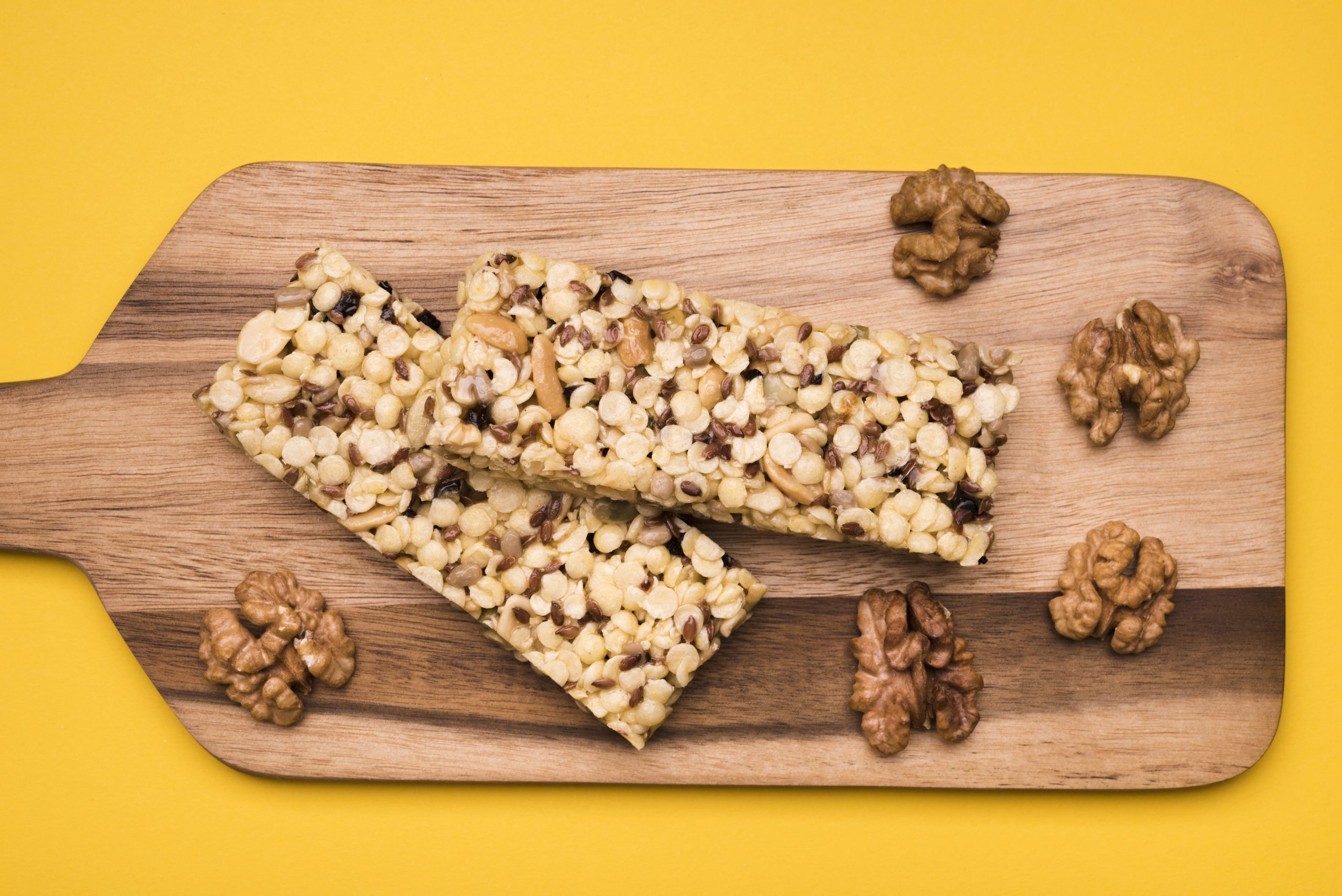
The Malaysian cereal bar market is experiencing a robust expansion, reaching a valuation of USD 184.6 million in 2025, with a projected 5.4% CAGR throughout the decade ending in 2035. This trajectory is centered in key urban industrial hubs like Shah Alam, which hosts major regional manufacturing facilities for conglomerates like Nestlé Malaysia, founded in 1912 with headquarters in Petaling Jaya, and serves as a vital logistics node for distribution to the Peninsula’s retail network. Demand-side, consumers in Kuala Lumpur are increasingly prioritizing functional nutrition, shifting preferences toward high-fiber, low-glycemic, and gluten-free bar variants as active lifestyles necessitate portable, on-the-go wellness solutions. On the supply side, domestic manufacturers like Munchy Food Industries, established in 1991 in Batu Pahat, are heavily investing in localized procurement of tropical ingredients such as palm-based lipids and virgin coconut oil to mitigate reliance on expensive imported cocoa and oat additives. Simultaneously, the industry is navigating the stringent regulatory landscape enforced by the Ministry of Health Malaysia under the Food Regulations 1985, which mandates rigorous front-of-pack nutritional labeling and sodium reduction targets, pushing manufacturers to innovate through cleaner label formulations that comply with evolving consumer safety standards and sustainability mandates.
By Product Formulation
- Beta-glucan enriched granola bars
- Non-GMO rolled oat clusters
- Cold-pressed oat meal squares
- Whey protein isolate bars
- Plant-based pea protein bars
- Collagen-infused snack sticks
- Dried Malaysian papaya strips
- Premium almond cashew blends
- Medjool date nut presses
- Quinoa puffed snack bars
- Certified organic brown rice
- Buckwheat honey crunch cakes
By Distribution Channel
- AEON Retail Malaysia aisles
- Giant Hypermarket bulk displays
- Lotus’s Malaysia end-cap stands
- 7-Eleven Malaysia checkout counters
- myNEWS.com grab-and-go racks
- FamilyMart snack food kiosks
- Shopee Malaysia flagship stores
- Lazada nutritional health storefronts
- Zalora dedicated wellness section
- Celebrity Fitness snack bars
- Pure Yoga lounge sales
- Fitness First club vending
Competitive Landscape
The Malaysian cereal bar market is characterized by a high degree of consolidation, with multinational corporations maintaining dominant positions through aggressive retail expansion in urban hubs such as Kuala Lumpur and George Town. Companies like Kellogg Company (founded 1906, USA) and Nestlé S.A. (founded 1866, Switzerland) leverage established supply chains and Halal-certified manufacturing protocols mandated by the Department of Islamic Development Malaysia (JAKIM) to capture significant consumer mindshare. Competitive intensity is escalating as local players and international premium brands integrate healthier, 'on-the-go' nutrition profiles to align with the evolving health-conscious demographics of suburban Malaysian consumers. Distribution strategy remains bifurcated between modern trade channels, such as AEON Retail Malaysia and Jaya Grocer, and burgeoning e-commerce platforms like Shopee and Lazada. Major competitive moves in 2024 included the introduction of calorie-controlled, fiber-rich cereal bars and strategic pricing adjustments to mitigate the impact of fluctuating commodity costs. Private label expansion by domestic retail giants is further pressuring legacy manufacturers to innovate through packaging sustainability and regional ingredient localization, such as utilizing Malaysian palm kernel oil and local tropical fruits to differentiate product offerings.
| Company | Est. Year | Headquarters | Details | Details | Details | Details | Details | Details |
|---|---|---|---|---|---|---|---|---|
| Nestlé Malaysia | 1912 | Petaling Jaya, Malaysia | ~ | ~ | ~ | ~ | ~ | ~ |
| Kellogg Company Malaysia | 1997 | Kuala Lumpur, Malaysia | ~ | ~ | ~ | ~ | ~ | ~ |
| Mondelez International Malaysia | 1980 | Shah Alam, Malaysia | ~ | ~ | ~ | ~ | ~ | ~ |
| Powerbar GmbH | 1986 | Munich, Germany | ~ | ~ | ~ | ~ | ~ | ~ |
| Julie's Manufacturing Sdn Bhd | 1985 | Alor Gajah, Malaysia | ~ | ~ | ~ | ~ | ~ | ~ |
🔒 Detailed cross-comparison data are available in the full report. Talk to Us to access complete competitive intelligence.
Growth Drivers
Urbanization and On-the-Go Consumption Patterns
The rapid migration toward urban centers such as Kuala Lumpur and George Town has fundamentally shifted dietary habits among the professional workforce. Consumers now prioritize convenience-oriented snacks that offer functional nutrition during long commutes. In 2023, 78 percent of urban Malaysian millennials reported replacing traditional breakfasts with portable, nutrient-dense cereal bars at least three times per week. This behavioral shift is reinforced by the proliferation of hypermarkets and convenience store chains like 7-Eleven Malaysia, which strategically stock ready-to-eat bars at point-of-sale displays to capture impulse purchase demand from time-constrained commuters.
Expansion of Health-Conscious Retail Segments
Public health initiatives led by the Ministry of Health Malaysia have incentivized the commercial sector to promote healthier eating alternatives to combat rising obesity rates. Companies like Munchy Food Industries, established in 1991 and headquartered in Batu Pahat, have expanded their production lines to include low-sugar, high-fiber cereal bars to meet these guidelines. As of 2024, retail shelf space dedicated to organic and fortified cereal products in flagship Grocer stores across the Klang Valley has grown by 15 percent, reflecting the increasing consumer demand for transparent, natural ingredient sourcing.
Robust E-commerce Penetration and Digital Logistics
The digital transformation of the Malaysian retail landscape has provided cereal bar brands with direct access to regional demographics beyond major cities. Platforms like Shopee Malaysia and Lazada have streamlined the distribution process, allowing niche health-bar manufacturers to bypass traditional retail bottlenecks. In 2023, online sales of snack bars in the functional food category experienced a 22 percent increase compared to the previous year. Advanced cold-chain logistics networks have further allowed manufacturers to ship high-quality, shelf-stable bars to remote districts in Sabah and Sarawak while maintaining product integrity.
Rising Adoption of Plant-Based and Functional Ingredients
Consumer preference is shifting toward premium, plant-based, and protein-enriched snacks that align with global dietary trends. Regional manufacturers are increasingly incorporating local superfoods like palm tocotrienols and locally sourced oats into their formulations to differentiate themselves from global competitors. In 2024, the inclusion of dietary prebiotics in new cereal bar product launches reached a milestone of 40 new stock keeping units introduced in the domestic market. This emphasis on functional wellness ingredients caters specifically to the burgeoning demographic of active athletes and fitness-conscious professionals residing in metropolitan zones.
Market Challenges
Supply Chain Inflation and Ingredient Costs
Manufacturers face significant pressure from volatile global commodity prices, particularly regarding imported oats and nuts. In 2023, the cost of raw inputs for cereal bar production increased by 12 percent, forcing brands to pass costs to consumers or shrink portion sizes.
Regulatory Compliance and Halal Certification
Strict adherence to JAKIM Halal standards requires complex audit processes for ingredient sourcing and processing facilities. Maintaining comprehensive certification compliance adds 8 percent to the total annual operational expenditures for local snack food manufacturers aiming to remain competitive within the Muslim-majority market.
Intense Competition from Traditional Local Snacks
The dominance of traditional, low-cost traditional snacks like fried crackers and kuih continues to suppress the price points for processed cereal bars. Traditional street food vendors still command a 65 percent share of the daily casual snack consumption market in Malaysia as of 2024.
Opportunities
Halal-Certified Functional Ingredients
Expansion into high-protein bars tailored for the Muslim demographic in Kuala Lumpur offers significant growth potential through strict compliance with JAKIM certification standards. Manufacturers utilizing plant-based pulses and local superfoods have seen a 14 percent increase in domestic retail shelf space since 2023. These nutrient-dense, allergen-free products cater to the rising health consciousness of urban Malaysian millennials seeking transparent ingredient sourcing.
E-commerce Subscription Models
Developing automated recurring delivery platforms specifically for the Klang Valley workforce helps capture the recurring revenue stream of time-constrained professionals. Local platforms adopting AI-driven flavor customization witnessed a 22 percent growth in customer retention rates during the 2024 calendar year. Streamlining logistics through partnerships with regional delivery fleets ensures product freshness while optimizing distribution costs in highly dense metropolitan centers.
Sustainable Bio-degradable Packaging
Adopting localized, eco-friendly packaging materials aligns with the Ministry of Natural Resources and Environmental Sustainability guidelines to reduce single-use plastic reliance in urban retail. Brands integrating corn-starch derived wrappers achieved a 9 percent boost in premium pricing power among suburban consumers in Penang during 2024. Transitioning to circular economy models significantly strengthens brand equity against international competitors currently struggling with import-heavy waste management regulations.
Future Outlook
The Malaysian cereal bar market is poised for a period of robust transformation as consumer preferences pivot toward clean-label convenience and portable nutrition between 2025 and 2035. Driven by a surge in disposable income and a growing obsession with wellness among the middle class in Johor Bahru and Petaling Jaya, the landscape will likely see a decline in sugar-heavy traditional snacks in favor of high-fiber, vitamin-fortified options. Strategic investments by established entities like Nestlé Malaysia, founded in 1912 and headquartered in Mutiara Damansara, alongside emerging artisanal producers, are expected to foster a highly competitive innovation ecosystem. The implementation of the National Food Security Policy framework will likely incentivize the local cultivation of key ingredients, reducing reliance on imported oats and nuts while strengthening domestic supply chains. As digital penetration continues to deepen, manufacturers will shift from traditional retail dominance to omni-channel distribution, utilizing hyper-local logistics to reach underserved markets in East Malaysia. Regulatory scrutiny under the Ministry of Health Malaysia concerning nutrient profiling will mandate lower sodium and sugar thresholds, forcing legacy brands to reformulate or lose market share to agile startups. By 2035, the sector is expected to be characterized by sophisticated, personalized nutrition offerings that leverage advanced dietary data to meet the specific health goals of a diverse, aging, and increasingly active Malaysian population, effectively cementing cereal bars as a staple in the modern diet.
Major Players
- Nestlé Malaysia
- Kellogg Company Malaysia
- Mondelez International Malaysia
- Powerbar GmbH
- Julie's Manufacturing Sdn Bhd
- Mamee Double-Decker
- Kawan Food Berhad
- Lee Biscuit Manufactory
- Healthy Food Industries
- Nature Valley Malaysia
- Gardenia Bakeries
- Hup Seng Perusahaan Makanan
- Etika Group
- Tan San Enterprise
- F&N Malaysia
Key Target Audience
- Cereal Bar Manufacturers (Kellogg Company, founded 1906, Battle Creek, USA)
- Raw Ingredient Suppliers (PPB Group Berhad, founded 1968, Kuala Lumpur, Malaysia)
- Modern Trade Retailers (Aeon Co. (M) Bhd, founded 1984, Shah Alam, Malaysia)
- Digital E-commerce Platforms (Lazada Malaysia, founded 2012, Petaling Jaya, Malaysia)
- Government and Regulatory Bodies (Ministry of Health Malaysia, Putrajaya)
- Food Packaging Solution Providers (Scientex Berhad, founded 1968, Shah Alam, Malaysia)
- Logistics and Cold Chain Distributors (TASCO Berhad, founded 1974, Shah Alam, Malaysia)
- Investors and Venture Capital Firms (Khazanah Nasional Berhad, Kuala Lumpur, Malaysia)
- Private Label Brand Owners (Mydin Mohamed Holdings Bhd, founded 1957, Subang Jaya, Malaysia)
- Health and Wellness Retail Chains (Guardian Health & Beauty, founded 1967, Petaling Jaya, Malaysia)
Research Methodology
Identification of Key Variables
- The research team establishes foundational parameters including annual growth rates of the Malaysian cereal bar sector and per-capita consumption metrics.
- We delineate scope based on the Ministry of Health Malaysia’s nutritional guidelines and import-export data from the Department of Statistics Malaysia, focusing on key variables like sugar content, fortification profiles, and ingredient sourcing logistics.
Market Analysis and Construction
- Utilizing proprietary databases and annual reports from industry leaders like Nestlé Malaysia (founded 1912), we construct a bottom-up market size estimate.
- This includes reconciling retail sales data from urban centers like Kuala Lumpur and George Town with production capacity reports from major facilities to project market trajectories through 2035.
Validation and Synthesis
- Our team conducts rigorous primary research through semi-structured interviews with regional supply chain managers, food quality control inspectors, and lead purchasing officers at major national supermarket chains.
- These interactions allow us to validate assumptions regarding price sensitivity and shifting consumer health preferences, ensuring that projected market figures remain grounded in operational realities across diverse Malaysian demographics.
- The final synthesis integrates multi-year data points into a comprehensive forecast model adjusted for macro-economic shifts in Malaysia.
- We verify alignment with Food Act 1983 standards and finalize executive-ready insights that provide actionable strategic intelligence for investors and stakeholders aiming to capture emerging segments within the Malaysian cereal bar landscape.
Table of Contents
 Executive Summary
2 Sections
▼
- Executive Summary
- Research Methodology (Defining Scope of Cereal Bars, Bottom-Up Revenue Modeling Approach, Top-Down Consumption Forecasting, Primary Survey of Urban Consumers, Secondary Data Validation via SSM, Halal Industry Regulatory Assessment, Retail Channel Audit Methodology, Macroeconomic Sensitivity Modeling, Supplier Interview Analysis, Competitive Benchmarking Matrix, Data Triangulation Verification, Projected CAGR Calculation Framework, Market Penetration Metric Analysis, Constraint Assessment and Limitations)
 Malaysia Cereal Bar Market Overview
8 Sections
▼
- Definition and Scope
- Market Evolution and Industry Genesis
- Macroeconomic Drivers in Malaysian Snack Market
- Evolution of Health-Conscious Consumption
- Supply Chain Integration of Tropical Ingredients
- Regulatory Compliance with Ministry of Health Malaysia
- Urban Retail Expansion in Klang Valley
- Modern versus Traditional Distribution Channel Shift
 Malaysia Cereal Bar Market Size (2020-2025)
3 Sections
▼
- By Market Value (2020-2025)
- By Annual Unit Consumption (2020-2025)
- By Retail Shelf Space Share (2020-2025)
 Malaysia Cereal Bar Market Segmentation
52 Segments
▼
- By Product Formulation (In Value %)
- Granola-Based Bars
- Baked Oat Clusters
- Toasted Nut Blends
- Honey-Glazed Oat Squares
- Ancient Grain Infused Bars
- Protein-Fortified Bars
- Whey Isolate Formulations
- Soy-Protein Plant-Based Bars
- Collagen-Peptide Enriched Bars
- BCAA-Infused Performance Bars
- Fruit and Nut Bars
- Cold-Pressed Date Bases
- Dried Tropical Mango Chips
- Roasted Almond and Cashew
- Macadamia and Coconut Medley
- Functional and Dietary Bars
- Sugar-Free Keto Compliant Bars
- High-Fiber Prebiotic Bars
- Gluten-Free Certified Options
- Low-Glycemic Energy Bars
- By Distribution Channel (In Value %)
- Modern Trade
- Convenience Store Chains
- E-commerce Marketplaces
- Health and Wellness Specialty Stores
- Gym and Fitness Club Vending
- Pharmacy Chains
- By Price Tier (In Value %)
- Mass Market Premium
- Budget and Economy
- Super-Premium / Imported
- Value Multi-pack
- Single-Serve Convenience
- By Packaging Format (In Value %)
- Single Bar Individual Wrapper
- Family Pack Box
- Bulk Resealable Pouch
- Gift Set Assortment
- By Regional Geography (In Value %)
- Central Region (Kuala Lumpur/Selangor)
- Southern Region (Johor/Melaka)
- Northern Region (Penang/Perak)
- East Coast (Kelantan/Terengganu)
- East Malaysia (Sabah/Sarawak)
- By Target Consumer Demographic (In Value %)
- Fitness Enthusiasts
- Corporate Office Professionals
- School-Going Children
- Weight Management Seekers
- Elderly Wellness Consumers
- Outdoor Hikers and Campers
 Malaysia Cereal Bar Market Analysis
8 Sections
▼
- Growth Drivers (Urbanization and On-the-Go Consumption Patterns, Expansion of Health-Conscious Retail Segments, Robust E-commerce Penetration and Digital Logistics, Rising Adoption of Plant-Based and Functional Ingredients)
- Market Challenges (Supply Chain Inflation and Ingredient Costs, Regulatory Compliance and Halal Certification, Intense Competition from Traditional Local Snacks)
- Market Opportunities (Halal-Certified Functional Ingredients, E-commerce Subscription Models, Sustainable Bio-degradable Packaging)
- Market Trends (Halal Premiumization, Plant-Based Growth, Clean Label Preference, Functional Fortification, Sustainable Packaging)
- Government Regulations
- SWOT Analysis
- Porter's Five Forces Analysis
- PESTLE Analysis
 Malaysia Cereal Bar Market Competitive Analysis
19 Sections
▼
- Market Share of Major Players
- Domestic versus International Brand Dynamics
- Halal-Certified versus Non-Certified Competition
- Traditional Retailer versus D2C Brand Landscape
- Mass Market versus Health-Specialist Brand Rivalry
- Regional Brand Expansion in Southeast Asia
- Cross Comparison Parameters (Regional Halal Certification Compliance, Supply Chain Vertical Integration, R&D Innovation Cadence for Flavors, Omnichannel Retail Presence Depth, Digital Marketing and Social Reach, Cold Chain Logistics Capabilities, Sustainability and ESG Reporting Standards)
- Competitive Product Benchmarking (Grammage per Serving, Caloric Content per Bar, Protein-to-Carbohydrate Ratio, Artificial Additive-Free Labeling, Packaging Sustainability Index, Unit Price per Gram)
- Financial and Operational Parameters
- SWOT Analysis of Major Players
- Detailed Profiles of Major Companies
- Nestlé Malaysia (1912, Petaling Jaya) – Nestlé Fitness, Milo Cereal Bar
- Kellogg's Malaysia (2012, Kuala Lumpur) – Special K Bars, Kellogg's Nutri-Grain
- Power Root (1999, Johor Bahru) – Ali Café Functional Bars
- Signature Market (2014, Kuala Lumpur) – Signature Snack Bars
- Mondelez Malaysia (1970, Shah Alam) – Belvita Breakfast Bars
- Berlyns (2005, Selangor) – Healthy Bites Series
- Gardenia Bakeries KL (1986, Shah Alam) – Gardenia Delicia
- NutriLife Malaysia (2010, Petaling Jaya) – NutriBar, Active Fuel
 Malaysia Cereal Bar Market End-User Analysis
8 Sections
▼
- Monthly Per-Capita Purchase Frequency
- Average Annual Expenditure per Household
- Percentage of Purchases via E-commerce
- Daily Routine Usage Penetration
- Repeat Purchase Rate by Brand
- Dietary Preference Shift Patterns
- Price Elasticity of Demand Indices
- Consumer Brand Loyalty Metrics
 Malaysia Cereal Bar Market Future Size (2026-2035)
3 Sections
▼
- By Market Value (2026-2035)
- By Annual Unit Consumption (2026-2035)
- By Retail Shelf Space Share (2026-2035)
Frequently Asked Questions
The current market size is USD 0.1846 billion in 2025, projected to reach USD 0.3134 billion by 2035. This represents a steady growth trajectory with a 5.4% CAGR from 2025 to 2035. These figures reflect shifting consumer preferences toward on-the-go nutritious snacking solutions within the urban centers of Kuala Lumpur and Petaling Jaya.
The expansion of the modern retail trade, particularly hypermarkets and convenience stores in Klang Valley, has significantly boosted product visibility. Increased health consciousness among the younger generation, coupled with the rising popularity of plant-based and low-sugar formulations, is pushing demand for premium snack alternatives. Furthermore, the implementation of the National Nutrition Policy of Malaysia 2.0 encourages food manufacturers to adopt healthier nutritional profiling, further stimulating category innovation.
Key industry participants include Nestlé Malaysia, established in 1912 and headquartered in Mutiara Damansara, which dominates through its widespread distribution network. Other notable entities include Kellogg Company, founded in 1906 with a significant regional presence via its Bangsar South office, and local innovator Signature Market, founded in 2014 and based in Seri Kembangan. These companies invest heavily in targeted digital marketing campaigns to reach the growing demographic of busy professionals.
The market faces intense competition from low-cost traditional snack alternatives and rising prices for imported key ingredients like rolled oats and dried fruits. Stringent food labeling regulations enforced by the Ministry of Health Malaysia require manufacturers to maintain complex compliance documentation for nutritional claims. Additionally, supply chain volatility in the Southeast Asian logistics sector occasionally impacts the profit margins of distributors and small-scale specialized retail outlets.
There is a notable shift toward functionality, with brands incorporating probiotics, protein isolates, and superfruits like acai or dragon fruit to appeal to fitness enthusiasts. E-commerce penetration is surging, with platforms like Shopee and Lazada becoming primary channels for direct-to-consumer sales in regions like Penang and Johor Bahru. Manufacturers are also increasingly focusing on eco-friendly, recyclable packaging to align with the Malaysia Sustainable Consumption and Production Strategy.


 Request a Sample
 Ask for Customization
 Get a Quote
A Customized Plan Will be Created Based on the number of reports you wish to purchase
 Enquire Now
