
 Download PDF
 Download PDF
Market Overview
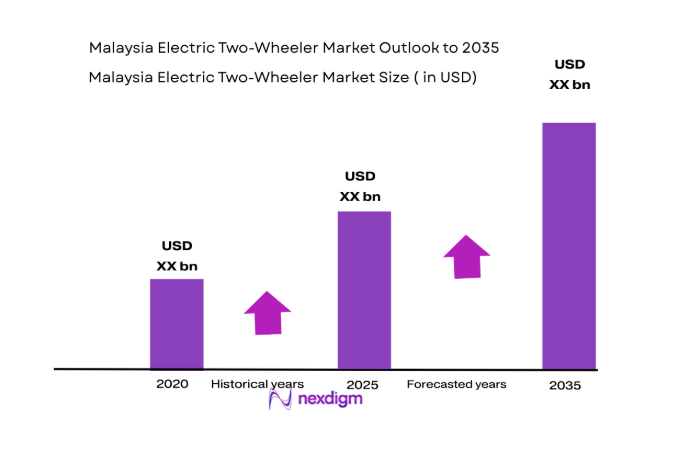
The Malaysia Electric Two-Wheeler Market is expected to experience significant growth, with a market size of approximately USD ~ million based on recent historical assessments. This growth is fueled by government incentives, increasing urbanization, and a growing demand for environmentally friendly transportation. As the adoption of electric vehicles rises, more consumers are shifting to electric two-wheelers due to their lower operational costs, reduced environmental impact, and the push for sustainability. Furthermore, an expanding charging infrastructure and advancements in battery technology are contributing to the market’s development, making electric two-wheelers more accessible to consumers.
The dominant regions within the market include Kuala Lumpur, Penang, and other major urban areas where demand for electric two-wheelers is high. These cities benefit from well-developed transportation networks, government support for electric mobility, and a high level of environmental awareness among the population. The focus on reducing carbon emissions and promoting green transportation solutions in these areas further strengthens their position in the market, positioning Malaysia as a key player in the Southeast Asian electric vehicle industry.
Market Segmentation
By Product Type
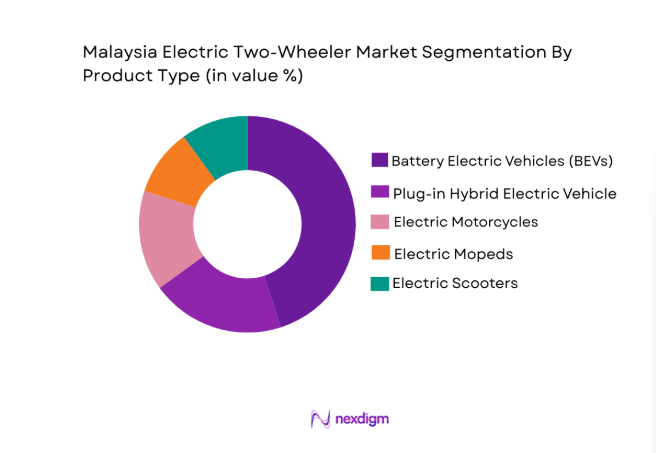
The Malaysia Electric Two-Wheeler Market is segmented by product type into battery electric vehicles (BEVs), plug-in hybrid electric vehicles (PHEVs), electric motorcycles, electric mopeds, and electric scooters. The BEV segment holds a dominant share in the market, primarily due to consumer preference for fully electric vehicles that offer significant reductions in carbon emissions, long-term cost savings, and a sustainable alternative to conventional gasoline-powered vehicles. The presence of leading BEV manufacturers, supported by government incentives and rebates, further strengthens its market dominance. The rise in urbanization, with the demand for more eco-friendly transportation options, contributes significantly to the market’s growth. Additionally, the continued improvement in battery technology, leading to longer ranges and faster charging times, bolsters the appeal of BEVs.
By Platform Type
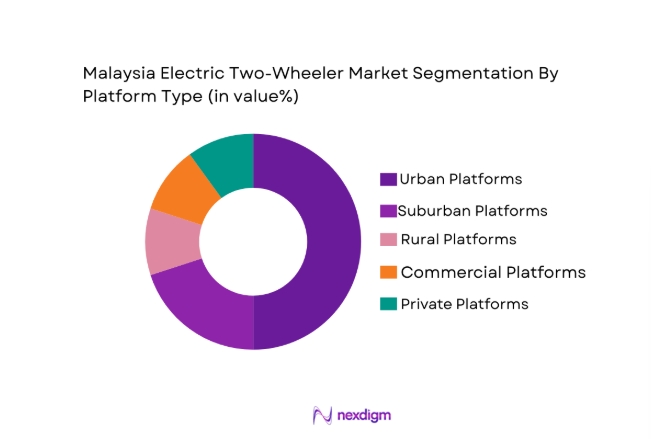
The market is further segmented by platform type, which includes urban platforms, suburban platforms, rural platforms, commercial platforms, and private platforms. Urban platforms dominate the market, with rapid urbanization driving the demand for electric two-wheelers. These platforms benefit from factors like traffic congestion, which encourages the adoption of more efficient, eco-friendly vehicles. Moreover, cities with well-established charging infrastructure, like Kuala Lumpur, further boost the demand for electric two-wheelers, as commuters opt for convenient and sustainable transportation solutions. The high level of awareness of environmental issues and the government’s push for green technologies also contribute to the urban platform’s dominance in the market.
Competitive Landscape
The Malaysia Electric Two-Wheeler Market is highly competitive, characterized by the presence of global and local manufacturers striving to expand their market reach. Companies are increasingly investing in R&D to improve the performance, cost-effectiveness, and sustainability of electric two-wheelers. Partnerships with government bodies to enhance charging infrastructure also play a crucial role in shaping the competitive landscape. Major players in the market are focused on increasing their production capacity and forming strategic alliances to maintain a competitive edge.
| Company Name | Establishment Year | Headquarters | Technology Focus | Market Reach | Key Products | Revenue | Additional Parameter |
| Yadea Group | 2001 | China | ~ | ~ | ~ | ~ | ~ |
| NIU Technologies | 2014 | China | ~ | ~ | ~ | ~ | ~ |
| Gogoro | 2011 | Taiwan | ~ | ~ | ~ | ~ | ~ |
| Hero Electric | 2007 | India | ~ | ~ | ~ | ~ | ~ |
| Kymco | 1963 | Taiwan | ~ | ~ | ~ | ~ | ~ |
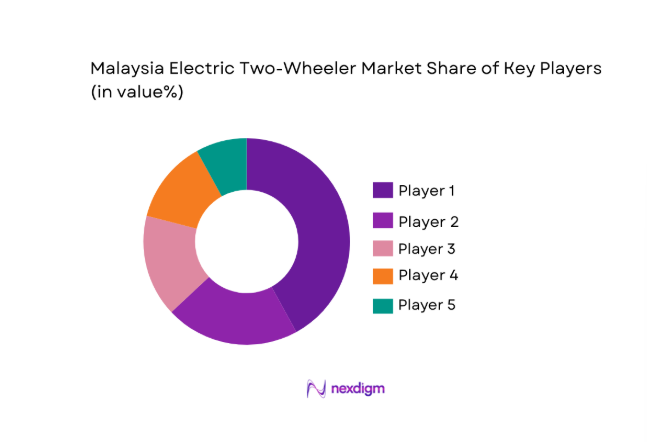
Malaysia Electric Two-Wheel Market Analysis
Growth Drivers
Government Support for Electric Mobility
Government incentives and policies aimed at reducing carbon emissions and promoting clean energy are major growth drivers in the Malaysian electric two-wheeler market. The government has introduced subsidies, tax rebates, and other benefits for consumers who choose electric vehicles. This has led to a surge in consumer interest, as the initial high cost of electric vehicles is mitigated by these financial incentives. Moreover, the government’s commitment to reducing greenhouse gas emissions through green technology investments is contributing to a shift towards electric mobility. As urbanization increases, electric two-wheelers are becoming a preferred mode of transport due to their cost-effectiveness and low environmental impact. Local authorities are also working towards building the necessary infrastructure, such as charging stations, to make electric two-wheelers more accessible to the general public. The government’s role in supporting electric mobility is not only boosting the market for electric two-wheelers but also fostering sustainable urban transport solutions. Additionally, policies to encourage the shift from traditional vehicles to electric alternatives are expected to create long-term growth in the electric two-wheeler market.
Increasing Environmental Awareness
The growing awareness of environmental issues is another key growth driver. Consumers are becoming more conscious of the harmful effects of traditional gasoline-powered vehicles on the environment, including air pollution and carbon emissions. This shift in consumer behavior is leading to increased demand for sustainable and eco-friendly transport solutions like electric two-wheelers. Electric vehicles, particularly electric two-wheelers, offer a cleaner alternative that reduces the carbon footprint and contributes to cleaner urban environments. With the support of environmental organizations and green advocates, the market for electric two-wheelers is expected to see continued growth as eco-conscious consumers opt for electric vehicles. Additionally, government programs and subsidies focused on reducing environmental impact have encouraged consumers to make the switch to electric vehicles. As public concern over climate change continues to rise, electric two-wheelers are well-positioned to capitalize on the demand for sustainable transportation options, further contributing to market expansion.
Market Challenges
Infrastructure Limitations for Charging
One of the primary challenges facing the Malaysia Electric Two-Wheeler Market is the inadequate charging infrastructure. Despite growing interest in electric two-wheelers, the lack of widespread, accessible charging stations remains a significant barrier to market growth. Urban areas with higher concentrations of electric two-wheeler users are more likely to have sufficient charging infrastructure, but rural and suburban areas still face challenges in this regard. This limits the adoption of electric vehicles in these regions, as consumers may hesitate to purchase electric two-wheelers due to concerns about the availability of charging points. Furthermore, the slow expansion of charging stations across the country has led to a perception of inconvenience among potential buyers. To address this challenge, significant investment in charging infrastructure is necessary to ensure that consumers feel confident in switching to electric two-wheelers. The government and private sector must collaborate to build a comprehensive network of charging stations, ensuring that both urban and rural users have access to reliable and convenient charging options.
High Initial Costs
While electric two-wheelers offer long-term savings due to lower operational costs, their initial purchase price remains a significant hurdle for many consumers. The high upfront cost of electric two-wheelers, driven by expensive battery technologies and sophisticated systems, makes them less affordable compared to conventional gasoline-powered bikes. This pricing disparity limits the accessibility of electric two-wheelers to certain segments of the population, especially those in lower-income groups. Despite the availability of government subsidies and incentives, the overall cost of electric two-wheelers remains high, especially for high-performance models. Moreover, the cost of maintaining and replacing batteries over the vehicle’s lifespan is an additional financial concern for consumers. As a result, price-sensitive consumers may opt for more affordable gasoline-powered alternatives instead. To overcome this challenge, manufacturers must focus on reducing the cost of electric two-wheelers through technological innovations and economies of scale. Additionally, increasing the availability of affordable entry-level models will help make electric two-wheelers more accessible to a wider range of consumers.
Opportunities
Expansion of Charging Infrastructure
One of the most significant opportunities for the Malaysian electric two-wheeler market is the expansion of charging infrastructure. As the adoption of electric two-wheelers continues to rise, the demand for reliable and widespread charging networks will also grow. This presents a valuable opportunity for both public and private sector stakeholders to invest in the creation of a comprehensive network of charging stations. Urban areas are likely to see the fastest expansion of charging infrastructure, but rural and suburban regions should not be overlooked. The expansion of charging infrastructure will alleviate one of the main concerns consumers have about electric two-wheelers—range anxiety. With more charging stations available across the country, electric two-wheeler owners will have greater confidence in their ability to charge their vehicles when needed. Additionally, the development of fast-charging technology could significantly reduce charging times, further increasing the appeal of electric two-wheelers. This opportunity will not only support the growth of the electric two-wheeler market but also help reduce the environmental impact of transportation, contributing to the country’s sustainability goals.
Collaborations with Ride-Hailing Companies
Another promising opportunity lies in forming collaborations with ride-hailing companies, such as Grab and Gojek. These companies are increasingly looking for sustainable solutions to reduce their carbon footprint and meet growing consumer demand for eco-friendly services. By integrating electric two-wheelers into their fleets, ride-hailing companies can significantly reduce their environmental impact while offering consumers a greener transportation option. This partnership will also provide ride-hailing companies with cost savings in terms of fuel and maintenance, as electric two-wheelers are cheaper to operate than traditional gasoline-powered bikes. Additionally, the adoption of electric two-wheelers by ride-hailing companies will help normalize their use among consumers, further increasing market penetration. For manufacturers, partnering with ride-hailing companies provides a steady demand for electric two-wheelers, driving growth in the sector. With the global trend towards cleaner, greener transportation options, this opportunity is poised to play a key role in expanding the electric two-wheeler market in Malaysia.
Future Outlook
The Malaysia Electric Two-Wheeler Market is expected to experience strong growth over the next five years. Key drivers such as government incentives, environmental awareness, and technological advancements will continue to fuel the market’s expansion. The growing urbanization of cities will create further demand for efficient, eco-friendly transportation options, while innovations in battery technology and charging infrastructure will improve the overall consumer experience. Furthermore, regulatory support aimed at reducing carbon emissions and enhancing sustainability will contribute to the growth of the electric two-wheeler market, positioning Malaysia as a leader in Southeast Asia’s green mobility movement.
Major Players
- YadeaGroup
- NIU Technologies
- Gogoro
- Hero Electric
- Kymco
- Zero Motorcycles
- Piaggio
- BMW Motorrad
- Honda
- Vespa
- Zontes
- Ecoscooter
- Sundiro
- Sur-Ron
- Xiaomi
Key Target Audience
- Investments and venture capitalist firms
- Government and regulatory bodies
- Electric vehicle manufacturers
- Battery manufacturers
- Automotive distributors and dealers
- Charging station infrastructure providers
- Sustainable transportation advocacy groups
- Retailers of electric two-wheelers
Research Methodology
Step 1: Identification of Key Variables
Identification of critical market factors, including trends, consumer behavior, and infrastructure development, to assess the electric two-wheeler market.
Step 2: Market Analysis and Construction
In-depth analysis of historical data, current market conditions, and segment performance to build a comprehensive market framework.
Step 3: Hypothesis Validation and Expert Consultation
Consultation with industry experts and stakeholders to validate hypotheses and refine market projections based on real-world insights.
Step 4: Research Synthesis and Final Output
Final synthesis of collected data to develop actionable market insights and forecasts, resulting in a detailed market report.

- Executive Summary
- Research Methodology (Definitions, Scope, Industry Assumptions, Market Sizing Approach, Primary & Secondary Research Framework, Data Collection & Verification Protocol, Analytic Models & Forecast Methodology, Limitations & Research Validity Checks)

- Market Definition and Scope
- Value Chain & Stakeholder Ecosystem
- Regulatory / Certification Landscape
- Sector Dynamics Affecting Demand
- Strategic Initiatives & Infrastructure Growth

- Growth Drivers
Government Incentives for Electric Mobility
Increase in Urbanization and Traffic Congestion
Environmental Sustainability Initiatives
Technological Advancements in EV Batteries
Rising Fuel Prices and Fuel Efficiency Concerns - Market Challenges
High Initial Purchase Cost
Lack of Charging Infrastructure
Consumer Perception of Electric Vehicles
Battery Lifecycle and Performance Issues
Limited Range of Electric Two-Wheelers - Market Opportunities
Expansion of Charging Infrastructure
Government and Corporate Partnerships
Growth in Commercial Electric Two-Wheelers - Trends
Rising Adoption of Electric Scooters
Integration of AI in Electric Vehicle Systems
Innovations in Fast-charging Technologies
Increase in Shared Mobility Services
Advancements in Smart Connectivity for EVs - Government Regulations & Defense Policy
Electric Vehicle Incentives and Subsidies
Emission Reduction Targets and Policies
Regulations for Charging Infrastructure Development - SWOT Analysis
- Stakeholder and Ecosystem Analysis
- Porter’s Five Forces Analysis
- Competition Intensity and Ecosystem Mapping

- By Market Value, 2020-2025
- By Installed Units, 2020-2025
- By Average System Price, 2020-2025
- By System Complexity Tier, 2020-2025

- By System Type (In Value%)
Battery Electric Vehicles (BEVs)
Plug-in Hybrid Electric Vehicles (PHEVs)
Electric Mopeds
Electric Motorcycles
Electric Scooters - By Platform Type (In Value%)
Urban Platforms
Suburban Platforms
Rural Platforms
Commercial Platforms
Private Platforms - By Fitment Type (In Value%)
OEM Solutions
Aftermarket Solutions
Integrated Solutions
Custom Solutions
Conversion Kits - By End User Segment (In Value%)
Personal Users
Commercial Delivery Fleets
Ride-hailing Operators
Tourism and Leisure Providers
Government and Public Sector Fleets

- Market structure and competitive positioning
Market share snapshot of major players - Cross Comparison Parameters (System Type, Platform Type, Procurement Channel, End User Segment, Fitment Type)
- SWOT Analysis of Key Competitors
- Pricing & Procurement Analysis
- Key Players
Yadea Group
Gogoro
NIU Technologies
Xiaomi
Zontes
Vespa
BMW Motorrad
Honda
Kymco
Zero Motorcycles
Piaggio
Hero Electric
Ecoscooter
Sundiro
Sur-Ron

- Personal Consumers Seeking Cost Efficiency
- Commercial Fleets Prioritizing Sustainability
- Government Adoption of Green Mobility Solutions
- Tourism Sector Increasing Use of Electric Vehicles

- Forecast Market Value, 2026-2035
- Forecast Installed Units, 2026-2035
- Price Forecast by System Tier, 2026-2035
- Future Demand by Platform, 2026-2035


 Request a Sample
 Ask for Customization
 Get a Quote
 Enquire Now