
 Download PDF
 Download PDF
Market Overview
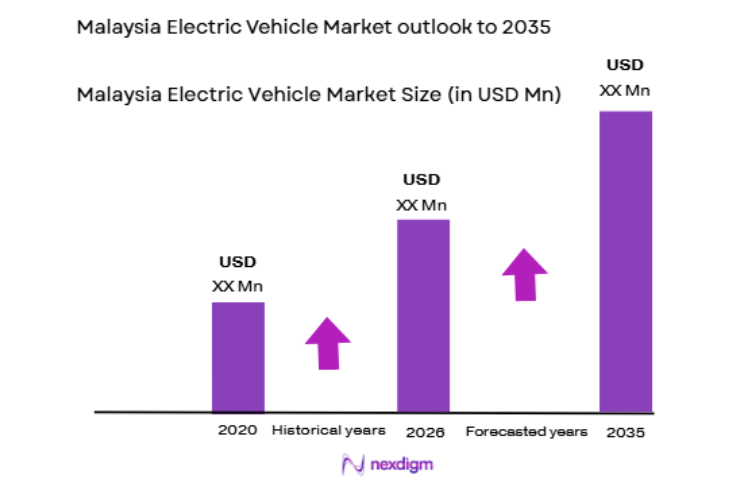
The Malaysia electric vehicle (EV) market is valued at approximately USD ~ million, driven by the increasing demand for eco-friendly transportation solutions, government incentives, and the country’s commitment to reducing carbon emissions. As the Malaysian government intensifies efforts to adopt sustainable mobility solutions through subsidies and the development of EV infrastructure, the market is expected to witness significant growth. Technological advancements in EVs, including battery improvements and cost reductions, further support the market’s expansion.
Malaysia’s dominance in the Southeast Asian EV market is largely driven by its robust automotive industry, strategic geographic location, and government support for green technologies. Cities like Kuala Lumpur and Penang lead in EV adoption due to their dense populations and the presence of a growing EV infrastructure network. Additionally, Malaysia’s active participation in international climate agreements and its focus on reducing environmental impact provide a favorable environment for EV market growth.
Market Segmentation
By Vehicle Type
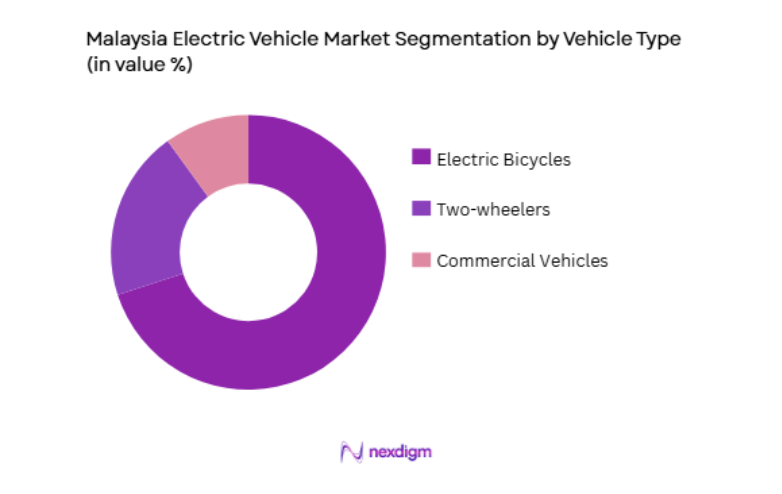
The Malaysia EV market is segmented by vehicle type into passenger cars, two-wheelers, and commercial vehicles. Passenger cars hold the dominant market share, primarily due to government incentives, tax rebates, and growing consumer interest in environmentally friendly mobility. The Malaysian government has also focused on developing the infrastructure for electric car charging stations, which facilitates the transition from traditional gasoline vehicles to electric vehicles. As electric passenger cars become more affordable and convenient, they continue to attract a larger consumer base, driving the growth of the market in this segment.
By Charging Infrastructure
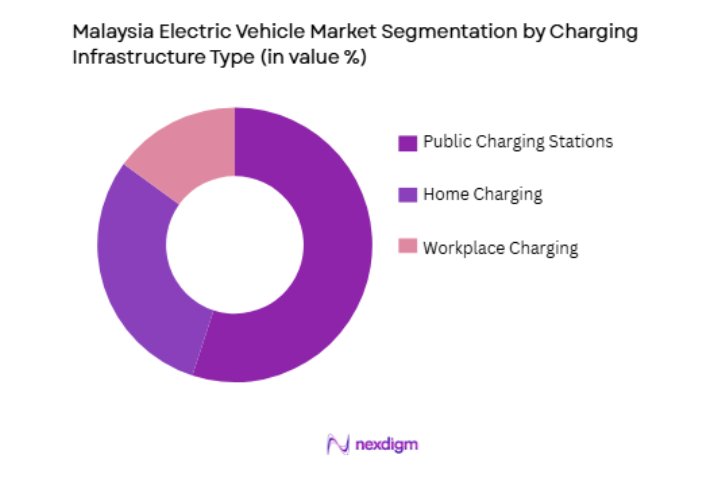
The Malaysia EV market is segmented by charging infrastructure into home charging, public charging stations, and workplace charging. Public charging stations dominate the market due to the increasing number of EVs on the road and the need for accessible charging infrastructure. The government has been actively investing in public charging networks, particularly in urban areas, to ensure that EV owners have reliable access to charging stations. This segment is expected to continue growing as more drivers transition to electric vehicles, thereby increasing the demand for publicly available charging solutions.
Competitive Landscape
The competitive landscape of the Malaysia EV market is evolving with both international players like Tesla, BYD, and Nissan entering the market, alongside local manufacturers like Proton and Perodua expanding their electric vehicle offerings. The market is highly competitive as these players focus on providing affordable, efficient, and high-performance electric vehicles to meet the growing demand. As EV adoption increases, local automakers are also forging partnerships with battery manufacturers and government bodies to ensure a robust infrastructure for electric vehicle deployment in the country.
| Company Name | Establishment Year | Headquarters | Technology Focus | Market Reach | Key Products | Revenue (USD Million) | Additional Market-Specific Parameter |
| Tesla | 2003 | Palo Alto, USA | ~ | ~ | ~ | ~ | ~ |
| BYD | 1995 | Shenzhen, China | ~ | ~ | ~ | ~ | ~ |
| Nissan | 1933 | Yokohama, Japan | ~ | ~ | ~ | ~ | ~ |
| Proton | 1983 | Shah Alam, Malaysia | ~ | ~ | ~ | ~ | ~ |
| Perodua | 1993 | Kuala Lumpur, Malaysia | ~ | ~ | ~ | ~ | ~ |
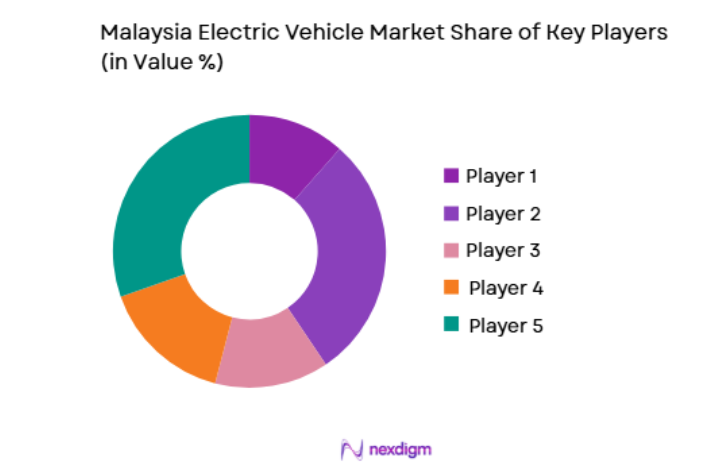
Malaysia Electric Vehicle Market Analysis
Growth Drivers
Government Incentives and Policies
One of the major growth drivers in the Malaysia EV market is the government’s strong support for sustainable transportation. The Malaysian government has introduced several policies and incentives, such as tax exemptions and rebates for electric vehicle buyers, to promote the adoption of EVs. These incentives make EVs more affordable for consumers and provide a financial boost to automakers. Additionally, the government has implemented infrastructure plans to build a nationwide network of EV charging stations, which increases convenience for consumers and makes owning an electric vehicle more viable. The government’s active involvement in promoting green mobility, coupled with its targets for reducing carbon emissions, creates a conducive environment for the electric vehicle market to flourish.
Technological Advancements in EV Batteries
Another important growth driver for the Malaysian EV market is the continuous improvement in battery technology, particularly in terms of energy density, charging speed, and cost. Battery improvements are crucial for enhancing the range and performance of electric vehicles, which is a key factor in consumer adoption. Lower costs for EV batteries also contribute to reducing the overall price of electric vehicles, making them more competitive with traditional gasoline-powered vehicles. As battery technology continues to improve, consumers are more likely to make the switch to electric vehicles, which will further accelerate market growth. Additionally, local manufacturing of EV batteries and collaborations between battery makers and automakers in Malaysia will help further reduce costs and enhance the accessibility of electric vehicles.
Market Challenges
High Initial Cost of EVs
Despite the government’s efforts to make EVs more affordable through incentives and rebates, the initial cost of electric vehicles remains a significant challenge for many consumers in Malaysia. Electric vehicles, especially those with longer ranges and better performance, are still relatively expensive compared to traditional gasoline-powered cars. The high upfront cost, even with subsidies, may deter some consumers from making the switch to electric vehicles, limiting the market’s overall growth. To overcome this challenge, automakers need to focus on cost reduction strategies, such as economies of scale, improved battery technology, and local production of EV components, which could bring prices down further.
Charging Infrastructure Development
While Malaysia is making strides in expanding its EV charging infrastructure, the availability of charging stations still poses a challenge for widespread EV adoption. In many areas, especially outside urban centers, the charging infrastructure is not yet sufficiently developed to support a large number of electric vehicles. For consumers to fully embrace electric vehicles, there needs to be a widespread network of fast-charging stations to ensure that EV owners can recharge their vehicles conveniently. The government and private sector must continue to invest in the development of charging stations and the improvement of charging technologies to alleviate range anxiety and ensure the long-term growth of the EV market in Malaysia.
Opportunities
Growth of Electric Two-Wheelers
One significant opportunity in the Malaysian EV market is the growing demand for electric two-wheelers, such as electric scooters and e-bikes. Electric two-wheelers are an affordable and efficient alternative to traditional transportation, especially for short commutes in urban areas. With the increase in urbanization and traffic congestion, consumers are looking for more flexible, cost-effective, and eco-friendly transportation options. As the demand for electric two-wheelers grows, the market presents opportunities for new entrants to provide affordable electric two-wheelers, and for existing automakers to expand their portfolios to cater to this emerging segment. Additionally, government incentives for electric two-wheeler buyers could further support the growth of this segment.
Expansion of Electric Commercial Vehicles
Another significant opportunity for the Malaysian EV market lies in the growing adoption of electric commercial vehicles, including buses, trucks, and delivery vans. As the country focuses on reducing emissions from its commercial fleet, the demand for electric vehicles in the logistics and public transportation sectors is expected to rise. The government’s commitment to clean energy solutions and its push for sustainable urban mobility offer a favorable environment for the adoption of electric commercial vehicles. Furthermore, as battery technology improves, the total cost of ownership for electric commercial vehicles will decrease, making them more attractive to fleet operators. The expansion of electric commercial vehicles represents a major growth area for the Malaysian EV market, with long-term opportunities in public transportation and logistics.
Future Outlook
The future outlook for the Malaysia electric vehicle market is highly promising, driven by the continued government support, growing consumer demand for sustainable transportation options, and advancements in EV technology. The government’s efforts to incentivize EV adoption, along with the development of a comprehensive EV charging infrastructure, will play a crucial role in expanding the market. As battery technology improves and production costs decrease, electric vehicles will become more affordable for consumers, further driving adoption. With increased focus on sustainable urban mobility, the Malaysia EV market is set for steady growth over the next few years.
Major Players
- Tesla
- BYD
- Nissan
- Proton
- Perodua
- Geely
- BMW
- Hyundai
- Volkswagen
- Toyota
- Mercedes-Benz
- Audi
- Honda
- Kia
- Ford
Key Target Audience
- Investments and venture capitalist firms
- Government and regulatory bodies
- Automotive manufacturers
- Charging infrastructure providers
- Car dealerships and fleet operators
- Environmental organizations
- EV-related technology companies
- Battery manufacturers
Research Methodology
Step 1: Identification of Key Variables
Key variables such as government policies, battery technologies, consumer demand, and infrastructure development are identified to understand the dynamics of the electric vehicle market in Malaysia.
Step 2: Market Analysis and Construction
Comprehensive market analysis is conducted by evaluating the demand for electric vehicles, key market segments, and the growth drivers, challenges, and opportunities within the market.
Step 3: Hypothesis Validation and Expert Consultation
Market assumptions are validated through expert consultations with industry professionals, such as car manufacturers, government officials, and charging infrastructure providers, to ensure the accuracy of the data.
Step 4: Research Synthesis and Final Output
The data collected through primary and secondary research is synthesized into a comprehensive report that provides insights into the market’s growth trajectory and forecasts for future trends.

- Executive Summary
- Research Methodology (Definitions, Scope, Industry Assumptions, Market Sizing Approach, Primary & Secondary Research Framework, Data Collection & Verification Protocol, Analytic Models & Forecast Methodology, Limitations & Research Validity Checks)

- Market Definition and Scope
- Value Chain & Stakeholder Ecosystem
- Regulatory / Certification Landscape
- Sector Dynamics Affecting Demand

- Growth Drivers
Government Incentives for Electric Vehicle Adoption
Rising Consumer Awareness of Environmental Issues
Technological Advancements in EV Batteries - Market Challenges
High Initial Costs of Electric Vehicles
Limited Charging Infrastructure
Range Anxiety - Market Opportunities
Development of EV Charging Infrastructure
Incentives for EV Fleets
Expansion of Public and Private Sector EV Initiatives - Trends
Rise in Adoption of EVs in Urban Areas
Growth of Electric Two-Wheelers - Government Regulations
- SWOT Analysis
- Porter’s Five Forces

- By Market Value, 2020-2025
- By Installed Units, 2020-2025
- By Average System Price, 2020-2025
- By System Complexity Tier, 2020-2025

- By System Type (In Value%)
Battery Electric Vehicles (BEVs)
Plug-in Hybrid Electric Vehicles (PHEVs)
Hybrid Electric Vehicles (HEVs)
Fuel Cell Electric Vehicles (FCEVs)
Electric Commercial Vehicles - By Platform Type (In Value%)
Passenger Electric Vehicles
Electric Two-Wheelers
Electric Buses
Electric Trucks
Electric Taxis - By Fitment Type (In Value%)
OEM Electric Vehicles
Aftermarket Electric Vehicle Conversions
Hybrid to Electric Vehicle Conversions
Battery Swap Stations - By End User Segment (In Value%)
Individual Consumers
Fleet Operators
Government and Public Sector
Corporate Fleets

- Market Share Analysis
- Cross Comparison Parameters (Battery Type, Platform Type, Charging Speed, Vehicle Type, Price, Range per Charge, Charging Infrastructure Compatibility, Motor Power, Charging Time, Warranty Period)
- SWOT Analysis of Key Competitors
- Pricing & Procurement Analysis
- Key Players
BYD Company
Tesla
Nissan Motor Co.
BMW Group
Honda Motor Co.
Proton Holdings
Perodua
Toyota Motor Corporation
Mitsubishi Motors
Geely Automobile
Volvo Cars
Volkswagen Group
LG Chem
Panasonic Corporation
Calb Group

- Increased Demand from Government for Public EV Fleets
- Growing Popularity of EVs Among Urban Commuters
- Corporate Fleets Shifting to Electric Vehicles
- Adoption of EVs in Public Transport

- Forecast Market Value, 2026-2035
- Forecast Installed Units, 2026-2035
- Price Forecast by System Tier, 2026-2035
- Future Demand by Platform, 2026-2035


 Request a Sample
 Ask for Customization
 Get a Quote
 Enquire Now