
 Download PDF
 Download PDF
Market Overview
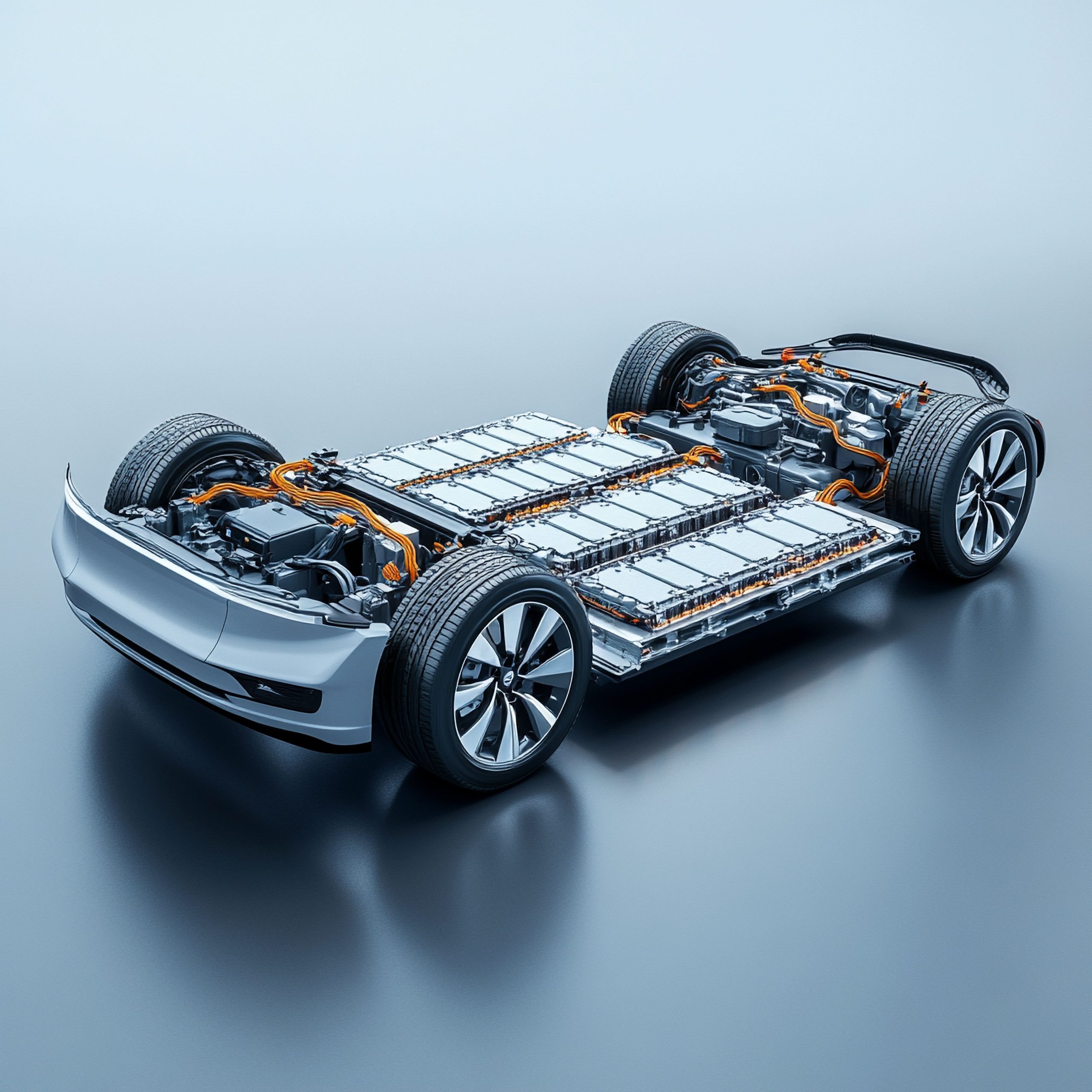
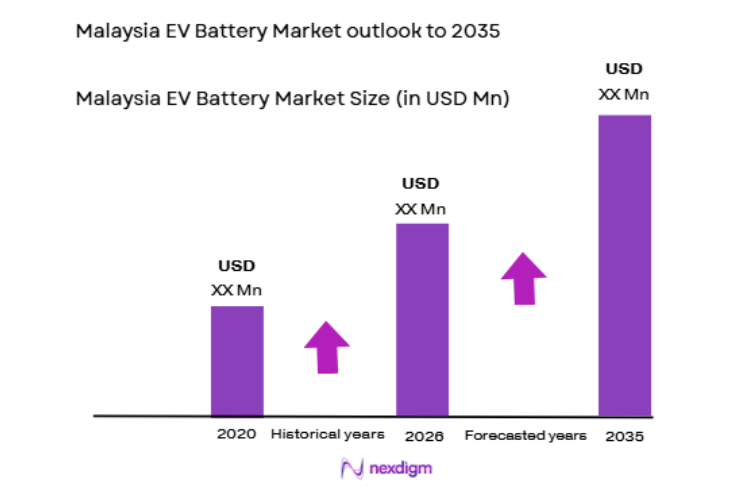
The Malaysia EV Battery market is driven by the country’s increasing demand for electric vehicles (EVs) and the government’s strong push towards sustainable transportation solutions. The market is expected to reach approximately USD ~ million based on a recent historical assessment, fueled by rising consumer interest in green technologies, government incentives for EV adoption, and investments in EV infrastructure. These factors, along with technological advancements in battery efficiency and reduced costs, are propelling the growth of the EV battery market.
Malaysia’s dominance in the EV battery sector is largely attributed to its strategic positioning as a key player in the ASEAN region, benefiting from its strong manufacturing base and government policies supporting green energy initiatives. Major urban centers, such as Kuala Lumpur and Penang, are expected to lead market growth due to their developed infrastructure and increasing EV adoption. The availability of charging stations and the growing interest from local automotive manufacturers are further solidifying Malaysia’s position in the region’s EV market.
Market Segmentation
By Product Type
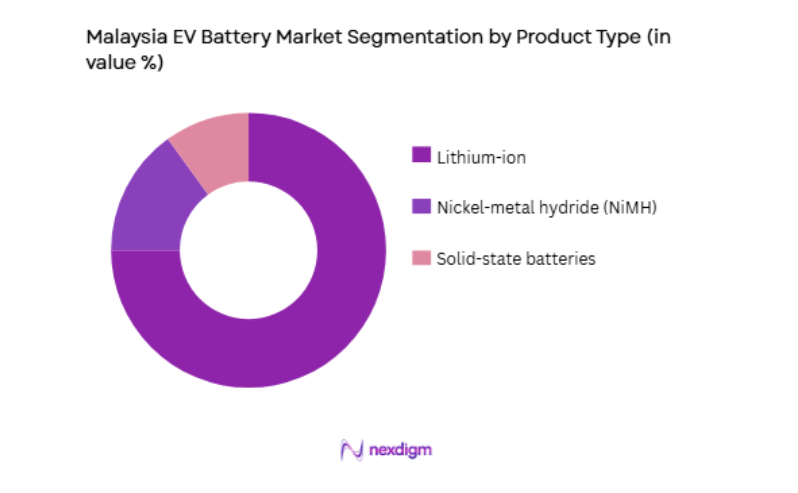
The Malaysia EV Battery market is segmented by product type into lithium-ion, nickel-metal hydride (NiMH), and solid-state batteries. Recently, lithium-ion batteries have a dominant market share due to their high energy density, longer lifespan, and widespread use in electric vehicles. The significant reduction in production costs, combined with advancements in battery technology, has made lithium-ion batteries the preferred choice for manufacturers. Furthermore, the infrastructure to support lithium-ion battery-powered vehicles is expanding, making them increasingly accessible to consumers.
By Charging Type
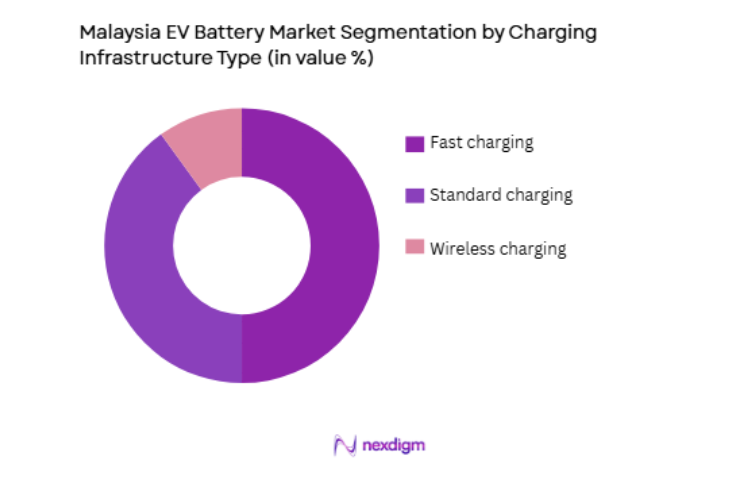
The Malaysia EV Battery market is segmented by charging type into fast charging, standard charging, and wireless charging systems. Recently, fast charging has gained a dominant market share due to the growing consumer demand for reduced charging times and the convenience of rapid charging infrastructure. Fast charging stations are being rapidly deployed across urban areas to cater to this demand, and improvements in charging technology are enabling faster energy transfer while reducing costs. The expansion of fast-charging networks is essential to the widespread adoption of electric vehicles in Malaysia.
Competitive Landscape
The competitive landscape of the Malaysia EV Battery market is dominated by both local and international players. The sector is undergoing a phase of consolidation, with mergers and acquisitions enabling companies to strengthen their technological capabilities and increase production capacity. The increasing competition from global manufacturers is pushing local companies to invest in R&D and innovate to stay competitive. Major players in the market are also focusing on expanding their presence in the ASEAN region, leveraging Malaysia’s strategic location and favorable policies.
| Company Name | Establishment Year | Headquarters | Technology Focus | Market Reach | Key Products | Revenue (USD) | Market-specific Parameter |
| Tesla | 2003 | USA | ~ | ~ | ~ | ~ | ~ |
| Panasonic | 1918 | Japan | ~ | ~ | ~ | ~ | ~ |
| BYD | 1995 | China | ~ | ~ | ~ | ~ | ~ |
| LG Chem | 1947 | South Korea | ~ | ~ | ~ | ~ | ~ |
| CATL | 2011 | China | ~ | ~ | ~ | ~ | ~ |
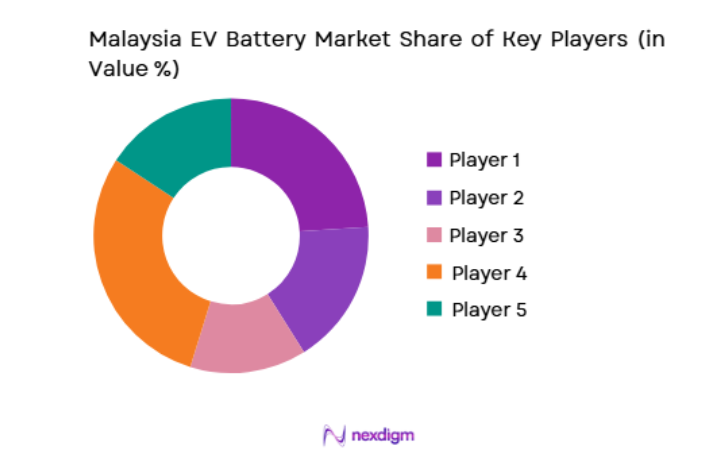
Malaysia EV Battery Market Analysis
Growth Drivers
Government Incentives for EV Adoption
The Malaysian government has introduced various incentives to accelerate EV adoption, including tax breaks and subsidies for EV manufacturers and consumers. These initiatives are driving the demand for electric vehicles and, in turn, the EV battery market. As the government works towards a goal of reducing carbon emissions, these incentives are expected to continue fueling market growth. This regulatory support for EVs significantly reduces the overall cost of EV ownership, making them more attractive to a broader consumer base. Additionally, the government’s push towards clean energy is encouraging local manufacturers to shift to electric vehicle production, further promoting the demand for EV batteries.
Technological Advancements in EV Batteries
Technological advancements in battery efficiency, energy density, and charging speed are driving the EV battery market. Lithium-ion batteries, in particular, are benefiting from continuous improvements, making them more efficient and cost-effective. As battery technology advances, the overall cost of EVs is decreasing, making them more affordable for consumers. The development of faster-charging technologies and improvements in battery lifespan are also contributing to the broader adoption of EVs. These advancements are expected to drive long-term growth for the market as consumers become more confident in the reliability and convenience of EVs powered by advanced battery technologies.
Market Challenges
High Initial Investment Costs
The initial investment in EV batteries remains one of the biggest challenges for the market, particularly in a developing economy like Malaysia. The high cost of lithium-ion batteries contributes significantly to the overall price of electric vehicles, making them less accessible to the average consumer. Despite the availability of government incentives, the upfront cost of EVs continues to be a barrier to mass adoption. This challenge is compounded by the high cost of establishing the necessary charging infrastructure, which further adds to the cost of owning an EV. Until significant reductions in the price of EV batteries are achieved, this challenge will continue to impede broader adoption.
Battery Recycling and Disposal Issues
Another significant challenge facing the EV battery market in Malaysia is the issue of battery recycling and disposal. The increasing number of electric vehicles on the road will result in a rising demand for battery disposal and recycling solutions. The lack of an efficient and widespread battery recycling system poses environmental risks, as improper disposal of batteries can lead to hazardous chemical leakage. The lack of a clear regulatory framework around battery recycling and disposal also hinders the development of a sustainable solution. As the market grows, there will be an increasing need for efficient recycling technologies to mitigate the environmental impact of battery waste.
Opportunities
Collaborations with Local Manufacturers
The growing demand for EVs presents an opportunity for EV battery manufacturers to collaborate with local automotive manufacturers in Malaysia. These partnerships can lead to the development of locally-produced EV batteries, which could help lower costs and increase production capacity. By establishing manufacturing facilities in Malaysia, global players can take advantage of lower labor costs and access to the ASEAN market. These collaborations will not only provide opportunities for local manufacturers but also strengthen the EV ecosystem in the region. Additionally, the shift towards locally sourced batteries aligns with the Malaysian government’s push for sustainability and clean energy solutions.
Expansion of Charging Infrastructure
The expansion of charging infrastructure in Malaysia presents a significant opportunity for the EV battery market. As more charging stations are established across the country, the convenience of owning an electric vehicle will improve, which will drive up demand for EVs and, consequently, EV batteries. Government initiatives aimed at promoting EV infrastructure development are likely to continue, with substantial investments expected in the coming years. With more charging points available in urban and rural areas, consumers will have greater confidence in switching to electric vehicles, thus driving the demand for batteries. This growing infrastructure is an essential enabler for the long-term success of the EV market.
Future Outlook
The future of the Malaysia EV battery market looks promising, with significant growth anticipated over the next five years. Technological advancements in battery efficiency and reductions in production costs are expected to continue, driving down the overall cost of EVs. Government incentives and the development of EV infrastructure will also contribute to increased adoption. In the coming years, the market is expected to see more local players entering the sector, and collaborations between automotive and battery manufacturers will become increasingly common. With a focus on sustainability and clean energy, the EV battery market in Malaysia is poised for long-term success.
Major Players
- Tesla
- Panasonic
- BYD
- LG Chem
- CATL
- Samsung SDI
- SK Innovation
- Contemporary Amperex Technology Co.
- A123 Systems
- Johnson Controls
- GS Yuasa
- Farasis Energy
- CALB
- VARTA
- Nio
Key Target Audience
- Investments and venture capitalist firms
- Government and regulatory bodies
- Electric vehicle manufacturers
- Automotive OEMs
- Battery manufacturers
- Charging infrastructure providers
- Energy companies
- Green technology advocates
Research Methodology
Step 1: Identification of Key Variables
The market’s key variables, such as government policies, technological advancements, and consumer adoption rates, are identified and analyzed to understand their impact on the EV battery market.
Step 2: Market Analysis and Construction
Detailed analysis is conducted based on primary and secondary data sources to construct a clear market model that covers market size, trends, and future projections.
Step 3: Hypothesis Validation and Expert Consultation
Industry experts are consulted to validate assumptions and market predictions, ensuring the reliability and relevance of the findings.
Step 4: Research Synthesis and Final Output
The findings from various analyses are synthesized to provide actionable insights and a comprehensive market report for stakeholders in the EV battery industry.

- Executive Summary
- Research Methodology (Definitions, Scope, Industry Assumptions, Market Sizing Approach, Primary & Secondary Research Framework, Data Collection & Verification Protocol, Analytic Models & Forecast Methodology, Limitations & Research Validity Checks)

- Market Definition and Scope
- Value Chain & Stakeholder Ecosystem
- Regulatory / Certification Landscape
- Sector Dynamics Affecting Demand

- Growth Drivers
Government Incentives for Electric Vehicle Adoption
Rapid Expansion of Electric Vehicle Manufacturing
Advancements in Lithium Ion Battery Technology - Market Challenges
High Battery Production and Raw Material Costs
Dependence on Imported Battery Cells and Materials
Battery Recycling and End of Life Management Issues - Market Opportunities
Development of Local EV Battery Manufacturing Ecosystem
Expansion of Battery Recycling and Second Life Applications
Partnerships with Global Battery Technology Providers - Trends
Shift Toward Lithium Iron Phosphate Battery Technology
Growing Focus on Battery Swapping Infrastructure - Government Regulations
- SWOT Analysis
- Porter’s Five Forces

- By Market Value, 2020-2025
- By Installed Units, 2020-2025
- By Average System Price, 2020-2025
- By System Complexity Tier, 2020-2025

- By System Type (In Value%)
Lithium-Ion Battery Packs
Nickel Metal Hydride Batteries
Lithium Iron Phosphate Batteries
Solid-State Batteries
Lead Acid Batteries - By Platform Type (In Value%)
Passenger Electric Vehicles
Electric Two Wheelers
Electric Commercial Vehicles
Electric Buses
Electric Light Commercial Vehicles - By Fitment Type (In Value%)
OEM Factory Installed Batteries
Aftermarket Replacement Batteries
Modular Battery Pack Integration
Swappable Battery Systems - By End User Segment (In Value%)
Passenger Vehicle Owners
Commercial Fleet Operators
Public Transport Authorities
Logistics and Delivery Companies

- Market Share Analysis
- Cross Comparison Parameters (Battery Chemistry Type, Energy Density, Charging Speed, Battery Lifespan, Environmental Impact, Cost per kWh, Thermal Stability, Recyclability, Safety Features, Manufacturing Location)
- SWOT Analysis of Key Competitors
- Pricing & Procurement Analysis
- Key Players
CATL
BYD Company
Panasonic Energy
LG Energy Solution
Samsung SDI
SK On
AESC Group
EVE Energy
SVOLT Energy Technology
Farasis Energy
CALB
Tianjin Lishen Battery
Gotion High Tech
Proton New Energy Technology
Perodua EV Technology

- Rising Demand from Passenger Electric Vehicle Owners
- Fleet Electrification by Logistics and Delivery Companies
- Increasing Adoption of Electric Buses by Public Transport Authorities
- Growing Interest from Ride Hailing and Mobility Service Providers

- Forecast Market Value, 2026-2035
- Forecast Installed Units, 2026-2035
- Price Forecast by System Tier, 2026-2035
- Future Demand by Platform, 2026-2035


 Request a Sample
 Ask for Customization
 Get a Quote
 Enquire Now