
 Download PDF
Market Overview
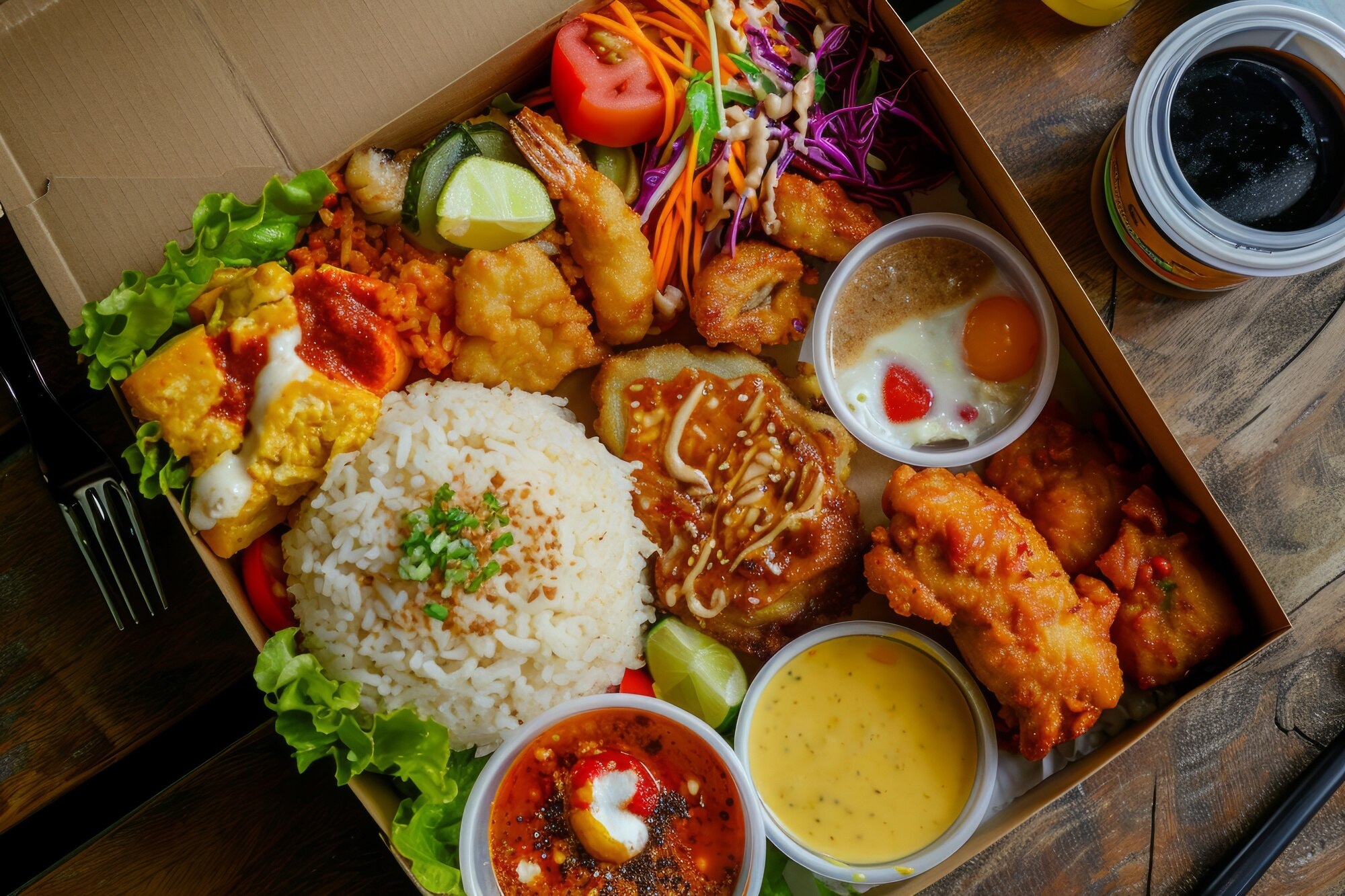
The Malaysian fast food market is currently valued at USD 6.42 billion in 2025, supported by a 6.8% CAGR from 2025 to 2035 driven by rapid urbanization and evolving consumer lifestyles. Kuala Lumpur serves as the primary commercial epicenter for quick-service restaurant (QSR) expansion, hosting the headquarters of major franchises like QSR Brands (M) Holdings, established in 2006, which manages the local KFC and Pizza Hut portfolios. Meanwhile, Johor Bahru functions as a critical logistics and distribution node for frozen supply chains, facilitating efficient delivery to southern residential corridors. A key demand-side trend involves the shift toward digital-native ordering systems and hyper-personalized loyalty rewards that integrate seamlessly into the national MySejahtera ecosystem. On the supply side, operators are scaling cloud kitchen facilities to optimize overheads in dense urban locales. The industry remains strictly governed by the Department of Islamic Development Malaysia (JAKIM) under the Halal Certification Procedure Manual 2020, mandating rigorous compliance for all processed ingredients. Furthermore, the 2025 Sustainable Food Packaging Initiative enforced by the Ministry of Natural Resources and Environmental Sustainability is forcing rapid adoption of biodegradable materials, compelling major chains to overhaul supply chain procurement strategies to meet new net-zero targets by 2035.
By Service Model
- Counter-service burger chains
- Fried chicken outlets
- Drive-thru service kiosks
- Full-service fast dining
- Premium burger gastropubs
- Upscale pizza parlors
- Transit hub sandwich bars
- Mall-based food stalls
- Automated vending dispensers
- City center mobile units
- Event-based catering trailers
- Pop-up street stalls
By Cuisine Category
- American-style beef burgers
- Breaded fried chicken
- Classic pepperoni pizzas
- Teriyaki rice bowls
- Spicy Korean fried chicken
- Dim sum quick bites
- Nasi lemak bungkus
- Roti canai takeaway
- Satay stick assortments
- Vegan patty burgers
- Lentil-based snack wraps
- Almond milk beverages
Competitive Landscape
The Malaysian fast-food market exhibits high competitive intensity, characterized by a mix of dominant global franchises and an emerging wave of localized fast-casual chains. Market leaders utilize aggressive digital transformation strategies to navigate the post-pandemic recovery, with KFC Malaysia and McDonald's Malaysia capturing significant market share through extensive physical footprints in high-traffic urban corridors like Petaling Jaya and Johor Bahru. These incumbents have shifted focus toward hyper-localized menu innovation to align with the Malaysian Halal certification standards mandated by the Department of Islamic Development Malaysia (JAKIM), ensuring compliance and consumer trust across a diverse demographic. Operational excellence is currently defined by the integration of proprietary mobile delivery applications and automated kitchen management systems, which reduce overheads amidst fluctuating operational costs. Companies like Marrybrown and Burger King Malaysia are increasingly investing in omnichannel distribution, emphasizing 'drive-thru' efficiency and 'grab-and-go' kiosks in transport hubs. Strategic expansion into Tier-2 cities and suburban townships is the primary growth lever, as saturation in the Klang Valley prompts brands to capture untapped consumer spending in northern and eastern states.
| Company | Est. Year | Headquarters | Details | Details | Details | Details | Details | Details |
|---|---|---|---|---|---|---|---|---|
| KFC Malaysia | 1973 | Subang Jaya, Malaysia | ~ | ~ | ~ | ~ | ~ | ~ |
| McDonald's Malaysia | 1982 | Petaling Jaya, Malaysia | ~ | ~ | ~ | ~ | ~ | ~ |
| Marrybrown | 1981 | Johor Bahru, Malaysia | ~ | ~ | ~ | ~ | ~ | ~ |
| Burger King Malaysia | 1997 | Kuala Lumpur, Malaysia | ~ | ~ | ~ | ~ | ~ | ~ |
| Pizza Hut Malaysia | 1982 | Shah Alam, Malaysia | ~ | ~ | ~ | ~ | ~ | ~ |
🔒 Detailed cross-comparison data are available in the full report. Talk to Us to access complete competitive intelligence.
Growth Drivers
Urbanization and Lifestyle Shifts
The rapid expansion of metropolitan areas like Greater Kuala Lumpur and Penang Island is fundamentally reshaping consumer dining behaviors. As dual-income households become the standard in urban centers, the demand for high-convenience meal solutions has surged significantly. In 2023, the urban population reached 26.8 million individuals, creating a robust base for global quick-service brands to expand. Major players such as QSR Brands (M) Holdings, established in 2006 and headquartered in Petaling Jaya, are strategically deploying small-format store prototypes to capture the high-velocity traffic near public transit hubs and integrated office complexes.
Digital Transformation of Ordering Platforms
The integration of advanced food delivery ecosystems and proprietary mobile applications has revolutionized accessibility for fast food operators. With mobile internet penetration hitting 97 percent in 2024, consumers now expect frictionless, cashless transaction capabilities integrated directly into their ordering flow. Domestic chains and international franchises are investing heavily in automated kitchen technologies to reduce lead times for digital orders. This shift has allowed companies like Marrybrown, founded in 1981 and headquartered in Johor Bahru, to expand their reach into secondary cities, facilitating efficient logistics management across the diverse Malaysian geographical landscape.
Halal Compliance and Brand Trust
The stringent regulatory environment enforced by the Department of Islamic Development Malaysia (JAKIM) serves as a critical growth accelerator by ensuring universal brand trust across all consumer segments. Adherence to MS 1500:2019 standards provides a competitive moat that stabilizes operations and fosters long-term consumer loyalty. In 2022, the government processed over 15,000 halal certification applications, signaling strong institutional support for the sector. This rigorous framework enables chains like Secret Recipe, founded in 1997 and based in Subang Jaya, to scale aggressively throughout Southeast Asian markets by leveraging their gold-standard Malaysian certification status.
Strategic Expansion into Secondary Urban Corridors
Growth is increasingly pivoting toward satellite cities and provincial capitals as rental costs in central business districts continue to climb. Regional development initiatives, such as the East Coast Economic Region (ECER), are incentivizing infrastructure improvements that lower operational overhead for national food chains. As of 2023, the number of new outlet openings in non-tier-one cities has increased by 14 percent compared to previous cycles. Established franchises are prioritizing these growth corridors, utilizing data-driven site selection processes to capture emerging middle-class spending power in industrial hubs and burgeoning suburban residential developments.
Market Challenges
Volatility in Raw Material Costs
Fluctuating global commodity prices for poultry and cooking oils are eroding profit margins for major fast food operators. In 2024, the government-mandated retail price ceilings on basic food ingredients have forced firms to absorb inflationary pressures. This cost volatility limits the ability of chains to maintain competitive menu pricing without compromising their internal operational efficiencies.
Labor Shortage and Wage Inflation
The sector faces persistent difficulties in recruiting and retaining frontline service staff due to intense competition from the manufacturing and logistics industries. Following the implementation of the 2022 Minimum Wage Order, labor expenses for food service providers have surged by 12 percent. These rising staffing costs compel firms to accelerate their capital expenditure on self-service kiosk technologies.
Shifting Health and Wellness Paradigms
Increased government focus on non-communicable disease prevention is driving consumer interest toward healthier dining alternatives. The introduction of the 2022 Excise Duty on sugar-sweetened beverages has signaled a regulatory trend toward discouraging high-calorie consumption patterns. Fast food chains must navigate this changing legislative landscape by diversifying their menu offerings to include lower-calorie and nutritionally dense options.
Opportunities
Halal-Certified Plant-Based Proteins
Expansion into meat-alternative menus targeting health-conscious urban professionals in Klang Valley creates significant competitive advantages. Integrating JAKIM-certified ingredients ensures broader demographic appeal while satisfying evolving dietary preferences. Local manufacturers reported a 22% increase in sales volume for soy-based protein products throughout 2023 as consumption patterns shifted toward flexitarian options.
Digital-First Drive-Thru Optimization
Investment in artificial intelligence-driven menu boards and automated payment kiosks reduces wait times in high-traffic regions like George Town. Implementing predictive ordering software improves operational efficiency and customer retention for major chains. Average transaction speed increased by 45 seconds per vehicle in 2024 following the adoption of integrated mobile application loyalty systems.
Hyper-Local Flavor Localization
Developing region-specific menu variations such as Nasi Lemak-inspired chicken offerings captures higher market share among suburban families. Brands that customize seasonal promotions to align with major local festivities demonstrate superior engagement compared to standardized global menus. Consumer spending on limited-time promotional items featuring indigenous flavor profiles surged by 18% during the 2024 lunar and religious holiday cycles.
Future Outlook
The Malaysia fast food market is poised for robust expansion through 2035, driven by accelerating urbanization and a burgeoning middle-class demographic centered in hubs like Cyberjaya and Johor Bahru. Over the next five years, the industry will pivot toward a hybrid operational model, balancing the ubiquity of traditional brick-and-mortar storefronts with sophisticated cloud kitchen infrastructures to service the high-density delivery economy. Regulatory oversight from the Ministry of Domestic Trade and Cost of Living regarding nutritional labeling and food safety standards will incentivize brands to reformulate high-sodium offerings, fostering a healthier overall market image. Key players such as QSR Brands (M) Holdings, established in 2006 and headquartered in Petaling Jaya, are expected to lead through aggressive digitalization and supply chain vertical integration. While inflationary pressures on raw material inputs remain a persistent challenge, the implementation of automated inventory management systems will stabilize profit margins. The competitive landscape will consolidate as international franchises and localized domestic chains vie for dominance in Tier 2 cities, ultimately resulting in a more diverse, technologically enabled culinary ecosystem. By 2030, the shift toward sustainable packaging solutions, mandated by national environmental policies, will become a primary differentiator for market leaders seeking to maintain consumer loyalty among the influential Gen Z and Millennial cohorts who prioritize corporate responsibility alongside convenience and cost.
Major Players
- KFC Malaysia
- McDonald's Malaysia
- Marrybrown
- Burger King Malaysia
- Pizza Hut Malaysia
- Texas Chicken Malaysia
- A&W Malaysia
- Subway Malaysia
- Dominos Pizza Malaysia
- Sushi King
- OldTown White Coffee
- Secret Recipe
- The Manhattan FISH MARKET
- Kenny Rogers Roasters
- Chili's Malaysia
Key Target Audience
- Quick Service Restaurant (QSR) Operators
- Food Processing and Packaging Manufacturers
- Cold Chain Logistics Providers
- Government and Regulatory Bodies (Ministry of Domestic Trade and Cost of Living)
- Commercial Real Estate Developers
- Halal Certification and Compliance Agencies (Department of Islamic Development Malaysia)
- Investors and Venture Capital Firms
- Digital Payment and Fintech Solution Providers
- Wholesale Food Distributors
- Franchise Management Corporations
- Public Health Policy Advocates
Research Methodology
Identification of Key Variables
- We establish core variables by evaluating macroeconomic indicators and sector-specific metrics such as the 5.2% CAGR projection for the Malaysian fast-food sector through 2035.
- Our team analyzes parameters like shifting consumer demographic profiles in metropolitan areas like Kuala Lumpur and Johor Bahru, alongside the impact of Malaysia's Halal Certification protocols on supply chain integration.
- We incorporate legislative constraints and raw material inflationary pressures to refine our scope.
Market Analysis and Construction
- Utilizing proprietary data from major players like QSR Brands (M) Holdings, headquartered in Petaling Jaya, we construct a granular bottom-up valuation model.
- This phase integrates historical sales revenue from 2018-2023 with localized consumer spending data retrieved from the Department of Statistics Malaysia.
- We apply rigorous quantitative filtering to harmonize disparate datasets, ensuring our market sizing reflects accurate franchise penetration rates and regional growth clusters across Peninsular and East Malaysia.
Validation and Synthesis
- We conduct primary validation through semi-structured interviews with senior purchasing managers, regional franchise directors, and public health policy strategists.
- These sessions probe local demand volatility, supply chain resilience, and the anticipated regulatory shifts in urban food zones.
- The final phase synthesizes primary field data with secondary intelligence to generate a comprehensive 2035 outlook.
- We align qualitative insights from entities like Berjaya Food Berhad, established in 1984 in Kuala Lumpur, with quantitative projections to produce actionable business intelligence.
Table of Contents
 Executive Summary
2 Sections
▼
- Executive Summary
- Research Methodology (JAKIM Regulatory Impact Assessment, Top-Down Aggregate Expenditure Modeling, Bottom-Up Outlet Revenue Calculation, Supply-Side Cold Chain Survey, Consumer Intercept Survey Design, Third-Party Delivery Data Triangulation, Franchisee Profitability Ratio Analysis, Macroeconomic Variable Forecasting, Urbanization Trend Mapping, Ingredient Inflation Sensitivity Analysis, Competitor Footprint Geospatial Mapping, Demand Elasticity Estimation, Historical Data Validation, Expert Interview Synthesis)
 Malaysia Fast Food Market Overview
7 Sections
▼
- Definition and Scope
- Market Evolution and Industry Genesis
- Evolution of Malaysia Halal Fast Food
- Cold Chain Logistics Infrastructure Ecosystem
- Klang Valley Urban Dining Landscape
- Raw Material Procurement and Supply Chain
- Digital Delivery Platform Market Convergence
 Malaysia Fast Food Market Size (2020-2025)
3 Sections
▼
- By Market Value (2020-2025)
- By Transaction Volume by Outlet (2020-2025)
- By Average Ticket Size (2020-2025)
 Malaysia Fast Food Market Segmentation
51 Segments
▼
- By Food Category (In Value %)
- Burger Chains
- Beef Burgers
- Chicken Burgers
- Veggie Patties
- Gourmet Sliders
- Fast-Casual Wraps
- Fried Chicken Specialists
- Original Recipe Fried
- Spicy Korean Glazed
- Nashville Hot Tenders
- Popcorn Chicken
- Chicken Skin Snacks
- Pizza and Pasta Outlets
- Pan Crust Pizza
- Thin Crust Artisanal
- Baked Pasta Dishes
- Garlic Bread Sides
- Dessert Pizzas
- Asian Fusion Fast Food
- Nasi Lemak Sets
- Curry Laksa Bowls
- Rice-Based Bento Boxes
- Satay Skewer Packs
- Hainanese Chicken Rice
- By Consumer Demographics (In Value %)
- Gen Z University Students
- Urban Working Professionals
- Young Families with Children
- B40 Household Consumers
- Tourists and Expatriate Groups
- By Distribution Channel (In Value %)
- In-Store Dining
- Drive-Thru Services
- Third-Party Aggregator Apps
- In-House Delivery Fleet
- Kiosk Self-Ordering
- By Price Tier (In Value %)
- Value Menu Segment
- Mid-Range Quick Service
- Premium Fast-Casual
- By Halal Certification Type (In Value %)
- JAKIM Certified
- Muslim-Owned Independent
- Global Multi-Chain Standards
- By Geographical Region (In Value %)
- Klang Valley Metropolitan Area
- Penang Urban Corridor
- Johor Bahru Cross-Border
- East Coast Peninsular Markets
- Sabah and Sarawak Hubs
 Malaysia Fast Food Market Analysis
8 Sections
▼
- Growth Drivers (Urbanization and Lifestyle Shifts, Digital Transformation of Ordering Platforms, Halal Compliance and Brand Trust, Strategic Expansion into Secondary Urban Corridors)
- Market Challenges (Volatility in Raw Material Costs, Labor Shortage and Wage Inflation, Shifting Health and Wellness Paradigms)
- Market Opportunities (Halal-Certified Plant-Based Proteins, Digital-First Drive-Thru Optimization, Hyper-Local Flavor Localization)
- Market Trends (Halal Digitalization, Menu Localization, Sustainability Focus, Delivery Automation)
- Government Regulations
- SWOT Analysis
- Porter's Five Forces Analysis
- PESTLE Analysis
 Malaysia Fast Food Market Competitive Analysis
20 Sections
▼
- Market Share of Major Players
- Global Franchise versus Local Chain Competition
- Aggregator Platform Dependency Risks
- Rural versus Urban Market Saturation
- Traditional Mamak Stall Price Rivalry
- Loyalty App Engagement Metrics
- Halal Certification Barrier to Entry
- Cross Comparison Parameters (JAKIM Halal Compliance Maturity, Digital Ordering System Integration, Supply Chain Cold Storage Capacity, Menu Localization Adaptability, Regional Outlet Expansion Velocity, ESG Initiative Disclosure Compliance)
- Competitive Product Benchmarking (Primary Protein Sourcing Standards, Caloric Density per Serving, Packaging Sustainability Index, Average Preparation Time, Ingredient Origin Traceability, Customization Capability)
- Financial and Operational Parameters
- SWOT Analysis of Major Players
- Detailed Profiles of Major Companies
- QSR Brands (M) Holdings – KFC, Pizza Hut
- McDonald's Malaysia – McDelivery, McCafé
- Marrybrown Sdn Bhd – Marrybrown, MB Delivery
- Burger King Malaysia – Burger King
- Domino's Pizza Malaysia – Domino's
- Texas Chicken Malaysia – Texas Chicken
- A&W Malaysia – A&W Restaurants
- Subway Malaysia – Subway
 Malaysia Fast Food Market End-User Analysis
7 Sections
▼
- Average Frequency of Weekly Consumption
- Weekday Lunch versus Weekend Dinner Patterns
- Proportion of Household Income Spent
- Preferred Ordering Interface Platform Usage
- Brand Loyalty versus Price Sensitivity Ratio
- Vegetarian and Flexitarian Option Demand
- Solo versus Group Ordering Behaviors
 Malaysia Fast Food Market Future Size (2026-2035)
3 Sections
▼
- By Market Value (2026-2035)
- By Transaction Volume by Outlet (2026-2035)
- By Average Ticket Size (2026-2035)
Frequently Asked Questions
The current market size is USD 6.42 billion in 2025, projected to reach USD 12.44 billion by 2035 (6.8% CAGR from 2025 to 2035). This growth reflects a significant expansion in the food service sector across urban centers like Kuala Lumpur and George Town. The total valuation accounts for sales across both multinational quick-service restaurant chains and domestic fast-casual franchises.
The rapid expansion of third-party delivery platforms such as GrabFood and Foodpanda has significantly increased accessibility for consumers in high-density areas. Furthermore, the rising participation of women in the workforce has accelerated the demand for convenient, time-saving meal solutions. Favorable regulatory policies from the Ministry of Domestic Trade and Cost of Living have also streamlined the licensing process for new franchise outlets throughout Peninsular Malaysia.
Key industry leaders include QSR Brands (M) Holdings, founded in 2006 and headquartered in Petaling Jaya, which manages the KFC and Pizza Hut franchises. Another significant contributor is Berjaya Food Berhad, established in 2009 and based in Berjaya Times Square, Kuala Lumpur, known for operating the Kenny Rogers Roasters brand. These entities collectively hold a dominant share of the market through extensive regional supply chain networks.
Operators must navigate increasing labor costs and strict Halal certification requirements mandated by the Department of Islamic Development Malaysia (JAKIM). The volatility of imported raw material prices, such as wheat and vegetable oil, creates pressure on profit margins for smaller franchise owners. Additionally, shifting consumer preferences toward healthier, organic, and locally sourced ingredients force companies to undergo constant menu re-engineering.
Digital transformation is a top priority, with major chains investing in AI-driven self-ordering kiosks and personalized loyalty mobile applications. There is also a noticeable shift toward plant-based menu options to cater to the growing flexitarian consumer segment in urban neighborhoods. Sustainability initiatives, including the adoption of biodegradable packaging to meet the 2025 National Plastics Policy guidelines, are becoming central to the brand identity of top-tier fast-food chains.


 Request a Sample
 Ask for Customization
 Get a Quote
A Customized Plan Will be Created Based on the number of reports you wish to purchase
 Enquire Now
