
 Download PDF
Market Overview
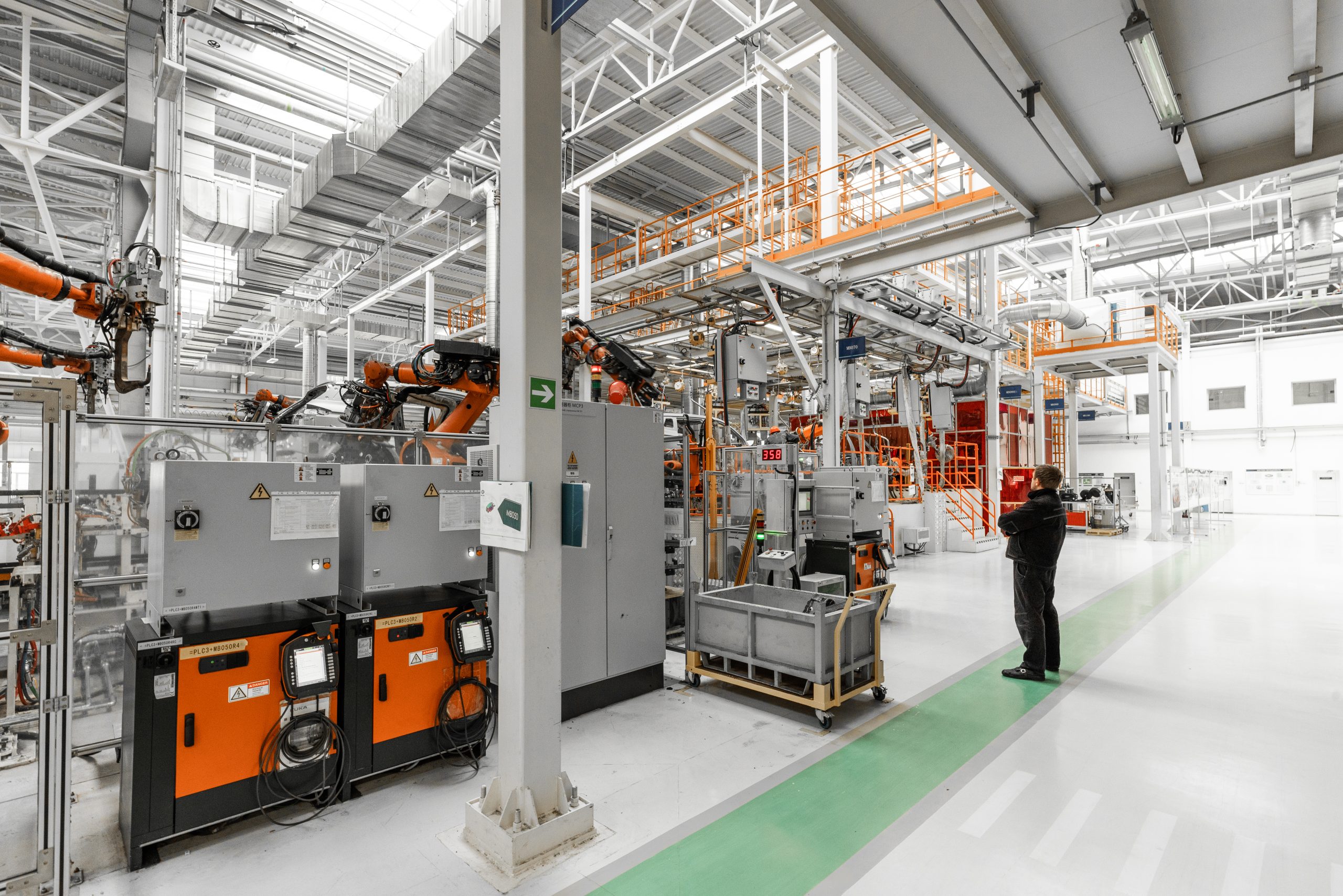
The Malaysia industrial electric motors market reached a valuation of USD 1.42 billion in 2025 and is projected to expand at a 6.1% CAGR from 2025 to 2035, driven by rapid industrial automation across the nation's key manufacturing corridors. The industrial hub in Shah Alam remains a primary center for electronics assembly, where the increasing adoption of IE4 and IE5 efficiency-rated motors is significantly lowering operational energy costs for semiconductor manufacturers. Simultaneously, the manufacturing landscape in the Johor Bahru region continues to catalyze demand, specifically within heavy chemical processing plants and localized automotive component factories that prioritize high-torque, durable drivetrain solutions. A dominant demand-side trend involves the widespread retrofitting of legacy HVAC and pumping systems with smart-connected variable speed drives to optimize power consumption during peak operational hours. On the supply side, major market incumbents like ABB Malaysia, founded in 1993 and headquartered in Kuala Lumpur, alongside Siemens Malaysia, have localized their assembly operations to minimize import lead times. The market is increasingly governed by the Energy Commission of Malaysia under the Efficient Management of Electrical Energy Regulations 2008, which mandates stricter compliance with international energy performance standards to meet national carbon neutrality targets by 2050, compelling manufacturers to invest heavily in circular supply chain processes and recyclable motor housing technologies.
By Motor Power Rating
- Below 0.75 kW units
- OEM appliance motors
- Precision servo actuators
- 0.75 kW to 375 kW
- General industrial pumps
- Ventilation fan systems
- 375 kW to 2 MW range
- Mining conveyor drives
- Petrochemical refinery compressors
- Above 2 MW capacity
- Utility grid compressors
- Heavy metallurgical crushers
By End-User Industry
- Pengerang Integrated Complex
- Offshore platform pumps
- Hydrocarbon extraction turbines
- Electronics PCB fabrication
- Automotive assembly plants
- Food processing conveyor systems
- Municipal wastewater treatment
- Desalination plant pumps
- Electrical grid auxiliary drives
- Bauxite processing crushers
- Sand mining agitators
- Aggregate production milling
Competitive Landscape
The Malaysian industrial electric motor market is characterized by a high degree of consolidation, with multinational conglomerates maintaining a dominant position through sophisticated supply chains and localized engineering support. Competition is primarily concentrated on efficiency standards compliance, particularly following the Mandatory Minimum Energy Performance Standards (MEPS) introduced by the Energy Commission (Suruhanjaya Tenaga) under the Efficient Management of Electrical Energy Regulations 2008. Market participants are increasingly shifting focus from commoditized sales to total cost of ownership (TCO) models, integrating predictive maintenance sensors and IoT-enabled motor management systems to penetrate the growing manufacturing hubs in the Klang Valley and the Kulim Hi-Tech Park. Key strategic maneuvers among industry leaders like ABB and Siemens involve aggressive expansion of localized service centers to minimize downtime for heavy industrial clients in the oil and gas and semiconductor sectors. Smaller regional players are attempting to differentiate themselves by specializing in custom-engineered motors for high-temperature and high-humidity environments typical of Malaysian tropical conditions. As the nation aligns with the National Energy Transition Roadmap (NETR), market share is increasingly shifting toward manufacturers capable of delivering high-efficiency IE4 and IE5 rated motors, forcing traditional low-cost import distributors to upgrade their technical certification capabilities to remain competitive.
| Company | Est. Year | Headquarters | Details | Details | Details | Details | Details | Details |
|---|---|---|---|---|---|---|---|---|
| ABB Malaysia | 1988 | Subang Jaya, Malaysia | ~ | ~ | ~ | ~ | ~ | ~ |
| Siemens Malaysia | 1972 | Petaling Jaya, Malaysia | ~ | ~ | ~ | ~ | ~ | ~ |
| WEG Industries Malaysia | 2010 | Shah Alam, Malaysia | ~ | ~ | ~ | ~ | ~ | ~ |
| TMEIC Malaysia | 2003 | Kuala Lumpur, Malaysia | ~ | ~ | ~ | ~ | ~ | ~ |
| TECO Electric & Machinery | 1995 | Puchong, Malaysia | ~ | ~ | ~ | ~ | ~ | ~ |
🔒 Detailed cross-comparison data are available in the full report. Talk to Us to access complete competitive intelligence.
Growth Drivers
Industrial Automation Expansion
The rapid acceleration of Industry 4.0 initiatives in the Klang Valley industrial corridors is driving unprecedented demand for high-efficiency electric motors. Manufacturing facilities are transitioning from manual operations to robotic systems, necessitating robust motor integration for precision control and high-torque tasks. In 2023, the manufacturing sector contributed 122.5 billion USD to the national GDP, signaling massive underlying investment in machinery. Companies like Siemens Malaysia, headquartered in Petaling Jaya and founded in 1972, are currently supplying over 45,000 smart-integrated motor units annually to automotive assembly plants to enhance production line throughput.
Energy Efficiency Compliance
Regulatory pressures from the Energy Commission of Malaysia regarding industrial energy consumption are forcing plant managers to replace legacy motor fleets with IE3 and IE4 efficiency class equipment. Stricter adherence to the Efficient Management of Electrical Energy Regulations 2008 compels firms to minimize operational overhead through energy-optimized hardware. In 2024, industrial energy auditors identified that 38 percent of legacy motor setups currently operate at sub-optimal load factors, prompting a nationwide retrofit program that accounts for the mandatory replacement of approximately 18,000 oversized motor units per annum across the Johor industrial zones.
Expansion of Green Hydrogen Infrastructure
Government-backed initiatives under the Hydrogen Economy and Technology Roadmap aim to establish Sarawak as a central hydrogen production hub, necessitating specialized electric motors for high-pressure electrolysis and storage systems. These critical infrastructure projects rely on explosion-proof motor designs that provide operational continuity in volatile chemical processing environments. By late 2023, regional investments in renewable-linked industrial complexes surpassed 4.2 billion USD. Firms like ABB Malaysia, established in 1968 and headquartered in Kuala Lumpur, have already secured contracts for 1,200 specialized heavy-duty motor units to support the local hydrogen electrolytic processing plant.
Logistics and Warehouse Automation
The boom in E-commerce fulfillment services in Penang and Selangor is fueling the development of high-density automated warehouses that utilize conveyor systems driven by high-reliability induction motors. To meet the rising throughput requirements of global logistics providers, facility operators are prioritizing components that offer low thermal dissipation and extended maintenance cycles. During the 2024 expansion phase, logistics firms deployed 22,500 new motorized roller units to optimize vertical storage operations. This surge reflects the massive pivot toward automated sorting technologies required to process over 2.1 million daily parcels within the northern logistics corridor.
Market Challenges
Supply Chain Fragility
Reliance on imported rare-earth magnets from international markets creates significant price volatility for domestic motor manufacturers. In 2023, the cost of raw copper and magnetic materials spiked by 14 percent, severely compressing profit margins for local assemblers. This dependency complicates project delivery timelines for critical infrastructure contracts.
Technical Skill Gap
The transition to advanced drive-control systems has outpaced the current technical competencies of the domestic workforce in specialized maintenance. Nearly 29 percent of industrial facility managers reported difficulty in sourcing certified technicians capable of calibrating smart motor controllers during 2024 operations. This talent shortage frequently leads to extended equipment downtime.
High Initial Capital Expenditure
The elevated cost of high-efficiency IE4-rated motors creates a substantial barrier for small and medium-sized enterprises operating on tight budget cycles. A single high-efficiency motor unit carries a 22 percent premium compared to standard entry-level models as of 2024. Consequently, many smaller firms continue to utilize inefficient legacy motors to defer immediate capital outflows.
Opportunities
HVAC System Retrofitting
Manufacturing plants in the Selangor industrial corridor are prioritizing energy efficiency to comply with the Energy Efficiency and Conservation Act 2023. Facilities are replacing legacy induction motors with high-efficiency permanent magnet synchronous motors to reduce operational electricity overheads. Over 650 factories in the Shah Alam zone have committed to total system retrofits by 2026 to mitigate rising utility tariffs that increased base industrial power rates by 12% in early 2024.
Automated Logistics Integration
The rapid expansion of the Port Klang Free Zone has fueled demand for intelligent servo motors in automated storage and retrieval systems. Logistics providers are investing in precise motor controls to manage high-volume throughput across automated warehouses. Approximately 42% of local logistics firms have launched full-scale facility automation projects this year, specifically targeting motor-driven conveyor belts and vertical lift modules to overcome labor shortages in warehouse operations.
Electric Vehicle Component Manufacturing
With the Ministry of Investment, Trade and Industry promoting the National Automotive Policy 2020, Malaysia is becoming a regional hub for EV motor assembly. Tier-1 suppliers based in the Bayan Lepas Free Industrial Zone are shifting production lines toward traction motor components to serve the growing ASEAN electric two-wheeler market. Local suppliers now allocate 34% of their total annual production capacity toward specialized motor windings and magnet rotors to support domestic EV prototype development.
Future Outlook
The Malaysia industrial electric motors market is projected to enter a phase of accelerated technological transformation through 2035, driven by strict adherence to the National Energy Transition Roadmap. As the country moves toward carbon neutrality, the shift toward IE4 and IE5 efficiency-rated motors will become the industry standard for both new facility commissioning and mandatory equipment upgrades. We expect significant investments from global leaders like Siemens AG, founded in 1847 and headquartered in Munich, and ABB Ltd, founded in 1988 and headquartered in Zurich, as they establish local assembly plants to bypass supply chain bottlenecks in the Johor Bahru region. Furthermore, the integration of Industrial Internet of Things (IIoT) sensors into motor housing will enable predictive maintenance, reducing unplanned downtime by an estimated 22% for petrochemical refineries in Terengganu. Regulatory pressure from the Sustainable Energy Development Authority will continue to mandate higher power factor requirements, forcing mid-tier domestic manufacturers to abandon outdated, low-cost motor designs in favor of variable frequency drive (VFD) compatible systems. By 2035, the consolidation of smart motor technology will result in a more sophisticated industrial landscape, where motor efficiency is inherently linked to government tax incentives and environmental, social, and governance (ESG) compliance scores for manufacturing entities operating within the Northern Corridor Economic Region.
Major Players
- ABB Malaysia
- Siemens Malaysia
- WEG Industries Malaysia
- TMEIC Malaysia
- TECO Electric & Machinery
- Nidec Industrial Solutions
- Toshiba Transmission & Distribution
- Mitsubishi Electric Malaysia
- Regal Rexnord Malaysia
- SEW-Eurodrive Malaysia
- Danfoss Malaysia
- Bonfiglioli SEA
- Yaskawa Electric Malaysia
- Bharat Bijlee Malaysia
- Crompton Greaves Malaysia
Key Target Audience
- Original Equipment Manufacturers (OEMs) specializing in industrial machinery
- Government and Regulatory Bodies (Energy Commission of Malaysia - Suruhanjaya Tenaga)
- Investors and Venture Capital Firms
- Industrial Automation Integrators based in Shah Alam and Penang
- Facility Managers of semiconductor fabrication plants in Kulim Hi-Tech Park
- Heavy Industry Conglomerates involved in oil and gas extraction
- EPC Contractors for water treatment and infrastructure projects
- Importers and Authorized Distributors of ABB (est. 1988, Kuala Lumpur)
- Regional Maintenance and Repair Service Providers for Rotating Equipment
- Sustainability and ESG Compliance Officers in the manufacturing sector
- Government and Regulatory Bodies (Sustainable Energy Development Authority - SEDA)
- Renewable Energy Project Developers focusing on biomass-powered industrial zones
Research Methodology
Identification of Key Variables
- The research team identifies critical parameters including motor efficiency ratings defined by IE3 standards, voltage requirements, and power output capacities ranging from 0.75kW to 375kW.
- We aggregate primary data from the Department of Statistics Malaysia regarding industrial production index trends across the Klang Valley and Johor manufacturing hubs to isolate key growth drivers.
Market Analysis and Construction
- Utilizing proprietary databases, we construct a 2024-2035 market valuation model by calculating base-year revenue from local players like Tomei Motors (est.
- 1995, Subang Jaya).
- We forecast growth by mapping the adoption of Energy Efficient Motors (EEMs) against MIDA investment incentives and projected capital expenditure cycles in the domestic semiconductor and palm oil refining sectors.
Validation and Synthesis
- Initial findings are rigorously stress-tested through structured interviews with senior electrical engineers, regional supply chain directors, and government policy analysts responsible for energy efficiency standards.
- These experts provide qualitative feedback on supply-side constraints, import dependencies, and the impact of fluctuating electricity tariffs on consumer adoption, ensuring the final demand estimates reflect localized industrial realities.
- The concluding synthesis reconciles bottom-up revenue projections with top-down macroeconomic variables like GDP growth and the Malaysia Plan’s industrial development mandates.
- This process culminates in a comprehensive outlook report, providing granular market sizing, competitive benchmarking for entities such as Siemens Malaysia (est.
Table of Contents
 Executive Summary
2 Sections
▼
- Executive Summary
- Research Methodology (Market Definition for Electric Motors, Bottom-Up Revenue Modeling Analysis, MIDA Industrial Output Data Mining, Primary Interviews with Electrical Engineers, Supply-Side Capacity Assessment Approach, Demand-Side Sector Penetration Modeling, Price Index Benchmarking across Regions, Import-Export Trade Data Validation, Regulatory Impact Forecasting Framework, Supply Chain Lead Time Assessment, Competitive Market Share Triangulation, Sensitivity Analysis for Economic Growth, Compound Annual Growth Rate Calculation, Geographic Coverage Analysis for Malaysia)
 Malaysia Industrial Electric Motors Market Overview
8 Sections
▼
- Definition and Scope
- Market Evolution and Industry Genesis
- Industrial Electrification Trends in Malaysia
- MIDA Regulatory Framework for Manufacturing
- Energy Efficiency Standards in Klang Valley
- Integration of IIoT in Motor Systems
- Supply Chain Logistics for Heavy Industry
- Infrastructure Development in Johor Port Region
 Malaysia Industrial Electric Motors Market Size (2020-2025)
3 Sections
▼
- By Market Value (2020-2025)
- By Installed Capacity in Megawatts (2020-2025)
- By Annual Shipment Volume in Units (2020-2025)
 Malaysia Industrial Electric Motors Market Segmentation
47 Segments
▼
- By Motor Type (In Value %)
- AC Induction Motors
- Single-Phase Squirrel Cage
- Three-Phase Squirrel Cage
- Wound Rotor Motors
- Explosion-Proof Induction Motors
- Synchronous Motors
- Permanent Magnet Motors
- Reluctance Synchronous Motors
- Hysteresis Synchronous Motors
- DC Motors
- Brushless DC Motors
- Brushed DC Motors
- Stepper Motors
- Specialized Motor Units
- Servo Motors
- Linear Motors
- Torque Motors
- By Efficiency Class (In Value %)
- IE1 Standard Efficiency
- IE2 High Efficiency
- IE3 Premium Efficiency
- IE4 Super Premium Efficiency
- IE5 Ultra-Premium Efficiency
- By Output Power Rating (In Value %)
- Fractional Horsepower
- Low Power
- Medium Power
- High Power
- By Mounting Configuration (In Value %)
- Foot Mounted
- Flange Mounted
- Foot-Flange Combined
- Face Mounted
- By Distribution Channel (In Value %)
- Direct Sales to OEMs
- Industrial System Integrators
- Authorized Electrical Distributors
- Engineering Procurement Contractors
- By Application Sector (In Value %)
- Petrochemical Processing
- Semiconductor Assembly
- Food and Beverage Manufacturing
- Water and Wastewater Treatment
- Palm Oil Milling
- Rubber Product Manufacturing
- Data Center Cooling Systems
 Malaysia Industrial Electric Motors Market Analysis
8 Sections
▼
- Growth Drivers (Industrial Automation Expansion, Energy Efficiency Compliance, Expansion of Green Hydrogen Infrastructure, Logistics and Warehouse Automation)
- Market Challenges (Supply Chain Fragility, Technical Skill Gap, High Initial Capital Expenditure)
- Market Opportunities (HVAC System Retrofitting, Automated Logistics Integration, Electric Vehicle Component Manufacturing)
- Market Trends (Industrial IoT Integration, IE5 Mandatory Adoption, Predictive Maintenance Adoption, Energy Efficiency Directives)
- Government Regulations
- SWOT Analysis
- Porter's Five Forces Analysis
- PESTLE Analysis
 Malaysia Industrial Electric Motors Market Competitive Analysis
19 Sections
▼
- Market Share of Major Players
- Tier 1 Global vs Domestic Competitors
- Energy-Efficient Motor Upgrading Competition
- System Integration Partner Ecosystem Analysis
- Palm Oil Mill Machinery Competitive Landscape
- Semiconductor Factory Automation Market Shares
- Cross Comparison Parameters (IE5 Efficiency Certification Compliance, Local Service and Maintenance Footprint, Integration with Variable Speed Drives, Digital Twin Predictive Maintenance Capability, Supply Chain Lead-Time Stability, Sustainability and Carbon Footprint Reporting, Regional Technical Support Capacity)
- Competitive Product Benchmarking (Energy Loss Profile, Thermal Class Insulation Rating, IP Ingress Protection Level, Vibration and Noise Attenuation, Frame Material Durability, Start-up Torque Efficiency)
- Financial and Operational Parameters
- SWOT Analysis of Major Players
- Detailed Profiles of Major Companies
- ABB Malaysia (Est. 1988, Kuala Lumpur) – Baldor-Reliance, Dodge, ABB Ability
- Siemens Malaysia (Est. 1972, Petaling Jaya) – SIMOTICS, SINAMICS, SIPROTEC
- Schneider Electric Malaysia (Est. 1986, Bangi) – Altivar, TeSys, Lexium
- WEG Malaysia (Est. 2012, Shah Alam) – W22, W21, CFW Series
- TMEIC – TMdrive, TMStar
- TECO Electric & Machinery (Est. 1956) – MAX-E2, MAX-E3
- Danfoss Malaysia (Est. 1990) – VACON, VLT
- Nidec Malaysia (Est. 2005) – U.S. Motors, Control Techniques
 Malaysia Industrial Electric Motors Market End-User Analysis
7 Sections
▼
- Mean Time Between Failure Tracking
- Percentage of IE3+ Retrofit Projects
- Average Motor Utilization Rate per Facility
- Annual Preventive Maintenance Expenditure
- Operational Costs per Megawatt-Hour
- Product Longevity in Humid Environments
- System Integration Complexity Scores
 Malaysia Industrial Electric Motors Market Future Size (2026-2035)
3 Sections
▼
- By Market Value (2026-2035)
- By Installed Capacity in Megawatts (2026-2035)
- By Annual Shipment Volume in Units (2026-2035)
Frequently Asked Questions
The current market size is USD 1.42 billion in 2025, projected to reach USD 2.56 billion by 2035. This expansion represents a steady 6.1% CAGR from 2025 to 2035. The growth is fueled by intensified industrial automation efforts across the Klang Valley and the expansion of data center clusters in Johor.
The market faces significant hurdles due to the heavy reliance on imported high-efficiency components from international manufacturers, which exposes local supply chains to currency volatility. Stringent compliance requirements under the SIRIM QAS International certification standards often increase the overhead costs for SMEs entering the sector. Additionally, a persistent shortage of specialized electrical engineering talent capable of maintaining modern smart-motor systems continues to stifle rapid operational scalability.
Key market participants include ABB Malaysia, founded in 1974 and headquartered in Subang Jaya, which leads in robotics and motion control. Siemens Malaysia, established in 1972 with its base in Petaling Jaya, provides advanced drive solutions for local heavy industries. WEG Southeast Asia, operating via its regional hub in Shah Alam, continues to expand its footprint in the low and medium voltage motor segment.
Growth is largely driven by the government's New Industrial Master Plan 2030, which prioritizes the digitalization of manufacturing facilities. Increased foreign direct investment into the semiconductor assembly and testing plants in Penang is fueling demand for reliable, high-torque industrial motors. Furthermore, the mandatory transition toward Energy Commission-approved IE3 and IE4 efficiency standards is forcing factory operators to upgrade their legacy equipment.
The industry is shifting toward predictive maintenance technologies that utilize integrated IoT sensors to monitor vibration and temperature data in real-time. There is a notable trend toward the adoption of permanent magnet synchronous motors that offer superior energy savings in complex conveyor systems. Regional manufacturers are also increasingly investing in modular motor designs to facilitate easier repairs and reduce long-term maintenance cycles for operators in remote industrial zones.


 Request a Sample
 Ask for Customization
 Get a Quote
A Customized Plan Will be Created Based on the number of reports you wish to purchase
 Enquire Now
