

 Download PDF
 Download PDF
Market Overview
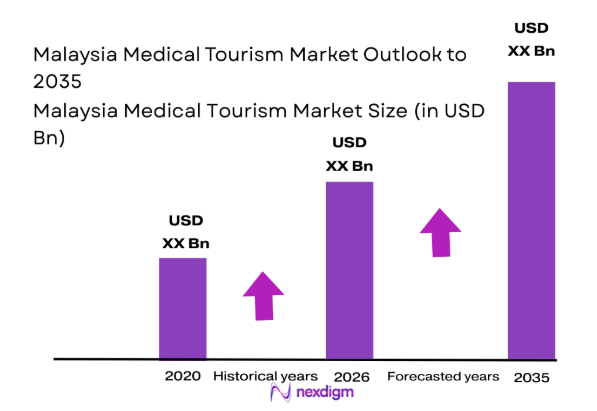
The Malaysia Medical Tourism market is valued at USD ~ billion based on a recent historical assessment. This market is driven by Malaysia’s competitive advantage in healthcare affordability, high-quality services, and robust infrastructure. The country’s medical tourism has been gaining traction due to its world-class healthcare facilities, skilled professionals, and advanced medical technologies offered at lower costs compared to Western nations. Malaysia’s efforts in promoting itself as a medical tourism hub through government policies and global marketing campaigns also contribute significantly to the market’s growth.
Cities such as Kuala Lumpur, Penang, and Langkawi dominate the market, each known for their specialized medical services and well-established healthcare facilities. Kuala Lumpur is a key player due to its international connectivity, making it an accessible location for medical tourists worldwide. Penang, known for its excellence in cosmetic surgery, has become a go-to destination for aesthetic treatments. Langkawi, with its wellness retreats, is an emerging destination, catering to the growing demand for holistic treatments and health tourism. These cities benefit from a combination of high-quality healthcare, affordability, and growing patient trust.
Market Segmentation
By Product Type
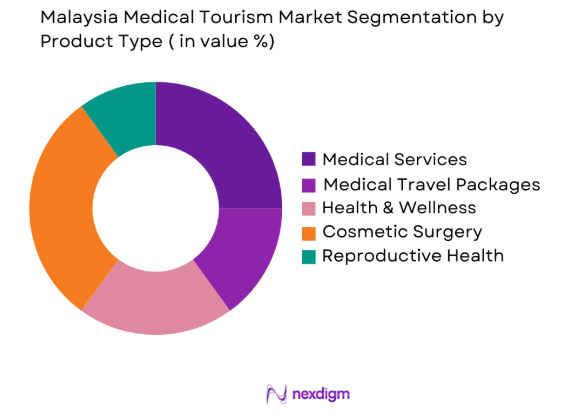
The Malaysia Medical Tourism market is segmented by product type into medical services, medical travel packages, health and wellness, cosmetic surgery, and reproductive health. The cosmetic surgery sub-segment currently holds a dominant market share, driven by increasing global demand for aesthetic treatments, coupled with Malaysia’s affordability and highly skilled medical professionals. The country’s medical tourism infrastructure, particularly in Kuala Lumpur and Penang, has contributed to its position as a global leader in cosmetic procedures, offering a variety of surgeries, including facelifts, breast augmentations, and rhinoplasties, attracting patients worldwide.
By Platform Type
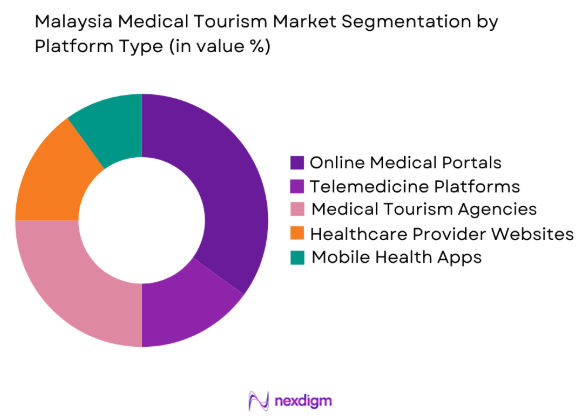
The Malaysia Medical Tourism market is segmented by platform type into online medical portals, telemedicine platforms, medical tourism agencies, healthcare provider websites, and mobile health apps. Online medical portals have emerged as the dominant platform, enabling patients to easily access medical information, book appointments, and connect with healthcare providers. With the increasing adoption of digital tools and the ease of booking medical services online, these platforms have become the primary way for patients to explore treatment options in Malaysia, driving their dominance in the market.
Competitive Landscape
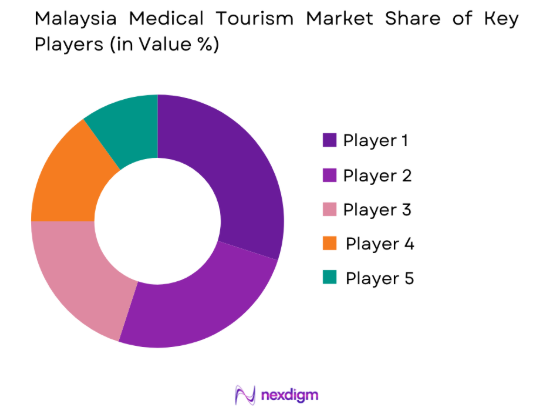
The competitive landscape in the Malaysia Medical Tourism market is highly dynamic, with numerous hospitals, clinics, and medical tourism facilitators competing to offer top-tier healthcare services to international patients. The market has witnessed consolidation, with several healthcare providers partnering with international agencies to expand their global reach. Leading players continue to enhance their services through innovation in medical technology, specialized treatment offerings, and customer-centric care. Their ability to deliver world-class healthcare, coupled with competitive pricing, has positioned them as leaders in the regional medical tourism space.
| Company Name | Establishment Year | Headquarters | Technology Focus | Market Reach | Key Products | Revenue (USD) | Market-Specific Parameter |
| KPJ Healthcare | 1981 | Kuala Lumpur | ~ | ~ | ~ | ~ | ~ |
| Pantai Group | 1974 | Kuala Lumpur | ~ | ~ | ~ | ~ | ~ |
| Sunway Medical | 1999 | Kuala Lumpur | ~ | ~ | ~ | ~ | ~ |
| Prince Court Medical Centre | 1997 | Kuala Lumpur | ~ | ~ | ~ | ~ | ~ |
| Island Hospital | 1996 | Penang | ~ | ~ | ~ | ~ | ~ |
Malaysia Medical Tourism Market Analysis
Growth Drivers
Government Support for Medical Tourism
Malaysia’s government has played a crucial role in driving the growth of the medical tourism sector through initiatives such as offering tax incentives to hospitals, promoting Malaysia as a medical tourism destination, and easing visa regulations. This active support has created a conducive environment for medical tourism to flourish. In addition, the government’s collaboration with healthcare providers to enhance infrastructure and services has resulted in improved healthcare offerings and greater international recognition. As a result, Malaysia has become one of the leading countries for medical tourism in Southeast Asia, attracting patients from all over the world.
Affordability and High-Quality Care
The growing demand for high-quality healthcare at affordable prices has been a significant growth driver in the Malaysia Medical Tourism market. Compared to Western countries, Malaysia offers lower treatment costs without compromising on the quality of care, making it a top destination for patients seeking medical procedures abroad. The presence of internationally accredited hospitals, skilled doctors, and state-of-the-art medical technologies has strengthened Malaysia’s position as a hub for affordable healthcare. Patients from developed countries, particularly those seeking elective surgeries, often opt for medical tourism in Malaysia due to the combination of cost-effective treatments and world-class care.
Market Challenges
Regulatory Compliance
The lack of standardized regulations across the medical tourism sector in Malaysia remains a significant challenge. Although Malaysia has established guidelines for healthcare facilities and professionals, the standards are often inconsistent across different regions. This lack of regulatory clarity can create confusion for medical tourists, who rely on transparent and reliable healthcare systems. As the industry continues to grow, it is essential for Malaysia to implement more uniform standards and regulations that align with international practices. This would not only improve patient safety and care quality but also build more trust with international patients.
Treatment Costs for Specialized Services
While Malaysia offers affordable medical services compared to Western countries, the cost of specialized treatments such as advanced cancer treatments and high-end cosmetic procedures can still be prohibitive for some patients. These treatments often involve complex procedures and cutting-edge technology, which leads to higher costs. As the medical tourism market grows, managing the price points for specialized services while maintaining the quality of care will be crucial for ensuring that Malaysia remains competitive in the global medical tourism market.
Opportunities
Expansion of Wellness Tourism
Malaysia has significant opportunities in expanding wellness tourism, which is increasingly gaining popularity globally. Wellness tourism, including services such as health retreats, spa therapies, and detox programs, has become a highly sought-after segment. Malaysia’s favorable climate, world-class wellness facilities, and affordable services make it an attractive destination for individuals seeking health and wellness experiences. By enhancing wellness offerings and integrating medical services with wellness tourism, Malaysia can expand its market share in this growing sector, capitalizing on the increasing demand for holistic health solutions.
Technological Advancements in Medical Services
The integration of new technologies in healthcare services presents a vast opportunity for Malaysia’s medical tourism market. Telemedicine, artificial intelligence (AI), and robotic surgery are revolutionizing the healthcare landscape by enhancing service delivery, improving accuracy, and reducing treatment costs. Malaysia can capitalize on these advancements by promoting its adoption in medical tourism services, offering patients access to cutting-edge treatments with the convenience of remote consultations and personalized care. Additionally, Malaysia’s established reputation for high-quality medical services combined with the use of advanced technologies can attract a broader international clientele.
Future Outlook
The future outlook for Malaysia’s Medical Tourism market is highly promising, with continued growth expected in both the demand for medical services and wellness tourism. Technological advancements in healthcare, including AI, telemedicine, and robotic surgery, will play a significant role in shaping the industry over the next five years. Additionally, government support and favorable regulations will continue to foster growth, while demand from international patients seeking high-quality, affordable treatments will remain a major factor driving market expansion.
Major Players
- KPJ Healthcare
- Pantai Group
- Sunway Medical
- Prince Court Medical Centre
- Island Hospital
- Gleneagles Hospital
- The Medical City
- Cinta Sayang Resort & Hotel
- Ramsay Sime Darby Healthcare
- Fertility Centre Malaysia
- Mount Miriam Cancer Hospital
- KPJ Damansara Specialist Medical Centre
- Subang Jaya Medical Centre
- UMMC Medical Centre
- Hospital Kuala Lumpur
Key Target Audience
- Investments and venture capitalist firms
- Government and regulatory bodies
- Medical tourism agencies
- Healthcare providers
- International patients
- Wellness tourism operators
- Insurance companies
- Pharmaceutical companies
Research Methodology
Step 1: Identification of Key Variables
Identifying key market factors and variables that influence demand for medical tourism, including healthcare standards, pricing, and government policies.
Step 2: Market Analysis and Construction
Conducting comprehensive market research to evaluate the current state of medical tourism in Malaysia, including competition, infrastructure, and patient demographics.
Step 3: Hypothesis Validation and Expert Consultation
Consulting with medical professionals, tourism experts, and industry stakeholders to validate research findings and refine market forecasts.
Step 4: Research Synthesis and Final Output
Synthesizing research results into a comprehensive market report, highlighting key trends, growth drivers, challenges, and opportunities in the Malaysian medical tourism market.

- Executive Summary
- Research Methodology (Definitions, Scope, Industry Assumptions, Market Sizing Approach, Primary & Secondary Research Framework, Data Collection & Verification Protocol, Analytic Models & Forecast Methodology, Limitations & Research Validity Checks)

- Market Definition and Scope
- Value Chain & Stakeholder Ecosystem
- Regulatory / Certification Landscape
- Sector Dynamics Affecting Demand
- Strategic Initiatives & Infrastructure Growth

- Growth Drivers
Increase in Healthcare Standards
Government Support for Medical Tourism
Rise in Global Health Awareness - Market Challenges
High Treatment Costs
Regulatory and Compliance Hurdles
Healthcare Infrastructure Disparities - Market Opportunities
Development of Wellness Tourism
Expansion of Cosmetic Surgery Services
Technological Advancements in Medical Services - Trends
Adoption of Telemedicine
Increased Focus on Preventive Healthcare
Rising Popularity of Wellness Packages - Government Regulations
- SWOT Analysis of Key Competitors
- Porter’s Five Forces

- By Market Value, 2020-2025
- By Installed Units, 2020-2025
- By Average System Price, 2020-2025
- By System Complexity Tier, 2020-2025

- By System Type (In Value%)
Medical Services
Medical Travel Packages
Health & Wellness
Cosmetic Surgery
Reproductive Health - By Platform Type (In Value%)
Online Medical Portals
Telemedicine Platforms
Medical Tourism Agencies
Healthcare Provider Websites
Mobile Health Apps - By Fitment Type (In Value%)
Domestic Medical Tourism
International Medical Tourism
Wellness Retreats
Rehabilitation Tourism
Cosmetic Surgery Tourism - By End User Segment (In Value%)
International Tourists
Domestic Patients
Insurance Providers
Corporate Health Programs
Government Health Initiatives - By Procurement Channel (In Value%)
Direct Purchase
Insurance Providers
Third-Party Agencies
Healthcare Tourism Facilitators
Online Platforms

- Market Share Analysis
- Cross Comparison Parameters (Service Type, Platform Type, Procurement Channel, End User Segment, Regional Growth, Treatment Specialization, Healthcare Accreditation, Patient Demographics, Government Initiatives, Technological Advancements)
- SWOT Analysis of Key Competitors
- Pricing & Procurement Analysis
- Key Players
KPJ Healthcare
Pantai Group
Sunway Medical
Prince Court Medical Centre
Island Hospital
Gleneagles Hospital
The Medical City
Cinta Sayang Resort & Hotel
Ramsay Sime Darby Healthcare
Fertility Centre Malaysia
Mount Miriam Cancer Hospital
KPJ Damansara Specialist Medical Centre
Subang Jaya Medical Centre
UMMC Medical Centre
Hospital Kuala Lumpur

- Increasing Affordability of Treatment Abroad
- Government Investment in Healthcare Infrastructure
- Rising Demand from Corporate Sectors
- Emerging Markets for Medical Tourism

- Forecast Market Value, 2026-2035
- Forecast Installed Units, 2026-2035
- Price Forecast by System Tier, 2026-2035
- Future Demand by Platform, 2026-2035


 Request a Sample
 Ask for Customization
 Get a Quote
 Enquire Now