
 Download PDF
 Download PDF
Market Overview
Malaysia’s semiconductor infrastructure market is valued at approximately USD ~ billion based on a recent historical assessment, driven by sustained investments in wafer fabrication utilities, advanced packaging facilities, and cleanroom engineering across industrial clusters. National industrial data indicate semiconductor exports exceeding USD ~ billion, necessitating continuous expansion of backend and fabrication infrastructure capacity. Large-scale multinational investments in power semiconductor and specialty node fabs have accelerated demand for subfab systems, high-purity gas delivery networks, and precision facility automation across manufacturing ecosystems.
Penang and Kulim dominate Malaysia’s semiconductor infrastructure landscape due to deep-rooted electronics manufacturing ecosystems, mature industrial parks, and proximity to global OSAT and IDM operations. Penang hosts major assembly and test campuses of multinational semiconductor firms, while Kulim Hi-Tech Park anchors advanced wafer fabrication projects and supplier clusters. Strong logistics connectivity, skilled engineering workforce availability, and established supplier networks reinforce regional concentration, while cross-border integration with Singapore’s semiconductor supply chain strengthens infrastructure expansion momentum.
By Product Type
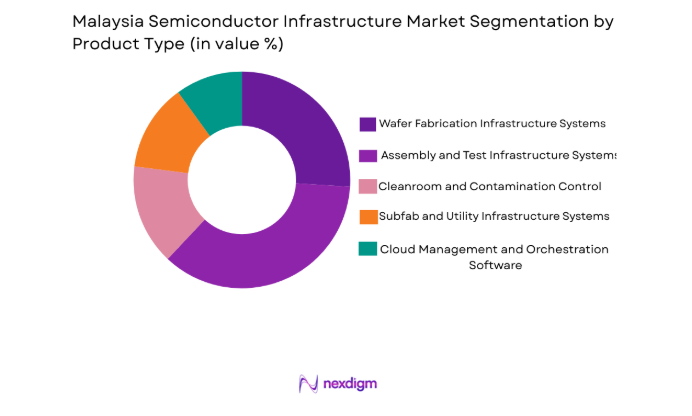
Malaysia Semiconductor Infrastructure market is segmented by product type into wafer fabrication infrastructure systems, assembly and test infrastructure systems, cleanroom and contamination control systems, subfab and utility infrastructure systems, and facility automation and smart manufacturing systems. Recently, assembly and test infrastructure systems has a dominant market share due to Malaysia’s global leadership in outsourced semiconductor assembly and test operations, continuous expansion of advanced packaging capacity, and sustained investments in backend semiconductor reliability testing and packaging facility upgrades supporting automotive and power semiconductor production.
By Platform Type
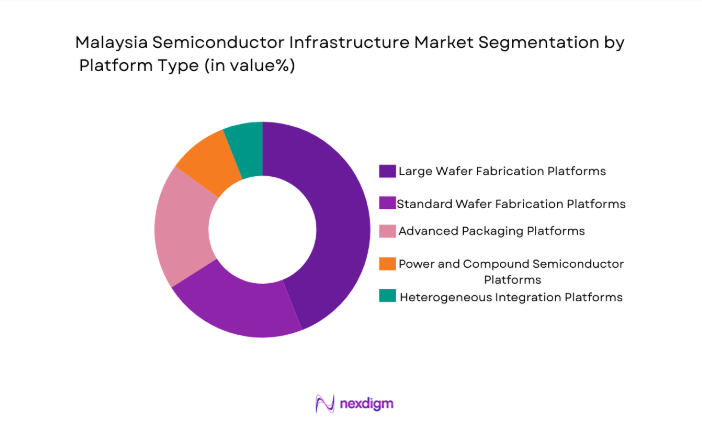
Malaysia Semiconductor Infrastructure market is segmented by platform type into Large wafer fabrication platforms, Standard wafer fabrication platforms, advanced packaging platforms, power and compound semiconductor platforms, and heterogeneous integration platforms. Recently, advanced packaging platforms has a dominant market share due to concentration of multinational OSAT facilities in Malaysia, strong demand for system-in-package and wafer-level packaging technologies, and continuous infrastructure expansion supporting high-reliability automotive and power semiconductor packaging operations across Penang and Kulim clusters.
Competitive Landscape
Malaysia’s semiconductor infrastructure market exhibits moderate consolidation, with multinational semiconductor manufacturers and specialized infrastructure engineering firms dominating capital-intensive facility development. Global IDMs and OSAT providers drive large-scale infrastructure procurement, while local engineering and automation companies support facility integration and smart fab systems. Long-term supplier relationships, cluster-based expansion strategies, and government-supported industrial parks reinforce competitive positioning of established semiconductor manufacturers and infrastructure integrators.
| Company Name | Establishment Year | Headquarters | Technology Focus | Market Reach | Key Products | Revenue | Fab Infrastructure Scale |
| Intel Malaysia | 1972 | USA | ~ | ~ | ~ | ~ | ~ |
| Infineon Technologies Malaysia | 1973 | Germany | ~ | ~ | ~ | ~ | ~ |
| ASE Technology Holding Malaysia | 1984 | Taiwan | ~ | ~ | ~ | ~ | ~ |
| Amkor Technology Malaysia | 1968 | USA | ~ | ~ | ~ | ~ | ~ |
| SilTerra Malaysia | 1995 | Malaysia | ~ | ~ | ~ | ~ | ~ |
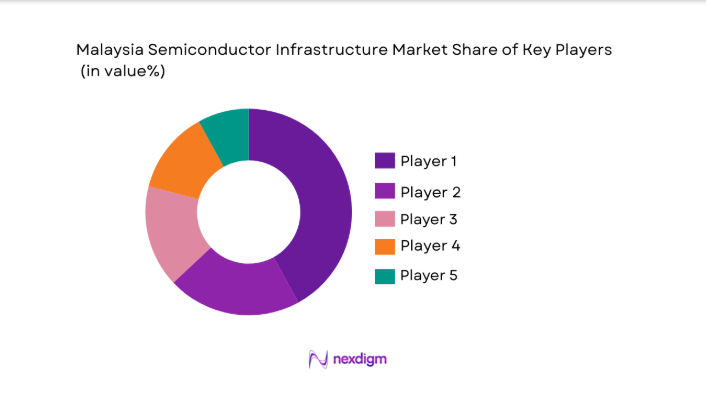
Malaysia Semiconductor Infrastructure Market Analysis
Growth Drivers
Expansion of advanced packaging and OSAT capacity in Malaysia
Malaysia’s semiconductor infrastructure market is experiencing sustained growth due to rapid expansion of outsourced semiconductor assembly and test facilities driven by global demand for automotive, power management, and heterogeneous integration semiconductors, which require sophisticated backend infrastructure including advanced packaging lines, reliability testing facilities, and contamination-controlled environments across Penang and Kulim clusters. The country hosts one of the world’s largest OSAT ecosystems, with multinational companies continuously upgrading packaging technologies such as system-in-package, wafer-level packaging, and flip-chip integration, necessitating significant investment in facility engineering, subfab utilities, and precision environmental control systems. Rising electric vehicle production and power electronics demand globally have increased the need for automotive-grade semiconductor packaging reliability infrastructure, accelerating investments in burn-in testing systems, environmental stress screening chambers, and automated material handling systems within Malaysian campuses. Continuous technology migration toward heterogeneous integration architectures, combining logic, memory, and sensor dies, requires expanded advanced packaging floor space and ultra-clean facility environments, strengthening infrastructure spending across backend manufacturing. Malaysia’s established semiconductor workforce, mature supplier networks, and government incentives for backend semiconductor expansion attract new OSAT projects and reinvestment by existing multinational manufacturers, reinforcing infrastructure demand growth. Strategic diversification of global semiconductor supply chains away from concentrated regions has increased Malaysia’s attractiveness as a stable backend manufacturing hub, leading to infrastructure expansion commitments from global semiconductor firms.
Localization of power semiconductor wafer fabrication infrastructure
Malaysia is witnessing increasing investment in power semiconductor wafer fabrication infrastructure as global demand for energy-efficient electronics, electric vehicles, renewable energy systems, and industrial power control modules expands rapidly, requiring new fabrication facilities capable of producing silicon carbide and specialty power semiconductor devices within Southeast Asia. Multinational semiconductor companies are establishing or expanding wafer fabrication plants in Malaysia to serve automotive and industrial markets, driving large-scale infrastructure demand for cleanrooms, ultrapure water systems, specialty gas delivery networks, and high-reliability power infrastructure essential for wafer processing operations. Power semiconductor fabrication requires unique facility specifications including high-temperature processing environments, contamination-controlled materials handling, and robust energy supply stability, leading to substantial capital investment in advanced semiconductor infrastructure engineering within Malaysian industrial parks. Government industrial policies supporting semiconductor manufacturing localization and high-technology investments encourage multinational companies to build or expand wafer fabrication facilities domestically, accelerating infrastructure development momentum. Malaysia’s geographic proximity to major automotive electronics manufacturing bases in Asia strengthens its role as a regional hub for power semiconductor supply, encouraging fabrication infrastructure expansion to support downstream electronics production networks. Long lifecycle and reliability requirements of power semiconductors necessitate specialized testing, packaging, and qualification infrastructure integrated with fabrication plants, increasing overall semiconductor infrastructure spending.
Market Challenges
High capital intensity and long payback cycles of semiconductor infrastructure
Semiconductor infrastructure development in Malaysia requires extremely high upfront capital expenditure due to the complexity of wafer fabrication cleanrooms, advanced packaging lines, ultrapure utility systems, and precision environmental control technologies, making project financing and investment justification challenging for manufacturers and infrastructure developers operating in cyclical semiconductor markets. Construction of advanced semiconductor facilities involves multibillion-dollar investments with long depreciation periods, requiring sustained production utilization levels and stable global semiconductor demand to achieve acceptable returns, exposing infrastructure projects to market volatility risks. Semiconductor demand fluctuations driven by global electronics cycles can delay capacity utilization in newly constructed facilities, extending payback timelines and reducing financial attractiveness of infrastructure expansion initiatives. Infrastructure engineering for semiconductor fabs requires specialized materials, imported equipment, and high-precision construction processes, increasing costs and limiting local supply chain substitution opportunities within Malaysia. Rising global costs of semiconductor manufacturing equipment, cleanroom technologies, and high-purity utility systems further elevate infrastructure investment requirements, creating financial barriers for new entrants and expansion projects. .
Dependence on imported precision engineering and infrastructure technologies
Malaysia’s semiconductor infrastructure market faces structural challenges due to heavy reliance on imported precision engineering equipment, advanced cleanroom systems, high-purity gas and chemical delivery technologies, and semiconductor-grade facility automation solutions sourced primarily from developed semiconductor equipment manufacturing countries. Limited domestic capability in producing advanced semiconductor facility components restricts localization of infrastructure supply chains, increasing project costs and exposure to global supply disruptions or geopolitical trade restrictions affecting semiconductor equipment exports. Semiconductor infrastructure construction requires specialized engineering expertise and proprietary technologies often controlled by international suppliers, constraining domestic ecosystem development and limiting knowledge transfer opportunities within Malaysia. Currency fluctuations and international logistics costs can significantly impact infrastructure project budgets due to high import content in semiconductor facility components. Dependence on foreign suppliers also lengthens procurement timelines for critical infrastructure systems, potentially delaying fab construction schedules and capacity ramp-up plans. Technology export controls affecting semiconductor manufacturing equipment may indirectly influence availability of certain infrastructure technologies or support systems required for advanced semiconductor facilities.
Opportunities
Development of advanced packaging and heterogeneous integration infrastructure hubs
Malaysia has significant opportunity to expand its semiconductor infrastructure market through establishment of dedicated advanced packaging and heterogeneous integration infrastructure hubs that consolidate wafer-level packaging, system-in-package assembly, chiplet integration, and reliability testing facilities within specialized industrial clusters, leveraging the country’s existing OSAT leadership and skilled workforce. Global semiconductor architecture trends toward chiplet-based designs and heterogeneous integration require sophisticated backend manufacturing ecosystems combining advanced packaging, high-precision testing, and ultra-clean facility environments, positioning Malaysia to attract new infrastructure investment aligned with these technologies. Concentrated infrastructure hubs enable shared utilities, logistics optimization, and supplier proximity benefits that reduce operating costs and accelerate technology deployment for semiconductor manufacturers. Government-supported semiconductor cluster development initiatives can incentivize multinational companies to establish advanced packaging facilities domestically, strengthening Malaysia’s global position in backend semiconductor manufacturing. Advanced packaging infrastructure also supports emerging applications such as artificial intelligence processors, automotive electronics, and high-performance computing devices, expanding demand beyond traditional semiconductor markets. Integration of design, packaging, and testing capabilities within localized clusters enables faster product development cycles and supply chain efficiency improvements for semiconductor firms operating in Malaysia. Development of heterogeneous integration infrastructure hubs would attract equipment suppliers, materials companies, and engineering service providers, strengthening the domestic semiconductor infrastructure ecosystem.
Expansion of power semiconductor and compound semiconductor fabrication ecosystems
Malaysia’s semiconductor infrastructure market can grow substantially through development of integrated power semiconductor and compound semiconductor fabrication ecosystems focused on silicon carbide, gallium nitride, and specialty power devices required for electric mobility, renewable energy, and industrial automation applications, aligning with global energy transition trends. Establishing dedicated fabrication clusters for wide-bandgap semiconductors would stimulate demand for specialized infrastructure including high-temperature processing cleanrooms, advanced materials handling systems, and precision wafer processing utilities tailored to compound semiconductor manufacturing requirements. Global demand for power electronics is expanding rapidly due to electrification of transport and renewable energy deployment, encouraging semiconductor manufacturers to diversify fabrication capacity geographically, creating opportunity for Malaysia to attract new fab investments. Integrated ecosystems combining wafer fabrication, packaging, and testing infrastructure would strengthen Malaysia’s role across the full power semiconductor value chain. Development of compound semiconductor infrastructure capabilities also supports emerging technologies such as high-frequency communications and advanced sensing applications, broadening market potential. Collaboration between government agencies and semiconductor companies to create supportive industrial policies and incentives can accelerate fabrication ecosystem development. Domestic supplier capability building in materials, gases, and facility engineering for compound semiconductor manufacturing would enhance localization and reduce dependence on imports.
Future Outlook
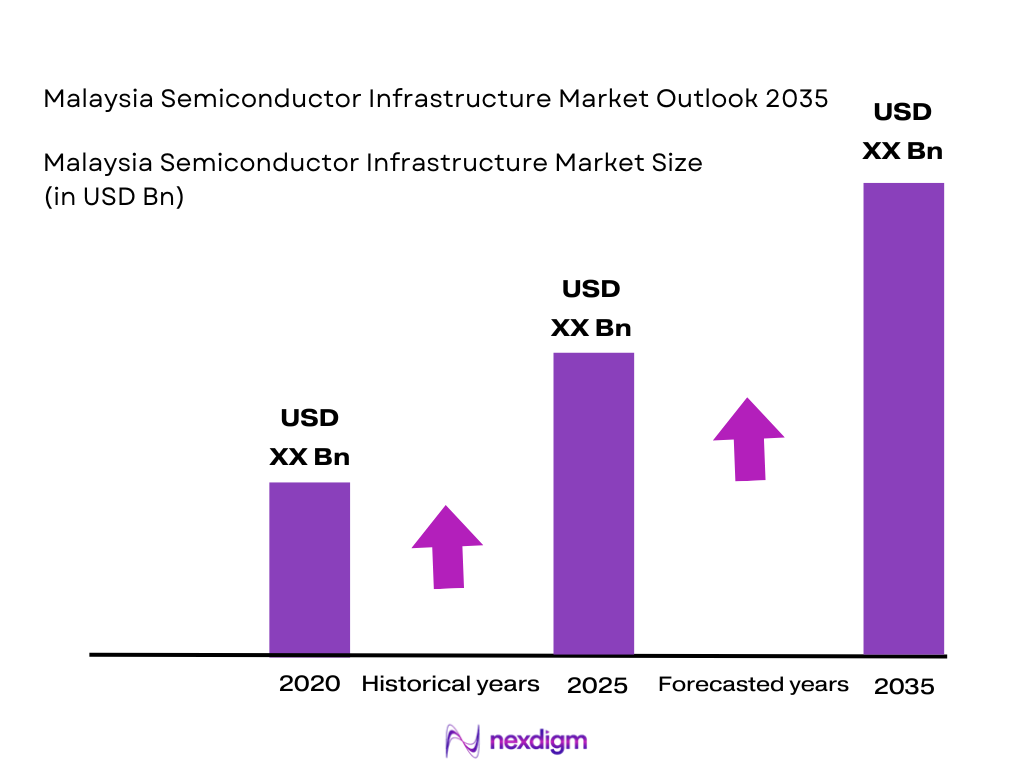
Malaysia’s semiconductor infrastructure market is expected to expand steadily over the next five years driven by continued multinational investments in advanced packaging, power semiconductor fabrication, and cluster-based semiconductor industrial parks. Technology migration toward heterogeneous integration and wide-bandgap semiconductors will increase infrastructure complexity and value. Government incentives supporting semiconductor localization and supply chain resilience will reinforce capacity expansion. Growing demand from automotive, AI, and energy transition applications will sustain long-term infrastructure development momentum across Malaysian semiconductor clusters.
Major Players
- Intel Malaysia
- Infineon Technologies Malaysia
- ASE Technology Holding Malaysia
- Amkor Technology Malaysia
- Texas Instruments Malaysia
- STMicroelectronics Malaysia
- Bosch Semiconductor Malaysia
- Unisem Group
- Globetronics Technology
- InariAmertron
- PentamasterCorporation
- ViTroxCorporation
- NationGateHoldings
- SilTerraMalaysia
- TF AMD Microelectronics Malaysia
Key Target Audience
- Semiconductor manufacturers
- OSAT providers
- Electronics manufacturing firms
- Investments and venture capitalist firms
- Government and regulatory bodies
- Industrial parkdevelopers
- Semiconductor equipment suppliers
- Infrastructure engineering contractors
Research Methodology
Step 1: Identification of Key Variables
Key market variables including semiconductor facility investments, infrastructure cost components, cluster development activity, and manufacturing capacity expansion trends were identified through industry databases, government publications, and semiconductor trade data. These variables defined the analytical framework for market estimation and segmentation.
Step 2: Market Analysis and Construction
Market size and segmentation were constructed by mapping semiconductor facility investments across Malaysian clusters, evaluating infrastructure intensity ratios for fabrication and packaging plants, and integrating engineering cost benchmarks from comparable semiconductor infrastructure projects. Data triangulation ensured consistency across segments.
Step 3: Hypothesis Validation and Expert Consultation
Preliminary findings were validated through consultation with semiconductor infrastructure engineers, facility planners, and industry analysts familiar with Malaysian semiconductor clusters. Expert insights refined assumptions related to technology mix, capacity utilization, and infrastructure investment patterns across fabs and OSAT facilities.
Step 4: Research Synthesis and Final Output
Validated datasets and analytical outputs were synthesized into final market estimates, segmentation structures, and competitive landscape assessments. Consistency checks across infrastructure types, end-user segments, and cluster development trends ensured reliability of the final semiconductor infrastructure market report.

- Executive Summary
- Research Methodology (Definitions, Scope, Industry Assumptions, Market Sizing Approach, Primary & Secondary Research Framework, Data Collection & Verification Protocol, Analytic Models & Forecast Methodology, Limitations & Research Validity Checks)

- Market Definition and Scope
- Value Chain & Stakeholder Ecosystem
- Regulatory / Certification Landscape
- Sector Dynamics Affecting Demand
- Strategic Initiatives & Infrastructure Growth

- Growth Drivers
Expansion of advanced packaging and OSAT infrastructure capacity
Localization of power semiconductor wafer fabrication facilities
Government incentives for semiconductor manufacturing clusters - Market Challenges
High capital intensity and long infrastructure payback cycles
Dependence on imported semiconductor facility technologies
Skilled workforce constraints in semiconductor facility engineering - Market Opportunities
Development of advanced packaging infrastructure hubs
Expansion of compound semiconductor fabrication ecosystems
Localization of semiconductor infrastructure supply chains - Trends
Migration toward heterogeneous integration packaging infrastructure
Growth of power and wide bandgap semiconductor fabs
Adoption of smart fab and Industry 4.0 facility automation
Cluster based semiconductor industrial park development
Sustainable and energy efficient semiconductor facilities - Government Regulations & Defense Policy
National semiconductor industry development incentives
Environmental and water usage compliance for fabs
Technology security and export control alignment - SWOT Analysis
- Stakeholder and Ecosystem Analysis
- Porter’s Five Forces Analysis
- Competition Intensity and Ecosystem Mapping

- By Market Value, 2020-2025
- By Installed Units, 2020-2025
- By Average System Price, 2020-2025
- By System Complexity Tier, 2020-2025

- By System Type (In Value%)
Wafer Fabrication Infrastructure
Assembly and Test Infrastructure
Cleanroom and Contamination Control Systems
Subfab and Utility Infrastructure
Advanced Packaging Infrastructure - By Platform Type (In Value%)
300mm Wafer Fabrication Platforms
200mm Wafer Fabrication Platforms
Advanced Packaging Platforms
Power and Compound Semiconductor Platforms
Heterogeneous Integration Platforms - By Fitment Type (In Value%)
Greenfield Fab Construction
Brownfield Expansion Projects
Facility Retrofit and Modernization
Modular Fab Infrastructure
Pilot and R&D Line Infrastructure - By End User Segment (In Value%)
Integrated Device Manufacturers
Outsourced Semiconductor Assembly and Test Providers
Foundries
Electronics Manufacturing Services Firms
Research and Innovation Centers - By Procurement Channel (In Value%)
Direct EPC Contracts
Turnkey Fab Developers
Government Incentive Linked Procurement
Joint Venture Procurement
Specialized Infrastructure Integrators - By Material / Technology (in Value %)
Ultra High Purity Gas and Chemical Delivery Systems
Precision HVAC and Thermal Control Technologies
Advanced Filtration and Contamination Control Materials
Facility Automation and Smart Manufacturing Systems
ESD and EMI Control Infrastructure Materials

- Market structure and competitive positioning
Market share snapshot of major players - Cross Comparison Parameters (Infrastructure Scope, Technology Capability, Fab Scale, Project Execution Model, Localization Level)
- SWOT Analysis of Key Competitors
- Pricing & Procurement Analysis
- Key Players
Intel Malaysia
Infineon Technologies Malaysia
ASE Technology Holding Malaysia
Amkor Technology Malaysia
Texas Instruments Malaysia
STMicroelectronics Malaysia
Bosch Semiconductor Malaysia
Unisem Group
Globetronics Technology
Inari Amertron
Pentamaster Corporation
ViTrox Corporation
NationGate Holdings
SilTerra Malaysia
TF AMD Microelectronics Malaysia

- Integrated device manufacturers expanding fabrication and packaging capacity
- OSAT providers upgrading advanced packaging infrastructure
- Foundries investing in mature node and specialty fabs
- Research centers supporting semiconductor materials and packaging innovation

- Forecast Market Value, 2026-2035
- Forecast Installed Units, 2026-2035
- Price Forecast by System Tier, 2026-2035
- Future Demand by Platform, 2026-2035


 Request a Sample
 Ask for Customization
 Get a Quote
 Enquire Now