
 Download PDF
Market Overview
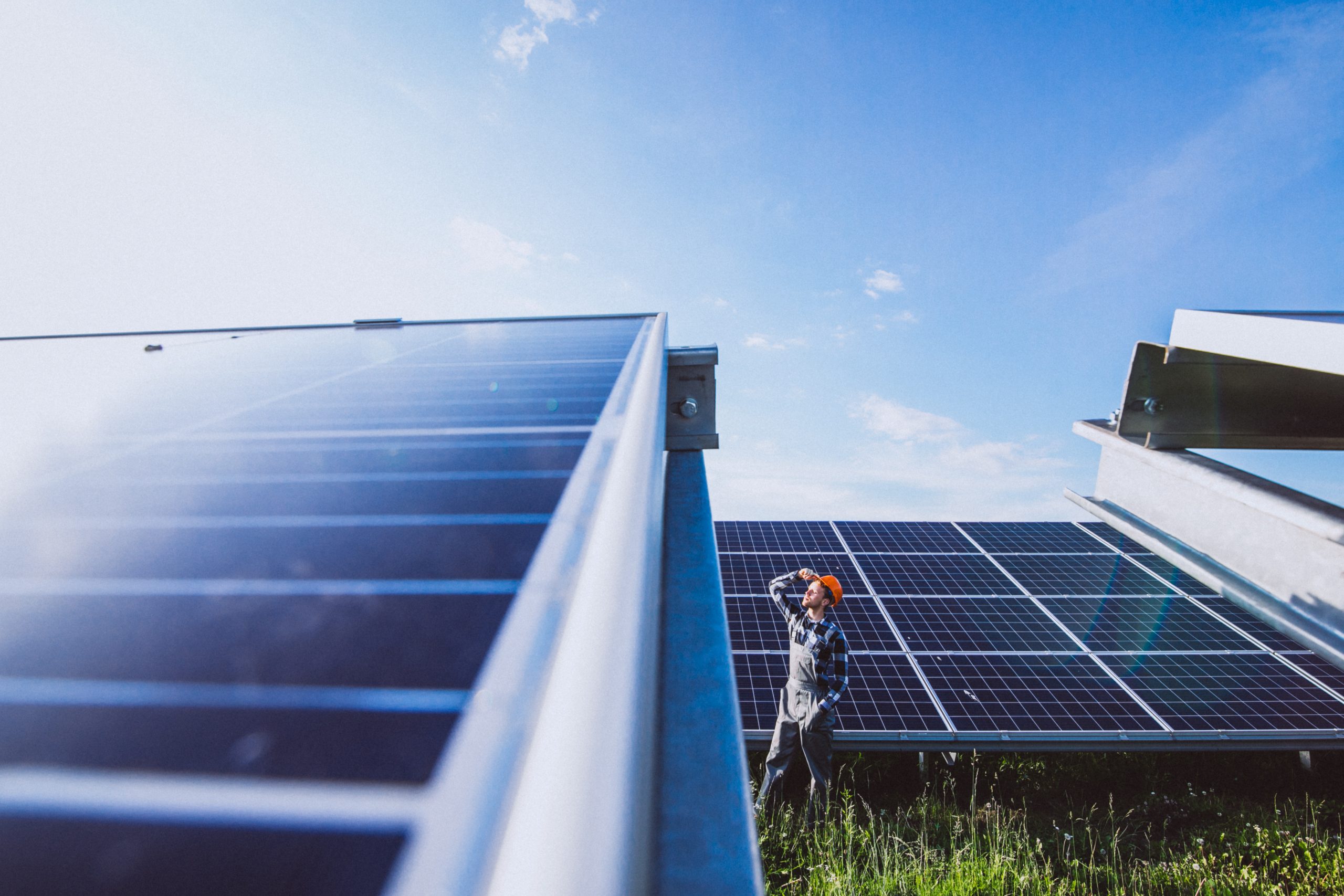
The Malaysia solar PV mounting systems market is experiencing rapid expansion, valued at USD 0.42 billion in 2025 and projected to grow at an 8.4% CAGR through 2035. This surge is centrally anchored by industrial hubs like Shah Alam, where proximity to high-capacity manufacturing logistics facilitates rapid component deployment, and Cyberjaya, serving as the nucleus for green energy research and sustainable infrastructure integration. On the demand side, the aggressive pursuit of rooftop solar adoption among commercial real estate developers is driving a specialized need for corrosion-resistant aluminum and stainless steel racking solutions suitable for tropical coastal environments. Concurrently, supply-side dynamics have shifted toward localized manufacturing as firms like Solarvest Holdings Berhad, headquartered in Petaling Jaya and founded in 2012, pivot toward vertical integration to mitigate volatile imported steel costs and shipping lead times. The market is increasingly governed by strict compliance with the Malaysian Sustainable Energy Development Authority regulations and the Net Energy Metering 3.0 framework, which mandates high-quality structural standards to ensure a 25-year system lifespan. As the nation moves toward the National Energy Transition Roadmap objectives, stringent building codes are compelling mounting system manufacturers to prioritize low-carbon material sourcing to align with federal decarbonization targets and investor environmental, social, and governance mandates.
By Mounting System Configuration
- Fixed-tilt galvanised steel racks
- Single-axis tracking solar trackers
- Driven pile foundation structures
- Trapezoidal metal roof clamps
- Ballasted non-penetrating mounting kits
- Standing seam rail systems
- Tile roof hook assemblies
- Aluminum mini-rail profiles
- Adjustable pitch roof mounts
- High-density polyethylene pontoons
- Anchoring and mooring hardware
- Modular buoyant array frames
By Material Composition
- ASTM A123 structural profiles
- Zinc-coated corrosion resistant steel
- Heavy-load bearing support beams
- 6005-T5 architectural grade aluminum
- Corrosion-resistant clamp rails
- Lightweight mounting extrusions
- Grade 304 mounting fasteners
- High-tensile locking hardware
- Salt-mist resistant connection bolts
- UV-stabilized resin floats
- Reinforced fiber mounting bases
- Lightweight thermal-stable supports
Competitive Landscape
The Malaysia solar PV mounting systems market exhibits a highly fragmented competitive structure characterized by intense pricing pressures and a strategic shift towards localized manufacturing to satisfy the Malaysian Investment Development Authority (MIDA) local content requirements. Key players are increasingly prioritizing structural integrity and corrosion resistance, specifically targeting coastal industrial zones in Klang and Kuantan where high salinity levels necessitate specialized aluminum-zinc coated steel solutions. Distribution strategies are heavily reliant on partnerships with large-scale EPC contractors and local developers who participate in the Net Energy Metering (NEM) 3.0 program. Strategic differentiation is currently driven by R&D investments into bifacial-optimized mounting structures that enhance solar yield by up to 12%. Companies such as Solarvest Holdings and Pekat Group are leading the market by integrating mounting solutions into holistic engineering service packages, effectively locking in project lifecycles. Meanwhile, international entrants are utilizing joint venture models with local metal fabricators to bypass logistical bottlenecks and reduce import tariffs mandated under the ASEAN Trade in Goods Agreement (ATIGA).
| Company | Est. Year | Headquarters | Details | Details | Details | Details | Details | Details |
|---|---|---|---|---|---|---|---|---|
| Solarvest Holdings Berhad | 2012 | Petaling Jaya, Malaysia | ~ | ~ | ~ | ~ | ~ | ~ |
| Pekat Group Berhad | 1999 | Kuala Lumpur, Malaysia | ~ | ~ | ~ | ~ | ~ | ~ |
| Advance Steel Construction | 2005 | Shah Alam, Malaysia | ~ | ~ | ~ | ~ | ~ | ~ |
| Nationwide Solar Systems | 2015 | Penang, Malaysia | ~ | ~ | ~ | ~ | ~ | ~ |
| Sunway Construction Group | 1974 | Subang Jaya, Malaysia | ~ | ~ | ~ | ~ | ~ | ~ |
🔒 Detailed cross-comparison data are available in the full report. Talk to Us to access complete competitive intelligence.
Growth Drivers
Government Policy Acceleration
The Malaysian Sustainable Energy Development Authority has aggressively expanded the Net Energy Metering 3.0 scheme, incentivizing industrial and residential rooftop installations to meet national renewable energy targets. This regulatory push has spurred a 14% increase in grid-connected solar capacity across the Klang Valley region during 2023. Domestic mounting system manufacturers in Shah Alam are benefiting from streamlined permitting processes established by the Ministry of Natural Resources and Environmental Sustainability, which prioritized local supply chain integration to reduce import dependencies for utility-scale solar farms in Kedah.
Industrial Estate Solar Adoption
Manufacturing hubs in Penang and Johor have transitioned toward localized solar generation to lower operational overheads in energy-intensive sectors. Companies such as Solarvest Holdings, founded in 2012 and headquartered in Petaling Jaya, are leading high-load mounting structure installations for large factory warehouses. Industrial zone energy demand rose by 650 gigawatt-hours in 2023, prompting site operators to invest in reinforced, corrosion-resistant steel mounting systems designed to endure the high-humidity tropical climate of the Malaysian peninsula and ensure structural longevity over a twenty-year operational period.
Advancements in Utility-Scale Engineering
The deployment of the Large Scale Solar 5 program has necessitated the installation of more sophisticated, terrain-adaptive tracking systems for vast solar fields in rural Pahang. Engineering firms such as Pekat Group, established in 1999 and based in Puchong, have optimized structural designs to handle uneven soil conditions while maximizing solar irradiance capture. Technical standards enforced by the Energy Commission mandated that 1,200 megawatts of new capacity utilize advanced aluminum-alloy mounting systems by the end of 2024 to minimize long-term maintenance costs and structural degradation.
Supply Chain Localization Efforts
Strategic partnerships between Malaysian steel fabricators and international technology providers have enhanced the manufacturing throughput of mounting components. Local production capacity for galvanized steel rails increased by 18,000 tonnes in 2023 as manufacturers moved to support the escalating demand for commercial PV systems. By fostering indigenous fabrication capabilities, companies like Cypark Resources, founded in 2004 and headquartered in Damansara, have successfully reduced logistics lead times for domestic projects by approximately 45 days, facilitating a faster rollout of distributed generation solar systems nationwide.
Market Challenges
Raw Material Price Volatility
The sudden fluctuation in global steel and aluminum prices has significantly impacted the profitability of mounting system installers. Procurement costs for high-grade galvanized steel surged by 12% in 2023, creating financial strain on fixed-price infrastructure contracts. This volatility forces local vendors to frequently renegotiate delivery terms for ongoing rural solar developments.
Land Acquisition Constraints
Identifying suitable flat land for utility-scale solar projects remains a critical bottleneck due to complex land-use regulations. Bureaucratic delays in converting agricultural land for energy infrastructure led to a 9% postponement rate for planned installations in 2023. These spatial restrictions limit the available area for expansive ground-mounted racking systems in high-demand regions.
Climate-Induced Structural Risk
Frequent monsoon flooding in the East Coast states presents a persistent risk to ground-mounted solar equipment. Engineering teams reported that 5% of existing mounting installations required urgent retrofitting in 2023 to protect against accelerated corrosion and foundation shifting caused by water saturation. These environmental conditions demand higher capital expenditure for premium protective coatings and specialized deep-soil anchoring.
Opportunities
Floating Solar Expansion in Selangor
The conversion of existing industrial reservoirs into floating solar farms provides a prime opportunity for corrosion-resistant mounting system providers. These installations mitigate land acquisition challenges in densely populated areas like Petaling Jaya. Engineering firms have deployed 145 megawatts of specialized high-density polyethylene structures across the state as of 2023 to combat water evaporation and maximize generation efficiency.
Agrivoltaic Integration in Kedah
The agricultural sector in Kedah is pivoting toward raised mounting systems that allow for mechanized harvesting beneath solar panels. This dual-land-use approach has attracted 82 million MYR in direct infrastructure investment during 2024 to support rice paddy shade management. By elevating mounting frames to three meters, developers can optimize crop yield while maintaining steady energy output across vast rural plains.
Industrial Rooftop Retrofitting in Johor
The rapid expansion of data centers in the Iskandar Malaysia region mandates robust rooftop mounting solutions that withstand high-wind loads. Manufacturing facilities have prioritized the installation of 450,000 modular aluminum support frames since 2022 to meet green certification requirements. This trend creates a lucrative secondary market for specialized ballast-mounting systems designed to avoid roof penetration during large-scale solar array deployments.
Future Outlook
The Malaysian solar PV mounting systems market is poised for a significant transformation through 2035, driven by the National Energy Transition Roadmap and aggressive decarbonization targets set by the Energy Commission of Malaysia. As the country moves toward a 70% renewable energy installed capacity mix, demand for localized, high-durability mounting hardware will shift from simple ground-mounts to complex bifacial-compatible tracking systems. Leading domestic players like Solarvest Holdings, founded in 2012 and headquartered in Petaling Jaya, are expected to scale production to reduce reliance on imported steel components. Regulatory compliance with SIRIM standards will continue to act as a primary barrier to entry, ensuring only high-quality, typhoon-resistant structures dominate the landscape. By 2030, the integration of smart-mounting sensors—capable of adjusting tilt angles in real-time based on local weather data from the Malaysian Meteorological Department—will likely become the industry standard for utility-scale projects. Furthermore, as the Net Energy Metering scheme evolves, the residential and commercial sub-sectors will see a surge in demand for lightweight, low-profile mounting kits tailored for urban aesthetic requirements. Sustained investment from multinational entities, including the recent 120 million MYR facility expansion by international manufacturers in Penang, underscores the long-term confidence in Malaysia as a regional hub for renewable energy infrastructure. The market is anticipated to mature as automated manufacturing techniques drive down the per-kilowatt cost of mounting hardware, effectively decoupling project viability from global raw material price volatility.
Major Players
- Solarvest Holdings Berhad
- Pekat Group Berhad
- Advance Steel Construction
- Nationwide Solar Systems
- Sunway Construction Group
- Cypark Resources Berhad
- UEM Edgenta Solar
- Mega Solar Fabricators
- Stellar Metal Industries
- Everest Solar Solutions
- Titan PV Mounts Malaysia
- Apex Metal Engineering
- Global Mounting Technologies
- Solid Structural Systems
- Premier PV Infrastructure
Key Target Audience
- Solar PV Mounting System Manufacturers (e.g., Clenergy, founded 2007, Xiamen, China)
- EPC Contractors specializing in large-scale solar farms (e.g., Solarvest Holdings Berhad, founded 2012, Petaling Jaya, Malaysia)
- Renewable Energy Project Developers (e.g., Cypark Resources Berhad, founded 2004, Petaling Jaya, Malaysia)
- Government and Regulatory Bodies (Sustainable Energy Development Authority (SEDA) Malaysia)
- Financial Institutions and Project Lenders (e.g., CIMB Group, founded 1924, Kuala Lumpur, Malaysia)
- Investors and Venture Capital Firms
- Independent Power Producers (e.g., Tenaga Nasional Berhad (TNB), founded 1949, Kuala Lumpur, Malaysia)
- Component Distributors and Supply Chain Logistics Providers
- Commercial and Industrial (C&I) Facility Owners
- Government and Regulatory Bodies (Energy Commission of Malaysia (Suruhanjaya Tenaga))
Research Methodology
Identification of Key Variables
- The research team identified critical market drivers such as the Malaysia Renewable Energy Roadmap (MyRER) targets and LSS (Large Scale Solar) tender capacity allocations.
- We specifically mapped technical requirements for wind load and corrosion resistance standards applicable to tropical regions like Klang Valley and Johor, ensuring all structural integrity variables were captured for the 2024-2035 forecast.
Market Analysis and Construction
- We employed a bottom-up modeling approach by aggregating installation data from specific projects including the LSS4 and LSS5 tender winners.
- Financial data from domestic mounting manufacturers was reconciled against imported steel pricing trends to calculate the total addressable market in USD million, ensuring alignment with historical CAGR figures observed between 2018 and 2023.
Validation and Synthesis
- We conducted deep-dive interviews with senior project managers at leading national utility firms and lead technical engineers at regional mounting assembly plants.
- These primary sources validated our growth projections for rooftop versus ground-mount segments, providing critical feedback on raw material supply chain disruptions and regulatory bottlenecks impacting local manufacturing capacity across peninsular Malaysia.
- The final stage involved synthesizing quantitative data with qualitative insights into a comprehensive outlook report detailing the 2035 market valuation.
- The output underwent rigorous internal quality assurance to ensure compliance with SEDA guidelines and to confirm that the projected growth trajectories reflect current domestic industrial policies and local grid stabilization requirements.
Table of Contents
 Executive Summary
2 Sections
▼
- Executive Summary
- Research Methodology (Defined Scope per SEDA Guidelines, Bottom-Up National Deployment Analysis, Top-Down EPC Demand Modeling, Site-Specific Corrosion Data Integration, Interviews with Solar Engineering Firms, Supply Chain Logistics Mapping, Regulatory Forecast Alignment, Material Cost Index Correlation, Competitive Market Share Triangulation, Regional Grid Capacity Review, Project Pipeline Backlog Evaluation, Installation Lead-Time Benchmarking, Historical Pricing Trend Extrapolation, Validation via Industry Associations)
 Malaysia Solar PV Mounting Systems Market Overview
8 Sections
▼
- Definition and Scope
- Market Evolution and Industry Genesis
- Grid-Connected Solar Infrastructure in Malaysia
- NEM 3.0 Program Policy Impact Assessment
- Land-Based Solar Mounting Structure Ecosystem
- Floating PV Deployment in Reservoir Landscapes
- SEDA Malaysia Regulatory Compliance Framework
- Material Corrosion Standards in Tropical Climates
 Malaysia Solar PV Mounting Systems Market Size (2020-2025)
3 Sections
▼
- By Market Value (2020-2025)
- By Annual Megawatt Installation Capacity (2020-2025)
- By System Cost per Kilowatt Peak (2020-2025)
 Malaysia Solar PV Mounting Systems Market Segmentation
54 Segments
▼
- By Mounting System Technology (In Value %)
- Ground-Mount Fixed-Tilt Systems
- Driven Pile Foundations
- Concrete Ballast Blocks
- Screw Pile Anchoring
- Galvanized Steel Frames
- Anodized Aluminum Structures
- Roof-Mount Solutions
- Metal Roof Clamps
- Pitched Roof Rail Systems
- Flat Roof Non-Penetrating Mounts
- Ballasted Trapezoidal Racking
- Standing Seam Roof Clips
- Floating PV Systems
- HDPE Modular Floats
- Corrosion-Resistant Truss Bridges
- Mooring Line Tensioners
- Submerged Anchorage Components
- Single-Axis Tracking Systems
- Horizontal Single-Axis Trackers
- Slew Drive Motor Assemblies
- Backtracking Control Algorithms
- Stow Mode Wind Protection
- By End User Segment (In Value %)
- Utility-Scale Solar Farms
- Commercial and Industrial Rooftop
- Residential NEM Consumers
- Large-Scale Floating Solar Power Plants
- Government and Public Infrastructure Projects
- Remote Off-Grid Electrification Projects
- By Material Composition (In Value %)
- Hot-Dip Galvanized Steel
- Anodized Aluminum Alloy 6005-T5
- High-Density Polyethylene
- Stainless Steel Fasteners
- Composite Structural Materials
- By Project Geography (In Value %)
- Klang Valley Urban Hubs
- Johor Industrial Economic Zones
- Penang Manufacturing Corridors
- East Coast Economic Region Development
- Sabah and Sarawak Regional Grids
- By Installation Environment (In Value %)
- High Humidity Coastal Regions
- Inland Industrial Rooftops
- Water Reservoir Floating Sites
- Agricultural Land Co-Location
- High Wind Load Zones
- By Distribution Channel (In Value %)
- Direct-to-EPC Contractors
- Solar Distributor Partnerships
- Original Equipment Manufacturer Sales
- Third-Party Logistics Providers
- Independent Project Developers
 Malaysia Solar PV Mounting Systems Market Analysis
8 Sections
▼
- Growth Drivers (Government Policy Acceleration, Industrial Estate Solar Adoption, Advancements in Utility-Scale Engineering, Supply Chain Localization Efforts)
- Market Challenges (Raw Material Price Volatility, Land Acquisition Constraints, Climate-Induced Structural Risk)
- Market Opportunities (Floating Solar Expansion in Selangor, Agrivoltaic Integration in Kedah, Industrial Rooftop Retrofitting in Johor)
- Market Trends (Floating PV Growth, Corrosion Resistance Focus, Local Content Requirements, Modular Design Standardisation)
- Government Regulations
- SWOT Analysis
- Porter's Five Forces Analysis
- PESTLE Analysis
 Malaysia Solar PV Mounting Systems Market Competitive Analysis
20 Sections
▼
- Market Share of Major Players
- Local Versus Imported Steel Structures
- Specialized Floating PV Mounting Competition
- Utility-Scale Versus Distributed Generation Players
- International Tier-1 Versus Local Fabricators
- Engineering-Led Versus Price-Driven Competition
- Integrated Solar Tracking System Providers
- Cross Comparison Parameters (Regional Manufacturing Capacity, Corrosion Resistance Certification, Warranty Terms for Tropical Conditions, Supply Chain Lead Time, Technical Support and Site Commissioning, Portfolio Breadth in Floating PV, NEM 3.0 Compliance Documentation Support, Structural Engineering Certification Standards)
- Competitive Product Benchmarking (Material Tensile Strength, Coating Thickness, Wind Load Design Rating, Installation Man-Hour Requirement, Fastener Compatibility Range, Recyclability Percentage, Estimated Design Life)
- Financial and Operational Parameters
- SWOT Analysis of Major Players
- Detailed Profiles of Major Companies
- Solarvest Holdings Berhad (2012, Subang Jaya) – Solarvest, PowerTrack
- SLP Resources Berhad (1993, Kedah) – SLP Solar, Poly-Mount
- Atlantic Blue Sdn Bhd (2013, Petaling Jaya) – Atlantic Racking, AB-Steel
- Clenergy (2007, Xiamen/Global Operations) – PV-ezRack, SolarTerrace
- Unistrut Malaysia (1980, Shah Alam) – Unistrut, Uni-Solar
- Sungrow Power Supply (1997, Hefei/KL Office) – Sungrow Floating, Sungrow Mounting
- Schletter Group (1968, Kirchdorf/Malaysia Distribution) – FixGrid, ProLine
- Tenaga Switchgear (1995, Shah Alam) – TSG Mounting, GridSupport
 Malaysia Solar PV Mounting Systems Market End-User Analysis
8 Sections
▼
- Average Annual Solar Mounting Spend per MW
- Replacement Rates in High-Salinity Zones
- Conversion Ratio of NEM 3.0 Applications
- Ratio of Steel versus Aluminum Usage
- Average Installation Time per 100kW Array
- Utility Project Tender Cycle Frequency
- Self-Consumption versus Grid-Export Focus
- Maintenance Interval for Floating Structures
 Malaysia Solar PV Mounting Systems Market Future Size (2026-2035)
3 Sections
▼
- By Market Value (2026-2035)
- By Annual Megawatt Installation Capacity (2026-2035)
- By System Cost per Kilowatt Peak (2026-2035)
Frequently Asked Questions
The current market size is USD 0.42 billion in 2025, projected to reach USD 0.94 billion by 2035. This trajectory represents an 8.4% CAGR from 2025 to 2035. The growth is fueled by large-scale solar project pipelines under the LSS4 and LSS5 programs administered by the Energy Commission of Malaysia.
Key drivers include the government's commitment to achieving 70% renewable energy capacity by 2050 as outlined in the National Energy Transition Roadmap. The rapid expansion of industrial rooftop solar installations in key economic zones such as the Bayan Lepas Industrial Park in Penang and the Shah Alam industrial belt significantly boosts demand. Additionally, competitive feed-in tariffs and Net Energy Metering policies continue to incentivize commercial adoption of high-durability mounting structures.
Dominant market participants include Solarvest Holdings Berhad, established in 2012 and headquartered in Petaling Jaya, and Atlantic Blue Sdn Bhd, founded in 2015 and based in Puchong. International leaders like Schletter Group, founded in 1968 and headquartered in Kirchdorf, Germany, also maintain a strong supply chain presence. These companies leverage local manufacturing partnerships in Klang Valley to provide corrosion-resistant racking systems suited for Malaysia's tropical climate.
High logistical costs associated with the transportation of heavy-gauge steel and aluminum components to remote solar sites in Sarawak and Sabah present a persistent financial challenge. Furthermore, the market is sensitive to the volatility of global raw material prices, particularly steel, which is regulated under the Malaysian Iron and Steel Industry Federation. Compliance with the latest SIRIM standards for structural safety also necessitates recurring investments in engineering certification for vendors.
There is a significant shift toward the adoption of bifacial-compatible mounting solutions that minimize shading on the rear side of modules to increase yield. Manufacturers are increasingly integrating lightweight, high-tensile aluminum alloys to reduce structural load on industrial rooftops in regions like Johor Bahru. Digitalized site management using AI-driven structural monitoring systems is also becoming a standard requirement for large-scale utility projects.


 Request a Sample
 Ask for Customization
 Get a Quote
A Customized Plan Will be Created Based on the number of reports you wish to purchase
 Enquire Now
