
 Download PDF
 Download PDF
Market Overview
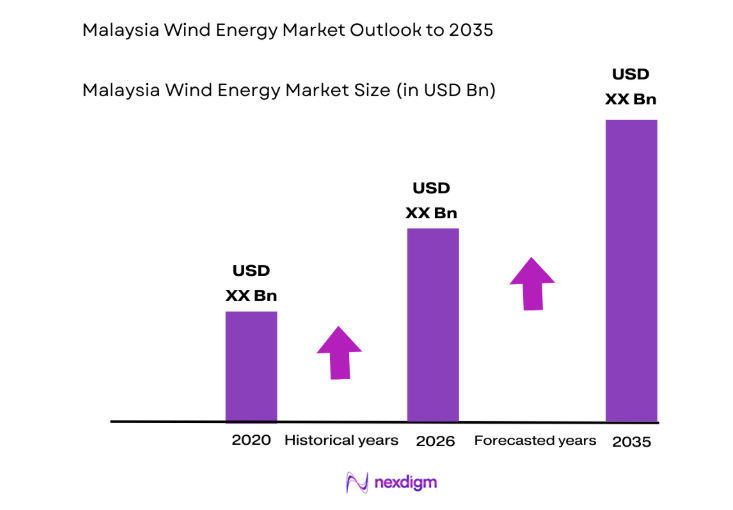
The Malaysia Wind Energy market is valued at approximately USD ~ million based on a recent historical assessment, driven by the growing need for renewable energy sources and the country’s commitment to achieving its clean energy goals. As the global demand for sustainable power increases, Malaysia has been making substantial investments in wind energy technology to diversify its energy mix. Wind energy is gaining traction as a viable alternative to traditional fossil fuels due to its lower environmental impact and cost-effectiveness.
Dominant regions like Peninsular Malaysia, particularly in states like Johor, and the East Coast, including Terengganu and Pahang, are key to the growth of the wind energy market. These areas have favorable wind conditions, making them suitable for large-scale wind farm installations. The local government’s emphasis on expanding renewable energy infrastructure in these areas supports the country’s vision to increase the share of renewable energy in its power generation capacity.
Market Segmentation
By Product Type
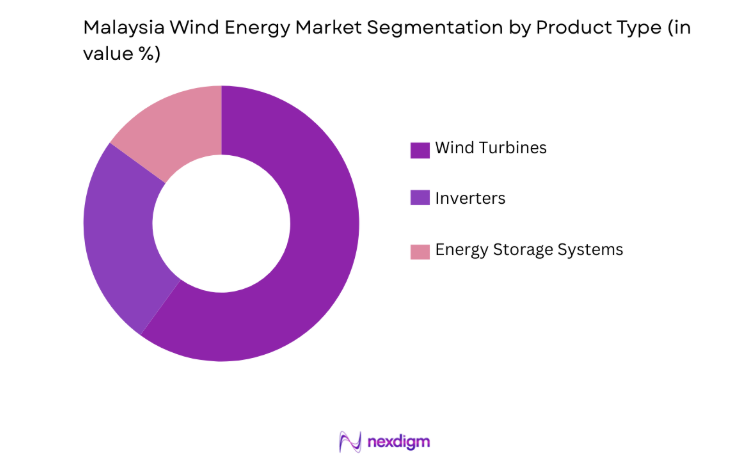
The Malaysia Wind Energy market is segmented by product type into wind turbines, inverters, and energy storage systems. Recently, wind turbines have dominated the market share due to their essential role in harnessing wind power. As technological advancements continue to lower the cost of manufacturing wind turbines, they have become more efficient and accessible for large-scale wind farms. Malaysia’s favorable wind conditions in coastal and offshore areas make it an attractive market for wind turbine installations. This increasing adoption of wind turbines, combined with favorable policies supporting renewable energy, continues to drive their dominance in the market.
By Application Type
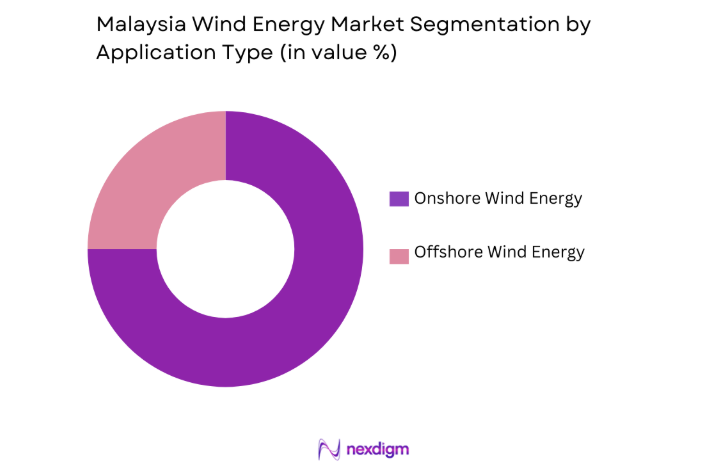
The Malaysia Wind Energy market is also segmented by application type into onshore and offshore wind energy. Recently, onshore wind energy has dominated the market share due to its lower capital investment and easier implementation. Onshore wind farms are typically installed in regions with favorable wind conditions, such as the coastal areas of Johor and Pahang, which are suitable for turbine installations. As the technology for onshore wind farms improves and more areas are developed, onshore wind energy is expected to continue being the leading application type in the market.
Competitive Landscape
The competitive landscape of the Malaysia Wind Energy market is characterized by the presence of both international and local players. International companies like Siemens Gamesa, Vestas, and GE Renewable Energy lead the market, providing high-efficiency wind turbines and related technologies for large-scale installations. Local players, including Malakoff Corporation and TNB Renewables, are also emerging as key participants in Malaysia’s wind energy sector. As Malaysia aims to meet its renewable energy goals, partnerships and collaborations between international and local firms are expected to drive further market expansion and technological advancements.
| Company Name | Establishment Year | Headquarters | Technology Focus | Market Reach | Key Products | Revenue | Industry-Specific Focus |
| Siemens Gamesa | 1976 | Zamudio, Spain | ~ | ~ | ~ | ~ | ~ |
| Vestas | 1945 | Aarhus, Denmark | ~ | ~ | ~ | ~ | ~ |
| GE Renewable Energy | 2015 | Schenectady, USA | ~ | ~ | ~ | ~ | ~ |
| Malakoff Corporation | 1975 | Kuala Lumpur, Malaysia | ~ | ~ | ~ | ~ | ~ |
| TNB Renewables | 1997 | Kuala Lumpur, Malaysia | ~ | ~ | ~ | ~ | ~ |
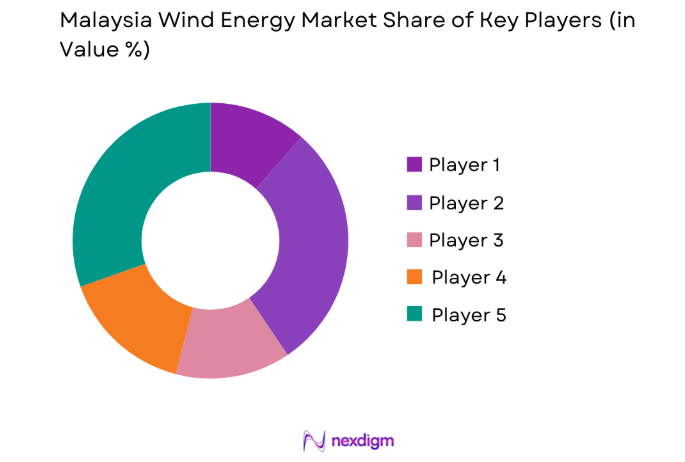
Malaysia Wind Energy Market Analysis
Growth Drivers
Government Support for Renewable Energy
The Malaysia Wind Energy market is significantly driven by government initiatives that promote renewable energy development. As part of Malaysia’s commitment to achieving its renewable energy targets under the 12th Malaysia Plan and the Malaysia Green Technology Policy, the government has been introducing various incentives for the wind energy sector. These incentives include tax breaks, feed-in tariffs, and subsidies for the installation of renewable energy systems. Additionally, Malaysia’s aim to reduce its carbon footprint and increase the share of renewable energy in its energy mix has led to substantial investments in wind energy infrastructure. The government’s commitment to supporting the renewable energy sector ensures long-term growth for the wind energy market.
Technological Advancements in Wind Energy
Technological advancements in wind turbine design, efficiency, and energy storage systems have been a key growth driver for the Malaysia Wind Energy market. Over the years, the efficiency of wind turbines has improved significantly, with new designs offering higher energy capture and performance in lower wind speeds. The development of offshore wind energy technology, which is becoming increasingly feasible and cost-competitive, also presents new growth opportunities for Malaysia, particularly in its coastal and offshore regions. Furthermore, advancements in energy storage technologies have made it possible to store surplus energy generated by wind farms for use during periods of low wind, increasing the reliability and attractiveness of wind energy as a renewable power source. These technological advancements are key to the continued growth of the wind energy market in Malaysia.
Market Challenges
High Initial Capital Investment
One of the major challenges facing the Malaysia Wind Energy market is the high initial capital investment required for setting up wind farms. The installation of wind turbines, whether onshore or offshore, involves significant upfront costs related to the procurement of turbines, land acquisition, grid connection, and infrastructure development. Despite the long-term cost savings associated with wind energy, the high capital expenditure needed for initial project development can deter private investors and small businesses from entering the market. This challenge is particularly significant in the offshore wind sector, where the costs of installation, maintenance, and operation are even higher compared to onshore wind farms. To overcome this challenge, it is important for the government to continue offering incentives, subsidies, and financing options for wind energy projects.
Regulatory and Grid Infrastructure Challenges
The development of the wind energy market in Malaysia is also hindered by regulatory and grid infrastructure challenges. While Malaysia has made significant progress in renewable energy policy, there are still barriers related to the regulatory framework for wind energy, including lengthy approval processes and insufficient clarity regarding land use rights for large-scale wind farms. Additionally, the country’s electricity grid infrastructure requires upgrades to accommodate the integration of renewable energy sources such as wind power, which can be intermittent and variable. The lack of a modern, flexible grid that can handle renewable energy fluctuations can limit the full potential of wind energy in Malaysia. To address these challenges, the government must continue to streamline regulatory processes and invest in grid modernization to facilitate the integration of wind power.
Opportunities
Expansion of Offshore Wind Energy
One of the most promising opportunities for the Malaysia Wind Energy market lies in the expansion of offshore wind energy. Malaysia’s vast coastline and favorable wind conditions in offshore areas make it an ideal location for large-scale offshore wind farms. Offshore wind energy projects offer the potential to generate significant amounts of clean electricity without competing for land resources. As technology advances, the costs of offshore wind installations are expected to decrease, making it a more viable option for Malaysia. Offshore wind energy could become a key contributor to Malaysia’s renewable energy mix, providing a reliable and sustainable source of power. Government support for offshore wind projects and private sector investments will be crucial for tapping into this opportunity and achieving Malaysia’s long-term energy goals.
Solar and Wind Hybrid Solutions
The development of hybrid solutions that combine solar and wind energy is another promising opportunity for the Malaysia Wind Energy market. Malaysia’s climate and geography offer favorable conditions for both solar and wind energy generation, making it ideal for integrated hybrid systems. These hybrid solutions allow for a more stable and reliable power supply by balancing the intermittent nature of both wind and solar energy. The combination of these two renewable energy sources can significantly reduce the need for fossil fuels and enhance grid stability. As the demand for clean and sustainable energy grows, hybrid wind and solar systems could play an increasingly important role in Malaysia’s energy transition, providing an opportunity for market growth.
Future Outlook
The Malaysia Wind Energy market is expected to experience steady growth over the next five years, driven by technological advancements, government support, and growing demand for renewable energy. Offshore wind energy, in particular, presents a significant opportunity for growth, as Malaysia’s favorable wind conditions and vast coastline make it an ideal location for large-scale projects. Additionally, the integration of solar and wind energy systems offers promising prospects for ensuring a stable and sustainable energy supply. With continued investments in infrastructure and regulatory support, the Malaysia Wind Energy market is poised to contribute significantly to the country’s renewable energy goals.
Major Players
- Siemens Gamesa
- Vestas
- GE Renewable Energy
- Malakoff Corporation
- TNB Renewables
- Senvion
- Nordex
- Suzlon Energy
- Enel Green Power
- Iberdrola
- Siemens Energy
- EDF Renewables
- BP Alternative Energy
- Ørsted
- TotalEnergies
Key Target Audience
- Investments and venture capitalist firms
- Government and regulatory bodies
- Wind turbine manufacturers
- Energy providers
- Residential property developers
- Commercial and industrial property owners
- Renewable energy solution providers
Research Methodology
Step 1: Identification of Key Variables
Identify key market drivers, barriers, and trends affecting the wind energy sector, including technology advancements, market demand, and government policies.
Step 2: Market Analysis and Construction
Analyze market data, growth patterns, and regulatory frameworks to develop a comprehensive model of the wind energy market in Malaysia.
Step 3: Hypothesis Validation and Expert Consultation
Consult with industry experts, stakeholders, and policymakers to validate assumptions and ensure research findings reflect real-world conditions.
Step 4: Research Synthesis and Final Output
Synthesize research data into a comprehensive market report that includes actionable insights, strategic recommendations, and market forecasts for stakeholders.

- Executive Summary
- Research Methodology (Definitions, Scope, Industry Assumptions, Market Sizing Approach, Primary & Secondary Research Framework, Data Collection & Verification Protocol, Analytic Models & Forecast Methodology, Limitations & Research Validity Checks)

- Market Definition and Scope
- Value Chain & Stakeholder Ecosystem
- Regulatory / Certification Landscape
- Sector Dynamics Affecting Demand

- Growth Drivers
Increasing demand for renewable energy sources
Government incentives and policies supporting wind energy
Technological advancements in wind turbine efficiency - Market Challenges
High initial capital investment
Intermittency of wind energy generation
Challenges in energy storage and grid integration - Market Opportunities
Expansion of offshore wind energy projects
Technological innovations in turbine design and performance
Collaboration with international energy firms - Trends
Integration of wind power with other renewable energy sources
Increased use of data analytics for wind farm performance optimization - Government Regulations
Regulatory framework for offshore wind projects
Subsidies and grants for wind energy technologies
Environmental standards for wind turbine installation - SWOT Analysis
- Porter’s Five Forces

- By Market Value, 2020-2025
- By Installed Units, 2020-2025
- By Average System Price, 2020-2025
- By System Complexity Tier, 2020-2025

- By System Type (In Value%)
Onshore Wind Energy Systems
Offshore Wind Energy Systems
Hybrid Wind Systems
Small Scale Wind Turbines
Utility-Scale Wind Farms - By Platform Type (In Value%)
Land-based Wind Platforms
Floating Wind Platforms
Fixed-bottom Offshore Platforms
Hybrid Wind and Solar Platforms - By Fitment Type (In Value%)
Standalone Wind Systems
Integrated Wind and Storage Systems
Wind-Solar Hybrid Systems
Modular Wind Systems - By End User Segment (In Value%)
Commercial Energy Providers
Government Energy Initiatives
Industrial Users

- Market Share Analysis
- Cross Comparison Parameters (Technology, Cost Efficiency, Regulatory Support, Project Scale, Environmental Impact, Wind Resource, Investment Opportunities)
- SWOT Analysis of Key Competitors
- Pricing & Procurement Analysis
- Key Players
Vestas Wind Systems
Siemens Gamesa Renewable Energy
Nordex SE
GE Renewable Energy
Suzlon Energy Limited
Orsted
Goldwind
Mingyang Smart Energy
Envision Energy
NextEra Energy
Trina Solar
Longyuan Power Group
Acciona Energia
China National Offshore Oil Corporation (CNOOC)
Senvion

- Government focus on clean energy initiatives
- Private sector investment in wind energy infrastructure
- Emerging trends in wind energy adoption in remote areas

- Forecast Market Value, 2026-2035
- Forecast Installed Units, 2026-2035
- Price Forecast by System Tier, 2026-2035
- Future Demand by Platform, 2026-2035


 Request a Sample
 Ask for Customization
 Get a Quote
 Enquire Now