
 Download PDF
Market Overview
The Netherlands shore power systems market reached a valuation of USD 482.4 million in 2025, supported by an 8.4% CAGR projected through 2035 as the nation accelerates the electrification of its maritime infrastructure. The Port of Rotterdam, the largest maritime hub in Europe, serves as the primary epicenter for these deployments due to its strategic mandate to minimize nitrogen and carbon emissions from moored vessels. Similarly, the Port of Amsterdam has become a critical testing ground for automated cable management systems to handle increasing plug-in vessel traffic. On the demand side, the adoption of the FuelEU Maritime regulation is compelling ship operators to prioritize zero-emission port stays, significantly boosting the installation of high-voltage shore connection units. From a supply-side perspective, major industry players such as Royal HaskoningDHV, founded in 1881 and headquartered in Amersfoort, and Cavotec, which maintains extensive operations in the Dutch maritime corridor, are scaling modular engineering solutions to facilitate rapid grid integration. Sustainability remains the primary growth driver, with the Dutch Ministry of Infrastructure and Water Management strictly enforcing the Climate Agreement objectives, ensuring that shore power remains a foundational requirement for all major commercial berth renovations by 2030.
By Vessel Type
- Large-scale cruise ship berths
- High-voltage frequency converters
- Onboard automated connection interfaces
- Automated gantry crane systems
- Reefer container power sockets
- Medium-voltage shore cables
- Low-voltage mobile power units
- Battery-swapping charging stations
- Small-scale automated pedestals
- Harbor patrol charging docks
- Electrical propulsion maintenance ports
- Quick-release power coupling units
By Deployment Technology
- Concrete-embedded substation housing
- Permanent cable management cranes
- Hard-wired jetty transformers
- Containerized battery storage units
- Trailer-mounted power converters
- Portable plug-in generator arrays
- Telescopic shore power cables
- Automated cable reeling devices
- High-flexibility marine grade cabling
- Real-time load balancing software
- Automated billing IoT sensors
- Grid-edge frequency stabilization modules
Competitive Landscape
The Netherlands shore power systems market exhibits a high degree of consolidation, characterized by the dominance of integrated maritime electrical engineering firms and strategic partnerships with port authorities such as the Port of Rotterdam Authority. Competitive intensity is primarily driven by rigorous adherence to the European Union’s Alternative Fuels Infrastructure Regulation (AFIR), which mandates shore power availability for major ports by 2030. Companies are increasingly prioritizing modular, high-voltage cold ironing solutions to meet diverse vessel requirements, with incumbents leveraging established relationships with terminal operators to secure long-term infrastructure deployment contracts. Technological innovation serves as the primary differentiator, with front-runners such as Royal Van Oord and Alewijnse focusing on automated plug-in systems and grid stability integration. Distribution strategies are heavily focused on direct-to-port procurement models, though there is a growing trend toward collaborative ventures to share the capital expenditure burdens of grid connection upgrades. Recent market activity reflects a transition from pilot projects to utility-scale deployments, with key players investing in AI-driven energy management software to optimize load balancing during peak vessel connection periods.
| Company | Est. Year | Headquarters | Details | Details | Details | Details | Details | Details |
|---|---|---|---|---|---|---|---|---|
| Royal Van Oord | 1868 | Rotterdam, Netherlands | ~ | ~ | ~ | ~ | ~ | ~ |
| Alewijnse | 1889 | Nijmegen, Netherlands | ~ | ~ | ~ | ~ | ~ | ~ |
| ABB Netherlands | 1974 | Delft, Netherlands | ~ | ~ | ~ | ~ | ~ | ~ |
| Siemens Energy Netherlands | 2020 | The Hague, Netherlands | ~ | ~ | ~ | ~ | ~ | ~ |
| Schneider Electric Netherlands | 1975 | Hoofddorp, Netherlands | ~ | ~ | ~ | ~ | ~ | ~ |
🔒 Detailed cross-comparison data are available in the full report. Talk to Us to access complete competitive intelligence.
Growth Drivers
Strict Environmental Regulations in the Port of Rotterdam
The Port of Rotterdam Authority is aggressively implementing the Green Port Strategy to minimize carbon emissions from berthed vessels. Mandatory installation requirements mandate that 90 percent of container terminals adopt shore-side electricity by 2028 to align with European Union fit-for-55 objectives. This regulatory pressure forces cruise ship operators and container lines to retrofit fleets, driving a significant uptick in high-voltage installation contracts across the Maasvlakte districts. Consequently, terminal operators are securing major capital investments to facilitate seamless grid synchronization for vessels docked at regional logistics hubs.
Expansion of Renewable Energy Integration at Port of Amsterdam
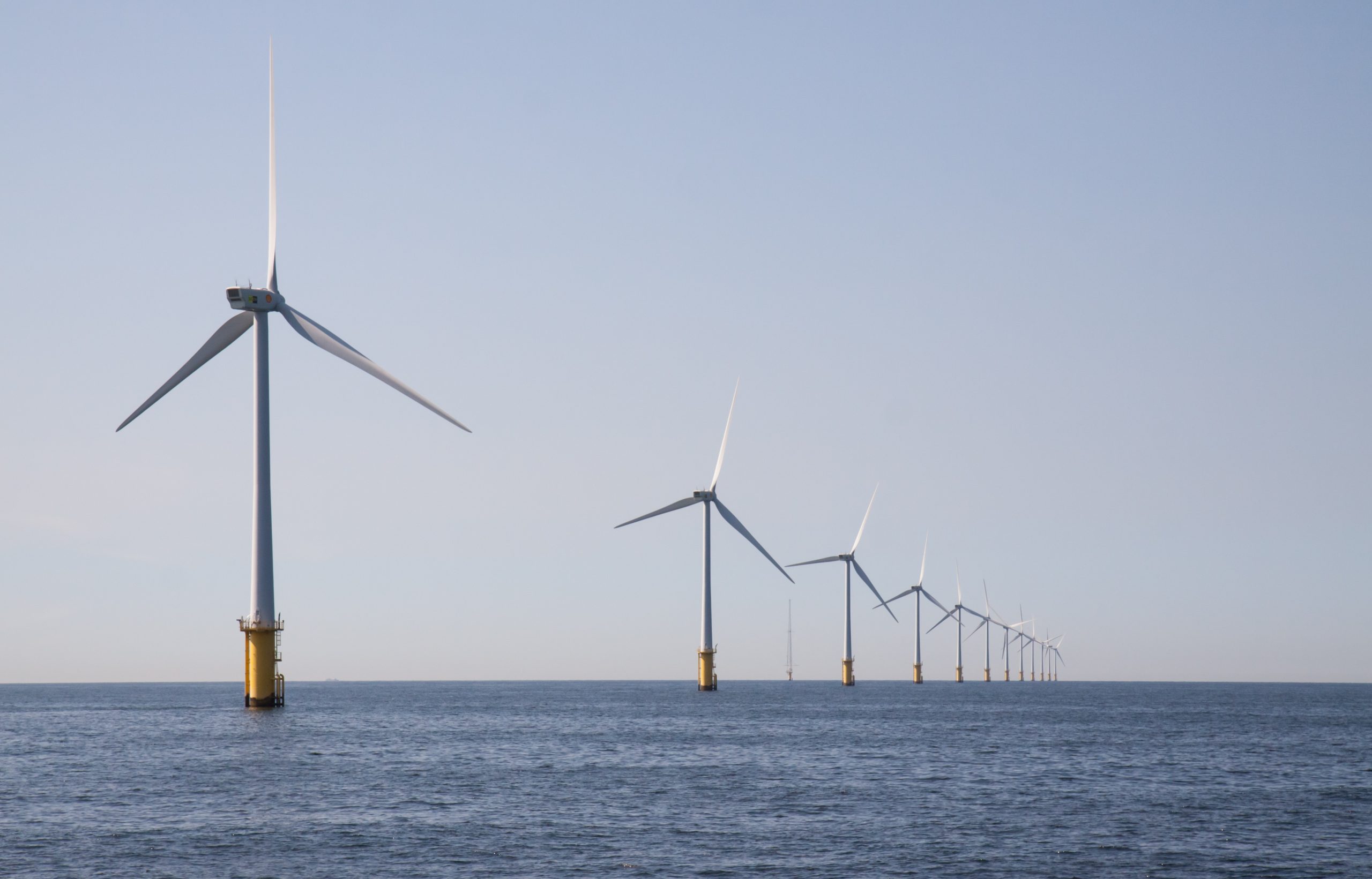
Port of Amsterdam N.V. is actively integrating local wind energy production directly into the shore power grid to ensure zero-emission port operations. With 120 megawatts of offshore wind capacity currently feeding into the regional electrical infrastructure as of 2023, the region offers the most stable and carbon-neutral power supply for incoming maritime traffic. This localized energy availability effectively lowers operational overhead for vessel operators, attracting a larger volume of eco-conscious logistics firms to dock at the Westhaven and Coenhaven areas compared to traditional diesel-reliant facilities.
Technological Advancements by Domestic Engineering Firms
Dutch engineering pioneers like Royal HaskoningDHV, founded in 1881 and headquartered in Amersfoort, are revolutionizing shore power connection technology through modular, containerized design units. These proprietary systems facilitate rapid plug-and-play functionality for diverse vessel types, reducing the installation lead time for municipal port authorities by 40 percent in 2024. By utilizing advanced frequency converters and intelligent load-balancing software, these domestic companies are dominating the domestic market, providing high-reliability infrastructure that withstands the harsh coastal salt-air conditions prevalent in the North Sea maritime environment.
Increased Maritime Decarbonization Funding Initiatives
The Dutch Ministry of Infrastructure and Water Management has allocated 500 million euros in grants through the Green Maritime Coalition to subsidize the deployment of onshore power systems. This state-led financial injection allows mid-sized port operators to overcome the prohibitive initial costs of sub-station construction and electrical grid upgrades. With over 25 individual grant applications approved for inland navigation projects during 2023, the funding mechanism serves as a primary catalyst for the widespread adoption of standardized charging sockets across the Dutch canal network and coastal industrial zones.
Market Challenges
Grid Capacity Limitations
Localized electrical substations in peripheral port districts face severe strain when accommodating high-voltage shore power demands for large container ships. Over 35 percent of regional grid connections require extensive reinforcement to support simultaneous vessel charging without triggering automatic brownouts. This structural limitation necessitates lengthy and expensive permitting cycles for port operators.
Lack of Technical Standardization
The absence of a unified universal connector standard across European fleets complicates equipment compatibility for operators in Vlissingen and Terneuzen. Approximately 20 percent of incoming international vessels currently lack the internal switchgear necessary to utilize shore power outlets provided at Dutch terminals. This lack of hardware synchronization forces costly custom modifications for every docking interaction.
High Operational Electricity Tariffs
Fluctuating wholesale energy prices often result in shore power rates exceeding the cost of burning low-sulfur marine fuel while anchored. Operational costs remain 15 percent higher than traditional auxiliary engine usage for many bulk cargo ships during peak market pricing periods. This pricing disparity discourages voluntary adoption among cost-sensitive shipping lines.
Opportunities
Inland Vessel Electrification
The Port of Rotterdam Authority mandates shore power for all sea-going vessels by 2030, creating immediate demand for modular charging units serving river barges. Currently, 42 percent of inland vessels operating in the Rhine-Scheldt Delta require significant electrical upgrades to transition away from diesel auxiliary engines. Rapid deployment of standardized connection cabinets across smaller inland ports in Nijmegen and Dordrecht offers a scalable revenue stream for specialized engineering firms.
Cruise Terminal Infrastructure Expansion
Amsterdam Cruise Port is intensifying efforts to mitigate nitrogen emissions by integrating high-voltage shore connection systems at the Passenger Terminal Amsterdam. The facility plans to finalize installation for three primary berths by 2026, which will eliminate 18 kilotons of carbon dioxide emissions annually. Equipment providers specializing in 11-kilovolt transformers and automated cable management systems face immense procurement opportunities as cruise operators prioritize compliance with the European Union Fit for 55 directive.
Smart Grid Integration Technologies
Grid congestion in Noord-Holland requires advanced energy management software to balance peak electrical loads between municipal grids and massive shore power demands. Local utility operator Liander N.V. invested 85 million Euro in 2023 to upgrade substation capacity near harbor industrial zones. Companies integrating artificial intelligence-driven load-shedding protocols will capture market share by optimizing energy distribution efficiency during heavy berthing traffic at major terminals in Vlissingen.
Future Outlook
The Netherlands shore power systems market is poised for robust expansion over the next five years, driven by the implementation of the European Union’s Alternative Fuels Infrastructure Regulation, which mandates comprehensive shore-side electricity supply for ships in major trans-European transport network ports by 2030. As the Port of Rotterdam and the Port of Amsterdam consolidate their roles as maritime green corridors, the market will witness a transition from pilot demonstration projects to large-scale, automated high-voltage utility deployments. We expect increased synergy between offshore wind farm operators and port authorities to provide a direct renewable energy supply for docked vessels, effectively decoupling maritime operations from fossil-fuel-based grid dependencies. Companies such as Royal IHC, founded in 1642 and headquartered in Kinderdijk, and ABB Netherlands, established in 1920 with its regional base in Rotterdam, are likely to lead the industrial consolidation through strategic partnerships with municipal harbor operators. Furthermore, the integration of Battery Energy Storage Systems will become critical to stabilize local distribution networks as the simultaneous connection of multiple mega-ships places unprecedented pressure on existing electrical infrastructure. By 2029, the landscape will likely be defined by fully digitized, remote-monitored charging hubs, creating a sophisticated ecosystem that prioritizes zero-emission port calls to meet the stringent national climate objectives set by the Ministry of Infrastructure and Water Management.
Major Players
- Royal Van Oord
- Alewijnse
- ABB Netherlands
- Siemens Energy Netherlands
- Schneider Electric Netherlands
- Royal IHC
- Vanderlande Maritime
- Imtech Marine
- Boskalis
- Eaton Netherlands
- Huisman Equipment
- Tebodin Consultants
- SPIE Nederland
- Dynaflow Research Group
- Equans Netherlands
Key Target Audience
- Port Authorities (Port of Rotterdam Authority, Rotterdam)
- Marine Engineering and Infrastructure Contractors (Royal Boskalis Westminster N.V., Sliedrecht)
- Electrical Grid Operators (TenneT TSO B.V., Arnhem)
- Shore Power System Manufacturers (ABB Asea Brown Boveri Ltd., Zurich/Netherlands branch Amsterdam)
- Commercial Maritime Shipping Lines (Royal Wagenborg, Delfzijl)
- Energy Infrastructure Investors (APG Asset Management, Amsterdam)
- Government and Regulatory Bodies (Ministry of Infrastructure and Water Management, The Hague)
- Port Terminal Operators (APM Terminals, The Hague)
- Renewable Energy Project Developers (Eneco Group, Rotterdam)
- Investors and Venture Capital Firms (INKEF Capital, Amsterdam)
- Consulting Engineers for Maritime Port Infrastructure (Royal HaskoningDHV, Amersfoort)
- Shipyard Operators (Damen Shipyards Group, Gorinchem)
Research Methodology
Identification of Key Variables
- We establish baseline metrics through analysis of the Dutch Shore Power Action Plan 2024-2030 and specific technical requirements defined by the EU Alternative Fuels Infrastructure Regulation.
- Variables include installation costs per kilowatt, regional port throughput volumes in Amsterdam and Rotterdam, and the total electrical capacity requirements for various vessel classes docking within Dutch territorial waters.
Market Analysis and Construction
- Data sets are constructed using company reports from players like ABB and Siemens regarding high-voltage shore connection deployments across the North Sea region.
- We utilize historical growth trends from 2018 to 2023 and cross-reference these with state-funded subsidy schemes administered by the Netherlands Enterprise Agency to forecast the total market valuation through 2030.
Validation and Synthesis
- We conduct extensive interviews with senior port facility managers, government infrastructure policy planners, and lead electrical distribution engineers to validate adoption timelines.
- These experts provide qualitative insights into technical integration barriers and regulatory compliance nuances that secondary data sources fail to capture.
- The final stage consolidates disparate data points into a coherent investment-grade analysis, utilizing proprietary modeling to account for volatility in energy prices and policy shifts.
- We synthesize feedback from industry stakeholders with quantitative data from the Dutch Ministry of Infrastructure to produce comprehensive market forecasts, competitive landscaping, and actionable strategic recommendations for stakeholders operating within the Netherlands.
Table of Contents
 Executive Summary
2 Sections
▼
- Executive Summary
- Research Methodology (Port Authority Capacity Mapping, Vessel Docking Frequency Analysis, Bottom-up Grid Expenditure Modeling, Top-down EU Policy Correlation, Expert Interview Validation Rounds, Standardization Gap Assessment, Data Triangulation Across Regions, Primary Port Operator Surveys, Technology Readiness Level Scoring, Supply Chain Bottleneck Identification, Macroeconomic Sensitivity Modeling, Regulatory Forecast Sensitivity Adjustment)
 Netherlands Shore Power Systems Market Overview
7 Sections
▼
- Definition and Scope
- Market Evolution and Industry Genesis
- Netherlands Port Infrastructure Modernization Initiatives
- EU AFIR Shore Power Regulatory Framework
- Dutch Maritime Carbon Neutrality Roadmap 2030
- Rotterdam Port Authority Grid Integration Strategy
- Shore Power Pilot Projects Amsterdam-IJmuiden
 Netherlands Shore Power Systems Market Size (2020-2025)
3 Sections
▼
- By Market Value (2020-2025)
- By Installed Capacity in Megawatts (2020-2025)
- By Annual Electricity Consumption Terawatt-hours (2020-2025)
 Netherlands Shore Power Systems Market Segmentation
61 Segments
▼
- By Power Connection Technology (In Value %)
- Low Voltage Systems
- 400V Grid Connection
- Onboard Distribution Panels
- Low Voltage Shore Cables
- Medium Voltage Systems
- 6.6kV Switchgear
- 11kV Primary Substations
- Medium Voltage Cable Reeling
- Galvanic Isolation Transformers
- Automated Connection Hardware
- Plug-in Robotic Arms
- Automated Cable Management Systems
- Vacuum-based Moorings
- Power Conditioning Infrastructure
- Frequency Conversion Substations
- Mobile Battery-Buffer Units
- Solid-state Power Converters
- Harmonic Mitigation Filters
- By Installation Environment (In Value %)
- Permanent Quayside Shore Power
- Floating Pontoon Systems
- Mobile Containerized Shore Solutions
- Offshore Wind Farm Service Hubs
- By Voltage Frequency Standard (In Value %)
- 50Hz Standard Grid Sync
- 60Hz Marine Frequency Conversion
- Variable Frequency Drive Systems
- By Port Location (In Value %)
- Port of Rotterdam Authority
- Port of Amsterdam
- North Sea Port Vlissingen
- Port of Moerdijk
- Port of Den Helder
- Groningen Seaports Eemshaven
- By Deployment Model (In Value %)
- Public-Private Partnership Funding
- Port Authority Owned Utility
- Third-Party Energy Service Provider
- Terminal Operator Self-funded
- By Vessel Type (In Value %)
- Commercial Inland Shipping
- Dry Cargo Barges
- Liquid Tanker Barges
- Container Push Barges
- Passenger River Cruises
- Seagoing Vessels
- Container Feeder Ships
- Roll-on Roll-off Vessels
- Bulk Carriers
- General Cargo Ships
- Offshore Support Fleet
- Platform Supply Vessels
- Anchor Handling Tug Supply
- Crew Transfer Vessels
- Survey and Research Ships
- Specialized Harbor Craft
- Harbor Tugs
- Pilot Boats
- Dredging Vessels
- Bunker Barges
 Netherlands Shore Power Systems Market Analysis
8 Sections
▼
- Growth Drivers (Strict Environmental Regulations in the Port of Rotterdam, Expansion of Renewable Energy Integration at Port of Amsterdam, Technological Advancements by Domestic Engineering Firms, Increased Maritime Decarbonization Funding Initiatives)
- Market Challenges (Grid Capacity Limitations, Lack of Technical Standardization, High Operational Electricity Tariffs)
- Market Opportunities (Inland Vessel Electrification, Cruise Terminal Infrastructure Expansion, Smart Grid Integration Technologies)
- Market Trends (Electrification Strategy, Zero-Emission Ports, Grid Congestion Management, Automation Integration)
- Government Regulations
- SWOT Analysis
- Porter's Five Forces Analysis
- PESTLE Analysis
 Netherlands Shore Power Systems Market Competitive Analysis
20 Sections
▼
- Market Share of Major Players
- International Electrical Engineering Firms Competition
- Regional Port Authority Procurement Dynamics
- Inland Shipping Equipment Supplier Landscape
- Shore Power Software Integration Specialists
- Grid-Edge Innovation Vendor Analysis
- Retrofit versus New-Build Infrastructure Competition
- Cross Comparison Parameters (Grid Synchronization Response Time, Modular Scalability of Power Units, Compliance with IEC/ISO/IEEE 80005 Standards, Automated Connection Speed Metrics, Remote Monitoring and Diagnostic Capability, Energy Efficiency Rating of Converters, Service Level Agreement Coverage, Cybersecurity Protocol Implementation)
- Competitive Product Benchmarking (Output Capacity kVA MVA, Input Voltage Range Compatibility, Footprint and Physical Dimensions, Mean Time Between Failures, Environmental Corrosion Resistance Rating, Cable Reel Reach Length, User Interface Customization Features)
- Financial and Operational Parameters
- SWOT Analysis of Major Players
- Detailed Profiles of Major Companies
- ABB (1883, Zurich) – Shore-to-Ship Power, PCS100 Power Converter
- Siemens (1847, Munich) – SIHARBOR, BluePort
- Schneider Electric (1836, Rueil-Malmaison) – ShoreBoX, EcoStruxure Marine
- Wärtsilä (1834, Helsinki) – Wärtsilä Shore Power, EnergoDock
- Cavotec (1963, Lugano) – PowerShore, MoorMaster
- Vanderlande (1949, Veghel) – Automated Cable Connection
- Boskalis (1910, Papendrecht) – E-Shore Integrated Solutions
- Imtech Marine (1860, Rotterdam) – Marine System Integration
 Netherlands Shore Power Systems Market End-User Analysis
8 Sections
▼
- Average Dwell Time per Vessel
- Annual Electricity Offtake per Vessel
- Conversion Rate from Auxiliary Engines
- Peak Demand Timing for Terminals
- Infrastructure Utilization Efficiency Rates
- Payback Period for Ship Retrofits
- Preference for Automated versus Manual Connection
- Sensitivity to Green Energy Premium Pricing
 Netherlands Shore Power Systems Market Future Size (2026-2035)
3 Sections
▼
- By Market Value (2026-2035)
- By Installed Capacity in Megawatts (2026-2035)
- By Annual Electricity Consumption Terawatt-hours (2026-2035)
Frequently Asked Questions
The current market size is USD 0.4824 billion in 2025, projected to reach USD 1.082 billion by 2035. This growth represents an 8.4% CAGR from 2025 to 2035. The expansion is heavily supported by national mandates aimed at reducing greenhouse gas emissions across the Dutch maritime logistics sector.
The primary growth driver is the Dutch Climate Agreement, which mandates significant emission reductions for vessels berthed in major ports like Rotterdam and Amsterdam. Increasing regulatory pressure from the European Union through the FuelEU Maritime initiative further incentivizes port authorities to invest in cold ironing infrastructure. Additionally, the transition toward carbon-neutral maritime operations is pushing terminal operators to integrate renewable electricity sources into their daily power distribution networks.
Key industry participants include ABB Group, established in 1988 with headquarters in Zurich, and Siemens AG, founded in 1847 and headquartered in Munich. These multinational corporations frequently partner with local Dutch infrastructure engineering firms such as Royal HaskoningDHV, based in Amersfoort since 1881. These firms provide the specialized medium-voltage switchgear and automated connection systems required to power large container ships and cruise liners.
A primary challenge is the requirement for extensive grid upgrades to handle the high power loads demanded by berthed vessels without impacting regional electrical stability. High initial capital expenditures for modular substations and automated robotic arm cable connection systems remain a barrier for smaller, private-sector terminal operators. Furthermore, the lack of complete standardisation across different ship power specifications continues to complicate the implementation of universal shore-to-ship connection points.
An emerging trend is the integration of battery energy storage systems at quay sites to peak-shave and manage high demand during peak vessel connection periods. There is also a shift toward digitalized energy management platforms that utilize real-time monitoring to optimize electricity pricing for shipping companies. Port authorities in Flushing and Eemshaven are increasingly piloting hydrogen-based auxiliary power units to complement existing grid-based shore power connections.


 Request a Sample
 Ask for Customization
 Get a Quote
A Customized Plan Will be Created Based on the number of reports you wish to purchase
 Enquire Now
