
 Download PDF
 Download PDF
Market Overview
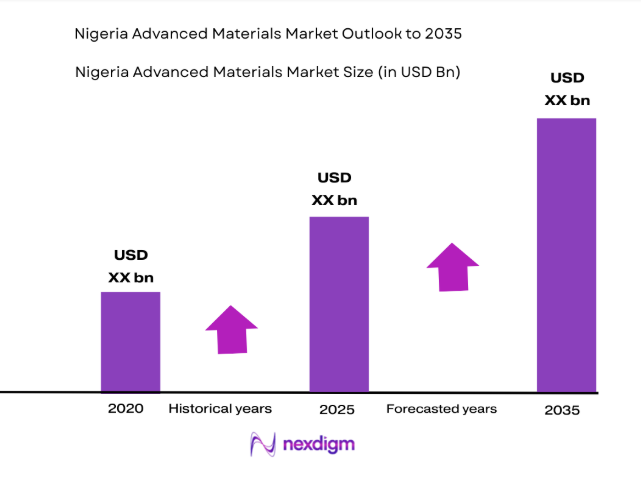
The Nigeria Advanced Materials market has experienced substantial growth, with the market size reaching approximately USD ~ billion, driven by strong demand across industries such as construction, automotive, and energy. This growth is supported by technological advancements, infrastructure development, and increasing industrialization, which have spurred the demand for high-performance materials in the region. The market is expected to continue expanding as investments in manufacturing and energy sectors increase, contributing to the adoption of advanced materials to meet performance and sustainability needs.
Nigeria, along with major urban centers like Lagos and Abuja, leads the market due to its strategic location, large population, and strong industrial base. Lagos, as the country’s economic hub, has fostered a high demand for advanced materials in construction, automotive, and technology sectors, while Abuja has seen an increasing focus on government-backed infrastructure projects. These cities drive the market by creating opportunities for materials that meet the demand for efficiency, durability, and innovation in sectors like energy and transportation.
Market Segmentation
By Product Type
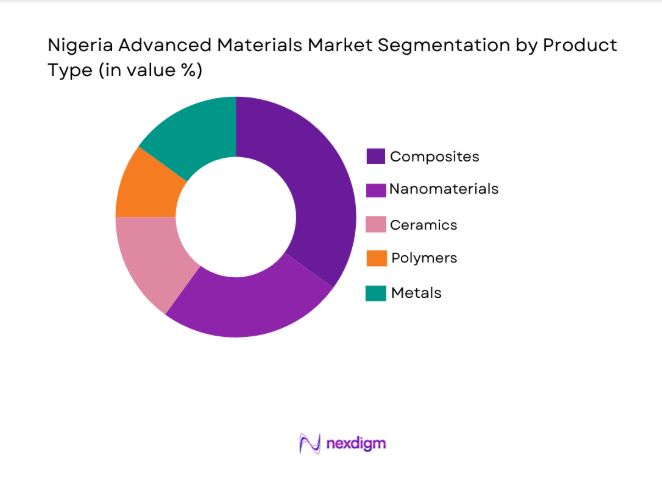
Nigeria Advanced Materials market is segmented by product type into composite materials, nanomaterials, ceramics, polymers, and metals. Recently, composite materials have dominated the market share due to their superior strength-to-weight ratio, making them ideal for industries such as automotive, aerospace, and construction. The growing adoption of lightweight materials in these sectors, driven by the need for energy efficiency and sustainability, has led to the increasing use of composites. Their versatility and performance in extreme conditions further contribute to their dominance, making them the preferred choice in advanced manufacturing applications.
By Platform Type
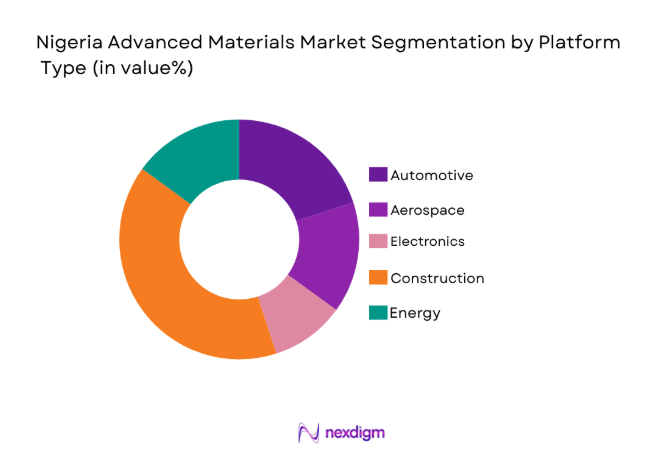
Nigeria Advanced Materials market is segmented by platform type into automotive, aerospace, electronics, construction, and energy. Recently, the construction sector has emerged as a dominant market driver due to the increased demand for advanced materials in infrastructure development. With significant government investments in housing, roads, and public transport projects, construction has become a key platform for advanced materials like composites and polymers. The emphasis on building sustainable, energy-efficient, and durable structures has driven the adoption of high-performance materials, contributing to the construction sector’s dominance in the market.
Competitive Landscape
The Nigeria Advanced Materials market is characterized by moderate consolidation, with several major players driving innovation and market expansion. Global companies with a strong presence in manufacturing and R&D are influencing market dynamics by introducing new, sustainable materials that meet the growing demand for high-performance products. Major players continue to innovate and expand their production capabilities to cater to the diverse needs of sectors such as construction, automotive, and energy, helping to push the market forward.
| Company Name | Establishment Year | Headquarters | Technology Focus | Market Reach | Key Products | Revenue | Additional Parameter |
| BASF Nigeria | 1980 | Lagos, Nigeria | ~ | ~ | ~ | ~ | ~ |
| Dow Chemical | 1950 | Lagos, Nigeria | ~ | ~ | ~ | ~ | ~ |
| Innoson Vehicle Mfg | 2007 | Umuahia, Nigeria | ~ | ~ | ~ | ~ | ~ |
| Dangote Group | 1981 | Lagos, Nigeria | ~ | ~ | ~ | ~ | ~ |
| Lafarge Africa | 1961 | Lagos, Nigeria | ~ | ~ | ~ | ~ | ~ |
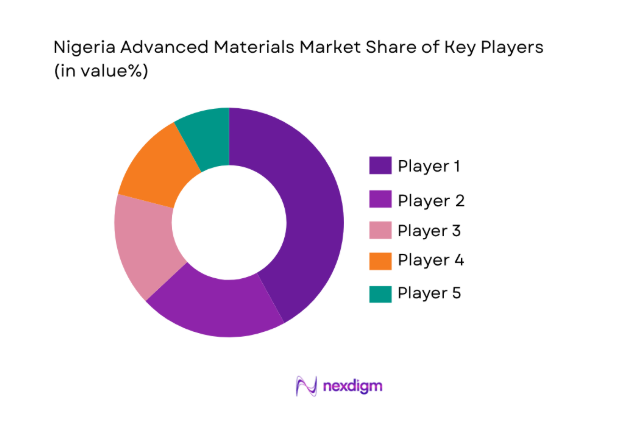
Nigeria Advanced Materials Market Analysis
Growth Drivers
Government Support for Infrastructure Development
Nigeria’s government has made substantial investments in infrastructure projects, including roads, housing, and public utilities, which have driven the demand for advanced materials. These projects require high-performance materials to ensure durability and efficiency, thus fueling market growth. With large-scale projects such as the Lagos-Ibadan Expressway, the ongoing development of the Abuja-Kaduna-Kano highway, and various urban development schemes in cities like Lagos, Abuja, and Port Harcourt, the need for innovative building materials such as composites and polymers has surged. These materials are essential for creating long-lasting and energy-efficient structures that align with government sustainability goals. Additionally, government initiatives aimed at improving housing standards and boosting the nation’s overall infrastructure have further bolstered the demand for advanced materials. Policies that promote infrastructure development, such as tax incentives for construction companies, have created a favorable environment for growth in the advanced materials market. Government projects like the National Housing Program and Smart Cities initiatives continue to expand, thereby driving market demand for materials that support sustainability, efficiency, and innovation. With ongoing infrastructure projects, the adoption of advanced materials is expected to accelerate, providing a solid foundation for market growth in the coming years.
Technological Advancements in Manufacturing
The introduction of new manufacturing technologies has significantly contributed to the growth of Nigeria’s advanced materials market. Automation, AI integration, and 3D printing have revolutionized the production processes, enabling manufacturers to produce advanced materials at a larger scale with higher precision and lower costs. Advanced manufacturing technologies are also allowing for the development of materials with enhanced properties, such as greater strength, flexibility, and resistance to environmental factors. Innovations like nanotechnology are helping to create materials with unique features that meet the specific demands of industries such as aerospace, automotive, and construction. For example, advanced composites with improved thermal and electrical conductivity are being developed, enabling their use in next-generation vehicles and electronics. Additionally, the adoption of AI-powered manufacturing systems has increased production efficiency by reducing waste and improving resource utilization. These technological advancements help manufacturers reduce costs while improving the quality and performance of materials, making them more competitive in the global market. As more manufacturers in Nigeria embrace these technological solutions, the growth of the advanced materials market is expected to continue at an accelerated pace, driven by the need for higher-performing, sustainable, and adaptable materials across industries.
Market Challenges
High Cost of Raw Materials
One of the primary challenges in the Nigeria Advanced Materials market is the high cost of raw materials. The production of advanced materials, such as composite materials and nanomaterials, requires rare and expensive raw materials, which increases the overall cost of production. The prices of essential raw materials like carbon fibers, specialized resins, and high-purity metals have been volatile, contributing to a rise in production costs. This price increase is passed on to consumers, making it difficult for small and medium-sized enterprises (SMEs) to adopt advanced materials in their manufacturing processes. As a result, despite the strong demand for advanced materials across industries like construction, automotive, and energy, the high cost of raw materials remains a barrier to entry for many businesses. This challenge is compounded by the fluctuating prices of fuel, electricity, and logistics in Nigeria, which further escalate manufacturing costs. For local producers, the reliance on imported raw materials and components adds to the cost burden. To mitigate these challenges, businesses must explore cost-effective alternatives or seek out local suppliers of raw materials, although limited availability and quality assurance remain concerns. Addressing these challenges requires the development of a more robust supply chain infrastructure, along with policies that support cost reduction and encourage local sourcing of high-quality materials.
Limited Access to Advanced Manufacturing Facilities
Nigeria faces significant challenges in accessing the advanced manufacturing facilities necessary for producing high-quality advanced materials at scale. Many industries still rely on outdated equipment and technology, which limits the ability to produce cutting-edge materials required in industries like aerospace, automotive, and electronics. The infrastructure in Nigeria is still developing, and much of the manufacturing sector lacks the state-of-the-art facilities needed to meet the rising demand for high-performance materials. This limitation restricts local production capabilities, forcing manufacturers to rely on imports, which increases the cost of advanced materials and affects market competitiveness. While some larger companies have begun investing in advanced manufacturing technologies, many SMEs are still unable to make the necessary investments due to financial constraints or lack of access to affordable credit. To overcome these challenges, the Nigerian government needs to prioritize the improvement of industrial infrastructure, focusing on providing incentives for companies to invest in advanced manufacturing facilities. Public-private partnerships could also play a critical role in accelerating the development of these facilities, allowing for the creation of local hubs for advanced material production. Until the country addresses these issues, the dependence on imports will remain a significant challenge for the market.
Opportunities
Rising Demand for Sustainable Materials
As environmental concerns continue to grow, there is an increasing demand for sustainable materials in Nigeria. The global shift toward greener solutions has created a significant market opportunity for manufacturers to develop and supply eco-friendly advanced materials, especially in the construction, automotive, and energy sectors. Sustainable materials like biodegradable polymers, recyclable composites, and low-carbon materials are gaining traction due to their ability to reduce the environmental impact of industrial activities. With the Nigerian government actively supporting green initiatives through regulations and incentives, such as tax exemptions for sustainable construction and renewable energy projects, the market for eco-friendly advanced materials is poised to grow. Companies that can provide environmentally responsible alternatives to traditional materials are well-positioned to capture a growing share of the market. The demand for materials that contribute to reducing the carbon footprint, enhance energy efficiency, and promote circular economies is expected to continue rising. This opportunity is especially evident in sectors such as construction, where sustainable materials are becoming standard practice due to increasing awareness of their long-term benefits. Manufacturers who focus on developing these materials are not only meeting the demands of a green-conscious market but also positioning themselves as leaders in the rapidly growing sustainable materials sector.
Integration of Smart Materials in Construction
The construction sector in Nigeria is rapidly adopting smart materials that improve the efficiency, sustainability, and longevity of buildings. Smart materials, such as self-healing concrete, temperature-regulating polymers, and shape-memory alloys, are gaining popularity due to their ability to reduce maintenance costs and improve the energy efficiency of buildings. These materials can respond dynamically to environmental conditions, such as temperature changes, or even repair themselves after damage, making them ideal for modern construction projects. The growing focus on sustainable infrastructure and green building standards in Nigeria provides an excellent opportunity for suppliers of smart materials to expand their product offerings. The government’s focus on urbanization and the development of smart cities is creating an ideal environment for the integration of these materials into new buildings and renovations. As more construction companies and developers seek to meet sustainability goals and reduce operational costs, smart materials are becoming an integral part of the building process. This trend presents a lucrative opportunity for advanced material suppliers to capitalize on the growing demand for innovative building solutions that promote energy efficiency, durability, and cost-effectiveness. As the Nigerian market becomes increasingly tech-driven, the adoption of smart materials is expected to accelerate, offering significant growth prospects for market participants.
Future Outlook
The Nigeria Advanced Materials market is expected to experience significant growth over the next five years. Key factors such as government-backed infrastructure development, technological advancements in manufacturing, and the rising demand for sustainable materials will continue to drive the market. As industrialization progresses and various sectors adopt advanced materials to meet performance and sustainability requirements, Nigeria is set to become a leading market for high-performance materials in Africa. Additionally, the integration of smart and sustainable materials into construction projects will present new opportunities for growth, further boosting market dynamics.
Major Players
- BASF Nigeria
- Dow Chemical
- Innoson Vehicle Mfg
- Dangote Group
- Lafarge Africa
- Shell Nigeria
- NNPC
- Honeywell Nigeria
- Zenith Energy
- ArcelorMittal Nigeria
- Unilever Nigeria
- Nigerian Breweries
- BUA Group
- Siemens Nigeria
- Olam Nigeria
Key Target Audience
- Investments and venture capitalist firms
- Government and regulatory bodies
- Construction and real estate companies
- Automotive manufacturers
- Aerospace manufacturers
- Energy sector companies
- Material suppliers and distributors
Research Methodology
Step 1: Identification of Key Variables
The initial step involves identifying the key market variables that influence demand, supply, and competition within the market.
Step 2: Market Analysis and Construction
Detailed market segmentation is performed, focusing on product types, platforms, and geographical regions to construct the market model.
Step 3: Hypothesis Validation and Expert Consultation
Market hypotheses are validated through consultations with industry experts, stakeholders, and data-driven models.
Step 4: Research Synthesis and Final Output
The final market analysis is synthesized, incorporating all variables, research, and insights to provide a comprehensive report on market trends, growth drivers, and challenges.

- Executive Summary
- Research Methodology (Definitions, Scope, Industry Assumptions, Market Sizing Approach, Primary & Secondary Research Framework, Data Collection & Verification Protocol, Analytic Models & Forecast Methodology, Limitations & Research Validity Checks)

- Market Definition and Scope
- Value Chain & Stakeholder Ecosystem
- Regulatory / Certification Landscape
- Sector Dynamics Affecting Demand
- Strategic Initiatives & Infrastructure Growth

- Growth Drivers
Increased Industrialization and Manufacturing
Government Investment in Infrastructure
Technological Advancements in Material Science - Market Challenges
High Raw Material Costs
Regulatory Barriers in Production
Limited Technological Expertise - Market Opportunities
Emerging Demand in Automotive and Aerospace
Growing Adoption of Sustainable Materials
Collaborations with Research Institutions - Trends
Shift Toward Sustainable and Green Materials
Increasing Use of Nanotechnology in Material Development - Government Regulations
Environmental Regulations for Material Manufacturing
Policies Promoting Industrial Growth
Safety Standards for Advanced Materials Production - SWOT Analysis
- Porter’s Five Forces

- By Market Value, 2020-2025
- By Installed Units, 2020-2025
- By Average System Price, 2020-2025
- By System Complexity Tier, 2020-2025

- By System Type (In Value%)
Composite Materials
Nanomaterials
Ceramics
Polymers
Metals - By Platform Type (In Value%)
Automotive
Aerospace
Electronics
Construction
Energy - By Fitment Type (In Value%)
On-premise Solutions
Cloud-based Solutions
Hybrid Solutions
Modular Solutions - By End User Segment (In Value%)
Manufacturers
Construction Companies
Technology Firms

- Market Share Analysis
- Cross Comparison Parameters (System Type, Platform Type, Procurement Channel, End User Segment, Fitment Type, Material Technology, Regional Market Trends)
- SWOT Analysis of Key Competitors
- Pricing & Procurement Analysis
- Key Players
Aerospace Industries Nigeria
Nigerian National Petroleum Corporation
Innoson Vehicle Manufacturing
Dangote Group
Shell Nigeria
Lafarge Africa
Jumia Technologies
Air Peace Nigeria
Nestle Nigeria
MTN Nigeria
Guaranty Trust Bank
BASF Nigeria
SABIC Nigeria
ExxonMobil Nigeria
Total Nigeria

- Increased Adoption by Automotive Sector
- Construction Sector’s Demand for Durable Materials
- Emerging Role of Technology Firms in Advanced Materials Development
- Growth of Aerospace Manufacturing in Nigeria

- Forecast Market Value, 2026-2035
- Forecast Installed Units, 2026-2035
- Price Forecast by System Tier, 2026-2035
- Future Demand by Platform, 2026-2035


 Request a Sample
 Ask for Customization
 Get a Quote
 Enquire Now