

 Download PDF
 Download PDF
Market Overview
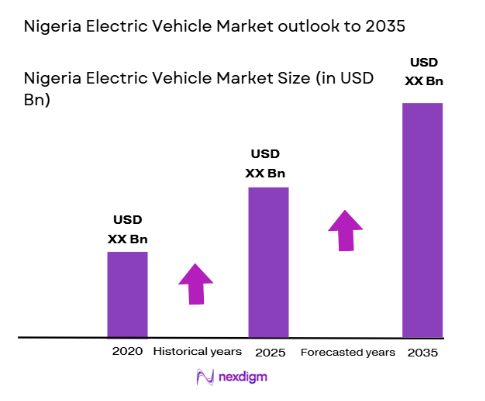
Nigeria Electric Vehicle Market reached approximately USD ~ billion based on a recent historical assessment supported by data from the International Energy Agency and Nigeria’s National Automotive Design and Development Council. Demand is driven by rising urban transportation needs, increasing fuel import costs, and government initiatives promoting clean mobility solutions. Electrification in public transport, growing interest from logistics fleets, and pilot manufacturing programs from local automakers are also strengthening demand for battery-powered mobility technologies across the country.
Major urban centers such as Lagos, Abuja, and Port Harcourt dominate the Nigeria Electric Vehicle Market due to higher population density, improved charging infrastructure initiatives, and government pilot programs supporting electric mobility. Lagos in particular acts as the primary adoption hub because of its large commercial transport sector and logistics networks. Additionally, emerging assembly initiatives by domestic manufacturers and partnerships with international EV producers are encouraging regional deployment and boosting confidence in the electric mobility ecosystem across the country.
Market Segmentation
By Product Type:
Nigeria Electric Vehicle Market is segmented by product type into battery electric vehicles, plug-in hybrid electric vehicles, hybrid electric vehicles, electric buses, and electric two wheelers. Recently, battery electric vehicles have a dominant market share due to factors such as increasing fuel price volatility, lower maintenance requirements, and growing awareness of sustainable mobility among fleet operators and urban consumers. Battery electric vehicles are increasingly adopted in urban passenger transport and ride-hailing fleets as operators attempt to reduce operational expenses related to petrol and diesel consumption. Government electrification pilots and partnerships with vehicle manufacturers have also accelerated battery electric vehicle deployment, especially in urban commercial transportation. Electric buses and electric two wheelers are gradually expanding but remain limited by charging infrastructure and financing availability. As a result, battery electric vehicles currently represent the most commercially viable electrified mobility option for urban fleets and corporate transportation programs. 
By Vehicle Application:
Nigeria Electric Vehicle Market is segmented by vehicle application into passenger vehicles, commercial fleet vehicles, public transport buses, logistics delivery vehicles, and two-wheel mobility solutions. Recently, commercial fleet vehicles have a dominant market share due to strong adoption by logistics companies, ride-hailing platforms, and corporate transport services operating in dense urban environments. Fleet operators prioritize electric vehicles because electricity costs are comparatively more stable than fuel imports, enabling predictable operational expenses. Large logistics companies transporting goods across major cities have begun pilot electrification programs to reduce fuel consumption and comply with emerging sustainability commitments. Ride-hailing companies and corporate employee transportation fleets are also exploring electric mobility as part of long-term cost optimization strategies. Although passenger vehicle ownership remains important, fleet-based electrification initiatives currently generate higher utilization rates and faster economic returns, making commercial fleet vehicles the most influential segment in the Nigeria Electric Vehicle Market.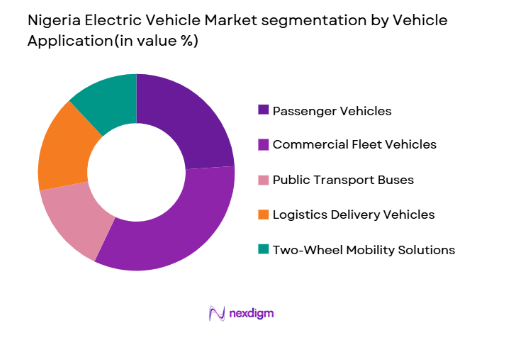
Competitive Landscape
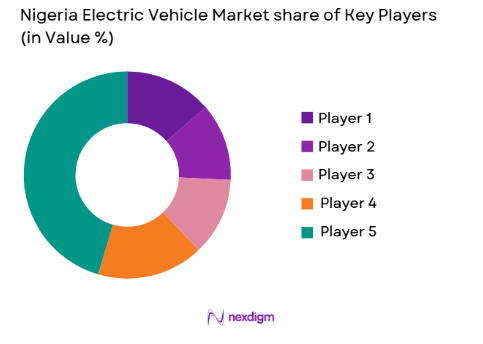
The Nigeria Electric Vehicle Market is moderately consolidated with participation from both global automotive manufacturers and emerging domestic electric mobility startups. International companies influence technology standards and supply chains, while local companies focus on vehicle assembly, fleet electrification, and regional adaptation. Partnerships between domestic automakers and foreign technology providers are becoming common as the industry scales. Increasing government interest in clean transportation has also encouraged new entrants, strengthening competition and accelerating innovation within Nigeria’s evolving electric mobility ecosystem.
| Company Name | Establishment Year | Headquarters | Technology Focus | Market Reach | Key Products | Revenue | EV Deployment Focus |
| Tesla | 2003 | United States | ~ | ~ | ~ | ~ | ~ |
| BYD Company | 1995 | China | ~ | ~ | ~ | ~ | ~ |
| Nissan Motor Corporation | 1933 | Japan | ~ | ~ | ~ | ~ | ~ |
| Hyundai Motor Company | 1967 | South Korea | ~ | ~ | ~ | ~ | ~ |
| Innoson Vehicle Manufacturing | 2007 | Nigeria | ~ | ~ | ~ | ~ | ~ |
Nigeria Electric Vehicle Market Analysis
Growth Drivers
Urban Transportation Electrification Initiatives:
Nigeria’s expanding metropolitan regions are placing significant pressure on transportation systems, encouraging adoption of electric vehicles as an alternative mobility solution. Urban centers experience high fuel consumption due to heavy traffic congestion and long commuting distances, making operating costs a significant burden for transport providers. Electric vehicles offer lower operational expenses compared with conventional fuel vehicles because electricity pricing remains comparatively stable. Government transportation agencies and municipal authorities are exploring electric buses and fleet electrification programs to improve urban mobility efficiency. Pilot programs in Lagos and Abuja have demonstrated the feasibility of electric mobility in high-density urban transport networks. Logistics companies and ride-hailing operators are also testing electric vehicles to reduce fuel costs and improve sustainability performance. As these pilot programs expand into larger deployments, the demand for electric vehicles is increasing steadily across commercial mobility segments. Domestic manufacturing initiatives are further supporting adoption by lowering vehicle import costs. These developments collectively strengthen the transition toward electrified urban transportation across Nigeria.
Rising Fuel Import Costs and Energy Diversification Efforts:
Nigeria remains heavily dependent on imported refined petroleum products despite being a major crude oil producer, resulting in significant fuel price volatility in the domestic transportation sector. Frequent fluctuations in petrol prices create uncertainty for transportation operators and logistics companies that rely on predictable operating expenses. Electric vehicles provide a compelling alternative because electricity generation can be diversified across natural gas, renewable energy, and distributed power systems. This diversification reduces exposure to global fuel price shocks. Fleet operators in logistics and urban transportation sectors are therefore increasingly evaluating electric mobility as a strategy to stabilize operational costs. Furthermore, investments in renewable energy infrastructure are supporting the long-term viability of electric vehicle charging networks. Energy diversification policies also align with environmental sustainability objectives, encouraging the adoption of low-emission transportation technologies. As electricity supply infrastructure improves, electric vehicles are expected to become more economically attractive for fleet operators and urban mobility providers.
Market Challenges
Limited Charging Infrastructure Deployment Across Urban Networks:
One of the most significant barriers to electric vehicle adoption in Nigeria is the limited availability of charging infrastructure across cities and highways. Most electric vehicle charging installations are concentrated in pilot locations rather than being distributed across the national transportation network. Without reliable charging infrastructure, potential consumers and fleet operators face uncertainty regarding vehicle range and operational continuity. The absence of fast-charging stations along intercity transport corridors further restricts electric vehicle usage for long-distance logistics operations. Infrastructure deployment also requires coordination between energy providers, government agencies, and private investors, which can slow project implementation. In addition, power supply reliability remains inconsistent in certain regions, creating additional challenges for charging network operators. These infrastructure limitations discourage potential buyers from transitioning to electric vehicles despite growing interest in sustainable mobility solutions. Until charging networks expand significantly, adoption will remain concentrated in limited urban pilot areas rather than nationwide deployment.
High Initial Vehicle Acquisition Costs for Electric Mobility:
Electric vehicles typically require higher upfront investment compared with conventional internal combustion engine vehicles, which presents a major barrier in price-sensitive markets such as Nigeria. Battery systems represent a large portion of electric vehicle production costs, making EVs more expensive for individual consumers and small businesses. Access to financing solutions specifically designed for electric vehicles remains limited within the Nigerian automotive market. Without affordable financing programs, many consumers continue to prefer conventional vehicles despite higher long-term fuel expenses. Fleet operators may also hesitate to invest in large electric vehicle deployments due to uncertainty regarding resale value and battery replacement costs. Furthermore, import duties and logistics expenses can increase the price of electric vehicles entering the Nigerian market. These financial constraints reduce consumer adoption rates and slow the pace of electrification across transportation sectors. Addressing cost barriers through incentives and local manufacturing initiatives will be essential for accelerating EV adoption.
Opportunities
Expansion of Domestic Electric Vehicle Assembly and Manufacturing:
Nigeria’s automotive industry has begun exploring local electric vehicle assembly as a strategy to reduce dependence on imported vehicles and strengthen domestic manufacturing capabilities. Local production can significantly lower vehicle costs by reducing import duties and logistics expenses associated with international supply chains. Domestic manufacturing also enables customization of electric vehicles to suit regional transportation conditions, including road infrastructure and climate considerations. Partnerships between international EV manufacturers and Nigerian automotive companies are emerging to transfer technology and establish local assembly facilities. These collaborations can accelerate knowledge development and create employment opportunities within the automotive sector. Government policies supporting domestic automotive manufacturing further reinforce the potential for electric vehicle assembly plants. As local production capacity increases, electric vehicles may become more accessible to Nigerian consumers and commercial fleet operators. This opportunity could transform the electric mobility ecosystem by creating a more resilient supply chain and lowering vehicle acquisition costs.
Electrification of Commercial Logistics and Ride-Hailing Fleets:
Nigeria’s rapidly growing e-commerce sector and ride-hailing industry present a significant opportunity for electric vehicle adoption within commercial transportation fleets. Logistics companies and mobility platforms operate vehicles intensively throughout urban environments, leading to substantial fuel consumption and maintenance expenses. Electric vehicles offer operational advantages such as lower energy costs, fewer mechanical components, and reduced maintenance requirements. Fleet electrification programs allow companies to improve operational efficiency while also meeting emerging sustainability goals. Ride-hailing operators in major cities are increasingly evaluating electric vehicle integration as part of long-term cost optimization strategies. Additionally, electric delivery vehicles can support the expansion of last-mile logistics networks in densely populated urban areas. As commercial mobility companies scale their electrification initiatives, demand for electric vehicles, charging infrastructure, and fleet management technologies will grow substantially across Nigeria’s transportation ecosystem.
Future Outlook
The Nigeria Electric Vehicle Market is expected to experience steady growth over the next five years as government policies and private investments strengthen the electric mobility ecosystem. Expansion of urban charging infrastructure, improvements in domestic vehicle assembly, and increasing interest from logistics fleets are likely to drive demand. Technological advancements in battery efficiency and cost reductions will further support adoption. As electricity supply infrastructure stabilizes and renewable energy integration expands, electric mobility is projected to become a more practical and economically viable transportation option across Nigeria.
Major Players
- Tesla
- BYD Company
- Nissan Motor Corporation
- Hyundai Motor Company
- Toyota Motor Corporation
- Volkswagen Group
- BMW Group
- Stellantis
- Rivian Automotive
- Lucid Motors
- Dongfeng Motor Corporation
- Geely Auto Group
- Innoson Vehicle Manufacturing
- Jet Motors Company
- Siltech Electric Vehicles
Key Target Audience
- Automotive manufacturers
- Electric vehiclecomponent manufacturers
- Battery technology companies
- Charging infrastructure developers
- Fleet and logistics companies
- Ride-hailing platform operators
- Investments and venture capitalist firms
- Government and regulatory bodies
Research Methodology
Step 1: Identification of Key Variables
Primary research begins by identifying important supply and demand indicators influencing the Nigeria Electric Vehicle Market. These include vehicle sales trends, infrastructure deployment, energy pricing dynamics, and fleet electrification initiatives across major urban transportation systems.
Step 2: Market Analysis and Construction
The collected data is structured using bottom-up and top-down market estimation techniques. Historical automotive sales data, government mobility policies, and electric vehicle deployment programs are analyzed to construct a comprehensive market model.
Step 3: Hypothesis Validation and Expert Consultation
Industry experts including automotive manufacturers, mobility startups, energy providers, and policy stakeholders validate assumptions regarding electric vehicle adoption rates, infrastructure expansion, and cost dynamics shaping the Nigeria Electric Vehicle Market.
Step 4: Research Synthesis and Final Output
Validated insights are integrated into a structured research framework combining quantitative analysis and qualitative industry insights. The final output presents a comprehensive view of market dynamics, competitive landscape, and future growth opportunities.

- Executive Summary
- Research Methodology (Definitions, Scope, Industry Assumptions, Market Sizing Approach, Primary & Secondary Research Framework, Data Collection & Verification Protocol, Analytic Models & Forecast Methodology, Limitations & Research Validity Checks)

- Market Definition and Scope
- Value Chain & Stakeholder Ecosystem
- Regulatory / Certification Landscape
- Sector Dynamics Affecting Demand
- Strategic Initiatives & Infrastructure Growth

- Growth Drivers
Increasing fuel price volatility encouraging alternative mobility solutions
Government initiatives promoting electric mobility and clean transport
Rapid urbanization driving demand for efficient city transportation - Market Challenges
Limited charging infrastructure across urban and rural regions
High upfront cost of electric vehicles compared to conventional vehicles
Dependence on imported EV components and battery systems - Market Opportunities
Expansion of domestic EV assembly and localized manufacturing
Integration of renewable energy with EV charging infrastructure
Growth of electric mobility solutions for logistics and ride hailing sectors - Trends
Rising deployment of electric buses for urban public transportation
Growing adoption of electric motorcycles for last mile mobility
Emergence of battery swapping networks for two and three wheelers - Government Regulations & Defense Policy
National Automotive Industry Development Plan supporting vehicle electrification
Fiscal incentives and import duty adjustments for electric vehicles
Government backed initiatives for clean transportation adoption - SWOT Analysis
- Stakeholder and Ecosystem Analysis
- Porter’s Five Forces Analysis
- Competition Intensity and Ecosystem Mapping

- By Market Value, 2020-2025
- By Installed Units, 2020-2025
- By Average System Price, 2020-2025
- By System Complexity Tier, 2020-2025

- By System Type (In Value%)
Battery Electric Vehicles
Plug-in Hybrid Electric Vehicles
Hybrid Electric Vehicles
Fuel Cell Electric Vehicles
Extended Range Electric Vehicles - By Platform Type (In Value%)
Passenger Electric Vehicles
Electric Two Wheelers
Electric Three Wheelers
Electric Commercial Vehicles
Electric Bus Platforms - By Fitment Type (In Value%)
Factory Integrated Electric Vehicles
Aftermarket EV Conversion Kits
Semi Integrated Hybrid Platforms
Fleet Conversion Systems
Modular Electrification Platforms - By EndUser Segment (In Value%)
Private Passenger Owners
Commercial Fleet Operators
Ride Hailing and Mobility Platforms
Public Transport Authorities
Corporate Logistics Operators - By Procurement Channel (In Value%)
Direct OEM Sales
Authorized Dealership Networks
Fleet Procurement Contracts
Government Tenders and Incentive Programs
Online Vehicle Marketplaces - By Material / Technology (in Value %)
Lithium Ion Battery Systems
Lithium Iron Phosphate Batteries
Nickel Manganese Cobalt Batteries
Solid State Battery Technologies
Battery Swapping Technologies

- Market structure and competitive positioning
- Market share snapshot of major players
- CrossComparison Parameters (Vehicle Range, Battery Capacity, Charging Time, Powertrain Efficiency, Vehicle Price Band, Charging Compatibility, Fleet Integration Capability, AfterSales Support, Localization Strategy, Technology Platform)
- SWOT Analysis of Key Players
- Pricing & Procurement Analysis
- Key Players
BYD Company
Tesla
Nissan Motor Corporation
Hyundai Motor Company
Toyota Motor Corporation
Volkswagen Group
BMW Group
Stellantis
Rivian Automotive
Lucid Motors
Dongfeng Motor Corporation
Geely Auto Group
Innoson Vehicle Manufacturing
Jet Motors Company
Siltech Electric Vehicles

- Urban mobility users increasingly adopting electric two and three wheelers
- Ride hailing companies exploring EV fleets to reduce operational costs
- Public transport agencies evaluating electric buses for urban transit
- Corporate logistics operators integrating EVs for sustainable delivery networks

- Forecast Market Value, 2026-2035
- Forecast Installed Units, 2026-2035
- Price Forecast by System Tier, 2026-2035
- Future Demand by Platform, 2026-2035


 Request a Sample
 Ask for Customization
 Get a Quote
 Enquire Now