
 Download PDF
 Download PDF
Market Overview
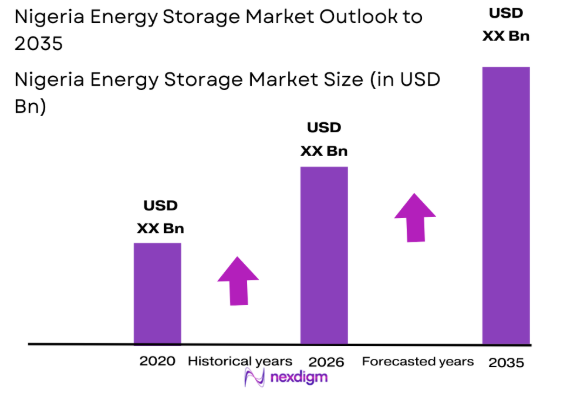
The Nigeria Energy Storage market is experiencing substantial growth, driven by the increasing adoption of renewable energy sources and the growing need for energy stability. Recent assessments indicate that the market value for energy storage in Nigeria is in the range of USD ~ billion. This growth is fueled by government policies promoting clean energy and private sector investment, which together create an encouraging environment for energy storage solutions, especially in the context of integrating solar and wind power into the national grid.
Dominant countries in this sector, especially Nigeria, are positioned due to their expanding infrastructure and government-led renewable energy initiatives. The nation’s vast potential for renewable energy, especially solar, combined with the continuous push for improved energy access, makes it a key player in the market. Urban centers like Lagos, Abuja, and Port Harcourt, with their increasing demand for stable electricity, lead the way in the adoption of energy storage technologies, which are essential for balancing grid supply with renewable energy sources.
Market Segmentation
By System Type
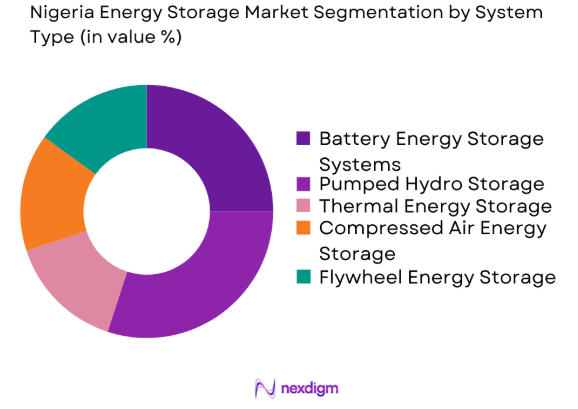
The Nigeria Energy Storage market is segmented by system type into battery energy storage systems, pumped hydro storage, thermal energy storage, compressed air energy storage, and flywheel energy storage. Recently, battery energy storage systems (BESS) have dominated the market due to the increasing reliance on renewable energy, as well as advancements in lithium-ion battery technology, which offer better efficiency, scalability, and cost-effectiveness compared to other technologies. This system’s growing demand is driven by the urgent need for grid stability and energy storage in both urban and rural regions.
By Platform Type
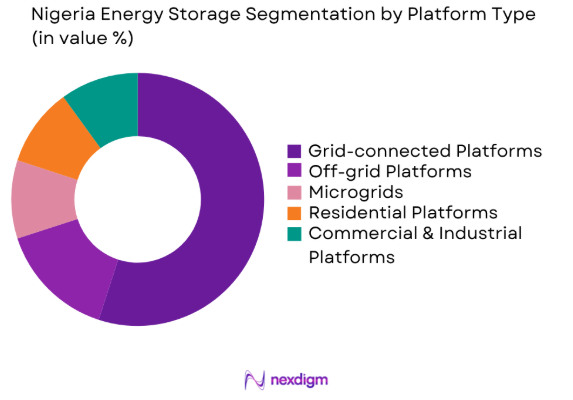
The Nigeria Energy Storage market is segmented by platform type into grid-connected platforms, off-grid platforms, microgrids, residential platforms, and commercial & industrial platforms. Grid-connected platforms are leading the market share due to the growing need for integrating energy storage with national grids, ensuring reliable power supply and improving grid stability in areas experiencing intermittent power generation from renewable sources. This platform’s dominance is fueled by government incentives for large-scale grid improvement projects across Nigeria.
Competitive Landscape
The Nigerian energy storage market is highly competitive, with both international and local players striving for dominance in an emerging market. The consolidation is evident as large multinational firms with extensive experience in energy storage are collaborating with local utilities and governments to improve energy infrastructure. These partnerships are essential for the widespread adoption of energy storage solutions, especially as the market experiences rapid expansion driven by increasing demand for renewable energy integration and grid stability.
| Company Name | Establishment Year | Headquarters | Technology Focus | Market Reach | Key Products | Revenue | Additional Parameter |
| General Electric | 1892 | USA | ~ | ~ | ~ | ~ | ~ |
| Siemens Energy | 1847 | Germany | ~ | ~ | ~ | ~ | ~ |
| Schneider Electric | 1836 | France | ~ | ~ | ~ | ~ | ~ |
| ABB Group | 1883 | Switzerland | ~ | ~ | ~ | ~ | ~ |
| Fluence Energy | 2018 | USA | ~ | ~ | ~ | ~ | ~ |
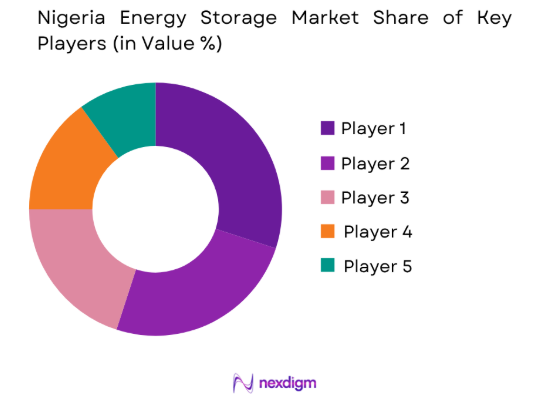
Nigeria Energy Storage Market Analysis
Growth Drivers
Technological Advancements in Battery Storage
Advancements in battery storage technology, particularly lithium-ion batteries, are driving the growth of energy storage in Nigeria. These batteries have become more cost-effective and scalable, making it easier to integrate renewable energy sources, such as solar and wind, into the grid. This is a key factor in enabling the widespread adoption of renewable energy across the country. Innovations in battery chemistry and improved battery life expectancy are further enhancing the long-term viability of these storage systems. As the technology continues to evolve, energy storage becomes a more efficient and reliable solution for grid stability, supporting the transition to cleaner energy while addressing power supply challenges in both urban and rural areas.
Increasing Government Support for Renewable Energy
The Nigerian government’s strong focus on renewable energy is driving the growth of the energy storage market. With ambitious goals to diversify energy sources, the country’s energy policy emphasizes integrating solar and wind power, which require reliable energy storage for grid stability. Supportive policies, including subsidies and tax incentives for renewable energy projects, are fostering the widespread adoption of energy storage technologies. These initiatives are helping to overcome the challenges of intermittency associated with renewable energy, ensuring a more reliable and consistent power supply. As these policies continue to evolve, they are playing a crucial role in accelerating the development and deployment of energy storage systems across Nigeria, further fueling market expansion.
Market Challenges
High Capital Expenditure for Energy Storage Infrastructure
A key challenge for the Nigerian energy storage market is the high initial capital expenditure required for energy storage projects. Establishing energy storage infrastructure, including battery storage systems and grid technologies, involves significant financial investment, which can deter both private investors and public sector initiatives. This challenge is compounded by limited access to financing and the need for large-scale investments in grid infrastructure to support energy storage systems effectively. The high upfront costs create barriers for market entry and slow down the adoption of energy storage solutions, despite their long-term benefits for grid stability and renewable energy integration. Addressing these financial and infrastructure challenges is crucial for accelerating market growth and deployment of energy storage systems.
Regulatory and Policy Barriers
Despite significant support from the Nigerian government for renewable energy, the energy storage market faces regulatory challenges. A lack of standardized regulations for energy storage systems and an unclear policy framework for private sector involvement create significant hurdles. The absence of consistent regulatory oversight leads to uncertainty for investors and developers, making it difficult to plan and execute large-scale energy storage projects. This uncertainty can slow down the growth of the market, even as the demand for energy storage solutions continues to rise. To accelerate market development, it is essential for the government to establish clear, standardized regulations and a supportive policy environment that fosters private sector investment and innovation in energy storage technologies.
Opportunities
Expansion of Off-Grid Energy Solutions
Nigeria’s energy storage market presents considerable opportunities for off-grid energy solutions, particularly in remote rural areas that lack reliable access to the national grid. Combining off-grid systems with energy storage can provide stable electricity, improving living standards and supporting economic growth in underserved regions. With the Nigerian government prioritizing rural electrification, the demand for energy storage in off-grid platforms is expected to grow significantly. This expansion offers valuable opportunities for both local and international companies to enter the market, providing innovative energy storage solutions that meet the needs of these areas. The increasing focus on rural electrification and energy access is driving investment and development in off-grid energy storage systems across Nigeria.
Integration with Smart Grid Systems
As Nigeria modernizes its energy infrastructure, integrating energy storage systems with smart grid technologies presents a significant opportunity. These integrated systems can enhance energy distribution, minimize losses, and improve demand-side management, leading to greater efficiency. The increasing adoption of IoT and automation in the energy sector further supports this trend, driving the need for advanced energy storage solutions. These technologies allow for real-time data monitoring, enabling better control over energy usage and grid stability. The growing push for smarter, more efficient energy management systems in Nigeria opens new avenues for energy storage developers to innovate and capitalize on the expanding market, helping to meet the nation’s energy demands sustainably.
Future Outlook
The future of the Nigeria energy storage market appears promising, with substantial growth expected over the next five years. Technological advancements in battery storage, coupled with increasing government support for renewable energy, will play a significant role in shaping the market’s trajectory. As Nigeria’s energy infrastructure continues to modernize, energy storage systems will become increasingly vital for grid stability and energy efficiency. With a growing emphasis on rural electrification and off-grid solutions, energy storage will be key to meeting energy demand and ensuring reliable power supply in underserved regions.
Major Players
- General Electric
- Siemens Energy
- Schneider Electric
- ABB Group
- Fluence Energy
- Tesla
- BYD
- LG Chem
- Panasonic
- AES Corporation
- Vestas
- Eaton
- Sunverge
- CATL
- Mitsubishi Electric
Key Target Audience
- Investments and venture capitalist firms
- Government and regulatory bodies
- Renewable energy developers
- Utility companies
- Technology integrators
- Commercial and industrial companies
- Energy solution providers
- Off-grid energy developers
Research Methodology
Step 1: Identification of Key Variables
The first step in the research methodology involves identifying the key variables that drive the energy storage market. These variables include technological advancements, policy frameworks, and market demand, as well as the economic factors influencing adoption rates.
Step 2: Market Analysis and Construction
This step involves building a comprehensive market model based on the identified variables. It includes examining historical data, market trends, and industry reports to construct a reliable representation of the market’s size, trends, and future growth potential.
Step 3: Hypothesis Validation and Expert Consultation
Expert consultations are carried out to validate the market hypotheses. Industry leaders, policymakers, and market participants provide insights into the drivers, challenges, and opportunities within the market, ensuring the accuracy and relevance of the research.
Step 4: Research Synthesis and Final Output
The final step involves synthesizing all gathered data and insights into a comprehensive market report. This includes developing a detailed analysis of the market, including its segmentation, competitive landscape, and future outlook.

- Executive Summary
- Research Methodology (Definitions, Scope, Industry Assumptions, Market Sizing Approach, Primary & Secondary Research Framework, Data Collection & Verification Protocol, Analytic Models & Forecast Methodology, Limitations & Research Validity Checks)

- Market Definition and Scope
- Value Chain & Stakeholder Ecosystem
- Regulatory / Certification Landscape
- Sector Dynamics Affecting Demand
- Strategic Initiatives & Infrastructure Growth

- Growth Drivers
Increasing Demand for Renewable Energy Integration
Government Policies Supporting Energy Storage
Technological Advancements in Battery Storage - Market Challenges
High Initial Capital Expenditure for Energy Storage Systems
Limited Infrastructure for Large-Scale Energy Storage
Regulatory and Policy Barriers to Energy Storage Adoption - Market Opportunities
Expansion of Off-Grid Energy Solutions
Integration with Smart Grids
Increased Investments in Renewable Energy Storage - Trends
Adoption of Lithium-ion Batteries
Advancements in Energy Storage for Electric Vehicles
Emerging Hybrid Storage Solutions - Government Regulations
- SWOT Analysis of Key Competitors
- Porter’s Five Forces

- By Market Value, 2020-2025
- By Installed Units, 2020-2025
- By Average System Price, 2020-2025
- By System Complexity Tier, 2020-2025

- By System Type (In Value%)
Battery Energy Storage Systems
Pumped Hydro Storage
Thermal Energy Storage
Compressed Air Energy Storage
Flywheel Energy Storage - By Platform Type (In Value%)
Grid-Connected Platforms
Off-Grid Platforms
Microgrids
Residential Platforms
Commercial & Industrial Platforms - By Fitment Type (In Value%)
On-premise Solutions
Cloud-based Solutions
Hybrid Solutions
Modular Solutions
Integrated Solutions - By End User Segment (In Value%)
Utilities
Industrial
Residential
Commercial
Government - By Procurement Channel (In Value%)
Direct Procurement
Government Tenders
Private Sector Procurement
Online Bidding Platforms
Third-party Distributors

- Market Share Analysis
- Cross Comparison Parameters (System Type, Platform Type, Procurement Channel, End User Segment, Fitment Type, Storage Capacity, Power Output, Geographical Deployment, Regulatory Compliance, Technology Integration)
- SWOT Analysis of Key Competitors
- Pricing & Procurement Analysis
- Key Players
General Electric
Siemens Energy
Schneider Electric
Sungrow Power Supply
ABB Group
Fluence Energy
Eos Energy Storage
Vestas
Tesla
BYD
GCL-Poly Energy
Samsung SDI
LG Chem
Goldwind
Enel Green Power

- Growing Demand from Industrial and Commercial Sectors
- Government Incentives Driving Adoption
- Challenges in Residential Energy Storage Deployment
- Energy Storage’s Role in Enhancing Grid Stability

- Forecast Market Value, 2026-2035
- Forecast Installed Units, 2026-2035
- Price Forecast by System Tier, 2026-2035
- Future Demand by Platform, 2026-2035


 Request a Sample
 Ask for Customization
 Get a Quote
 Enquire Now