

 Download PDF
Market Overview
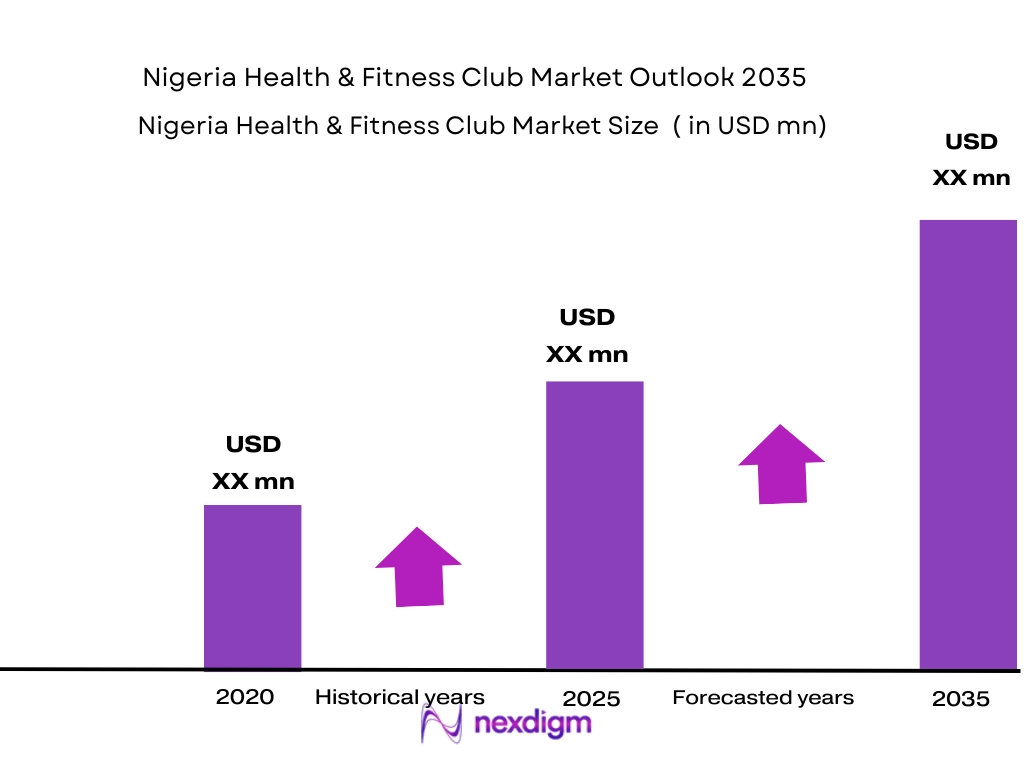
The Nigeria health and fitness club market has demonstrated steady expansion, supported by increasing awareness of lifestyle-related health conditions and rising participation in structured fitness activities. Based on a recent historical assessment, the market size reached approximately USD ~ million, driven primarily by urban demand, growing middle-class income, and the emergence of organized gym chains. The adoption of subscription-based fitness models and personalized training services has further strengthened revenue generation across major metropolitan areas.
Urban centers such as Lagos, Abuja, and Port Harcourt dominate the Nigeria health and fitness club market due to higher disposable income, better infrastructure, and stronger exposure to global fitness trends. Lagos leads as a commercial hub with dense population and premium gym presence, while Abuja benefits from government-driven wellness awareness and corporate demand. These cities exhibit higher penetration of fitness clubs due to accessibility, digital adoption, and evolving consumer preferences toward preventive healthcare and structured exercise regimes.
Market Segmentation
By Service Type
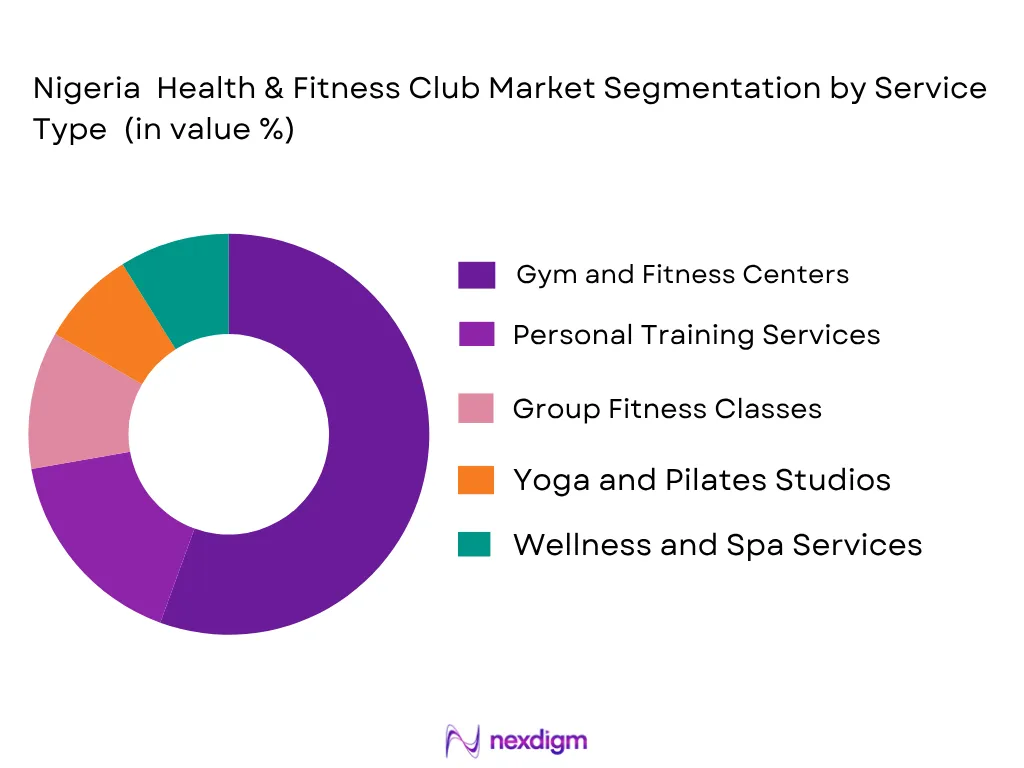
Nigeria health and fitness club market is segmented by service type into gym and fitness centers, personal training services, group fitness classes, yoga and pilates studios, and wellness and spa services. Recently, gym and fitness centers have a dominant market share due to factors such as widespread accessibility, affordability across different income groups, and higher consumer trust in traditional fitness formats. These centers provide diverse equipment, flexible memberships, and structured programs, making them appealing to first-time users and experienced individuals alike. Additionally, brand recognition and physical presence across urban regions strengthen their dominance.
By Distribution Channel
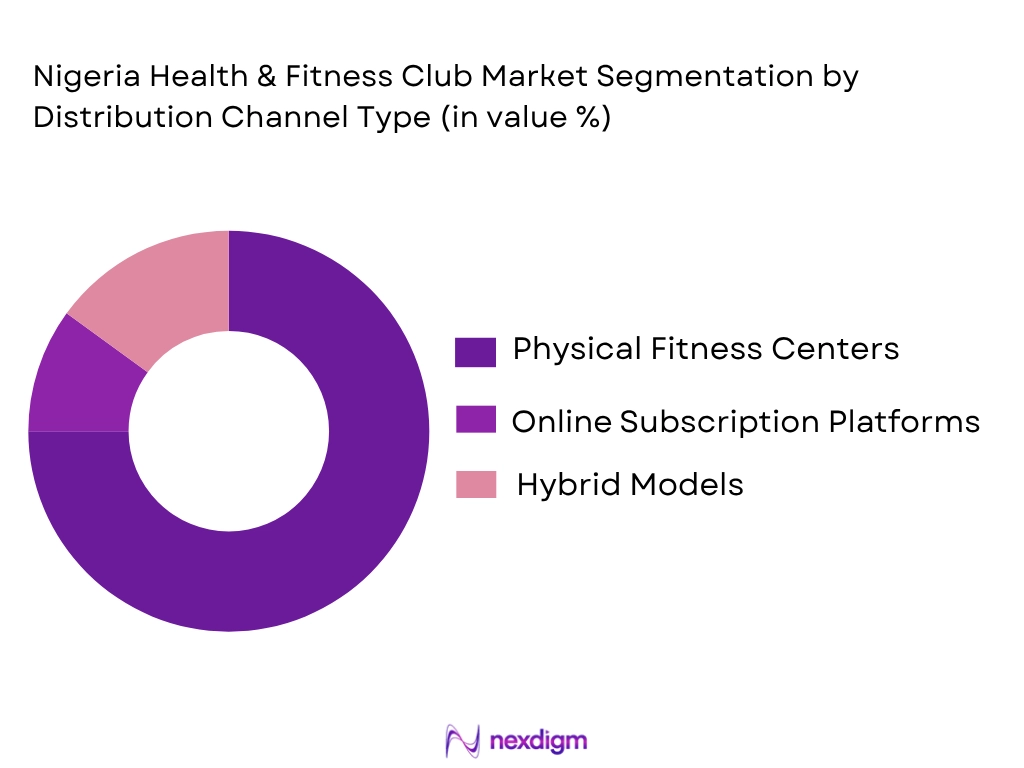
Nigeria health and fitness club market is segmented by distribution channel into physical fitness centers, online subscription platforms, and hybrid models. Recently, physical fitness centers have a dominant market share due to factors such as availability of infrastructure, social interaction benefits, and higher perceived value from in-person training. Consumers prefer physical facilities for access to professional equipment, trainers, and structured routines. While digital platforms are growing, limited internet penetration in certain regions and trust issues with virtual training continue to support the dominance of traditional centers.
Competitive Landscape
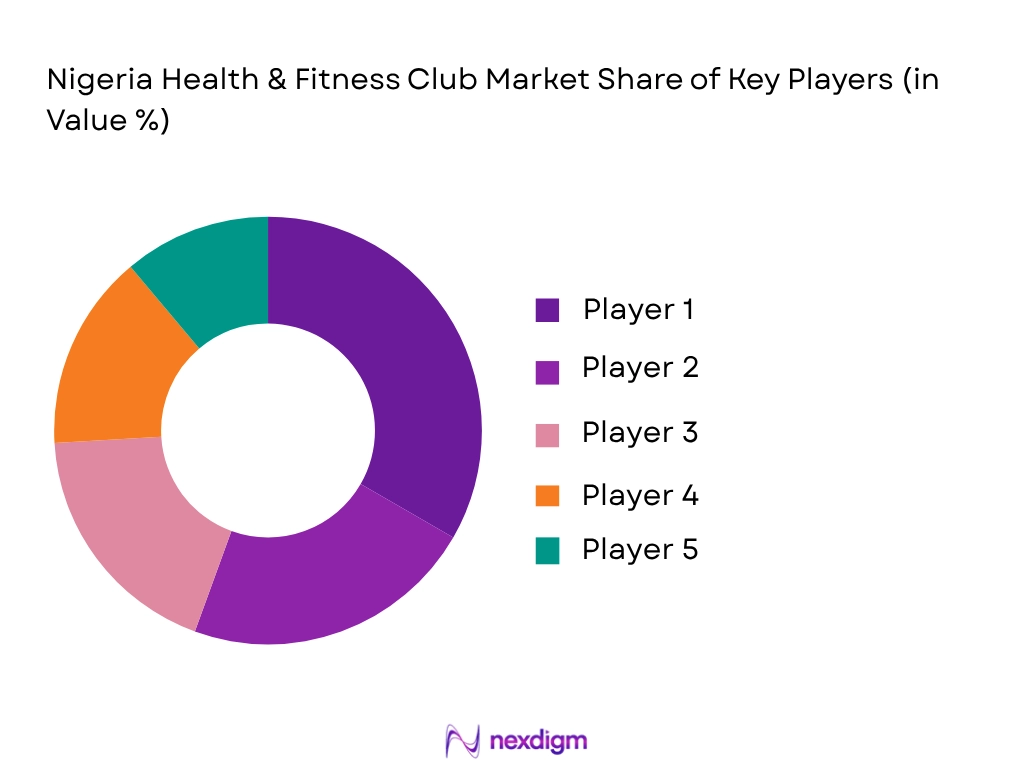
The Nigeria health and fitness club market is moderately fragmented, with a mix of organized gym chains and independent operators competing across urban regions. Established brands leverage strong location presence, diverse service offerings, and brand credibility, while smaller players compete on affordability and localized services. Increasing investment in digital integration and personalized fitness solutions is shaping competition dynamics, pushing companies to differentiate through technology and customer engagement.
| Company Name | Establishment Year | Headquarters | Technology Focus | Market Reach | Key Products | Revenue (USD) | Membership Base |
| iFitness Centre | 2015 | Lagos | ~ | ~ | ~ | ~ | ~ |
| Fitness Central | 2018 | Lagos | ~ | ~ | ~ | ~ | ~ |
| Bodyline Fitness | 2010 | Abuja | ~ | ~ | ~ | ~ | ~ |
| Safari Fitness | 2008 | Lagos | ~ | ~ | ~ | ~ | ~ |
| Sky Fitness ym | 2012 | Port Harcourt | ~ | ~ | ~ | ~ | ~ |
Nigeria Health & Fitness Club Market Analysis
Growth Drivers
Increasing Health Awareness and Preventative Healthcare
Rising awareness of lifestyle-related diseases such as obesity, cardiovascular conditions, and diabetes is encouraging individuals in Nigeria to adopt regular fitness routines. Consumers are increasingly prioritizing preventive healthcare over reactive treatments, leading to a steady rise in gym memberships and participation in structured fitness programs. Social media, fitness influencers, and access to global wellness trends are further driving this behavioral shift. Additionally, younger demographics are embracing fitness as part of their daily lifestyle, contributing to sustained demand. This growing awareness is also encouraging fitness providers to expand services such as personalized training and wellness programs.
Growing Urban Population and Disposable Income
Rapid urbanization in cities like Lagos and Abuja is significantly influencing the growth of the fitness market. As more individuals migrate to urban areas for employment opportunities, exposure to modern lifestyles increases, leading to higher adoption of fitness services. Rising disposable income among urban professionals enables greater spending on gym memberships and wellness activities. The development of commercial complexes, residential societies, and shopping malls is also supporting the establishment of fitness centers. This urban growth is creating a strong customer base for organized fitness providers.
Challenges
High Price Sensitivity in Core Segments
A significant portion of Nigeria’s population remains highly price-sensitive, which limits the adoption of paid fitness services. Gym memberships, particularly in premium facilities, are often perceived as expensive, making them inaccessible to middle- and lower-income groups. This affordability gap restricts market penetration and forces fitness providers to carefully balance pricing with operational costs. Economic uncertainties and fluctuating income levels further impact consumer willingness to commit to long-term memberships. As a result, many individuals opt for informal or home-based fitness alternatives instead of structured programs.
Dependence on Imported Fitness Equipment and Technology
The Nigeria fitness market relies heavily on imported gym equipment and technology, which increases setup and maintenance costs for operators. Import duties, shipping expenses, and currency fluctuations contribute to higher capital investment requirements. This dependency also affects pricing strategies, as businesses pass on additional costs to consumers. Smaller fitness centers face challenges in upgrading equipment due to financial constraints. As a result, expansion into less developed regions becomes difficult, limiting overall market growth and accessibility.
Opportunities
Expansion of Health and Fitness Services in Rural Areas
There is substantial untapped potential in rural and semi-urban regions of Nigeria where access to fitness infrastructure remains limited. Expanding services into these areas can help fitness providers reach new customer segments and increase overall market penetration. Affordable and community-based fitness models can be introduced to cater to local populations. Additionally, growing awareness of health and wellness in these regions is creating new demand. Establishing smaller, cost-effective fitness centers can significantly contribute to market growth.
Increasing Adoption of Hybrid Fitness Models (Physical & Virtual Services)
The growing availability of internet connectivity and digital platforms is enabling fitness providers to adopt hybrid models that combine physical and virtual services. These models offer flexibility and convenience, allowing users to access workouts both at gyms and from home. Virtual training sessions, mobile apps, and online coaching are gaining popularity, especially among younger consumers. Hybrid models also allow businesses to scale efficiently without heavy infrastructure investment. This trend is expected to play a key role in the future expansion of the fitness market.
Future Outlook
The Nigeria health and fitness club market is expected to witness sustained growth over the next five years, driven by increasing urbanization, rising health awareness, and technological advancements. The adoption of digital and hybrid fitness models will play a crucial role in expanding market reach and improving accessibility. Government initiatives promoting wellness and preventive healthcare are likely to support industry growth, while evolving consumer preferences will drive innovation in service offerings. Overall, the market is poised for steady expansion with strong long-term potential.
Major Players
- iFitness Centre
- Fitness Central
- Bodyline Fitness
- Safari Fitness
- Sky Fitness Gym
- EliteBox Fitness
- Eko Gym & Spa
- Bodyworx Gym
- Pure Fitness Africa
- The Fitness Factory
- Fitness Factory Nigeria
- Spartan Fitness
- Peak Fitness Center
- Iron Body Fitness
- Alpha Fitness Club
Key Target Audience
- Fitness club operators
- Corporate wellness program managers
- Real estate developers
- Equipment manufacturers
- Healthcare providers
- Investments and venture capitalist firms
- Government and regulatory bodies
- Digital fitness platform providers
Research Methodology
Step 1: Identification of Key Variables
Key variables such as market size, revenue streams, pricing structures, and consumer demographics are identified through secondary research. These variables form the foundation for understanding market dynamics and segmentation.
Step 2: Market Analysis and Construction
The market is analyzed using a combination of top-down and bottom-up approaches, incorporating industry data, company revenues, and macroeconomic indicators to construct a comprehensive market model.
Step 3: Hypothesis Validation and Expert Consultation
Findings are validated through consultations with industry experts, fitness professionals, and market participants to ensure accuracy and reliability of the data and insights.
Step 4: Research Synthesis and Final Output
All data points and insights are synthesized into a structured report, ensuring consistency, clarity, and alignment with research objectives to deliver actionable market intelligence.

- Executive Summary
- Research Methodology (Market Definitions and Assumptions, Abbreviations and Terminology, Data Sources and Validation Approach, Nigeria Health & Fitness Club Market Sizing Methodology, Primary and Secondary Research Benchmarks, Market Reliability and Confidence Intervals)

- Industry Definition and Scope
- Market Genesis and Evolution in Nigeria
- Consumer Adoption Patterns
- Market Value Chain and Distribution Architecture
- Import and Export Dynamics

- Growth Drivers
Increasing Health Awareness and Preventative Healthcare
Growing Urban Population and Disposable Income
Rise in Corporate Wellness Programs
Shift Toward Digital Fitness and Virtual Services
Government Health Initiatives and Public Wellness Campaigns - Challenges
High Price Sensitivity in Core Segments
Dependence on Imported Fitness Equipment and Technology
Limited Availability of Fitness Centers in Smaller Cities and Rural Areas
Consumer Education and Awareness Gaps
Infrastructure Constraints in Growing Regions - Opportunities
Expansion of Health and Fitness Services in Rural Areas
Integration of AI and Virtual Fitness Training
Growth of Corporate Wellness Programs and Partnerships
Increasing Adoption of Hybrid Fitness Models (Physical & Virtual Services)
Opportunities in Women’s-Only Fitness Services and Studios - Trends
Digital and Smart Fitness Solutions
Subscription-Based Models and Fitness App Growth
Corporate Wellness and Employee Fitness Programs
Wellness and Spa Services Expansion
Focus on Holistic Wellness and Mental Health
Rise of Outdoor Fitness and Community-Based Activities - Government Regulations
Health and Safety Standards for Fitness Centers
Licensing and Regulation of Fitness Professionals
Regulations for Online Fitness and Virtual Training Services
Government Initiatives Promoting Fitness and Healthy Living - SWOT Analysis
- Porter’s Five Forces

- By Market Value, 2020-2025
- By Number of Subscribers, 2020-2025
- By Average Membership Fee, 2020-2025
- By Service Category Revenue Contribution, 2020-2025

- By Service Type (In Value %)
Gym and Fitness Centers
Personal Training Services
Group Fitness Classes
Yoga and Pilates Studios
Wellness and Spa Services - By Distribution Channel (In Value %)
Physical Fitness Centers
Online Subscription Platforms
Online Subscription Platforms - By Consumer Demographic (In Value %)
Urban Professionals
Young Adults (Ages 18-35)
Middle-Income Households
Senior Fitness Segment
Corporate Wellness Programs
Women’s Fitness Segment - By Price Tier (In Value %)
Budget / Entry-Level
Mid-Tier
Premium / High-End
Luxury / Exclusive Memberships - By Region (In Value %)
Lagos
Abuja
Port Harcourt
Other Regions

- Market Share by Service Category
- Number of Subscribers by Major Brands
- Cross Comparison Parameters (Company Overview, Service Portfolio Strength, Location Footprint, Technology and Digital Integration, Pricing Strategy, Brand Equity, Consumer Preference Score, Annual Revenue, and Growth Trajectory)
- Company Profiles
iFitness Centre
Fitness Central
Bodyline Fitness
Safari Fitness
Sky Fitness Gym
Eko Gym & Spa
EliteBox Fitness
Bodyworx Gym
Pure Fitness Africa
The Fitness Factory

- Buying Decision Drivers
- Brand Loyalty and Subscription Cycle
- Payment Preferences and Financing Options
- Post-Service Usage Patterns
- Pain Points in Service Usage and Membership Renewal

- By Market Value, 2026-2035
- By Number of Subscribers, 2026-2035
- By Average Membership Fee, 2026-2035
- By Service Category Revenue Contribution, 2026-2035


 Request a Sample
 Ask for Customization
 Get a Quote
 Enquire Now