

 Download PDF
Market Overview
The Nigeria health and fitness services market is valued at approximately USD ~ million, based on comprehensive industry analysis of gym and health club revenue models within the country’s fitness services sector. This valuation encompasses revenues from gym memberships, personal training, classes, and associated fitness offerings. Growth is driven by rising health consciousness among the population, urbanization, and changing lifestyles that prioritize preventive health and physical well‑being. Increasing disposable incomes among middle‑class consumers and the proliferation of low‑cost fitness centers also contribute to expanding service adoption.
Within Nigeria, Lagos, Abuja, and Port Harcourt dominate the health and fitness services market due to their high levels of economic activity and consumer purchasing power. Lagos, as the commercial hub, hosts the greatest concentration of gyms and fitness centers. Abuja, the political center, sees investment in wellness infrastructure and corporate wellness demand. Port Harcourt’s vibrant youth population and growing interest in fitness further support its leadership. These cities attract both local and international fitness brands, reinforcing dominant market positions.
Market Segmentation
By Service Type
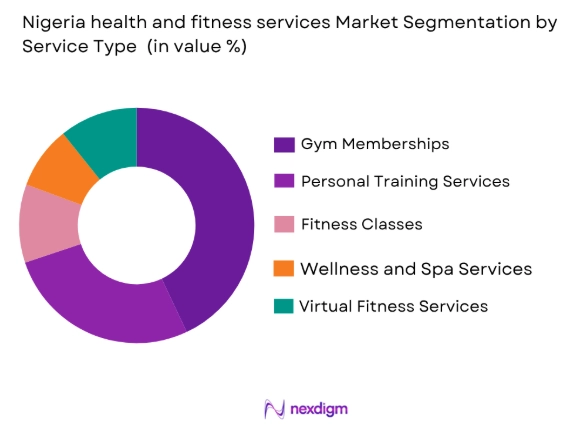
The Nigeria health and fitness services market is segmented by service type into gyms & fitness clubs, personal training services, wellness & spa services, and digital/online fitness solutions. Among these, gyms & fitness clubs hold the largest market share owing to their broad appeal and established presence across urban centers. These facilities offer structured training programs, group classes, and access to professional equipment, making them a preferred choice for individuals seeking comprehensive fitness solutions. Increased health awareness and demand for social, community‑based fitness activities further support the dominance of this sub‑segment. Boutique and digital offerings are emerging but remain secondary due to accessibility and awareness constraints in many regions.
By End User
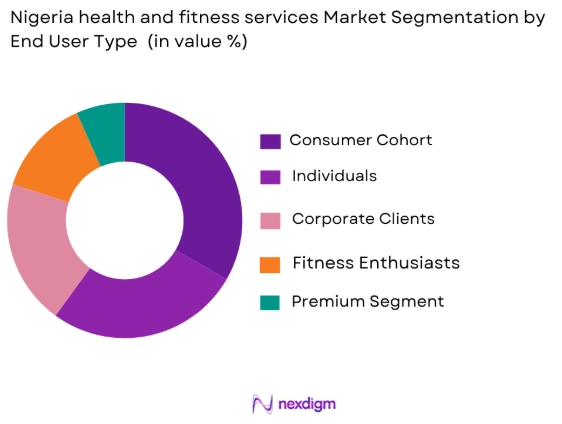
The market is also segmented by end user into individual consumers, corporate wellness programs, and institutional/government initiatives. Individual consumers dominate this segment as most fitness expenditures are direct memberships and personal service purchases. Personal health and fitness adoption is driven by rising lifestyle‑related health concerns, greater focus on wellness, and social influences promoting active lifestyles. Corporate wellness programs are growing but contribute a smaller share due to limited formal adoption. Government initiatives promoting health education and preventive care provide incremental support to individual engagement.
Competitive Landscape
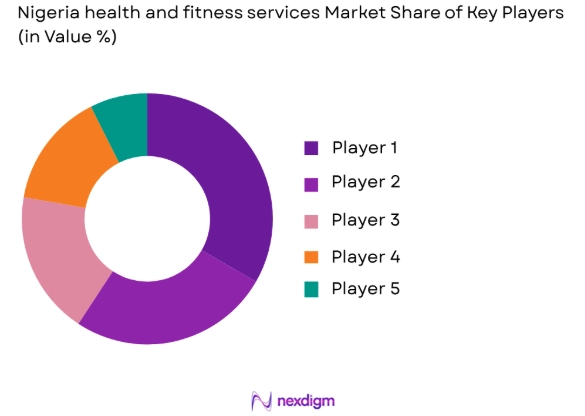
The Nigeria health and fitness services market features a mix of local and regional operators with varying formats including commercial gyms, boutique studios, and specialized training providers. Competition hinges on accessibility, pricing, service quality, and facility offerings. While large chains are limited, several domestic fitness brands are expanding their footprint amidst rising fitness demand in urban centers.
| Company Name | Establishment Year | Headquarters | Service Offering | No. of Locations | Membership Base (approx.) | Target Market |
| Fitness Central | 2012 | Lagos, Nigeria | ~ | ~ | ~ | ~ |
| Sky Fitness Gym | 2010 | Lagos, Nigeria | ~ | ~ | ~ | ~ |
| i‑Fitness Centre Ltd | 2015 | Abuja, Nigeria | ~ | ~ | ~ | ~ |
| Fitness World Nigeria | 2018 | Port Harcourt, NG | ~ | ~ | ~ | ~ |
| EliteFit Nigeria | 2016 | Lagos, Nigeria | ~ | ~ | ~ | ~ |
Nigeria Health and Fitness Services Market Analysis
Growth Drivers
Increasing Health & Wellness Awareness and Fitness Services Demand
In Nigeria, health and wellness awareness is experiencing rapid growth, with more consumers prioritizing physical fitness to combat rising lifestyle diseases. As a result, demand for fitness services, including gyms and wellness programs, has increased significantly. According to recent trends, urban populations in Lagos, Abuja, and Port Harcourt are increasingly participating in fitness activities, and the market for fitness-related services is expanding. This shift is driven by rising awareness of the long-term benefits of exercise, as Nigerians recognize fitness as essential to managing health and well-being. The government and private sector have also initiated campaigns to further promote wellness, encouraging a healthier lifestyle across the nation.
Adoption of Digital Fitness Platforms and Virtual Classes
The adoption of digital fitness platforms has soared in Nigeria, especially following the COVID-19 pandemic. Virtual fitness classes, app-based personal training, and live-streamed workouts have become popular solutions for those unable to access traditional gyms. With internet penetration increasing, over 70 million Nigerians are now connected online, and many fitness enthusiasts are engaging in online fitness routines. This digital shift has not only democratized access to fitness services but also made fitness more affordable and flexible. As mobile data prices decrease and connectivity improves, the demand for digital fitness services is expected to continue its upward trajectory.
Challenges
High Initial Consumer Investment and Membership Costs
High membership fees and initial investment requirements remain one of the key challenges for many Nigerians interested in fitness services. The average gym membership in major urban centers can be cost-prohibitive, especially for middle- and low-income households. With a large portion of the population facing economic hardships and rising inflation, the cost of joining fitness centers or purchasing premium fitness products becomes a significant barrier. These upfront costs make it difficult for the broader population to adopt regular fitness practices, limiting the reach of the health and fitness market. Fitness providers are exploring more flexible pricing models, but affordability remains a major issue.
Lack of Standardization and Quality in Fitness Services
The Nigerian fitness industry faces a significant challenge in the lack of standardization and quality control in fitness services. While the sector is growing, there is no formal accreditation or regulatory body to ensure a consistent level of quality across gyms, personal trainers, and wellness centers. This leads to varying levels of service and expertise, which can undermine consumer confidence. Many consumers are unsure about the qualifications of trainers and the quality of equipment, which may discourage them from investing in fitness memberships. A more structured regulatory framework could help improve service quality and attract more consumers to the sector.
Opportunities
Expansion of Digital Fitness Platforms and Subscription Services
The digital fitness sector in Nigeria offers significant growth opportunities. As more Nigerians embrace smartphones and internet connectivity, digital fitness platforms and subscription services are gaining popularity. The expansion of local and international fitness apps, online classes, and subscription-based models is expected to continue, particularly in urban areas. These platforms offer a range of services, from virtual group fitness classes to personalized training programs. The low initial investment required for digital fitness services, coupled with the convenience of accessing workouts at home, makes it an appealing alternative to traditional gyms. This model also opens up opportunities for fitness providers to reach a wider audience.
Integration of AI/AR/VR into Fitness Programs
The integration of Artificial Intelligence (AI), Augmented Reality (AR), and Virtual Reality (VR) technologies into fitness programs presents an exciting growth opportunity in Nigeria. These technologies can enhance the fitness experience by providing personalized workout plans, real-time feedback, and immersive training environments. AI-powered fitness apps, for instance, can analyze a user’s fitness data to offer tailored workout suggestions. The use of AR and VR in virtual fitness classes or rehabilitation programs can make workouts more engaging and effective. As the Nigerian fitness market continues to evolve, incorporating these technologies could help fitness providers stand out and cater to tech-savvy customers.
Future Outlook
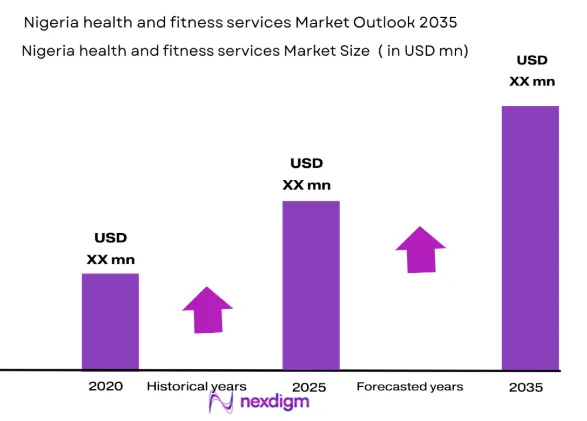
Over the next decade, the Nigeria health and fitness services market is poised for gradual expansion as health priorities strengthen among the population and urbanization continues. Growth will be underpinned by rising adoption of fitness solutions, increasing demand for preventive health services, and expansion of low‑cost fitness centers catering to broad demographic segments. Digital health and mobile fitness platforms are likely to gain traction given broader smartphone penetration and interest in at‑home fitness options. Corporate and institutional wellness initiatives, albeit currently limited, are expected to expand, promoting broader wellness adoption. Based on current growth patterns and broader regional trends, the market is expected to grow at a compound annual growth rate (CAGR) of approximately 8.5% through 2035.
Major Players
- Fitness Central
- Sky Fitness Gym
- i‑Fitness Centre Ltd
- Fitness World Nigeria
- EliteFit Nigeria
- GymRepublic Nigeria
- BodyShape Fitness Centre
- The FitnessHub NG
- ProFit Gym Nigeria
- FitLife Nigeria
- Prime Fitness Studios
- Titan Fitness Nigeria
- MaxFit Gym & Wellness
- UrbanFit Nigeria
- Apex Fitness Solutions
Key Target Audience
- Investments and Venture Capitalist Firms
- Government and Regulatory Bodies (e.g., Federal Ministry of Health Nigeria, National Sports Commission)
- Corporate Wellness Program Managers
- Fitness Facility Owners/Operators
- Fitness Equipment Suppliers and Distributors
- Health Insurance Providers
- Digital and Mobile Fitness Platform Developers
- Hospitality and Leisure Developers with Wellness Focus
Research Methodology
Step 1: Identification of Key Variables
The initial phase involves mapping all critical components of the Nigeria health and fitness services market, including consumer demographics, service delivery formats, competitive dynamics, pricing models, and regulatory context. Desk research using credible industry reports and fitness databases identifies variables that shape market demand, revenue generation, and service adoption.
Step 2: Market Analysis and Construction
This phase compiles historical and current revenue data across service types and end‑users to reconstruct the market’s financial landscape. Metrics such as gym membership revenues, personal training uptake, and service revenues are analyzed to establish segment contributions and overall market size. Geographic trends and consumer spending patterns are also evaluated to validate revenue estimates.
Step 3: Hypothesis Validation and Expert Consultation
Market hypotheses regarding growth drivers and barriers are tested through consultations with industry practitioners, including gym operators, trainers, and wellness service providers. Structured discussions provide insights on operational dynamics, consumer preferences, and market challenges, refining data reliability.
Step 4: Research Synthesis and Final Output
All data collected from secondary research and expert consultation is synthesized to develop comprehensive market projections. Forecast models incorporating macroeconomic indicators, service adoption trends, and demographic shifts ensure validated future outlook estimations, forming the final analytical output.

- Executive Summary
- Research Methodology (Market Definitions and Assumptions, Abbreviations, Top‑Down & Bottom‑Up Sizing Approach, E‑Commerce & Retail Channel Data Sources, Primary Research Framework, Secondary Data Validation, Forecasting Models and Assumptions, Limitations and Sensitivity Analyses)

- Definition and Scope
- Ecosystem Genesis and Evolution of Health and Fitness Services Adoption
- Macro‑Economic and Fitness Demand Drivers
- HealthNology Adoption Index
- Service Dependency & Delivery Characteristics
- Infrastructure Mapping of Fitness Centers and Wellness Hubs

- Growth Drivers
Increasing Health & Wellness Awareness and Fitness Services Demand
Adoption of Digital Fitness Platforms and Virtual Classes
Rising Disposable Incomes and Premium Fitness Uptake
Corporate Wellness Initiatives and Employee Health Focus - Challenges
High Initial Consumer Investment and Membership Costs
Lack of Standardization and Quality in Fitness Services
Competition from Traditional Gyms and Informal Fitness Providers
Limited Access to High-Quality Equipment and Facilities in Rural Areas - Opportunities
Expansion of Digital Fitness Platforms and Subscription Services
Integration of AI/AR/VR into Fitness Programs
Growth of Wellness and Lifestyle Coaching Services
Corporate Wellness Programs and B2B Fitness Solutions - Trends
Shift to Home-Based Fitness Solutions and On-Demand Training
Growth of Digital and Hybrid Fitness Models
Emerging Interest in Holistic Health and Mental Wellness Programs
Rise in Affordable and Flexible Membership Plans - Government Regulations & Standards
Fitness Service Regulations and Certification Framework
Import Regulations on Fitness Equipment and Technology
Health and Safety Standards for Public Gyms and Wellness Centers
Energy Efficiency Guidelines for Fitness Equipment - SWOT Analysis
- Porter’s Five Forces
- Stakeholder Ecosystem

- By Retail Value, 2020-2025
- By Service Sales, 2020-2025
- By Average Membership Fee (AMF) and Service Tier, 2020-2025
- By Channel Contribution, 2020-2025

- By Service Type (In Value %)
Gym Memberships
Personal Training Services
Fitness Classes
Wellness and Spa Services
Virtual Fitness Services - By Technology (In Value %)
Online Fitness Platforms
Mobile Fitness Apps
Wearable Fitness Technology
Traditional Fitness Services - By End‑User (In Value %)
Consumer Cohort
Individuals
Corporate Clients
Fitness Enthusiasts
Premium Segment
- By Distribution Channel (In Value %)
Gym Chains and Fitness Centers
Boutique Fitness Studios
Online Fitness Platforms
Corporate Wellness Programs - By Price Tier (In Value %)
Premium
Mid‑Tier
Value

- Market Share by Value and Volume
- Cross‑Comparison Parameters (Service Portfolio Breadth, Technology Integration, Distribution Network Reach, Retail Touchpoints & Dealer Penetration, Brand Positioning, Price Point Clustering, Service & Wellness Footprint, After-Sales Revenue Streams, Service Quality Index, Consumer Satisfaction & Retention, Revenue and Growth Metrics)
- SWOT of Major Players
- Pricing Tier Benchmark Analysis
- Major Competitors
Gymnation
Fitness First
Virgin Active
Planet Fitness
Gold’s Gym
Anytime Fitness
FitFam Gym
Body24 Gym
Jumia Fitness
Healthify Fitness
MoveWell
Inspire Fitness
Fitness Fuze
Fitnesse Club
Kcal Fitness

- Trends and Preferences in Fitness Services
- Growing Adoption of Digital Fitness Services
- Impact of Corporate Wellness Programs on Service Demand
- Role of Social Media and Fitness Influencers in Service Usage

- By Retail Value, 2026-2035
- By Service Sales, 2026-2035
- By Average Membership Fee (AMF) and Service Tier, 2026-2035
- By Channel Contribution, 2026-2035


 Request a Sample
 Ask for Customization
 Get a Quote
 Enquire Now