

 Download PDF
 Download PDF
Market Overview
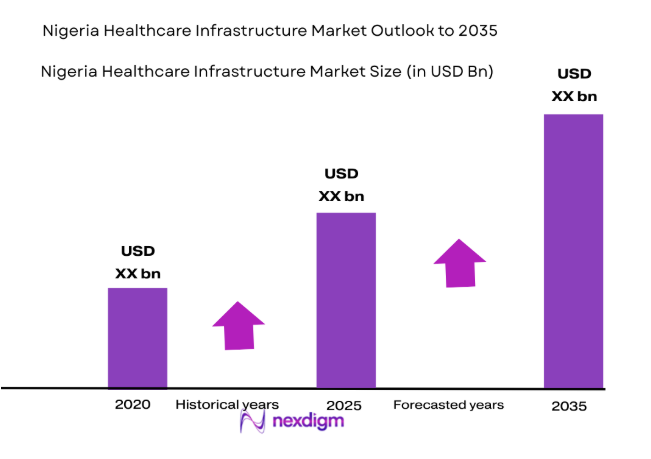
Nigeria’s healthcare infrastructure market generated approximately USD ~ billion in investment value based on healthcare expenditure and infrastructure development datasets compiled from the Federal Ministry of Health, World Health Organization, and World Bank health infrastructure indicators. The market is driven by expansion of hospital construction projects, modernization of public medical facilities, and rising private healthcare investment. Government initiatives focused on strengthening primary healthcare networks and building tertiary hospitals across major states also contribute significantly to infrastructure demand.
Lagos and Abuja dominate healthcare infrastructure development due to high population density, concentration of tertiary hospitals, and stronger private healthcare investment ecosystems. Lagos hosts major private hospital chains, diagnostic centers, and medical technology providers that stimulate infrastructure expansion. Abuja serves as the administrative hub where national healthcare institutions and regulatory bodies operate, encouraging large public hospital development projects. Other emerging urban centers including Port Harcourt, Ibadan, and Kano are also witnessing healthcare facility expansion supported by regional population growth and improving medical service demand.
Market Segmentation
By Product Type
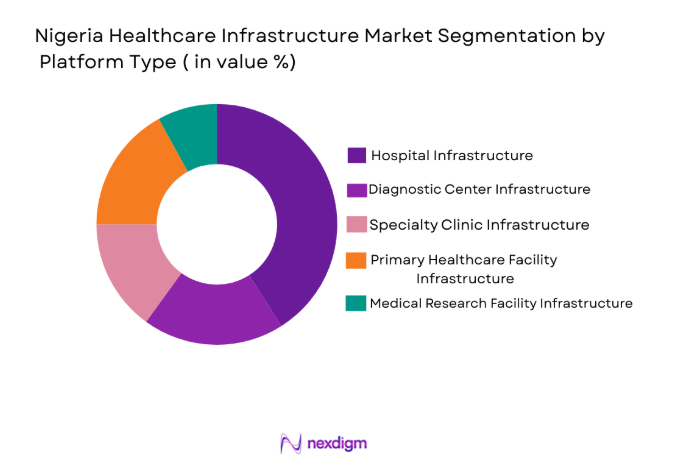
Nigeria Healthcare Infrastructure market is segmented by product type into hospital infrastructure, diagnostic center infrastructure, specialty clinic infrastructure, primary healthcare facility infrastructure, and medical research facility infrastructure. Recently, hospital infrastructure has a dominant market share due to factors such as rising demand for multi specialty hospitals, increasing private sector investment, growing urban population requiring advanced healthcare services, and government initiatives to upgrade tertiary hospitals across major cities. Large hospital projects involve high capital expenditure including building construction, medical equipment installation, and facility management systems which significantly increase their share within the infrastructure market. Expansion of private hospital networks and medical tourism services further strengthens demand for hospital infrastructure across Nigeria.
By Platform Type
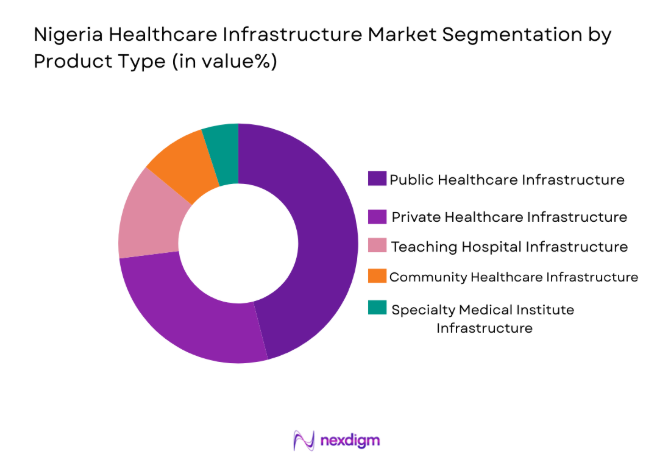
Nigeria Healthcare Infrastructure market is segmented by platform type into public healthcare infrastructure, private healthcare infrastructure, teaching hospital infrastructure, community healthcare infrastructure, and specialty medical institute infrastructure. Recently, public healthcare infrastructure has a dominant market share due to factors such as large government hospital networks, national health infrastructure development programs, and public investment in primary healthcare facilities. Federal and state governments allocate significant funding to expand general hospitals, primary health centers, and teaching hospitals across the country. Public health infrastructure projects also include renovation of existing facilities and expansion of emergency care systems, which contributes to strong infrastructure spending across the national healthcare system.
Competitive Landscape
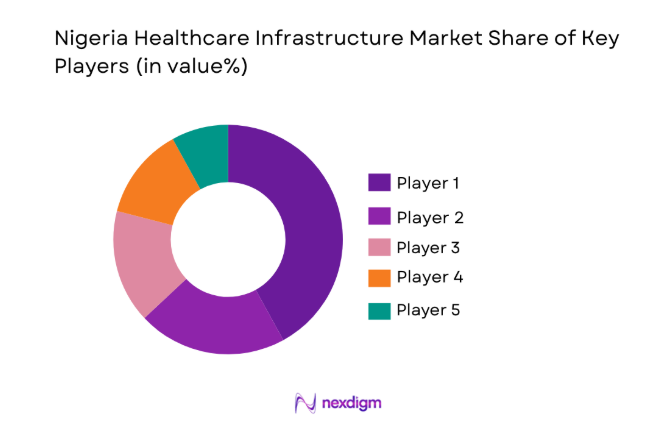
The Nigeria Healthcare Infrastructure market features a combination of international engineering companies, local construction firms, and global healthcare technology providers involved in hospital construction, equipment integration, and facility modernization. The market demonstrates moderate consolidation where large engineering firms manage major hospital construction projects while specialized healthcare technology companies supply medical infrastructure systems. International contractors frequently collaborate with local construction firms for large government healthcare infrastructure projects.
| Company Name | Establishment Year | Headquarters | Technology Focus | Market Reach | Key Products | Revenue | Healthcare Infrastructure Projects |
| Julius Berger Nigeria Plc | 1970 | Abuja, Nigeria | ~ | ~ | ~ | ~ | ~ |
| China Civil Engineering Construction Corporation | 1979 | Beijing, China | ~ | ~ | ~ | ~ | ~ |
| Arab Contractors Nigeria | 1955 | Cairo, Egypt | ~ | ~
|
~ | ~ | ~ |
| Bouygues Construction | 1952 | Paris, France | ~ | ~ | ~ | ~ | ~ |
| AECOM | 1990 | Texas, United States | ~ | ~ | ~ | ~ | ~ |
Nigeria Healthcare Infrastructure Market Analysis
Growth Drivers
Expansion of Government Healthcare Infrastructure Development Programs
Nigeria’s government continues implementing national healthcare infrastructure expansion programs aimed at improving access to medical services across both urban and rural regions. Public healthcare investment focuses on constructing new general hospitals, upgrading federal medical centers, and strengthening primary healthcare facilities. The Basic Health Care Provision Fund provides financial support for health facility expansion and equipment procurement across states. Infrastructure modernization programs also prioritize renovation of aging hospital facilities and expansion of emergency healthcare capacity. Government partnerships with international development organizations such as the World Bank and African Development Bank support funding for large healthcare infrastructure projects. State governments increasingly allocate funds to improve regional hospital capacity and healthcare accessibility. Public sector investment therefore remains a primary driver shaping demand for construction, medical equipment installation, and healthcare facility modernization across Nigeria.
Rapid Growth of Private Healthcare Investment and Medical Service Demand
Private healthcare investment continues expanding rapidly as urban populations demand higher quality medical services and modern hospital facilities. Large private hospital chains are investing in advanced multi specialty hospitals that include surgical centers, diagnostic imaging units, and specialized treatment departments. Rising middle class populations are increasing demand for private healthcare facilities that offer modern infrastructure and shorter waiting times compared with public hospitals. Private healthcare providers are also expanding diagnostic centers and outpatient clinics across major cities to serve growing patient demand. International healthcare investors and medical technology companies are collaborating with local healthcare providers to develop modern hospital infrastructure. These developments significantly contribute to infrastructure construction, equipment installation, and modernization projects across Nigeria’s healthcare sector.
Market Challenges
Insufficient Healthcare Funding and Infrastructure Budget Allocation
Nigeria’s healthcare infrastructure market faces significant challenges related to limited public funding and constrained healthcare budgets across federal and state governments. Healthcare infrastructure development requires large capital investments for hospital construction, advanced medical equipment procurement, and facility modernization. Budget limitations often delay construction of new healthcare facilities and expansion of existing hospitals. Many healthcare infrastructure projects rely on external funding from international development agencies which may slow implementation timelines. Limited financial resources also affect maintenance and upgrading of older hospital buildings and medical infrastructure. In rural regions particularly, insufficient funding restricts the establishment of modern healthcare facilities needed to serve growing populations. These financial limitations create barriers for sustained infrastructure development across Nigeria’s healthcare system.
Shortage of Skilled Healthcare Infrastructure and Technical Workforce
The development of healthcare infrastructure requires specialized expertise including hospital engineering, biomedical equipment integration, and healthcare facility management. Nigeria faces shortages of skilled engineers, medical technology specialists, and healthcare infrastructure planners required to support complex hospital construction projects. Many advanced medical infrastructure systems depend on imported technologies that require specialized installation and maintenance capabilities. Limited training programs for biomedical engineering and healthcare facility management also contribute to workforce shortages. Healthcare providers often rely on international technical experts for advanced infrastructure projects which increases project costs. The shortage of specialized technical workforce therefore slows infrastructure expansion and affects operational efficiency of newly developed healthcare facilities across the country.
Opportunities
Public Private Partnerships in Hospital Infrastructure Development
Public private partnership models are emerging as a major opportunity to accelerate healthcare infrastructure development across Nigeria. Government agencies increasingly collaborate with private investors and healthcare operators to finance and develop modern hospital facilities. PPP frameworks allow private healthcare companies to invest in construction, equipment procurement, and hospital management while governments provide regulatory support and infrastructure access. These partnerships help reduce financial pressure on public healthcare budgets and enable faster development of advanced medical facilities. International healthcare investors are also participating in PPP hospital projects that include specialized treatment centers and diagnostic facilities. Expansion of PPP healthcare infrastructure initiatives therefore creates substantial opportunities for construction firms, medical technology suppliers, and hospital operators.
Expansion of Diagnostic and Specialized Treatment Infrastructure
Nigeria is witnessing growing demand for specialized medical services including oncology treatment centers, cardiology hospitals, and advanced diagnostic imaging facilities. Many patients currently travel abroad for specialized medical treatment due to limited local infrastructure. Healthcare providers and investors are therefore developing specialized medical centers equipped with advanced medical technologies to address this gap. Expansion of diagnostic infrastructure including imaging laboratories and pathology centers also supports early disease detection and improved healthcare outcomes. International medical technology companies are increasingly supplying advanced equipment to Nigerian healthcare providers developing these specialized facilities. Growth of specialized healthcare infrastructure therefore presents strong opportunities for investment and development across Nigeria’s healthcare sector.
Future Outlook
Nigeria’s healthcare infrastructure market is expected to experience steady expansion as public healthcare reforms and private investment programs accelerate development of new hospitals and medical facilities. Growth will be supported by modernization of existing hospitals, expansion of diagnostic infrastructure, and adoption of digital healthcare systems. Government healthcare policies focusing on improved healthcare accessibility and infrastructure funding are likely to stimulate construction of additional medical facilities. Increasing population growth and rising demand for specialized medical services will further support long term infrastructure development across the healthcare sector.
Major Players
- Julius Berger Nigeria Plc
- China Civil Engineering Construction Corporation
- Arab Contractors Nigeria
- Bouygues Construction
- AECOM
- ITB Nigeria Limited
- Setraco Nigeria Limited
- Elalan Construction Company
- Siemens Healthineers
- GE Healthcare
- Philips Healthcare
- Brunelli Construction Nigeria
- RCC Nigeria Limited
- Cappa and D’Alberto Plc
- Lafarge Africa Infrastructure Solutions
Key Target Audience
- Government and regulatory bodies
- Investments and venture capitalist firms
- Hospital infrastructure developers
- Private healthcare providers
- Medical equipment manufacturers
- Healthcare construction contractors
- Healthcare facility management companies
Research Methodology
Step 1: Identification of Key Variables
The research begins with identifying critical variables influencing Nigeria Healthcare Infrastructure market development including hospital construction activity, healthcare investment flows, and medical facility expansion trends. Public healthcare funding programs and private sector investment indicators are also evaluated.
Step 2: Market Analysis and Construction
Comprehensive analysis of healthcare expenditure datasets, hospital infrastructure projects, and national healthcare development initiatives is conducted. Market sizing models incorporate infrastructure investment flows and healthcare facility expansion indicators across major Nigerian states.
Step 3: Hypothesis Validation and Expert Consultation
Industry insights are validated through consultation with healthcare infrastructure planners, construction firms, hospital administrators, and medical technology experts. Their perspectives help refine infrastructure development trends and confirm key market dynamics.
Step 4: Research Synthesis and Final Output
All validated insights are synthesized into a structured analytical framework describing infrastructure demand drivers, investment patterns, competitive dynamics, and future healthcare facility expansion trends shaping the Nigeria Healthcare Infrastructure market.

- Executive Summary
- Research Methodology (Definitions, Scope, Industry Assumptions, Market Sizing Approach, Primary & Secondary Research Framework, Data Collection & Verification Protocol, Analytic Models & Forecast Methodology, Limitations & Research Validity Checks)

- Market Definition and Scope
- Value Chain & Stakeholder Ecosystem
- Regulatory / Certification Landscape
- Sector Dynamics Affecting Demand
- Strategic Initiatives & Infrastructure Growth

- Growth Drivers
Expansion of Government Healthcare Infrastructure Development Programs
Rising Population Increasing Demand for Medical Facilities
Growing Investment from Private Healthcare Providers - Market Challenges
Limited Healthcare Funding and Budget Constraints
Shortage of Skilled Medical and Technical Workforce
Infrastructure Gaps in Rural Healthcare Facilities - Market Opportunities
Public Private Partnerships in Hospital Infrastructure Development
Expansion of Diagnostic and Specialized Treatment Centers
International Development Funding for Healthcare Facility Expansion - Trends
Growth of Private Multi Specialty Hospital Chains
Increasing Integration of Digital Health Infrastructure - Government Regulations
- SWOT Analysis
- Porter’s Five Forces

- By Market Value, 2020-2025
- By Installed Units, 2020-2025
- By Average System Price, 2020-2025
- By System Complexity Tier, 2020-2025

- By System Type (In Value%)
Hospital Construction Infrastructure
Primary Healthcare Center Infrastructure
Diagnostic and Imaging Facility Infrastructure
Specialty Clinic Infrastructure
Medical Equipment Installation Infrastructure - By Platform Type (In Value%)
Public Healthcare Facilities
Private Healthcare Facilities
Teaching Hospitals
Community Health Centers
Specialized Medical Institutes - By Fitment Type (In Value%)
New Healthcare Facility Development
Infrastructure Expansion Projects
Facility Modernization Projects
Equipment Retrofit and Integration - By End User Segment (In Value%)
Government Healthcare Authorities
Private Healthcare Providers
Non Governmental Health Organizations

- Market Share Analysis
- Cross Comparison Parameters (Project Scale, Infrastructure Technology Integration, Hospital Bed Capacity, Geographic Presence, Public Private Partnership Capability, Engineering Expertise, Project Delivery Time)
- SWOT Analysis of Key Competitors
- Pricing & Procurement Analysis
- Key Players
Julius Berger Nigeria Plc
China Civil Engineering Construction Corporation
Arab Contractors Nigeria Limited
Cappa and D’Alberto Plc
Brunelli Construction Company Nigeria
Bouygues Construction
AECOM
Jubaili Bros Engineering Limited
RCC Nigeria Limited
ITB Nigeria Limited
Setraco Nigeria Limited
PCC Nigeria Limited
Elalan Construction Company
Siemens Healthineers Infrastructure Solutions
General Electric Healthcare Infrastructure

- Government Expansion of National and State Level Healthcare Facilities
- Private Hospital Groups Investing in Modern Medical Infrastructure
- Non Governmental Organizations Supporting Rural Health Infrastructure Projects
- International Development Agencies Funding Healthcare Facility Upgrades

- Forecast Market Value, 2026-2035
- Forecast Installed Units, 2026-2035
- Price Forecast by System Tier, 2026-2035
- Future Demand by Platform, 2026-2035


 Request a Sample
 Ask for Customization
 Get a Quote
 Enquire Now