
 Download PDF
Market Overview
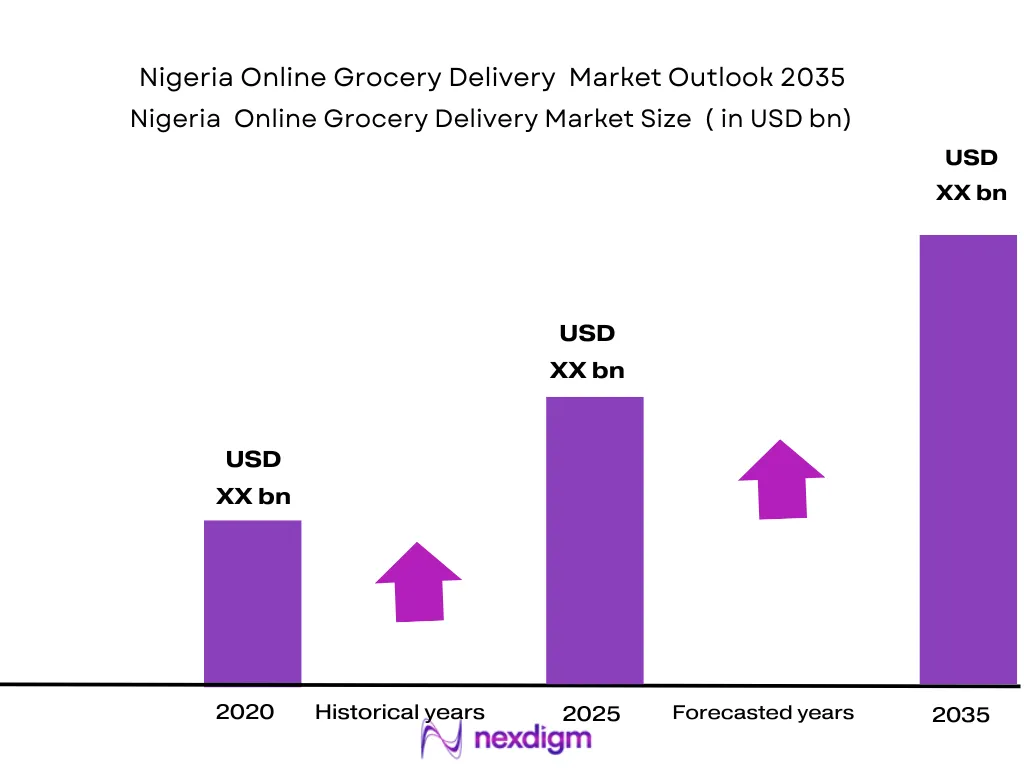
The Nigeria Online Grocery Delivery market is valued at USD ~ billion, reflecting its dynamic expansion over recent years. This growth is primarily driven by the increasing internet penetration, a shift in consumer shopping behavior towards convenience, and a greater demand for fresh, organic, and diverse grocery options. The rise of digital payment systems, coupled with the growing popularity of e-commerce platforms, has also bolstered market expansion. This market is further fueled by a demand for quicker and more reliable delivery solutions, particularly in urban centers. Additionally, mobile apps and digital platforms offering seamless user experiences have contributed to market maturity.
Nigeria’s online grocery delivery market is dominated by major urban centers, particularly Lagos, Abuja, and Port Harcourt. Lagos, the largest city in Nigeria, is a key player due to its high population density, significant disposable income, and a burgeoning middle class that embraces e-commerce. Abuja, the capital, is also witnessing rapid growth driven by a tech-savvy and affluent consumer base. These cities have witnessed greater acceptance of e-commerce and online grocery shopping due to improved infrastructure, logistics, and mobile payment systems. Moreover, other cities in the southwestern and southern regions are also contributing to market dominance, supported by the general increase in internet and smartphone usage.
Market Segmentation
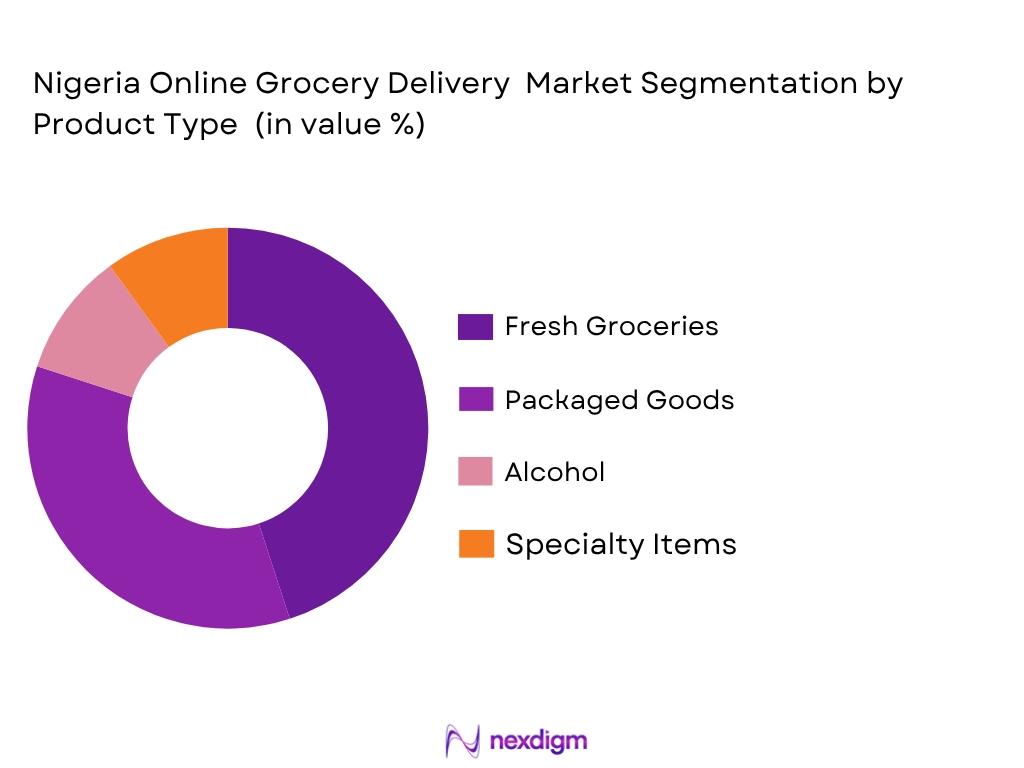
By Product Type
The Nigeria Online Grocery Delivery market is segmented by product type into fresh groceries, packaged goods, alcohol, and other specialty items. Among these, fresh groceries dominate the market share. This is due to an increasing consumer preference for fresh, organic, and locally-sourced produce delivered directly to their homes, especially during the COVID-19 pandemic when consumers sought safer and more convenient shopping alternatives. Companies offering fresh groceries capitalize on consumer trends towards healthier lifestyles, and major platforms like Jumia Food, Gloo.ng, and Supermart.ng are integrating innovative solutions to deliver fresh food while maintaining quality.
By Delivery Model
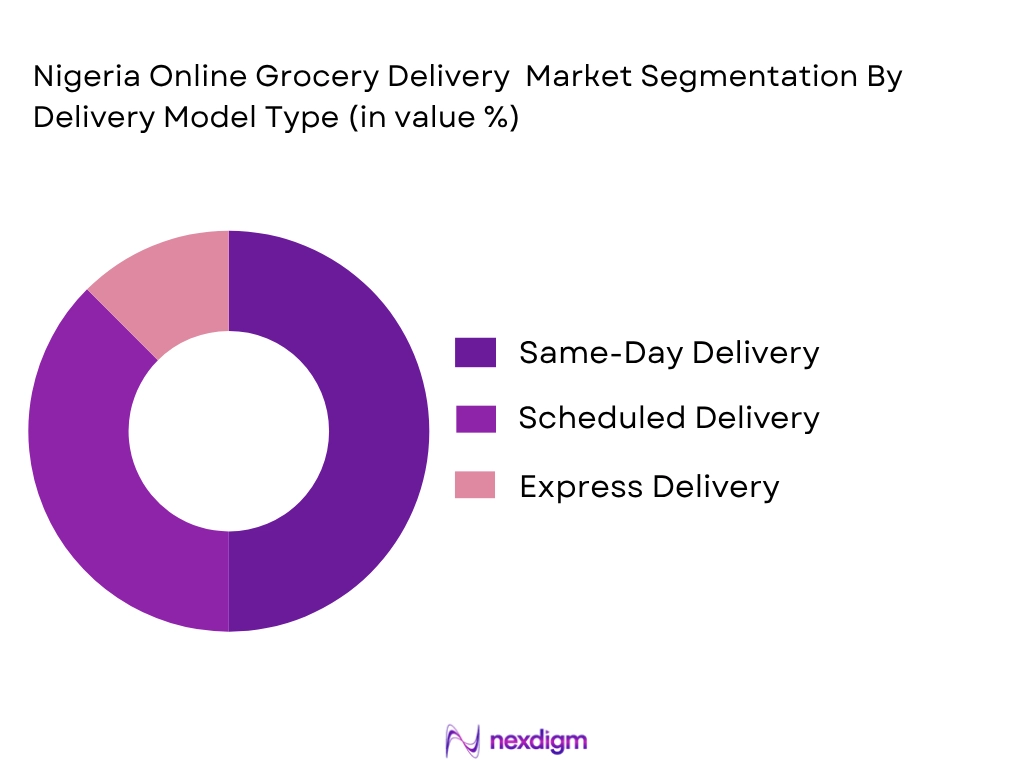
The Nigeria Online Grocery Delivery market is also segmented by delivery model into same-day delivery, scheduled delivery, express delivery, and traditional delivery. The same-day delivery model holds the highest market share, as customers increasingly demand faster service, especially in large cities. E-commerce platforms like Jumia Food and Supermart.ng have invested heavily in logistics infrastructure to offer quick and reliable same-day deliveries. This segment’s dominance is also driven by consumer expectations of convenience, influenced by rapid urbanization and busy lifestyles in Nigeria’s major cities.
Competitive Landscape
The Nigeria Online Grocery Delivery market is highly competitive, with several key players fighting for market share. Local players such as Jumia Food, Gloo.ng, and Supermart.ng dominate the market due to their established presence in the region and strong distribution networks. The market also features increasing competition from global players entering the space, such as Amazon, leveraging their global logistics capabilities. This consolidation of dominant players in the market is indicative of their significant influence over both service offerings and customer acquisition strategies.
| Company Name | Establishment Year | Headquarters | Revenue Streams | Delivery Network | Technology Adoption | Consumer Loyalty Programs | Mobile App Features | Strategic Partnerships | Branding and Marketing |
| Jumia Food | 2012 | Lagos, Nigeria | ~ | ~ | ~ | ~ | ~ | ~ | ~ |
| Gloo.ng | 2012 | Lagos, Nigeria | ~ | ~ | ~ | ~ | ~ | ~ | ~ |
| Supermart.ng | 2013 | Lagos, Nigeria | ~ | ~ | ~ | ~ | ~ | ~ | ~ |
| MyFoodBasket | 2015 | Lagos, Nigeria | ~ | ~ | ~ | ~ | ~ | ~ | ~ |
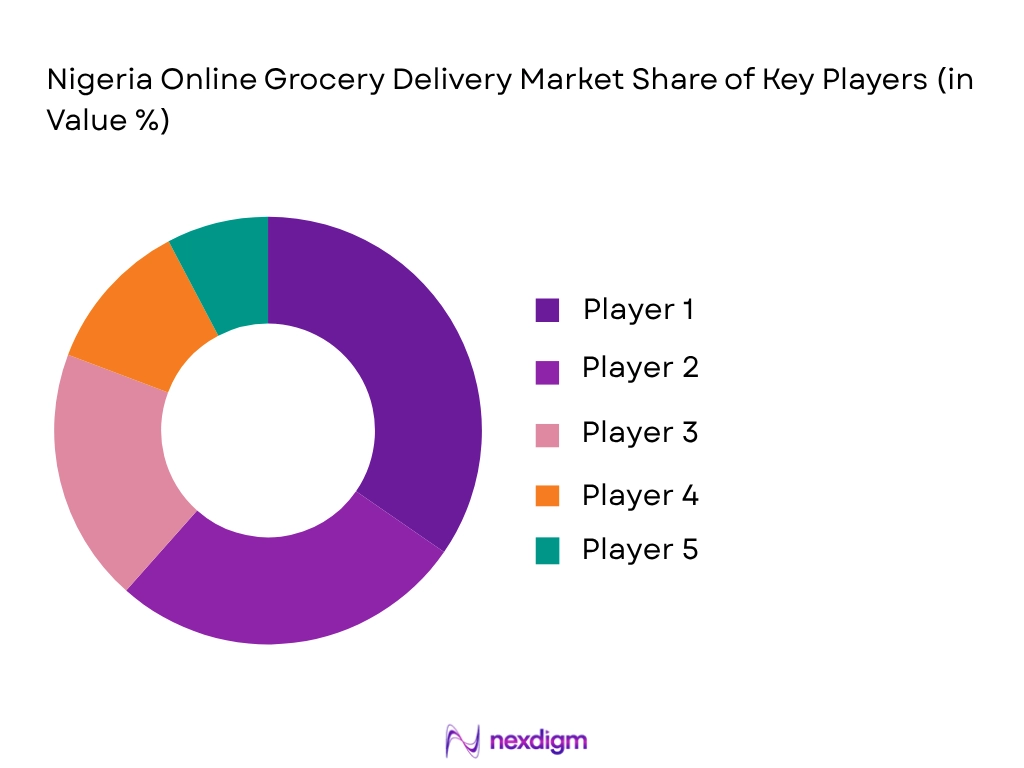
Nigeria Online Grocery Delivery Market Analysis
Growth Drivers
Rise in Internet Penetration and Smartphone Adoption
The rise in internet penetration and the widespread adoption of smartphones in Nigeria is a primary growth driver for the online grocery delivery market. With over 50% of the population having access to the internet, e-commerce platforms are becoming more accessible to a broader audience. Smartphones serve as the primary tool for consumers to shop for groceries online, making it easier to browse products, place orders, and track deliveries. The increasing internet and smartphone penetration in both urban and suburban areas enables more Nigerians to adopt online grocery services, contributing to the sector’s expansion. This digital shift, paired with improved mobile payment systems, strengthens the foundation for further growth in the market.
Increasing Preference for Convenience in Grocery Shopping
Consumers in Nigeria are increasingly seeking convenience in their daily activities, and grocery shopping is no exception. With the fast-paced urban lifestyle, many Nigerians prefer the convenience of having their groceries delivered to their doorsteps, eliminating the need to visit physical stores. The demand for convenience-driven services has seen a significant uptick, especially in metropolitan areas such as Lagos, where time management is crucial. With the proliferation of smartphones and e-commerce platforms offering seamless user experiences, this preference for convenience is shaping the market. The availability of same-day delivery options further drives the demand, as it aligns with the busy schedules of modern consumers who prioritize convenience over traditional shopping methods.
Challenges
Logistics and Supply Chain Constraints
Logistics and supply chain operations are frequently constrained by multiple factors that affect the flow of goods and services. Limited transportation capacity, disruptions due to natural disasters, geopolitical tensions, and trade restrictions can delay shipments and increase costs. Dependence on single suppliers or regions for critical components introduces vulnerability, while fluctuating fuel prices and labor shortages further complicate logistics planning. Inadequate inventory management, inefficient warehouse operations, and outdated technology can hinder supply chain visibility and responsiveness. These constraints often force companies to prioritize certain markets, adjust production schedules, or seek alternative sourcing strategies. Implementing advanced analytics, diversifying suppliers, and adopting digital supply chain platforms can partially mitigate these constraints and improve resilience.
High Operational Costs
High operational costs present a significant burden for businesses, affecting profitability and competitiveness. These costs arise from various sources, including labor wages, energy consumption, equipment maintenance, and facility management. Supply chain inefficiencies, such as excessive inventory holding or transportation delays, further escalate expenses. Regulatory compliance and taxation obligations can also contribute to operational overheads. Additionally, rapid technological advancements often necessitate continual investment in software, machinery, and staff training to remain competitive. Fluctuations in raw material prices and unforeseen economic shifts amplify cost pressures. To manage high operational costs, organizations must optimize processes, adopt cost-efficient technologies, streamline resource utilization, and explore outsourcing or automation strategies that balance efficiency with quality and service delivery.
Market Opportunities
Expansion of Delivery Networks in Untapped Regions
Expanding delivery networks into untapped regions presents a significant opportunity for growth in the Nigeria Online Grocery Delivery market. While most online grocery services currently focus on major urban centers like Lagos and Abuja, rural and semi-urban regions remain underserved. These regions represent a largely untapped customer base, where demand for convenience and online grocery services is growing. By establishing distribution hubs and partnering with local suppliers, companies can reduce delivery times and expand their market reach. This expansion would not only cater to underserved populations but also enable grocery delivery companies to diversify their consumer base and increase revenue potential, driving long-term market growth.
Development of AI-Driven Personalization Features
The integration of AI-driven personalization features is a key opportunity for Nigeria’s online grocery delivery market. As more consumers engage with online platforms, there is an increasing expectation for personalized experiences that cater to their individual preferences and needs. AI technologies can analyze shopping behaviors and recommend products based on previous purchases, dietary preferences, and seasonal trends. This not only enhances the customer experience but also drives repeat purchases and loyalty. Online grocery platforms can implement features like predictive shopping lists, personalized promotions, and tailored recommendations to capture more market share. By using AI to refine service offerings, companies can improve customer retention and optimize sales, leading to increased market competitiveness.
Future Outlook
Over the next five years, the Nigeria Online Grocery Delivery market is expected to exhibit steady growth, driven by continued urbanization, the increasing adoption of smartphones, and the growing reliance on digital platforms. Additionally, technological innovations such as AI-driven personalized recommendations and improvements in delivery infrastructure are expected to fuel this growth. Furthermore, the demand for more sustainable, eco-friendly packaging and fast delivery options will continue to shape the market’s future landscape. Consumers will increasingly turn to online grocery services that offer seamless, efficient, and convenient shopping experiences, contributing to the market’s expansion.
Major Players
- Jumia Food
- Gloo.ng
- Supermart.ng
- MyFoodBasket
- DeliverEazy
- RedBird Groceries
- GoBizi
- Shoprite Online
- Fresh Direct
- E-Cart
- FoodCo
- Konga
- QuickGrocer
- HelloFresh
- Kaymu
Key Target Audience
- Investors and Venture Capitalist Firms
- Government and Regulatory Bodies (Nigerian Communications Commission, National Bureau of Statistics)
- E-commerce platforms and delivery service providers
- Logistic and supply chain companies
- Consumer goods manufacturers
- Fresh produce suppliers
- Packaging and logistics solution providers
- Retail and wholesale distributors
Research Methodology
Step 1: Identification of Key Variables
The initial phase involves constructing an ecosystem map encompassing all major stakeholders within the Nigeria Online Grocery Delivery Market. This step is underpinned by extensive desk research, utilizing a combination of secondary and proprietary databases to gather comprehensive industry-level information. The primary objective is to identify and define the critical variables that influence market dynamics.
Step 2: Market Analysis and Construction
In this phase, historical data pertaining to the Nigeria Online Grocery Delivery Market will be compiled and analyzed. This includes assessing market penetration, the ratio of marketplaces to service providers, and the resultant revenue generation. Furthermore, an evaluation of service quality statistics will be conducted to ensure the reliability and accuracy of the revenue estimates.
Step 3: Hypothesis Validation and Expert Consultation
Market hypotheses will be developed and subsequently validated through computer-assisted telephone interviews (CATIS) with industry experts representing a diverse array of companies. These consultations will provide valuable operational and financial insights directly from industry practitioners, which will be instrumental in refining and corroborating the market data.
Step 4: Research Synthesis and Final Output
The final phase involves direct engagement with multiple online grocery delivery companies to acquire detailed insights into product segments, sales performance, consumer preferences, and other pertinent factors. This interaction will serve to verify and complement the statistics derived from the bottom-up approach, ensuring a comprehensive, accurate, and validated analysis of the Nigeria Online Grocery Delivery Market.

- Executive Summary
- Research Methodology (Market Definitions and Assumptions, Abbreviations and Acronyms, Market Sizing Approach, Primary Research Framework, Consolidated Research Approach, Market Forecasting Techniques, Limitations of Study and Future Conclusions)

- Definition and Service Scope
- Market Genesis and Evolution of Online Grocery Delivery Services
- Macro Economic Trends and Consumer Shopping Behavior
- Integration of Technology in Grocery Delivery
- E-Commerce and Retail Impact on Grocery Shopping Patterns

- Growth Drivers
Rise in Internet Penetration and Smartphone Adoption
Increasing Preference for Convenience in Grocery Shopping
Rising Demand for Fresh and Organic Foods
Growth of E-Commerce Platforms and Digital Payment Systems
Consumer Shift Toward Online Shopping Post-Pandemic - Challenges
Logistics and Supply Chain Constraints
High Operational Costs
Low Internet Connectivity in Rural Areas
Customer Retention and Trust Issues
Competition with Traditional Retail and Local Stores - Market Opportunities
Expansion of Delivery Networks in Untapped Regions
Partnerships with Local Farmers and Suppliers
Development of AI-Driven Personalization Features
Enhancement of Logistics and Last-Mile Delivery Solutions
Growing Demand for Eco-friendly and Sustainable Packaging - Market Trends
Growth of Hybrid Models (In-store Pickup + Delivery)
Integration with Mobile Apps and Loyalty Programs
AI and Data Analytics in Predicting Consumer Needs
Expansion of Delivery Options to Include Non-Grocery Items
Personalization and Customized Shopping Experiences - Government and Regulatory Environment
E-Commerce Regulations and Compliance
Food Safety and Hygiene Standards
Data Privacy and Consumer Protection Laws
Delivery Fleet Management and Environmental Regulations - SWOT Analysis
- Stakeholder Ecosystem Mapping
- Porter’s Five Forces Analysis
- Service Delivery Cost Structure Dynamics

- By Revenue, 2020-2025
- By Order Volume, 2020-2025
- By Number of Active Users, 2020-2025
- By Average Spend Per Order, 2020-2025
- By Geographic Reach, 2020-2025

- By Product (In Value %)
Fresh Groceries
Specialty Items
Packaged Goods
Alcohol - By Consumer Demographics (In Value %)
Millennials
Gen Z
Working Professionals
Families
Seniors - By Subscription Type (In Value %)
One-Time Purchases
Subscription/Recurring Orders
Membership Programs
Corporate/Group Orders - By Delivery Model (In Value %)
Same-Day Delivery
Scheduled Delivery
Express Delivery - By Region (In Value %)
Lagos
Abuja
Rivers
Oyo
Other States

- Market Share of Key Players
- Cross Comparison Parameters (Company Overview, Business Strategies, Service Portfolio, Market Share, Delivery Network, Technology Adoption, Customer Loyalty Programs, Revenue Mix, Geographic Coverage, Brand Equity, Partnerships & Alliances)
- SWOT Analysis of Major Competitors
- Pricing Benchmarking Across Delivery Models
- Detailed Profiles of Key Market Players
Jumia Food
Gloo.ng
Fresh Direct
Supermart.ng
MyFoodBasket
DeliverEazy
Shoprite Online
RedBird Groceries
GoBizi
E-Cart
Other Regional Startups

- Market Demand by User Segment
- Consumer Preferences and Shopping Behavior
- Delivery Preferences and Price Sensitivity
- Membership and Subscription Trends
- Decision Drivers and Pain Points

- By Revenue, 2026-2035
- By Order Volume, 2026-2035
- By Number of Active Users, 2026-2035
- By Average Spend Per Order, 2026-2035
- By Delivery Model, 2026-2035


 Request a Sample
 Ask for Customization
 Get a Quote
 Enquire Now