
 Download PDF
Market Overview
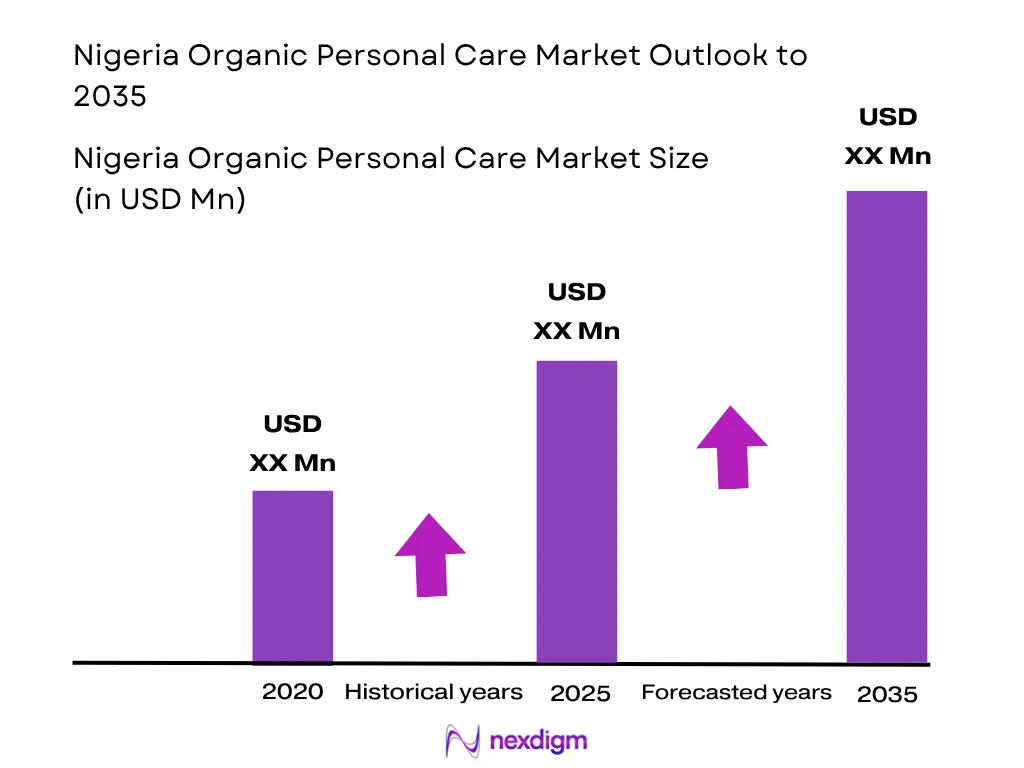
The Nigeria Organic Personal Care Market has been Valued at approximately USD ~ million in 2025 and since then, has witnessed significant growth, driven by rising awareness regarding the benefits of organic and natural ingredients in personal care products. The market is expanding rapidly due to consumer preference for clean, eco-friendly alternatives. The demand for organic skin care, hair care, and bath products has escalated, propelled by the growing trend towards wellness, sustainability, and ethical sourcing. Furthermore, local ingredient sourcing like shea butter, baobab, and African black soap has contributed to market growth, as Nigerian consumers are increasingly looking for indigenous, organic products.
The market is primarily concentrated in Nigeria’s urban centers, especially Lagos, Abuja, and Port Harcourt. Lagos, being Nigeria’s commercial hub, houses a large base of health-conscious consumers and international organic beauty brands. Abuja serves as a growing epicenter for affluent individuals increasingly preferring high-quality organic products, while Port Harcourt remains a key market due to the city’s expanding urban population and retail network. These cities dominate due to their larger consumer base, higher income levels, and growing awareness about the adverse effects of synthetic chemicals in personal care products.
Market Segmentation
By Product Type
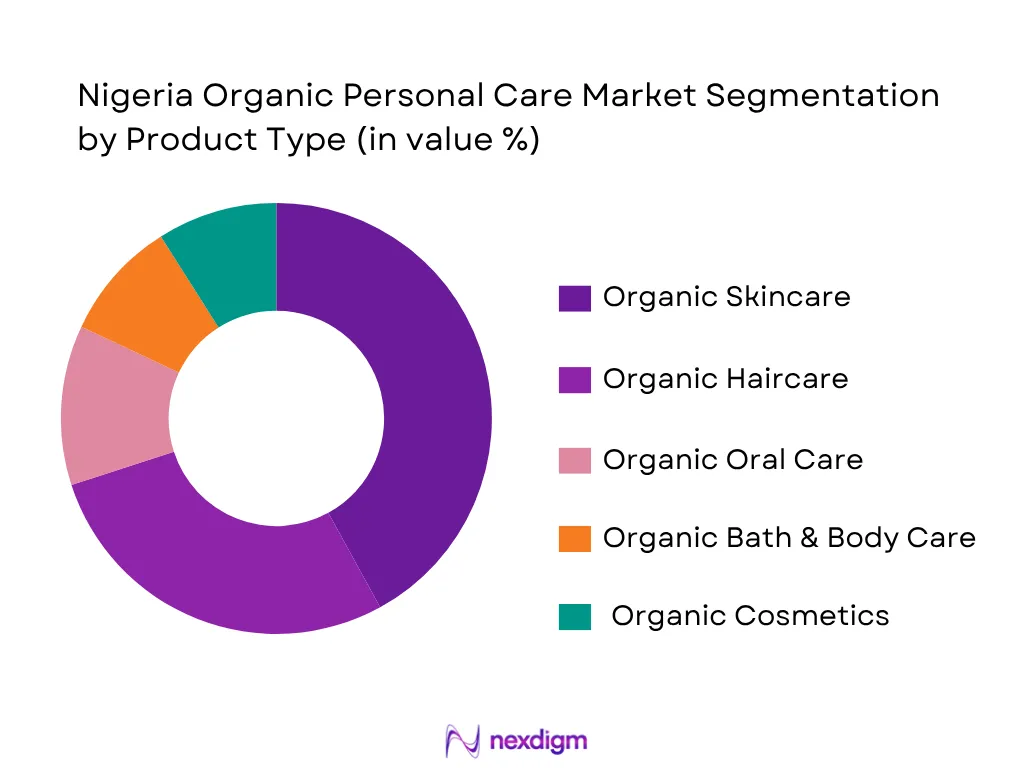
The Nigeria Organic Personal Care market is segmented into organic skin care, organic hair care, organic oral care, organic bath & body care, and organic cosmetics. Among these, organic skin care products lead the market share. The increasing demand for natural skin care solutions that offer anti-aging benefits, hydration, and skin rejuvenation has solidified this segment’s dominance. Brands are offering formulations with indigenous ingredients like shea butter, cocoa butter, and essential oils. This product category appeals to health-conscious consumers seeking gentle yet effective alternatives to conventional skin care products, thus driving its significant share in the market.
By Distribution Channel
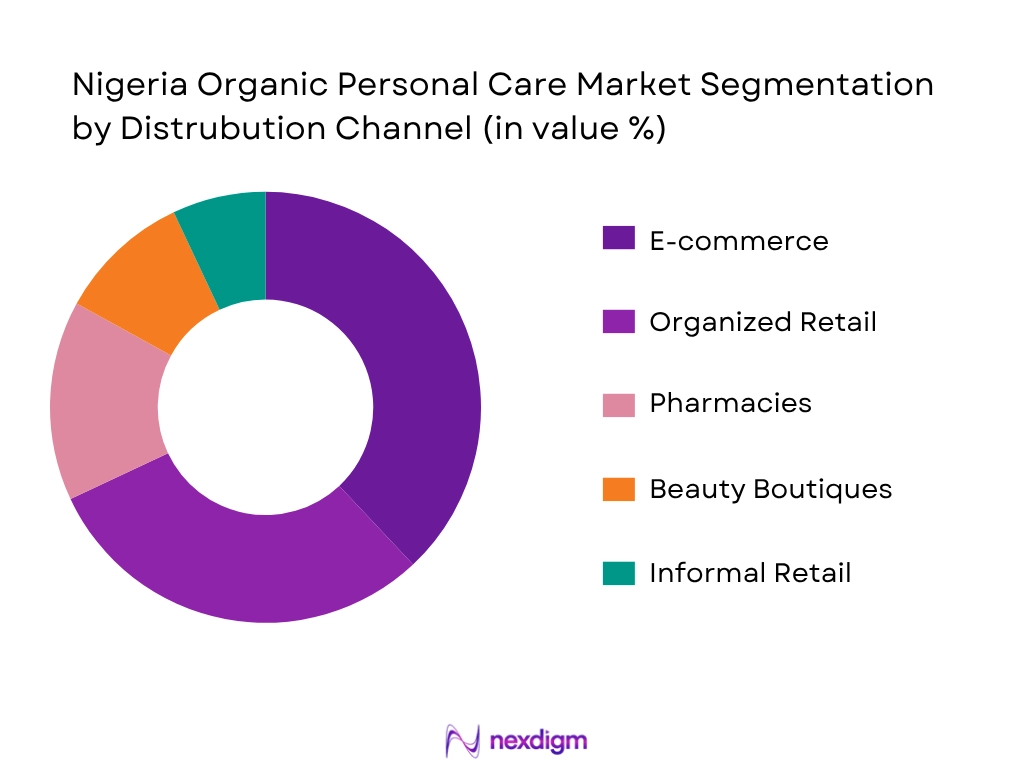
The Nigeria Organic Personal Care market is segmented by distribution channels such as e-commerce, organized retail (supermarkets and specialty stores), pharmacies, beauty boutiques, and informal retail. E-commerce, in particular, is seeing the largest share, as more Nigerian consumers prefer shopping for organic products online due to convenience, wider product availability, and the rising adoption of mobile commerce. The growing influence of social media and influencer marketing has further boosted the demand for organic products sold via e-commerce platforms. This channel is expected to continue its dominance, particularly as internet penetration and digital literacy rise in Nigeria.
Competitive Landscape
The Nigeria Organic Personal Care market is primarily dominated by a mix of well-established global brands and emerging local players. International brands like The Body Shop, L’Oréal, and Unilever, as well as local brands such as Arami Essentials and Shea Tribe, play a significant role in the competitive landscape. Local brands are gaining traction with their deep understanding of indigenous beauty ingredients and affordability, while international brands offer premium certified organic products. The market’s consolidation is a result of both international brands leveraging their scale and local players capitalizing on culturally relevant products.
| Brand Name | Establishment Year | Headquarters | Product Focus | Organic Certifications | Key Selling Points | Distribution Channels |
| Shea Tribe | 2017 | Lagos, Nigeria | ~ | ~ | ~ | ~ |
| Arami Essentials | 2018 | Lagos, Nigeria | ~ | ~ | ~ | ~ |
| L’Oréal | 1909 | Paris, France | ~ | ~ | ~ | ~ |
| The Body Shop | 1976 | Littlehampton, UK | ~ | ~ | ~ | ~ |
| Unilever | 1930 | London, UK | ~ | ~ | ~ | ~ |
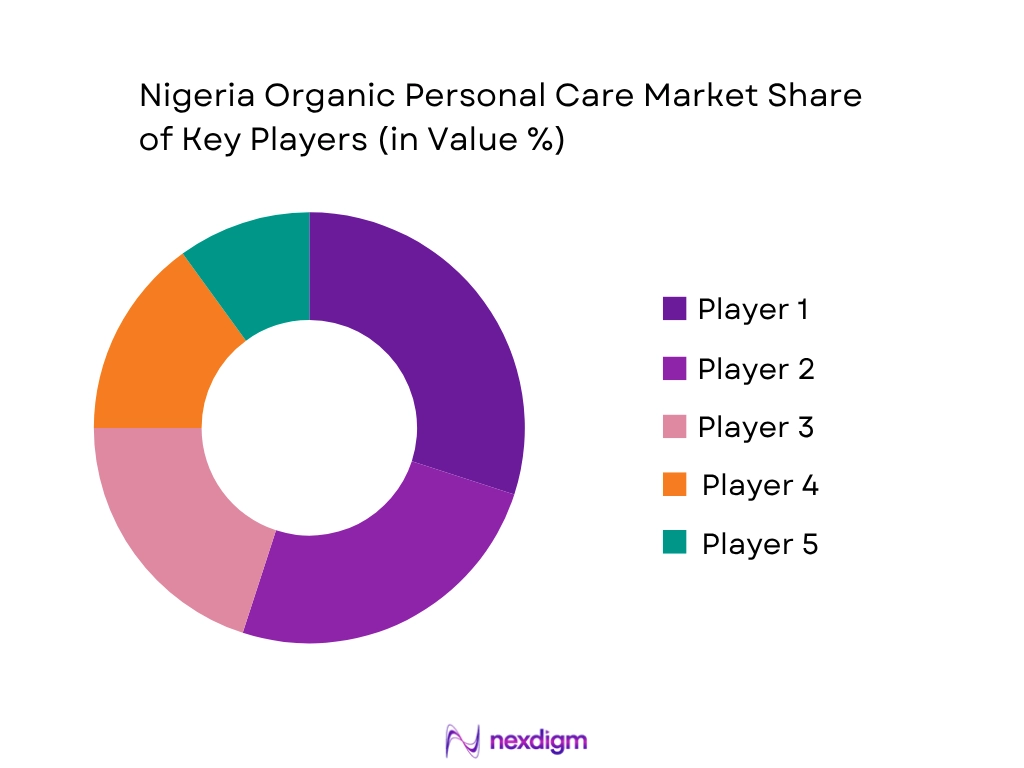
Nigeria Organic Personal Care Market Analysis
Growth Drivers
Health & Wellness Shift
The growing health and wellness trend is a key driver of the Nigeria Organic Personal Care Market. The Nigerian government has implemented multiple initiatives to promote healthy lifestyles, as part of the National Health Policy, which emphasizes prevention over treatment. This policy focus has led to a shift towards natural and organic products in personal care. Moreover, the country’s increasing healthcare expenditure signals a greater emphasis on health, which directly influences consumer purchasing behavior in favor of natural alternatives. Data from the World Bank shows that health expenditure as a percentage of GDP in Nigeria has increased from 3.7% in 2018 to 4.1% in 2024, reflecting the growing importance of health among the population. Additionally, there is a significant rise in awareness about lifestyle-related diseases like skin conditions, allergies, and hair problems, which are increasingly attributed to synthetic ingredients in personal care products. This shift has driven Nigerian consumers to seek out organic and safer alternatives, thus propelling the growth of the organic personal care market. According to a survey by Nigeria’s National Agency for Food and Drug Administration and Control (NAFDAC), organic personal care products such as skin creams and hair oils made with local ingredients are gaining traction, with a significant preference for products free from harmful chemicals. As consumer preferences shift towards wellness, this trend will continue to grow in importance.
Ingredient Efficacy Claims
In Nigeria, consumers are becoming more educated about the efficacy of natural and organic ingredients in personal care products. This shift is due to both increased awareness of the adverse effects of synthetic chemicals and growing trust in the benefits of traditional African ingredients, such as shea butter, baobab oil, and African black soap. These ingredients have been long used in indigenous beauty practices and are now being recognized for their scientifically-backed benefits in skin hydration, anti-aging, and protection against environmental stressors. The Nigerian healthcare and beauty sectors are also benefiting from an increasing number of dermatologists and health experts promoting the effectiveness of organic ingredients. In 2024, the country saw a significant increase in collaboration between local manufacturers and global organic certification bodies to ensure the efficacy and authenticity of organic claims. This development supports the consumer shift towards organic personal care products, backed by strong ingredient efficacy claims.Government health campaigns, as well as reports from the Nigerian Ministry of Health, have been emphasizing the importance of using non-toxic, natural products. In a report published by the Nigerian Ministry of Health, the effectiveness of organic personal care products has been demonstrated through clinical trials and local studies, with many consumers switching to these products for enhanced skin health.
Market Challenges
Certification Complexity
One of the major challenges faced by the Nigeria Organic Personal Care Market is the complexity involved in obtaining organic certification. In Nigeria, organic certification for personal care products is managed by regulatory bodies like NAFDAC, which enforces rigorous standards for labeling and ingredient sourcing. These certification processes can be costly and time-consuming for local manufacturers, particularly small and medium-sized enterprises (SMEs) in the organic personal care space. In 2024, the Nigerian government reported that only a small percentage of local organic brands have been able to obtain internationally recognized certifications, such as USDA Organic or ECOCERT, due to the high costs involved in meeting international standards. NAFDAC’s guidelines require extensive testing and documentation to ensure products meet quality standards, which has increased the barrier to entry for many brands. Moreover, the certification processes are often viewed as opaque and inconsistent, which further complicates matters for new entrants into the market. As Nigeria’s organic industry continues to grow, there is a need for a streamlined certification process that would benefit local manufacturers. The government has recognized this issue and is looking to simplify the certification framework, but it remains a challenge for many local players.
Price Sensitivity
Price sensitivity remains one of the biggest barriers to the growth of organic personal care products in Nigeria. While there is an increasing preference for natural and organic ingredients, a large proportion of the Nigerian population remains price-sensitive, especially in a country where inflation rates are projected to reach 22% in 2024 according to the Central Bank of Nigeria (CBN). Despite the growing awareness of the benefits of organic products, many consumers still opt for cheaper, non-organic alternatives due to financial constraints. The average consumer in Nigeria continues to face financial pressure, with real income growth slowing down in 2024, and inflation eroding purchasing power. The price of organic personal care products, which typically costs more due to the sourcing of high-quality ingredients, certification processes, and production costs, makes it less accessible to the mass market. This has created a significant barrier for organic personal care brands aiming to expand their customer base. Local brands have attempted to address this by offering more affordable organic products, but the high cost of raw materials like shea butter and baobab oil, as well as logistical challenges in sourcing these ingredients, continue to drive up prices. As the economic situation improves in Nigeria, this challenge could diminish, but it remains a key hurdle for the industry.
Opportunities
Rising Export Potential and Global Recognition
Nigeria’s organic personal care market is well-positioned for significant growth in the export sector. The country’s rich biodiversity and unique ingredients, such as shea butter, baobab oil, and African black soap, are highly sought after in international markets, especially in Europe, the United States, and Asia, where there is a strong demand for natural, ethically sourced beauty products. Currently, over 60% of shea butter production in Nigeria is exported, with the market for organic skincare and personal care products made from these ingredients growing rapidly in Western markets. The Nigerian government, through its Export Expansion Grant (EEG), is actively encouraging local producers to export organic beauty products by offering incentives and reducing barriers to international trade. In 2024, Nigerian organic product exports saw a 10% increase in value, driven by the rising demand for sustainable and ethical personal care products worldwide. Additionally, Nigeria is being recognized in the global market for producing high-quality organic ingredients, which opens doors for local brands to tap into lucrative international markets. International certifications and increased exposure in global markets will continue to boost the profile of Nigerian organic personal care products, creating substantial export opportunities.
Increasing Popularity of Clean and Green Beauty Trends
The global clean beauty trend, which emphasizes products made from safe, natural, and sustainable ingredients, is creating significant growth opportunities for Nigeria’s organic personal care sector. Globally, the clean beauty market has seen rapid growth, with consumers increasingly opting for products free from harmful chemicals like parabens, sulfates, and phthalates. In 2024, Nigeria’s domestic market for clean beauty products is reflecting a growing awareness of the environmental and health impacts of traditional personal care products. The popularity of green beauty, which focuses on eco-friendly formulations and sustainable packaging, is gaining momentum, particularly among young, urban consumers who are more attuned to global beauty trends. Nigerian brands that emphasize sustainability, ethical sourcing, and natural ingredients are well-positioned to take advantage of this trend. The Nigerian government’s support for sustainable agriculture and eco-friendly business practices is creating an enabling environment for local manufacturers to innovate in this space. Additionally, the rising prominence of social media influencers and beauty bloggers advocating for clean beauty products further fuels the demand for organic personal care items. The continued rise of consumer awareness about environmental sustainability will likely drive further growth in the clean and green beauty segment.
Future Outlook
The Nigeria Organic Personal Care market is expected to show steady growth in the coming years, with an estimated CAGR of 6.5% from 2026 to 2035. This growth will be fueled by continued urbanization, rising disposable incomes, and growing consumer awareness regarding organic ingredients. Furthermore, government and regulatory bodies’ increasing focus on sustainability and fair-trade practices will drive the demand for certified organic personal care products. With the expansion of digital platforms, e-commerce will continue to play a key role in the market’s development. The growing trend toward local ingredient sourcing, including shea and baobab, will also create opportunities for local brands to scale.
Major Players
- Shea Tribe
- Arami Essentials
- L’Oréal
- The Body Shop
- Unilever
- Neutrogena (Johnson & Johnson)
- Amara Organics
- Modara Natural Skincare
- Olamide Skincare
- Nuban Beauty
- Zaron Cosmetics
- My Mai Skin
- Ajali Natural Skincare
- ORIKI Skincare
- Black Soap Co.
Key Target Audience
- Investments and Venture Capitalist Firms
- Government and Regulatory Bodies (e.g., National Agency for Food and Drug Administration and Control (NAFDAC))
- Local Manufacturers of Organic Personal Care Products
- Beauty Retailers and Distributors
- Private Label and Contract Manufacturers
- E-commerce Platforms and Digital Retailers
- Multinational Beauty Brands Entering the Nigerian Market
- Organic Ingredient Suppliers and Sourcing Agents
Research Methodology
Step 1: Identification of Key Variables
The first step in the research process involves identifying the core variables impacting the Nigeria Organic Personal Care Market. These variables include market size, growth drivers, challenges, competitive landscape, and key demographic preferences. Secondary research will be conducted using proprietary data sources and public databases to analyze the broader market and pinpoint key trends and challenges.
Step 2: Market Analysis and Construction
Historical data for the Nigerian organic personal care industry will be analyzed to assess past growth patterns, supply-demand dynamics, and the consumer base’s evolving needs. This phase will evaluate the market penetration of various distribution channels, with a particular focus on the rise of e-commerce and online retail in the organic personal care sector.
Step 3: Hypothesis Validation and Expert Consultation
Market hypotheses will be validated through consultations with industry experts, including representatives from major brands, retailers, and regulatory bodies. These consultations will provide insights into product trends, pricing strategies, and consumer preferences, which will be essential for refining the market estimates and forecasting future growth.
Step 4: Research Synthesis and Final Output
The final research phase involves synthesizing all collected data and insights to produce a comprehensive report. Engagement with key industry players will provide qualitative insights into the challenges and opportunities within the Nigerian organic personal care market. This step ensures that the data-driven conclusions align with the market’s realities.

- Executive Summary
- Research Methodology (Market Definitions and Organic Standards, Organic Certification Frameworks, Assumptions & Limitations, Data Collection Approach, Primary & Secondary Research Sources, Competitive Intelligence Techniques, Market Sizing Logic, Forecast Modelling)

- Market Definition and Scope
- Historical Genesis and Adoption of Organics
- Market Structure and Business Cycle
- Socio‑Economic & Consumption Dynamics
- Value Chain: Organic Ingredient Sourcing, Manufacturing, Packaging & Distribution
- Retail Infrastructure & E‑commerce Ecosystem Dynamics

- Growth Drivers (Health & Wellness Shift, Ingredient Efficacy Claims, Urbanization)
- Market Challenges (Certification Complexity, Price Sensitivity, Supply Chain Constraints)
- Opportunities (Rising Export Potential and Global Recognition, Increasing Popularity of Clean and Green Beauty Trends, Potential for Innovation in Product Offerings)
- Market Trends(Clean Beauty & Botanical Actives Adoption, Local Ingredient Valorization (Shea, Baobab, Coconut, Herbal Extracts), Eco‑Packaging & Sustainability Practices, Niche Sub‑Segments: Organic Men’s Grooming, Kids’ Natural Care)
- Regulatory Environment (NAFDAC Organic Health Claims, Import/Export Guidelines)
- SWOT Analysis (Brand Trust, Reimbursement, Premiumization, Private Label Threat)
- Porter’s Five Forces (Buyer Power, Supplier Power, Substitution Risk, New Entrants, Competitive Rivalry)
- Stakeholder Ecosystem (Manufacturers, Retailers, DME Suppliers, Payers, End Users)
- Competition Ecosystem (National Brands, Institutional Brands, Specialty DTC Brands, Retail Private Labels)
- Sustainability & Ethical Sourcing (Shea Value Chains, Fair Trade Networks)

- By Market Value (2020-2025)
- By Volume (2020-2025
- By Market Share (2020-2025)
- By ASP and Organic SKU Premium Index (2020-2025)

- By Product Category (In Value%)
Organic Skin Care
Organic Hair Care
Organic Oral Care
Organic Cosmetics & Colour
Organic Bath & Body Care - By Consumer Demographics (In Value%)
Women
Men
Youth & Teen Organic Trends
Affluent Consumer Segments
Mass Organic Buyers - By Distribution Channel (In Value%)
E‑commerce & Online Marketplaces
Retail
Pharmacies & Drug Stores
Beauty Boutiques
Brand Flagship Stores
Traditional Markets
Indie Retail - By Pricing Band (In Value%)
Premium Certified Organic
Mid‑Tier Organic
Affordable Natural/Organic Inspired - By Geography (In Value%)
Lagos & South West Urban Centers
Abuja & Federal Capital Region
Port Harcourt & East Market
Northern Consumer Hubs
Secondary Cities & Rural Penetration

- Market Share Breakdown of Major Players (by Value, Volume, By Product Category)
- Competitive Benchmarking (Brand Positioning, Premium Index, Retail Footprint)
- Cross‑Comparison Parameters for Competitive Analysis (Company Overview, Organic Certification Status, Ingredient Sourcing Strategy, SKU Portfolio Depth, Retail & E‑Commerce Footprint, Supply Chain Control, Brand Equity Metrics, Digital Engagement Score)
- Market Concentration and HHI Dynamics
- SWOT Competitor Comparison
- Pricing Strategies;Organic SKU Price Mapping (Ingredient sourcing traceability score, Sustainability/refill-packaging circularity score)
- Manufacturing Footprint and Capacity Analysis (owned plants, co-manufacturing mix, fill-finish capability, domestic/import split, batch flexibility)
- Detailed Profiles of Key Market Players
Shea Tribe
Narganic
Arami Essential
Aweni Organics
Oriki Skincare
Adunni Organics
Modara Natural Skincare
Ajali Naturals
My Mai Skin
Bath Kandy
Zaron Cosmetics
Nuban Beauty
Esteem Royale Cosmetics
Hegai & Esther Cosmetics
Natural Nigerian

- Consumer Behaviour Trends (Social Media Effects, Influencer Advocacy, Melanin‑Friendly Products)
- Demand and Consumption Patterns (Household vs. Professional)
- Spending and Purchasing Power (Premium Organic Spending)
- Channel Behavior Analysis (discovery channel, purchase channel, replenishment channel, basket mission)
- E-Commerce, DTC, and Social Commerce Analysis (traffic source, CAC, conversion rate, subscription mix, repeat rate)
- Regulatory Awareness (Certifications, Claims)
- Customer Needs, Preferences & Pain Points (Allergies, Efficacy vs Price)
- Purchase Decision-Making Process (Influences of Branding, Ingredients)

- By Value (2026-2035)
- By Volume (2026-2035)
- By Price & SKU Evolution (2026-2035)


 Request a Sample
 Ask for Customization
 Get a Quote
 Enquire Now