

 Download PDF
 Download PDF
Market Overview
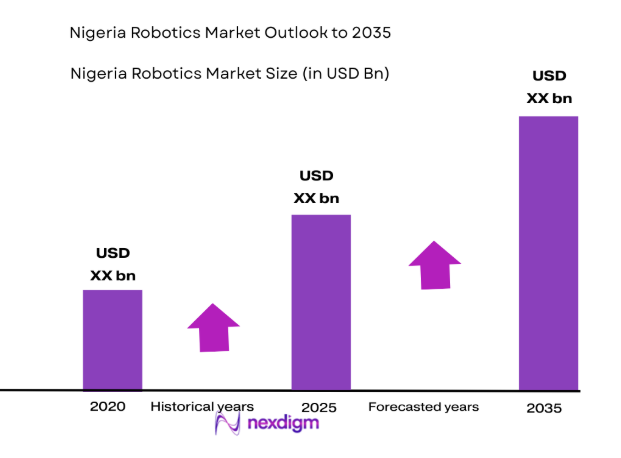
The Nigeria Robotics market is experiencing rapid growth, driven by increasing demand for automation solutions across industries such as manufacturing, healthcare, and logistics. The market size is estimated at approximately USD ~ million, reflecting significant investments in robotic technologies. This growth is fueled by the need for enhanced productivity, operational efficiency, and the rising adoption of industrial robots for tasks such as assembly, welding, and packaging. Robotics systems are becoming an integral part of businesses looking to optimize processes and reduce human errors, making them crucial in driving Nigeria’s industrial modernization.
Nigeria’s dominance in the robotics market is supported by its expanding industrial sectors, particularly in cities like Lagos, Abuja, and Port Harcourt. These regions are witnessing substantial investments in manufacturing and logistics infrastructure, which are key drivers of robotics adoption. The nation’s strategic position in West Africa, coupled with government support for technological advancements, further enhances its leadership role in the robotics sector. As these cities continue to grow as hubs of industrial activity, Nigeria is set to become a significant player in the robotics market within the African continent.
Market Segmentation
By Product Type
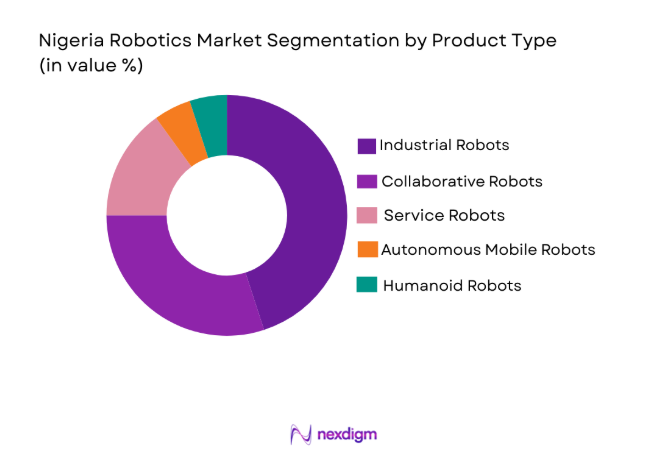
The Nigeria Robotics market is segmented by product type into industrial robots, collaborative robots, service robots, autonomous mobile robots, and humanoid robots. Recently, industrial robots have dominated the market share due to their increasing demand in manufacturing and production processes. The adoption of industrial robots has been driven by the need for increased efficiency, accuracy, and automation in various industries such as automotive, electronics, and consumer goods. Additionally, significant government support for automation in manufacturing has further strengthened the market presence of industrial robots.
By Platform Type
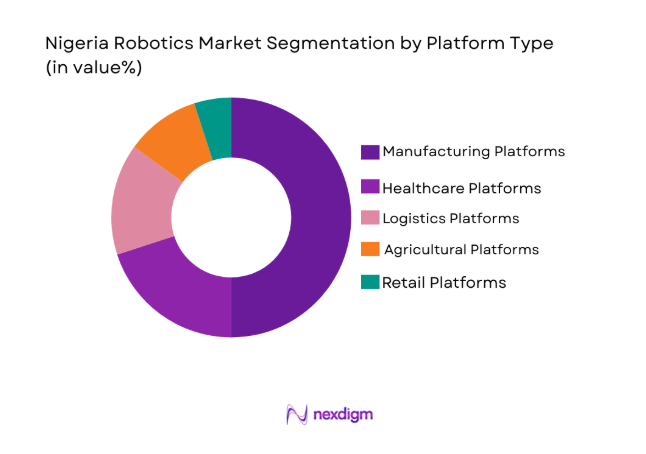
The Nigeria Robotics market is segmented by platform type into manufacturing platforms, healthcare platforms, logistics platforms, agricultural platforms, and retail platforms. Recently, manufacturing platforms have been the dominant segment due to the widespread use of robotics in automating production lines. This dominance is attributed to the growing need for cost efficiency, precision, and the ability to handle high volumes in the manufacturing sector. Manufacturing plants in Nigeria are increasingly adopting robots to improve production output and reduce reliance on human labor.
Competitive Landscape
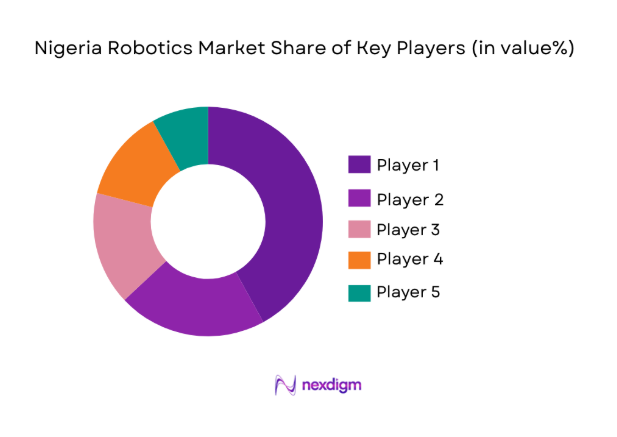
The competitive landscape of the Nigeria Robotics market is characterized by the presence of both global and local players, with significant consolidation among the major companies. The competition in the market is largely influenced by technological innovations and the ability to provide customized robotic solutions to meet industry-specific needs. Major players have been focusing on developing new products and expanding their reach through strategic partnerships, acquisitions, and increasing their operational capacities.
| Company Name | Establishment Year | Headquarters | Technology Focus | Market Reach | Key Products | Revenue | Service Offering |
| Fanuc Corporation | 1956 | Japan | ~ | ~ | ~ | ~ | ~ |
| ABB Ltd | 1988 | Switzerland | ~ | ~ | ~ | ~ | ~ |
| Kuka Robotics | 1898 | Germany | ~ | ~ | ~ | ~ | ~ |
| Yaskawa Electric Corporation | 1915 | Japan | ~ | ~ | ~ | ~ | ~ |
| Universal Robots | 2005 | Denmark | ~ | ~ | ~ | ~ | ~ |
Nigeria Robotics Market Analysis
Growth Drivers
Increased adoption of automation in manufacturing
The growing demand for automation in manufacturing has been a major driver of the Nigeria Robotics market. With industries aiming for higher productivity, reduced errors, and operational efficiency, the need for robots to handle repetitive tasks has surged. Robotics provides enhanced accuracy, speed, and 24/7 operational capability, essential for maintaining competitive edge in fast-paced industries like automotive, electronics, and consumer goods manufacturing. Companies in Nigeria are adopting robots for tasks such as assembly, welding, packaging, and quality control, helping to streamline production lines and optimize resource allocation. As manufacturing companies in Nigeria expand, the shift towards automation is becoming critical in increasing scalability while reducing operational costs. The need for robotics in production systems also arises from the country’s commitment to improving its manufacturing output and reducing reliance on imported goods. This trend has been driven by the desire to enhance local production capabilities, improve quality, and meet the growing consumer demand, while positioning Nigerian industries as competitive players in the global market.
Technological advancements in robotics
Technological advancements in robotics, including artificial intelligence (AI), machine learning, advanced sensors, and internet of things (IoT) integration, are accelerating market growth in Nigeria. AI and machine learning are enabling robots to not only perform simple tasks but also to adapt to their environment and make data-driven decisions in real-time, significantly expanding the range of applications across industries. Automation in manufacturing is no longer limited to routine processes but is now being applied to more complex, high-precision tasks such as real-time inventory management, predictive maintenance, and quality control. These advancements have made robots smarter, more flexible, and capable of working alongside humans in a collaborative setting. Additionally, the reduced cost of advanced sensors and the growing affordability of robots are lowering the barriers to entry for small and medium-sized enterprises in Nigeria. Robotics systems that were once considered too expensive are now becoming more accessible, enabling more businesses to leverage automation and improve productivity, especially in sectors like agriculture, healthcare, and retail. These technological strides are poised to create numerous opportunities and drive the widespread adoption of robotics across multiple industries in Nigeria.
Market Challenges
High cost of robotics systems
One of the significant challenges facing the Nigeria Robotics market is the high initial cost of robotics systems, which can be a barrier to entry for many businesses, especially small and medium-sized enterprises (SMEs). Robotics systems require significant investment for purchase, installation, and maintenance, which can deter companies from making the shift to automation. While the benefits of robotics in terms of operational efficiency, speed, and accuracy are clear, many companies, particularly those in the manufacturing sector, struggle to justify the upfront investment. In Nigeria, the lack of financing options and the relatively low profit margins in some sectors make it harder for businesses to adopt automation technologies. Additionally, the ongoing costs associated with maintaining, repairing, and upgrading robotics systems further add to the financial burden. As a result, many companies are hesitant to invest in automation, despite the long-term benefits. This high cost of robotics remains a key challenge for market penetration and widespread adoption across various sectors in Nigeria.
Lack of skilled workforce
Another major challenge for the Nigeria Robotics market is the shortage of skilled workers who can operate, maintain, and upgrade robotic systems. While the demand for robotics is growing across industries, the gap in the availability of trained technicians, engineers, and robotics experts is slowing down the rate of adoption. Many Nigerian businesses are unable to find the skilled personnel required to implement and operate these advanced systems. The education system in Nigeria has struggled to keep up with the rapid advancements in robotics technology, resulting in a shortage of trained professionals capable of meeting the needs of the industry. Moreover, the lack of specialized training programs and certifications for robotics technicians further exacerbates this challenge. Without a sufficient talent pool, companies face difficulties in maintaining and optimizing robotic systems, which can lead to downtime, increased operational costs, and reduced overall productivity. Addressing this skills gap is critical for the widespread adoption of robotics and automation technologies in Nigeria’s industrial sectors.
Opportunities
Expansion of robotics in healthcare
The healthcare sector in Nigeria presents significant opportunities for the expansion of robotics, especially as the demand for higher-quality healthcare and improved medical outcomes increases. Robotics is being increasingly used in Nigeria for a wide range of applications, including minimally invasive surgeries, diagnostics, rehabilitation, and patient care. These advanced robotic systems are improving precision in surgery, enhancing recovery times, and providing better treatment outcomes for patients. With advancements in medical robotics, Nigerian hospitals and clinics are starting to integrate robotic solutions to address the rising healthcare demands. The Nigerian government has been focusing on improving healthcare infrastructure, which is expected to drive further investment in robotics for the sector. Additionally, the rising awareness among healthcare providers about the benefits of robotic systems, such as reduced human error and shorter recovery times for patients, is fueling market growth. As more healthcare institutions recognize the potential of robotics, the adoption rate in the sector is expected to rise rapidly. This represents a huge growth opportunity for robotics companies and investors targeting the healthcare industry in Nigeria.
Robotics in agriculture
Agriculture presents another growing opportunity for robotics in Nigeria. As the country faces growing pressure to feed its expanding population, agricultural robotics is becoming increasingly important for improving efficiency and productivity in the sector. The adoption of robotics in agriculture, including autonomous tractors, drones for crop monitoring, and automated harvesting systems, is helping Nigerian farmers improve their crop yields, reduce labor costs, and streamline their farming operations. The need for automation in agriculture is also driven by the country’s efforts to modernize its agricultural practices and reduce dependency on traditional, labor-intensive farming methods. Robotics technologies are also being used for tasks such as irrigation, pest control, and soil analysis, all of which contribute to more efficient use of resources. The Nigerian government is also actively supporting agricultural modernization, with initiatives aimed at promoting technology adoption in farming. As a result, there is significant potential for the growth of robotics in agriculture, which is poised to drive innovation and investment in this key sector. As Nigerian farmers adopt these technologies, they can improve their efficiency, quality of produce, and profitability, fueling the expansion of the robotics market in the country.
Future Outlook
The future outlook for the Nigeria Robotics market indicates strong growth over the next five years. Technological advancements in AI, machine learning, and robotics will continue to drive demand across industries, especially in manufacturing, healthcare, and agriculture. The Nigerian government’s support for automation technologies, along with increased investment in infrastructure, is expected to further accelerate robotics adoption. The market will also benefit from expanding digitalization and automation in industries such as logistics, retail, and healthcare, ensuring a favorable growth trajectory.
Major Players
- Fanuc Corporation
- ABB Ltd
- Kuka Robotics
- Yaskawa Electric Corporation
- Universal Robots
- Mitsubishi Electric
- Stäubli Robotics
- Epson Robots
- Kawasaki Robotics
- Omron Corporation
- Rockwell Automation
- Bosch Rexroth
- Denso Robotics
- Toshiba Machine Co., Ltd.
- Festo AG
Key Target Audience
- Investments and venture capitalist firms
- Government and regulatory bodies
- Manufacturing companies
- Healthcare providers
- Logistics service providers
- Agriculture technology firms
- Retail businesses
Research Methodology
Step 1: Identification of Key Variables
Identifying critical factors and variables that impact the Nigeria Robotics market, such as technological advancements, adoption rates, and regional trends.
Step 2: Market Analysis and Construction
Conducting in-depth market analysis to build a detailed framework of the Nigeria Robotics market based on various data sources, including government publications and industry reports.
Step 3: Hypothesis Validation and Expert Consultation
Validating the assumptions and hypotheses through consultations with industry experts, government officials, and key stakeholders in the robotics sector.
Step 4: Research Synthesis and Final Output
Synthetizing the research findings into a comprehensive market report, incorporating analysis, forecasts, and recommendations for stakeholders in the Nigerian robotics market.

- Executive Summary
- Research Methodology (Definitions, Scope, Industry Assumptions, Market Sizing Approach, Primary & Secondary Research Framework, Data Collection & Verification Protocol, Analytic Models & Forecast Methodology, Limitations & Research Validity Checks)

- Market Definition and Scope
- Value Chain & Stakeholder Ecosystem
- Regulatory / Certification Landscape
- Sector Dynamics Affecting Demand
- Strategic Initiatives & Infrastructure Growth

- Growth Drivers
Increasing Adoption of Automation in Manufacturing
Growth in Robotics for Healthcare Applications
Government Investment in Robotics and Automation - Market Challenges
High Initial Capital Investment
Lack of Skilled Workforce for Robotics Implementation
Regulatory and Compliance Barriers - Market Opportunities
Adoption of Robotics in Agriculture
Integration of AI with Robotics for Enhanced Automation
Rise of Robotics in E-commerce and Retail - Trends
Increased Use of Collaborative Robots in Small and Medium Enterprises
Advancements in AI and Machine Learning for Robotics - Government Regulations
- SWOT Analysis
- Porter’s Five Forces

- By Market Value, 2020-2025
- By Installed Units, 2020-2025
- By Average System Price, 2020-2025
- By System Complexity Tier, 2020-2025

- By System Type (In Value%)
Industrial Robots
Collaborative Robots
Service Robots
Autonomous Mobile Robots
Humanoid Robots - By Platform Type (In Value%)
Manufacturing Platforms
Healthcare Platforms
Logistics Platforms
Agricultural Platforms
Retail Platforms - By Fitment Type (In Value%)
On-premise Solutions
Cloud-based Solutions
Modular Solutions
Integrated Solutions - By End User Segment (In Value%)
Manufacturers
Healthcare Providers
Logistics Providers
Retailers

- Market Share Analysis
- Cross Comparison Parameters (System Type, Platform Type, Procurement Channel, End User Segment, Fitment Type, Material Technology, Service Type)
- SWOT Analysis of Key Competitors
- Pricing & Procurement Analysis
- Key Players
Robotics Nigeria Ltd
Zebra Medical
Omron Corporation
Fanuc Corporation
ABB Ltd
Kuka Robotics
Universal Robots
Yaskawa Electric Corporation
Siemens AG
Stäubli Robotics
Boston Dynamics
Rockwell Automation
Intuitive Surgical
Denso Corporation
Mitsubishi Electric

- Increased Demand for Industrial Robots in Manufacturing
- Healthcare Providers Investing in Robotic Surgery
- Logistics Sector Adopting Robotics for Inventory Management
- Retailers Implementing Robotics for Automation in Warehouses

- Forecast Market Value, 2026-2035
- Forecast Installed Units, 2026-2035
- Price Forecast by System Tier, 2026-2035
- Future Demand by Platform, 2026-2035


 Request a Sample
 Ask for Customization
 Get a Quote
 Enquire Now