

 Download PDF
 Download PDF
Market Overview
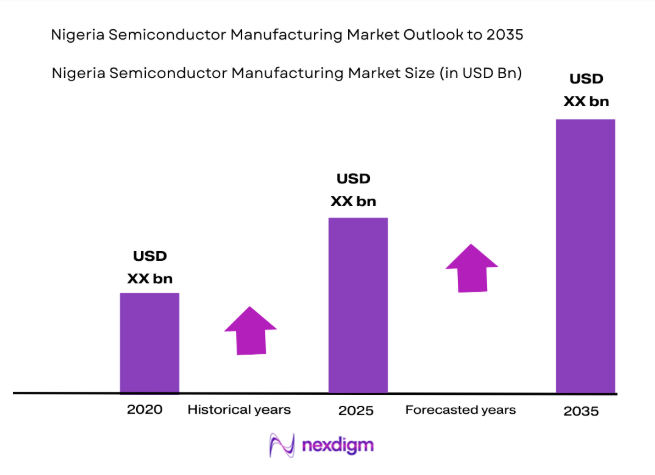
The Nigeria semiconductor manufacturing market is driven by advancements in technology and the growing demand for electronics. Based on recent assessments, the market size is estimated at USD ~ billion in 2024. This market is being propelled by the rapid adoption of advanced manufacturing technologies, increased demand for consumer electronics, and government initiatives to encourage local manufacturing. The sector is also benefiting from international collaborations, technological transfers, and a focus on infrastructure development, which are enhancing local production capabilities.
Nigeria’s dominance in the semiconductor manufacturing market is largely attributed to its strategic position in the African economy and its growing industrial base. Key regions such as Lagos and Abuja are major hubs for both production and distribution, with access to key infrastructure and a large consumer base. Government policies supporting the sector, coupled with increasing foreign investments, have made Nigeria an attractive destination for semiconductor manufacturing investments. Additionally, the expansion of tech industries in these cities further strengthens Nigeria’s role in the global semiconductor market.
Market Segmentation
By Product Type
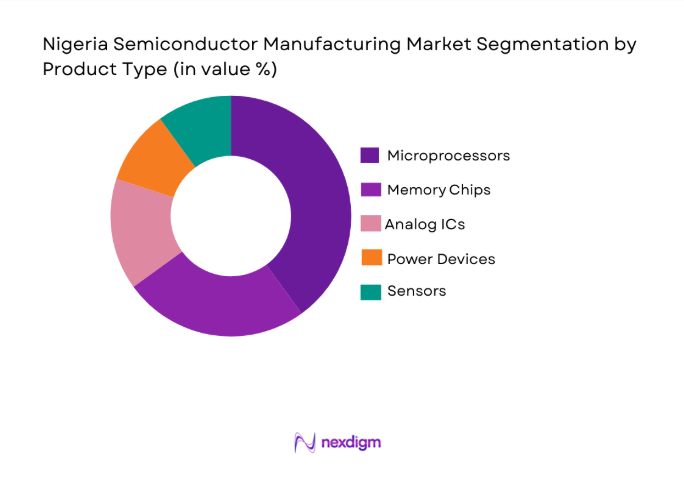
The Nigeria semiconductor manufacturing market is segmented by product type into components such as microprocessors, memory chips, analog ICs, power devices, and sensors. Recently, microprocessors have dominated the market due to the high demand for processing power in consumer electronics, telecommunications, and automotive industries. This dominance is driven by the rapid growth in mobile device usage, the internet of things (IoT), and advancements in automotive technologies such as electric vehicles. Manufacturers are increasingly focusing on producing more efficient and cost-effective microprocessors to meet the growing demand across these sectors, thus leading to a significant market share for this sub-segment.
By Platform Type
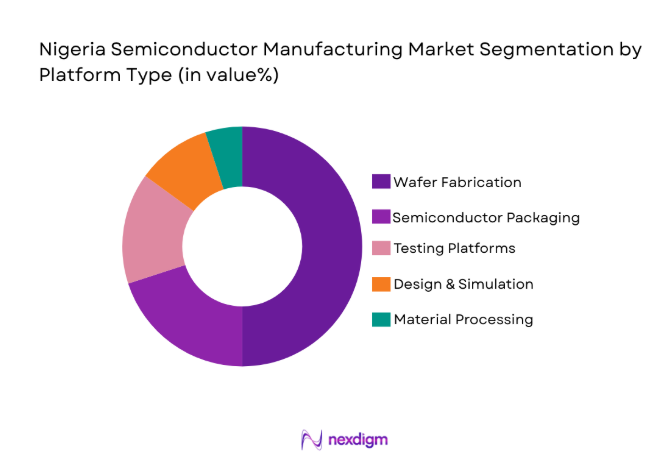
The Nigerian semiconductor manufacturing market is segmented by platform type into wafer fabrication platforms, semiconductor packaging platforms, testing platforms, design and simulation platforms, and material processing platforms. Wafer fabrication platforms currently dominate the market, driven by the growing demand for advanced and miniaturized semiconductor devices. This segment has benefitted from innovations in fabrication technologies, which have improved production efficiency and reduced costs. As the need for high-performance chips rises, wafer fabrication remains central to the market’s growth, particularly in electronics, automotive, and telecommunications industries.
Competitive Landscape
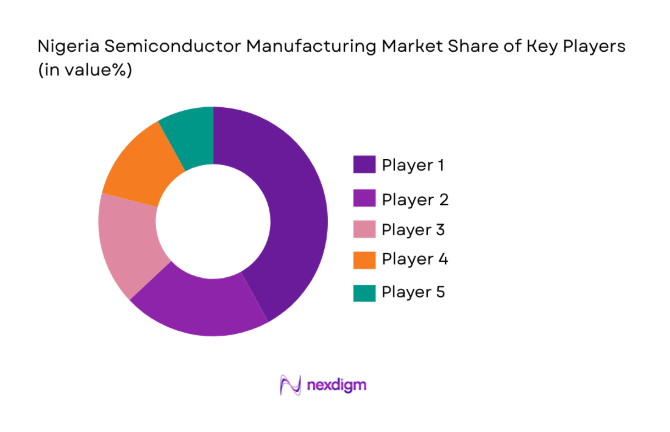
The competitive landscape of Nigeria’s semiconductor manufacturing market is characterized by the presence of both local and international players. Major companies are focusing on expanding their production capacity, increasing efficiency through automation, and investing in research and development. With the support of the Nigerian government’s incentives for tech-driven industries, key players are establishing stronger footholds in the region. The market is witnessing consolidation as firms collaborate to leverage local manufacturing advantages while gaining access to international supply chains. Key companies are also enhancing their technological capabilities to stay competitive and meet the rising demands of both local and global markets.
| Company Name | Establishment Year | Headquarters | Technology Focus | Market Reach | Key Products | Revenue (USD) | Parameter |
| STMicroelectronics | 1987 | Switzerland | ~ | ~ | ~ | ~ | ~ |
| Intel Corporation | 1968 | USA | ~ | ~ | ~ | ~ | ~ |
| NXP Semiconductors | 2006 | Netherlands | ~ | ~ | ~ | ~ | ~ |
| Qualcomm | 1985 | USA | ~ | ~ | ~ | ~ | ~ |
| Broadcom | 1991 | USA | ~ | ~ | ~ | ~ | ~ |
Nigeria Semiconductor Manufacturing Market Analysis
Growth Drivers
Government Support for Technological Advancements
Government incentives, such as tax rebates, grants, and support for infrastructure, have significantly boosted the semiconductor manufacturing market in Nigeria. These efforts have encouraged both local and international companies to invest in manufacturing facilities, research, and development (R&D). By creating a conducive environment for technological advancements, the Nigerian government is facilitating the growth of a robust semiconductor ecosystem. This has led to increased production capabilities and market expansion, particularly in sectors such as mobile devices, consumer electronics, and automotive technologies, all of which rely heavily on semiconductors. The government has also been actively supporting technological innovation through various national programs and partnerships, ensuring that the semiconductor industry can continue to evolve and meet global standards. With a strong focus on fostering innovation in manufacturing processes, including smart factory solutions and automation, the government’s role has become a critical driver of growth. Furthermore, the promotion of local manufacturing over imports has allowed Nigeria to take steps toward reducing reliance on foreign products, while simultaneously bolstering its position in the regional and global semiconductor market. As the sector matures, government-backed initiatives will remain essential in supporting technological advancements and in creating a more sustainable and competitive manufacturing environment.
Increasing Demand for Consumer Electronics
The demand for consumer electronics has seen exponential growth in Nigeria, with mobile phones, laptops, and home appliances leading the charge. The continuous advancement in technology, along with increased purchasing power among consumers, has resulted in a surge in demand for more sophisticated, powerful, energy-efficient, and cost-effective electronic devices. This growing demand has directly contributed to the need for semiconductors, which are essential components in virtually all modern electronic gadgets. The consumer electronics market in Nigeria is expected to keep expanding as more people adopt smartphones, wearables, and smart home devices. Additionally, the rapid adoption of the Internet of Things (IoT) technologies and the expansion of smart homes further contribute to the rise in semiconductor demand. The IoT sector, in particular, has witnessed an acceleration in Nigeria, with smart devices requiring advanced semiconductor chips for processing, communication, and power management. These trends present a unique opportunity for Nigeria to not only meet local demand but also position itself as a key player in the regional electronics market. The increasing consumer base for smart devices, coupled with the country’s rising middle class, is solidifying Nigeria’s standing as a critical market for semiconductor production. As technology continues to evolve, the demand for these semiconductors will continue to drive growth in the manufacturing sector.
Market Challenges
High Capital Investment for Semiconductor Manufacturing Plants
One of the primary challenges facing the Nigerian semiconductor manufacturing market is the high capital investment required to establish and maintain semiconductor fabrication plants. The costs associated with building and running these plants are substantial, often involving millions of dollars in advanced equipment, facility setup, and skilled workforce development. Such investments are a major barrier to entry, especially for new and local players who may not have the financial resources to compete with global giants. Although the Nigerian government has introduced several incentives to help reduce some of the financial burden, the initial capital required remains a significant hurdle. Moreover, the complexity of setting up semiconductor facilities, which require high precision and advanced technological infrastructure, further complicates the situation. These factors contribute to slower growth in the market, as the high entry costs discourage new entrants and limit the expansion of local manufacturing capacity. Despite the potential for significant growth, the financial challenges associated with semiconductor manufacturing could limit the ability to meet the increasing demand for semiconductors across various industries, including automotive, telecommunications, and electronics.
Supply Chain Disruptions
Another significant challenge facing the Nigerian semiconductor manufacturing market is supply chain disruptions, particularly in the sourcing of raw materials and critical components. The semiconductor industry is heavily reliant on a complex and global supply chain, where raw materials, components, and equipment must be imported from various countries. Disruptions in this supply chain, whether due to geopolitical tensions, natural disasters, or other global crises, can cause delays in production and significantly increase costs. This reliance on foreign suppliers makes Nigeria vulnerable to these disruptions, further complicating local production efforts. The country’s lack of fully developed local supply chains for raw materials exacerbates the issue, as manufacturers often face delays in sourcing the necessary materials to produce semiconductors. This challenge has a ripple effect, affecting the overall continuity of the manufacturing process and slowing the pace of growth in the industry. To mitigate this challenge, Nigeria must invest in developing its own supply chains, strengthening partnerships with local suppliers, and reducing dependency on imports. In the absence of such initiatives, the market’s ability to meet increasing demands for semiconductors across industries will continue to face limitations.
Opportunities
Expansion of Electric Vehicle (EV) Market
The global shift towards sustainable transportation, particularly the increasing adoption of electric vehicles (EVs), represents a significant growth opportunity for the Nigerian semiconductor manufacturing market. As countries across the globe push for greater environmental sustainability and reduced carbon emissions, the demand for electric and autonomous vehicles has surged. EVs rely heavily on semiconductors for various critical systems, including battery management, electric drive systems, power management, and autonomous driving technologies. The Nigerian automotive market is beginning to embrace these technologies, with increased investment in electric vehicles and renewable energy solutions. As the demand for electric vehicles rises, Nigeria has an opportunity to expand its semiconductor manufacturing capabilities to supply the necessary components for these vehicles. By producing chips for EV batteries, power systems, and charging stations, Nigeria can establish itself as a leader in the production of automotive semiconductors in the African market. The opportunity to align with the global EV revolution will not only stimulate local semiconductor production but will also support Nigeria’s broader sustainability goals. By tapping into this emerging market, Nigeria can leverage its growing automotive sector, contributing to the development of green technologies while fostering long-term economic growth.
Development of Localized Semiconductor Supply Chains
Another significant opportunity for the Nigerian semiconductor manufacturing market lies in the development of localized supply chains. As the demand for semiconductors continues to grow across various sectors, Nigeria has the chance to build a self-sustaining supply chain that reduces its reliance on global suppliers. By focusing on the local production of raw materials, semiconductor manufacturing components, and enhancing distribution networks, Nigeria can improve the resilience of its semiconductor sector. The development of these localized supply chains will not only help reduce costs but will also mitigate the impact of global supply chain disruptions. Additionally, the growth of local manufacturing capabilities will create jobs, foster innovation, and contribute to the long-term sustainability of the market. Encouraging local expertise in semiconductor design, fabrication, and testing will create a highly skilled workforce capable of supporting the growing demand for semiconductors. By positioning itself as a regional leader in semiconductor production, Nigeria can strengthen its market position and reduce dependency on international suppliers, ultimately fostering a more resilient and self-reliant industry.
Future Outlook
Over the next five years, the Nigerian semiconductor manufacturing market is expected to experience steady growth driven by technological advancements, government initiatives, and the increasing demand for consumer electronics and electric vehicles. Technological developments, such as the adoption of advanced semiconductor fabrication processes and the growing trend of local manufacturing, are expected to further support market growth. Additionally, regulatory support for the development of the semiconductor ecosystem will encourage both domestic and foreign investments. With a focus on expanding local production capabilities, Nigeria is poised to strengthen its position as a key player in the African semiconductor manufacturing industry.
Major Players
- STMicroelectronics
- Intel Corporation
- NXP Semiconductors
- Qualcomm
- Broadcom
- Micron Technology
- Texas Instruments
- Infineon Technologies
- Samsung Electronics
- MediaTek
- Renesas Electronics
- Analog Devices
- Maxim Integrated
- ON Semiconductor
- Cypress Semiconductor
Key Target Audience
- Investments and venture capitalist firms
- Government and regulatory bodies
- Electronics manufacturers
- Automotive manufacturers
- Renewable energy companies
- Telecommunication providers
- Industrial automation companies
Research Methodology
Step 1: Identification of Key Variables
The first step involves identifying and defining the key market variables, such as market drivers, challenges, trends, and opportunities, that influence the semiconductor manufacturing sector.
Step 2: Market Analysis and Construction
This step involves analyzing market data, segmenting the market, and constructing the framework for the report based on historical trends, technological advancements, and market demands.
Step 3: Hypothesis Validation and Expert Consultation
In this phase, expert opinions and industry insights are gathered to validate the initial market hypotheses and refine the analysis.
Step 4: Research Synthesis and Final Output
Finally, all research findings are synthesized into a comprehensive report, which is presented with actionable insights, conclusions, and market forecasts.

- Executive Summary
- Research Methodology
(Definitions, Scope, Industry Assumptions, Market Sizing Approach, Primary & Secondary Research Framework, Data Collection & Verification Protocol, Analytic Models & Forecast Methodology, Limitations & Research Validity Checks)

- Market Definition and Scope
- Value Chain & Stakeholder Ecosystem
- Regulatory / Certification Landscape
- Sector Dynamics Affecting Demand
- Strategic Initiatives & Infrastructure Growth

- Growth Drivers
Government Support for Technological Advancements
Rising Demand for Semiconductor Components in Consumer Electronics
Increasing Adoption of Automation in Manufacturing - Market Challenges
High Initial Capital Investment for Manufacturing Plants
Limited Domestic Supply of Raw Materials
Challenges in Skilled Workforce Availability - Market Opportunities
Collaborations with International Semiconductor Manufacturers
Development of Localized Supply Chains
Growth in Electric Vehicle Semiconductor Demand - Trends
Shift Towards Smaller and More Energy-Efficient Semiconductor Chips
Growth in AI and Machine Learning Semiconductor Demand - Government Regulations
- SWOT Analysis
- Porter’s Five Forces

- By Market Value, 2020-2025
- By Installed Units, 2020-2025
- By Average System Price, 2020-2025
- By System Complexity Tier, 2020-2025

- By System Type (In Value%)
Manufacturing Equipment
Semiconductor Materials
Test & Measurement Systems
Packaging Equipment
Design Tools - By Platform Type (In Value%)
Wafer Fabrication Platforms
Semiconductor Packaging Platforms
Test & Inspection Platforms
Design & Simulation Platforms
Material Processing Platforms - By Fitment Type (In Value%)
On-site Fabrication
Outsourced Manufacturing
Integrated Manufacturing Solutions
Modular Systems - By End User Segment (In Value%)
Electronics & Consumer Goods
Automotive Industry
Telecommunications
Industrial Applications

- Market Share Analysis
- Cross Comparison Parameters
(System Type, Platform Type, End User Segment, Procurement Channel, Fitment Type, Technology, Region) - SWOT Analysis of Key Competitors
- Pricing & Procurement Analysis
- Key Players
Nigerian Semiconductor Manufacturers
STMicroelectronics
Samsung Electronics
Intel Corporation
NXP Semiconductors
Qualcomm Incorporated
Broadcom
Texas Instruments
Analog Devices
Micron Technology
SK hynix
Infineon Technologies
MediaTek
Renesas Electronics
Advanced Micro Devices
Qualcomm Technologies

- Growth of Semiconductor Demand in Consumer Electronics
- Adoption of Advanced Semiconductor Technology in Automotive
- Integration of AI and Robotics in Semiconductor Applications
- Emerging Markets for Semiconductor in Industrial Automation

- Forecast Market Value, 2026-2035
- Forecast Installed Units, 2026-2035
- Price Forecast by System Tier, 2026-2035
- Future Demand by Platform, 2026-2035


 Request a Sample
 Ask for Customization
 Get a Quote
 Enquire Now